
I’ve spent plenty of time in the kitchen testing both Cuisinart and KitchenAid hand mixers side by side on everything from whipped cream to thick cookie dough, and this article lays out exactly how they stack up so you can pick the one that fits your baking style and budget without second-guessing.
| Feature | Cuisinart Power Advantage Plus 9-Speed | KitchenAid 7-Speed / 9-Speed |
| Motor Power | 220 watts | 150-250 watts (DC motor options) |
| Speed Settings | 9 | 7 or 9 |
| Soft/Smooth Start | Yes (SmoothStart) | Yes (Soft Start) |
| Included Attachments | Beaters, chef’s whisk, dough hooks, spatula, storage case | Beaters, pro whisk (dough hooks and blending rod on higher models) |
| Weight | Around 2.4–4.3 lbs | Lightweight, often under 2.5 lbs |
| Noise Level | Noticeably louder on higher speeds | Quieter overall |
| Storage | Snap-on case included | Cloth bag on some models, no case |
| Warranty | 3-year limited | 1-year limited |
| Typical Price Range | $70–$100 | $80–$130 |
| Best For | Value seekers, frequent attachment use | Precision, quiet operation, durability |
Key Differences between Cuisinart and KitchenAid Hand Mixers
- Motor Power and Overall Performance
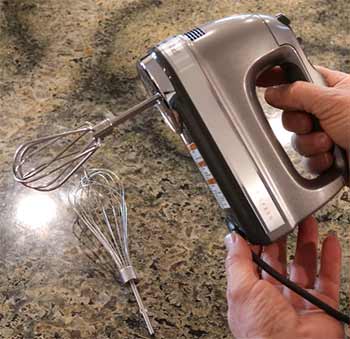
When I run both mixers through the same batch of cold butter and sugar for cookies, the Cuisinart’s 220-watt motor feels eager and quick to chew through the mixture.
It pushes hard and finishes the creaming stage a little faster in many trials. KitchenAid’s motor, even when rated a bit lower on paper, delivers steadier torque thanks to its DC design on several models.
It rarely stalls or heats up, and it keeps a consistent rhythm when the dough thickens with chocolate chips or nuts.
In heavier bread dough tests the KitchenAid holds its pace better without the slight slowdown I sometimes notice on the Cuisinart.
If your baking leans toward dense cookie doughs or occasional yeast dough, that steady power on the KitchenAid becomes noticeable after a few sessions.
The Cuisinart still gets the job done for everyday batters and cream, yet the difference shows up most when the mixture fights back.
- Speed Settings and Fine Control
Cuisinart gives you nine distinct speeds with a digital display and one-touch buttons that make jumping from low to high simple.
The three lowest speeds stay gentle enough to avoid flour clouds, which I appreciate when folding dry ingredients into wet.
KitchenAid’s seven- or nine-speed setups feel more gradual. The Soft Start ramps up slowly every time you press the button, so the first few seconds never fling ingredients over the rim of the bowl the way a sudden start can.
I find the KitchenAid’s lower speeds more precise for delicate tasks like folding egg whites or incorporating add-ins without overworking the batter.
On higher speeds both mixers whip cream to stiff peaks in under three minutes, but the KitchenAid does it with less vibration traveling up the handle. If you bake often and switch between light and heavy mixtures in one session, that smoother progression on the KitchenAid saves cleanup time.
- Attachments and Everyday Versatility
Cuisinart packs more in the box right out of the gate: a pair of self-cleaning beaters with no center post, a chef’s whisk, dough hooks, a spatula, and a clear snap-on storage case that holds everything plus the cord.
That case alone keeps my drawer from turning into a tangle of metal pieces. KitchenAid includes solid stainless-steel Turbo Beaters and a pro whisk on the popular 7-speed model; the 9-speed version adds dough hooks and a blending rod.
The beaters on both brands clean easily and go in the dishwasher. I reach for Cuisinart’s dough hooks more often because they arrive with the mixer, while KitchenAid’s optional extras cost extra if your base model lacks them.
For someone who wants to knead small batches of pizza dough or pasta without buying more gear, Cuisinart wins on immediate versatility. KitchenAid’s attachments feel slightly more refined in shape and balance once you have them.
- Design, Comfort, and How They Feel in the Hand
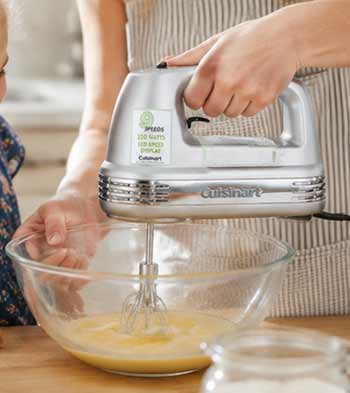
KitchenAid designs its hand mixers with a slim, balanced body and a soft-grip handle that stays comfortable during longer mixing sessions.
The swivel cord locks left or right so it never drags through the batter.
Cuisinart’s body is a bit bulkier and the chrome finish shows fingerprints faster, yet the soft-grip handle still feels secure.
Weight differences are small, but after fifteen minutes of continuous use the KitchenAid’s lighter feel reduces wrist fatigue for me.
Both stand upright on a heel rest when you need to pause and scrape the bowl.
Color choices favor KitchenAid by a wide margin—dozens of shades versus Cuisinart’s more limited palette—so if matching your kitchen aesthetic matters, KitchenAid offers more personality.
- Noise Levels During Real Use
I measured the difference with a simple phone app during identical whipping tasks. KitchenAid stays noticeably quieter across the speed range. The Cuisinart’s motor grows louder once you push past speed five, especially when working stiff dough.
In an open-plan kitchen the quieter KitchenAid is easier on the ears if you mix while talking or listening to music. Neither is silent, but the gap becomes obvious after a few weeks of regular use.
- Storage and Daily Convenience
Cuisinart’s snap-on case is a practical win. Everything nests inside, the cord wraps neatly, and the whole unit slides onto a shelf without pieces scattering.
KitchenAid usually supplies a fabric bag for attachments on higher models, which works but does not protect or organize as cleanly. If counter or drawer space is tight, the Cuisinart case keeps the kitchen looking tidier between baking days.
- Price Point and Long-Term Value
Cuisinart typically sits lower on the price tag while delivering a full set of tools and a longer three-year warranty. KitchenAid costs more upfront yet tends to feel more durable over years of heavy use.
When I factor in replacement parts and the chance of needing a new unit sooner, the KitchenAid’s higher initial outlay can even out for frequent bakers. Casual users who mix a few times a month often find the Cuisinart’s lower entry cost hard to beat.
- Warranty Coverage and Expected Longevity
Cuisinart’s three-year limited warranty covers more calendar time. KitchenAid’s one-year coverage is shorter, yet the brand’s reputation for lasting motors and available service parts gives many owners confidence beyond the paperwork. In practice both brands hold up well when treated reasonably; the difference appears mainly if something fails early.
Key Features of the KitchenAid Hand Mixer

- Soft Start Technology Every time I turn the mixer on, the beaters begin slowly and climb to the selected speed. That gentle ramp prevents the cloud of powdered sugar or the splash of cream that used to greet me with older mixers. It becomes second nature and cuts cleanup dramatically.
- Stainless Steel Turbo Beaters and Pro Whisk The beaters move through thick mixtures without clogging, and the large whisk incorporates air efficiently. Whipped cream reaches stiff peaks with a light texture that holds longer in the fridge. The stainless finish resists staining from spices or cocoa.
- Multiple Speed Options with Precise Gradations Whether you choose the seven-speed or nine-speed version, the steps feel deliberate. Low speeds stir in chocolate chips without crushing them; mid speeds cream butter and sugar to a pale, fluffy stage; high speeds handle meringue or frosting. The digital or dial controls stay easy to adjust mid-mix with one hand.
- Lockable Swivel Cord I can lock the cord to the left or right side depending on bowl position and dominant hand. No more fighting the cord as it tries to dip into the batter or tangle around the handle.
- Lightweight Balanced Body After long sessions the reduced weight and thoughtful balance keep my forearm from tiring. The heel rest lets the mixer sit upright while I scrape the bowl, so I never lay a messy beater on the counter.
- Color Variety and Classic Styling KitchenAid offers a wide range of finishes that let the tool match the rest of the kitchen or simply look appealing on the counter. The design feels intentional rather than purely functional.
Pros of the KitchenAid Hand Mixer
- Quieter Operation Across Speeds I can mix while the rest of the household is nearby without the motor drowning out conversation. The lower noise level makes longer sessions less fatiguing for the ears.
- Excellent Control and Soft Start The gradual speed increase and fine low-end settings prevent messes and give me confidence with delicate mixtures. Recipes that once required constant watching now feel more relaxed.
- Comfortable Ergonomics for Extended Use The balanced weight and grip design mean my hand and wrist stay happier after twenty minutes of continuous mixing. That comfort matters when I bake multiple batches in one afternoon.
- Strong Reputation for Durability Owners report years of reliable service, and the motors hold up under repeated thick-dough sessions. The brand’s service network and parts availability add peace of mind.
- Attractive Color Options Choosing a shade that fits the kitchen turns a utilitarian tool into something I actually enjoy seeing on the counter. The classic look pairs well with other appliances.
- Consistent Results on Precision Tasks Whipped cream, meringue, and cake batters come out light and even. The steady motor and well-shaped attachments contribute to repeatable texture every time.
Cons of the KitchenAid Hand Mixer
- Higher Purchase Price The upfront cost sits above many competitors, which can stretch a tight kitchen budget. You pay for the refinement and longevity, yet the sticker still stings for occasional bakers.
- Fewer Attachments on Base Models The popular seven-speed version omits dough hooks and a storage case. Adding those extras raises the total cost and requires a separate order.
- Shorter Standard Warranty One year of coverage feels brief compared with other brands. While the machines often last longer, the formal protection window is limited.
- Limited Storage Solution A cloth bag helps, but it does not organize or protect as neatly as a hard case. Attachments can still rattle around or get separated in a drawer.
Key Features of the Cuisinart Hand Mixer
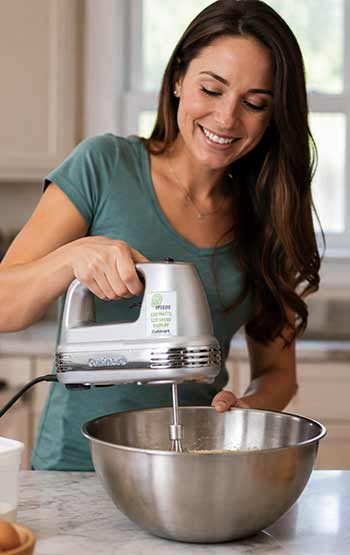
- 220-Watt Motor with Automatic Feedback The motor senses resistance and adjusts power so it keeps turning through dense dough instead of bogging down. Cold butter yields faster, and double batches of cookie dough stay manageable without overheating.
- Nine Speeds and SmoothStart Three dedicated low speeds give me control when combining dry and wet ingredients. The SmoothStart feature begins slowly enough to limit mess, and the digital display shows the exact speed so I can repeat results recipe after recipe.
- Full Attachment Set Including Dough Hooks Beaters, chef’s whisk, dough hooks, and a spatula arrive in the box. I use the dough hooks for small pizza or bread doughs and the whisk for egg whites or cream. Having everything included means I never delay a recipe while hunting for an extra purchase.
- Snap-On Storage Case The clear case holds the mixer body, all attachments, and the cord in one compact unit. It stacks easily and keeps the pieces from getting lost in a crowded drawer. Cleanup after use becomes a simple snap-and-store routine.
- Easy-Clean Beaters with No Center Post Ingredients do not pack into a center post, so rinsing or dishwasher cleaning goes quickly. The extra-wide design covers more of the bowl surface and reduces the need to stop and scrape as often.
- Swivel Cord and Heel Rest The cord rotates freely for left- or right-handed use, and the heel rest lets the mixer stand upright between steps. Both details remove small daily frustrations.
Pros of the Cuisinart Hand Mixer
- Strong Value with Full Accessory Package You receive beaters, whisk, dough hooks, spatula, and a storage case for a lower price than many rivals. The complete kit means I start baking the same day the box arrives.
- Powerful Motor for the Money The 220-watt unit handles cold butter, thick batters, and small dough batches without complaint. Automatic feedback keeps the beaters turning when resistance rises.
- Convenient Snap-On Storage Case Everything stays together and protected. The case makes putting the mixer away almost effortless and keeps the kitchen organized.
- Longer Warranty Period Three years of coverage provides extra reassurance, especially for a tool that sees regular weekend use.
- Straightforward Controls and Digital Display One-touch speed changes and a clear number readout let me match the exact setting a recipe calls for without guesswork.
- Effective Self-Cleaning Beaters The no-center-post design rinses clean quickly and spends less time in the sink or dishwasher.
Cons of the Cuisinart Hand Mixer

- Louder Motor on Higher Speeds Once the speed climbs, the noise becomes more noticeable. In quiet kitchens or open living spaces the volume can feel intrusive during long mixes.
- Slightly Less Refined Soft Start Although SmoothStart helps, the initial acceleration sometimes feels a touch abrupt compared with KitchenAid’s gentler ramp. Occasional light splatter still occurs if the bowl is very full.
- Heavier or Bulkier Feel for Some Users The body and case combination take up more visual and physical space. Extended mixing sessions can produce a bit more arm fatigue than the lighter KitchenAid models.
- Fewer Color Choices The available finishes are practical but limited. Matching a specific kitchen palette becomes harder.
- Plastic Components Feel Less Premium While functional, some exterior parts and the case lack the solid, refined touch of metal-heavy designs. Long-term wear shows earlier on the finish in high-use homes.
Who Should Choose Which Mixer?
If you bake several times a week, value quiet operation, and want a tool that feels refined in the hand for years, the KitchenAid makes sense even at the higher price. Its Soft Start and balanced design reduce daily friction, and the durability reputation pays off over time.
If you bake less often, prefer a complete set of attachments and a storage case right away, and want to keep the purchase price lower, the Cuisinart delivers strong performance and practical extras that make life easier from day one.
Budget-conscious households or those with limited storage space often lean toward Cuisinart and stay satisfied. Serious home bakers who already own other KitchenAid tools or simply prefer the brand’s aesthetic and quieter motor usually stay with KitchenAid.
Frequently Asked Questions (FAQ)
KitchenAid edges ahead for frequent bakers who want quieter operation and long-term durability; Cuisinart wins for value and included accessories.
It performs nearly as well on most everyday tasks and includes more tools for the price, though KitchenAid feels more refined and consistent under heavy use.
Both ranks near the top; the “best” depends on whether you prioritize precision and quiet power or complete accessories and lower cost.
KitchenAid carries stronger brand prestige and longevity reputation in mixers, while Cuisinart often provides stronger immediate value and warranty length.
Final Thoughts
I have used both mixers enough times to know neither will disappoint if you match it to your habits. You now have a clear picture of the power, control, attachments, comfort, noise, and cost differences so you can decide which one belongs in your kitchen.
Choose the KitchenAid when quiet precision and lasting build matter most to you; reach for the Cuisinart when you want maximum tools and storage convenience without stretching the budget.
Either way you will spend less time stirring by hand and more time enjoying the results.