
I decided to upgrade my kitchen setup for preserving fresh produce, making jerky, and creating healthy snacks after dealing with store-bought options that lacked flavor and often contained extra additives.
After testing both the Cosori and Magic Mill models over several months with all kinds of foods, I wanted to share a straightforward comparison based on real daily use in my own home.
This article walks through their differences so you can figure out which one fits your needs better, whether you are just starting out with small batches of fruit or handling bigger preservation projects for your family.
I focus on practical performance, everyday convenience, and what actually matters when the machine is running on your counter.
| Feature | Cosori (6-Tray Stainless) | Magic Mill (7-10 Tray Models) |
| Tray Count | 6 stainless steel trays | 7-10 stainless steel trays |
| Drying Area | Around 6-7 sq ft | 7-10+ sq ft |
| Temperature Range | 95°F – 165°F | 95°F – 167°F or similar |
| Timer | Up to 48 hours | Up to 24-48 hours |
| Fan Placement | Rear-mounted for even airflow | Rear-mounted for consistency |
| Power | 600W | 480-800W depending on model |
| Noise Level | Very quiet (~46-48 dB) | Quiet but slightly louder |
| Door/Window | Often solid or limited view | Transparent door for monitoring |
| Best For | Compact spaces, precise control | Larger batches, heavy use |
| Price Range (approx) | More budget-friendly | Slightly higher for bigger models |
Key Differences Between Cosori And Magic Mill Dehydrators
The differences became clear as I used them back to back. Here is a detailed breakdown with context from my experiences:
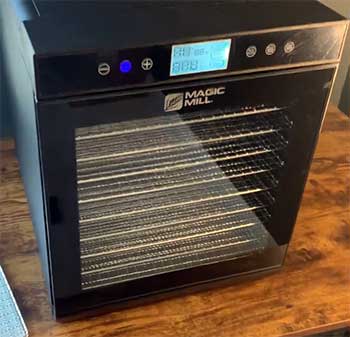
- Capacity and batch size: Magic Mill edges out with more trays, making it ideal if you dehydrate in bulk or have a large garden. I processed twice as much in one go compared to the Cosori, which suited big weekend projects. Cosori suits smaller or more frequent runs without taking up extra room, fitting my weekday routine better when I only had a few pounds of produce.
- Ease of monitoring: Magic Mill’s see-through door gives you a visual check anytime. This prevented mistakes like leaving jerky too long. Cosori often requires opening the door, which can affect temperature slightly but also forces closer interaction that helped me learn optimal times faster.
- Noise and everyday convenience: Cosori wins for quietness. I could run it during work calls or at night more comfortably, and it blended into the household noise. Magic Mill, while still reasonable, produced a bit more noticeable fan sound that I noticed in very quiet evenings.
- Timer flexibility: Cosori’s longer timer options (up to 48 hours) felt better for low-and-slow items like certain herbs or very thick jerky. I set it and forgot it for overnight runs without worry. Magic Mill timers worked well but sometimes needed checking sooner on extended cycles.
- Size and storage: Cosori is more countertop-friendly for limited spaces. I moved it easily between counter and cabinet. Magic Mill takes a bit more real estate but rewards you with volume, which I appreciated when dedicating space during harvest season.
- Power and drying speed: Magic Mill models sometimes run with higher wattage for potentially faster results on large loads, shaving time off big batches. Cosori stays efficient and consistent, using power wisely for smaller, precise jobs without spiking my electricity bill noticeably.
- Accessories and extras: Both include useful sheets, but Magic Mill sometimes bundles more options like hanging racks for jerky in certain kits. This simplified meat preparation. Cosori’s included mesh and leather sheets covered my needs perfectly for fruits and small items without extras I wouldn’t use often.
These distinctions helped me see how personal workflow and kitchen constraints play a big role in the choice. Over time, I matched each machine to specific tasks.
Key Features of the Cosori Dehydrator
I really appreciated how straightforward the Cosori felt right out of the box. Here is what stood out during my weeks of use, with plenty of detail from actual sessions:
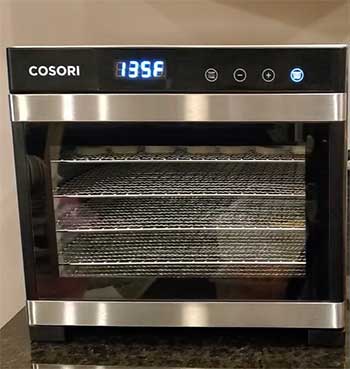
- Stainless steel trays that clean up easily: The six trays are durable and dishwasher-safe. I could load up sliced fruits or marinated meat without worrying about warping or sticking. After a full cycle of sticky fruit leather, a quick rinse in the sink or dishwasher cycle left them spotless, saving me time compared to plastic trays that stain easily.
- Precise digital controls: The touch panel lets me set temperature in small increments and a timer up to 48 hours. This helped me dial in exact conditions for different foods without guesswork. For example, I set 135°F for 12 hours on banana chips and got perfect chewy results every time, with the display staying clear and responsive even with damp hands.
- Quiet operation: At around 46 dB, it runs like a soft hum in the background. I could leave it on overnight in the kitchen without it disturbing anyone or interfering with conversations or TV time. This made a huge difference during long herb drying runs that stretched into the evening.
- Rear fan for even results: Airflow from the back meant consistent drying across all trays. I rarely had to shuffle things around, unlike older models I tried before. Apples on the top tray came out just as crisp as those on the bottom, which built my confidence for bigger experiments.
- Compact footprint: It fits nicely on my counter without dominating the space, perfect for my smaller kitchen setup. When not in use, I can tuck it away on a lower shelf without straining my back, and the balanced design makes moving it simple even when fully assembled.
- Accessories included: Mesh liners and fruit leather sheets came in handy for small items and purees. The mesh prevented tiny herb leaves from falling through, and the leather sheets handled apple sauce spreads beautifully without any leaking or sticking issues.
The Cosori delivered reliable performance for everyday tasks. I dehydrated batches of seasonal produce and never felt limited by the capacity for my household size. Its efficiency showed in consistent textures and flavors that encouraged me to experiment more.
Pros of the Cosori Dehydrator
I genuinely enjoyed several aspects that made the Cosori a solid performer in my home. Here is more detail on why they mattered:
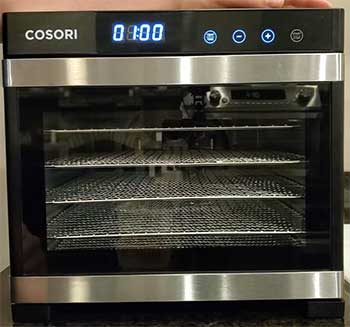
- Excellent temperature accuracy that stayed steady throughout cycles, leading to predictable results every time. Fluctuations were minimal, so my kale chips came out crisp and uniform batch after batch.
- User-friendly interface that even family members could operate without instructions. The clear display and simple buttons meant my kids could help load trays safely.
- Lower energy draw in practice for my typical batch sizes, which mattered during longer runs. It stayed cool on the outside too, reducing kitchen heat buildup in summer.
- Sleek stainless steel exterior that wipes down cleanly and looks modern in the kitchen. Fingerprints and spills cleaned off in seconds, keeping it presentable.
- Great value for the features, especially if you do not need massive capacity right away. The performance-to-price ratio convinced me it was a smart investment.
- Consistent even drying that minimized hot spots or uneven textures in fruits and veggies. No more throwing out uneven pieces.
- Easy to move around thanks to the balanced weight and handles on some models. This encouraged frequent use rather than letting it gather dust.
- Reliable auto shut-off that gave me peace of mind when stepping away. I could run errands knowing it would stop safely.
These strengths made it my go-to for quick projects and learning the ropes of dehydration.
Cons of the Cosori Dehydrator
No appliance is perfect, and I noticed a few limitations during extended use. These are the honest drawbacks I encountered:
- Smaller overall capacity meant more batches for big harvests, which added time to my process when dealing with abundant produce. I sometimes ran it for consecutive days.
- Limited visibility without opening the unit, sometimes leading to unnecessary heat loss or guesswork on progress. I learned to time things better over weeks.
- Trays, while good, felt a bit shallower for very thick items compared to some competitors. Thicker jerky slices occasionally needed careful arrangement.
- No built-in presets for specific foods, so I relied on my own notes or general guides. This required a short learning curve but became second nature.
- The solid door design, while insulating well, takes some getting used to if you like checking progress often. I adapted by using the timer more precisely.
These points did not stop me from using it regularly, but they influenced when I switched to the other machine.
Also Read: Is The Mainstays Air Fryer Any Good?
Key Features of the Magic Mill Dehydrator
The Magic Mill brought a bit more muscle to the table, especially when I needed to process larger quantities at once. These are the highlights from my testing, expanded with real observations:

- Higher tray capacity: Models with 7 to 10 trays let me dry more food in a single run. I could handle bigger harvests or meal prep sessions without multiple batches, which saved hours over a weekend when I processed a large box of garden tomatoes or made bulk jerky for the family.
- Transparent door: Being able to peek inside without opening it helped me monitor progress on jerky or herbs without losing heat. I watched moisture levels drop in real time, adjusting expectations and avoiding over-drying on several occasions.
- Solid temperature and timer options: Adjustable from 95°F up to around 167°F, with automatic shut-off. It performed well for a wide variety of items, from low-temp herbs at 95°F to higher settings for safety with meats. The controls felt intuitive after just one use.
- Powerful rear-mounted fan: Like the Cosori, it promotes uniform drying, but the extra space made it feel more versatile for bulky loads. Dense items like pineapple chunks dried evenly without the edges crisping too fast while centers stayed moist.
- Durable stainless steel build: Trays hold up to decent weight per shelf, and the unit feels built for regular use. I loaded each tray heavily during tests and saw no bending or performance drops, giving it a sturdy, long-term feel.
- Keep warm or additional modes: Some versions include helpful extras like keep-warm functionality after drying. This kept finished batches at serving temperature while I prepared storage containers, reducing the rush at the end of a cycle.
I found myself reaching for the Magic Mill when I had friends coming over or wanted to stock up on snacks for the week. Its scale opened up new possibilities for me.
Pros of the Magic Mill Dehydrator
The Magic Mill shone in scenarios where I needed scale and visibility. Expanded thoughts from my tests include:
- Larger drying space that handled family-sized batches or seasonal surpluses efficiently. One run replaced what would take two or three on smaller units.
- Transparent window that let me observe without interrupting the cycle, saving time and energy while building intuition about drying stages.
- Robust build quality that felt ready for frequent, heavier use over months. It showed no signs of wear after repeated heavy loads.
- Versatile temperature range suitable for everything from delicate herbs to tough jerky. I could switch tasks seamlessly.
- Even airflow that produced uniform results across more trays simultaneously. This reduced sorting time after cycles.
- Helpful accessories like extra mesh sheets or fruit roll options in many bundles. They expanded what I could create comfortably.
- Automatic features including shut-off and sometimes keep-warm that simplified overnight drying. I woke up to perfectly finished batches.
- Strong performance on meats and denser foods due to the capacity and power. Jerky turned out consistently safe and flavorful.
It became the workhorse for bigger preservation projects around my house.
Cons of the Magic Mill Dehydrator
I also encountered drawbacks that might matter depending on your setup. Details from use:
- Slightly higher noise level during operation, noticeable in quieter rooms. I moved it farther from living areas during long runs.
- Larger physical size that required dedicated counter or storage space. It dominated my counter when in use.
- Timer sometimes limited compared to Cosori in certain models, needing closer attention for very long dries. I set phone reminders.
- Potentially higher price point for the extra trays and features. I weighed this against the time savings for bulk work.
- Trays, though spacious, could feel heavier when fully loaded and wet. Handling required a bit more care.
- Occasional need to adjust for optimal airflow with very full loads. Overpacking slowed results slightly on a few occasions.
Knowing these helped me plan around them effectively.
Which One Should You Choose?
After all my testing, I lean toward the Cosori if you want something compact, quiet, and precise for regular home use.
It delivers great results without overwhelming your kitchen. On the other hand, I recommend the Magic Mill when you process larger amounts regularly or value easy monitoring. Both brands produce quality machines that outperform basic round models in evenness and convenience.
Consider your available space, typical batch sizes, and how often you plan to use it. I ended up keeping both for different occasions, but most people will be happy with either after matching it to their lifestyle.
Also Read: Is The Bluebow Air Fryer Any Good?
Frequently Asked Questions (FAQ)
There is no single best brand for everyone. Cosori and Magic Mill both rank highly for home users thanks to their stainless steel designs and even drying. Your choice depends on capacity needs and budget.
Yes, Cosori offers reliable performance, quiet operation, and user-friendly features that make it a strong pick for beginners and everyday use.
Absolutely. Magic Mill excels with larger capacity and solid construction, making it great for those who dehydrate in bigger batches.
Devanti models receive positive feedback for even drying and ease of use in many reviews, particularly for users seeking commercial-style capacity at home. They perform well but may vary by specific model compared to stainless steel leaders like Cosori or Magic Mill.
Final Thoughts
In the end, I encourage you to think about what you want to dehydrate most and how it fits into your routine. Both Cosori and Magic Mill have earned spots in many kitchens for good reason.
Start with one that matches your space and goals, and you will soon enjoy the benefits of homemade dried goods. What are you planning to make first?
I would love to hear how your own comparison goes.