
If you’re like me, always chasing that perfect blend of energy and nutrition without sacrificing taste, Chike Protein Coffee is a game-changer. I’ve tried countless morning boosts, but this one stands out with its real espresso kick and hefty protein punch.
You owe it to yourself to pick up a bag today—it’s the upgrade your routine needs, keeping you fueled and satisfied all day long. Trust me, once you try it, you’ll wonder how you ever started your mornings without it.
My Experience With Chike Protein Coffee
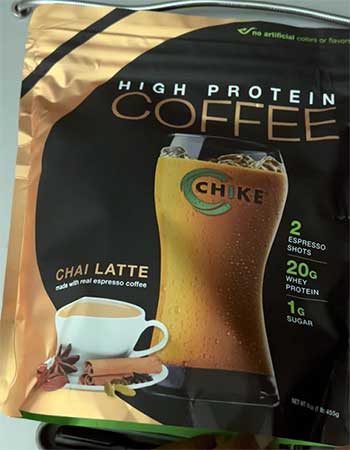
Let me take you back to when I first discovered Chike Protein Coffee.
It was one of those hectic mornings where I was rushing out the door, coffee in one hand and a protein bar in the other, feeling like I was shortchanging myself on both flavor and fuel.
A friend mentioned this product, and I thought, why not?
I ordered the mocha flavor first, figuring chocolate and coffee couldn’t go wrong.
When the package arrived, I was impressed by the simple, straightforward labeling—no flashy gimmicks, just promises of 20 grams of protein and two shots of espresso per serving.
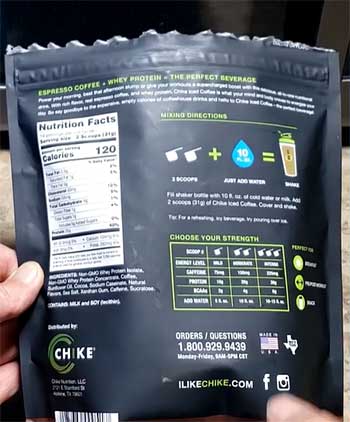
The next day, I mixed it up. I grabbed my shaker bottle, added about 10 ounces of cold almond milk as suggested, dumped in a scoop, and gave it a vigorous shake. No blender needed, which was a relief since I’m not one for extra kitchen gadgets in the morning.
The result?
A creamy, frothy drink that looked just like something from my favorite cafe. I took that first sip, and wow—you know that moment when something exceeds your expectations?
The mocha taste was rich and indulgent, with a genuine coffee bitterness balanced by subtle chocolate notes. It didn’t have that artificial sweetness I hate in some protein drinks; instead, it felt authentic, like a treat I deserved.
I drank it on my commute, and by the time I got to work, I felt this steady energy flowing through me. No jitters, just focused and ready to tackle emails and meetings. Usually, I’d crash around 10 a.m. and reach for snacks, but not this time.
The protein kept me full until lunch, which was a big win since I’m always trying to manage my portions. Over the next week, I experimented with flavors—vanilla in hot water for a warmer version, caramel over ice for afternoons.
Each one mixed smoothly, no clumps or chalky residue, which has been an issue with other powders I’ve tried.
One standout moment was during a weekend hike. I prepped a vanilla Chike in my thermos, and it became my post-trail reward. The caffeine gave me that extra push on the uphill, and the protein helped my muscles recover without feeling heavy. I’ve shared it with you in mind—imagine starting your day feeling this empowered.
Sure, it’s a bit pricier than basic coffee, but the convenience and benefits make it worthwhile.
After a month, I’ve noticed better sustained energy and fewer cravings, which aligns with how I approach my wellness analytically: measuring what works by how it impacts my daily performance. If you’re skeptical, start with a sampler pack; it’ll hook you just like it did me.
Also Read: Is Koia Protein Drink Worth It?
Pros of Chike Protein Coffee
I’ve put Chike through its paces, and from an analytical standpoint, its strengths shine in real-world use. Let’s break down what makes it stand out.
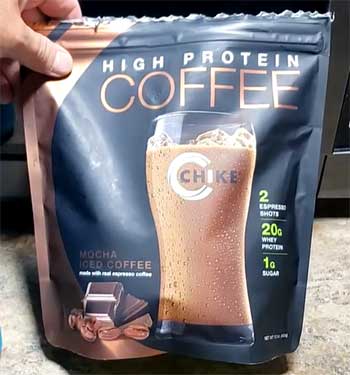
- Impressive Protein Boost for Daily Needs You and I both know protein is key for staying full and supporting muscle health. Each serving packs 20 grams of whey protein, a mix of isolate and concentrate that’s easy on the stomach and absorbs quickly. In my experience, this helped curb mid-morning hunger pangs better than regular coffee ever could. Analytically, that’s because whey is complete, with all essential amino acids, making it ideal if you’re active or just aiming for balanced nutrition. Think about it—sipping this means you’re hitting protein goals without extra meals, which simplifies life tremendously.
- Real Espresso Flavor That Tastes Authentic What sets Chike apart is the genuine espresso—two shots worth, delivering that bold coffee taste without fakeness. I’ve compared it to cafe drinks, and it holds up, especially in flavors like mocha or caramel. You get that rich aroma and depth, not some watered-down version. From a practical angle, this makes mornings enjoyable; no more forcing down bland shakes. It’s conversational fuel too—imagine chatting with friends about how your coffee actually tastes like coffee while packing nutrition.
- Low Sugar and Carb Profile for Health-Conscious Choices With only 1 gram of sugar and low carbs, this fits seamlessly if you’re watching your intake. I appreciate how it avoids blood sugar spikes, keeping energy steady. Analytically, sucralose sweetens without calories, which is smart for those like us avoiding excess sweets. You can mix it with milk or water, and it still feels indulgent without guilt—perfect for maintaining balance in a busy schedule.
- Convenient and Versatile Preparation Options Mixing is effortless; a shaker or spoon does the trick, hot or cold. I’ve made it iced for summer runs or warm for cozy evenings, and it adapts well. This flexibility means you can integrate it anywhere—travel, office, home. From my trials, it dissolves without lumps, saving time and frustration compared to clumpy alternatives.
- Energy Sustain Without the Crash The 150mg caffeine combines with protein for smooth, lasting alertness. I felt focused for hours, not jittery. Analytically, protein slows caffeine absorption, preventing peaks and valleys. If you’re like me, juggling tasks, this duo keeps you productive without needing extra cups.
Cons of Chike Protein Coffee
No product is perfect, and analytically, I’ve noted areas where Chike could improve based on my use and comparisons.
- Higher Price Point Compared to Basic Options You might notice it’s pricier than plain coffee or generic protein—around $2-3 per serving. In my budget, that adds up if used daily. While the quality justifies it, if you’re cost-sensitive like many of us, it could feel steep initially. Think twice if experimenting; start small to see if it fits your wallet.
- Limited Availability in Some Areas Not everywhere stocks it; I had to order online, which means waiting for delivery. If you prefer grabbing from stores, this could frustrate. Analytically, broader distribution would help, but for now, plan ahead to avoid running out mid-week.
- Potential for Mild Digestive Adjustment Whey can cause minor bloating if you’re lactose-sensitive, though it’s mostly isolate. I experienced this briefly at first, but it settled. If your stomach is picky, test with half servings. You might need to pair it with food initially.
- Flavor Intensity Varies by Preference Some find certain flavors too sweet or bold; my vanilla was milder, but mocha overwhelmed if not diluted. Analytically, taste is subjective, so samplers are key. If you like subtle coffee, adjust ratios.
- Caffeine Sensitivity Concerns At 150mg, it’s potent—fine for me, but if you’re caffeine-light, it might overstimulate. Monitor how it affects you, especially later in the day.
Tips For Chike Protein Coffee
Keeping your Chike fresh and effective is straightforward, but let’s talk through it analytically to maximize value.
- Storage for Optimal Freshness Store the bag in a cool, dry spot away from heat or moisture. I keep mine in a pantry cabinet, resealing tightly after each use. This prevents clumping and preserves flavor—analytically, exposure to air oxidizes the espresso, dulling taste over time. Aim for use within a month once opened.
- Mixing Techniques to Avoid Clumps Use cold liquid first for best results; warm water can cause lumps. I shake vigorously for 30 seconds or stir briskly. If blending, add ice for creaminess. You can experiment with milks—almond for lightness, dairy for richness—to suit your taste.
- Portion Control for Consistent Benefits Stick to one scoop per serving to balance protein and caffeine. I measure accurately to avoid overdoing it. Analytically, this ensures steady intake without excess, helping track nutrition if you’re logging meals.
- Cleaning Your Gear Regularly Rinse shakers immediately after use to prevent residue buildup. I wash mine daily with warm soapy water. This keeps things hygienic and maintains flavor purity—no off tastes from old buildup.
- Incorporating into Routines Mindfully Rotate flavors to avoid boredom; I switch weekly. Pair with meals if needed for digestion. Analytically, monitor how it fits your day—adjust timing if caffeine affects sleep.
Comparison of Chike Protein Coffee With Other Brands
Now, let’s compare Chike analytically to competitors, focusing on what matters to you and me in daily use.
- Chike Vs. Wakers Happy Coffee
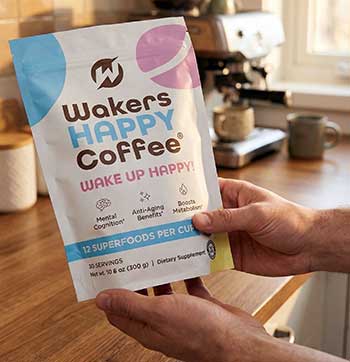
When I pit Chike against Wakers Happy Coffee, the big difference jumps out in their focus areas.
Chike is all about that protein punch—20 grams of whey per serving to keep you full and support muscle recovery, which has been a lifesaver for me during busy days.
Wakers, on the other hand, leans into mood-boosting superfoods like cinnamon, turmeric, ginger, and panax ginseng, aiming to spark serotonin and dopamine for that “happy” vibe.
It’s got a mocha-like chocolate flavor from cocoa, which you might enjoy if you’re after something indulgent, but it lacks the protein depth.
Caffeine-wise, Chike’s 150mg from real espresso gives a bolder kick compared to Wakers’ mix of 60mg from coffee plus anhydrous caffeine, totaling around 165mg, but I’ve found Chike’s energy feels steadier without the extra herbal buzz that Wakers brings.
Taste?
Chike mixes creamy and authentic, while Wakers has that spiced, earthy note from its ingredients—great if you want anti-inflammatory perks, but it might feel more like a wellness tonic than a true coffee fix.
Analytically, if your goal is sustained fuel with protein, Chike edges out; Wakers suits you better for a gentle, feel-good start without the muscle-building emphasis. Price per serving is similar, but Chike’s versatility in hot or cold prep gives it more edge in my book.
- Chike Vs. Long Run Coffee

Switching gears to Long Run Coffee, this one’s tailored for active folks like runners, infusing electrolytes such as potassium, magnesium, calcium, and sodium into organic beans for hydration alongside caffeine.
I appreciate how it hydrates while energizing—no added sugar or calories, which keeps things clean.
But compared to Chike, it misses the protein entirely; Long Run’s about 95mg caffeine per serving is milder than Chike’s 150mg, making it less of a jolt if you need that morning push.
In my experience, brewing Long Run as whole beans or ground gives a rich, chocolatey aroma with flavors like banana or sugar cookie, but it’s more of a traditional drip coffee setup, requiring a grinder or brewer, whereas Chike’s powder mixes instantly in a shaker for on-the-go convenience.
You get that electrolyte boost with Long Run to prevent cramps during workouts, which Chike doesn’t offer, but analytically, Chike’s whey protein helps with post-exercise recovery in a way electrolytes alone can’t match.
Taste profiles differ too—Long Run is smooth and full-bodied without artificial notes, appealing if you prefer black coffee, while Chike’s flavored options like caramel add creaminess.
If you’re training hard and value hydration, Long Run complements your runs nicely; for overall nutrition and quick prep, Chike has been my go-to for feeling fueled longer without extra gear.
- Chike Vs. SToK Cold Brew Coffee
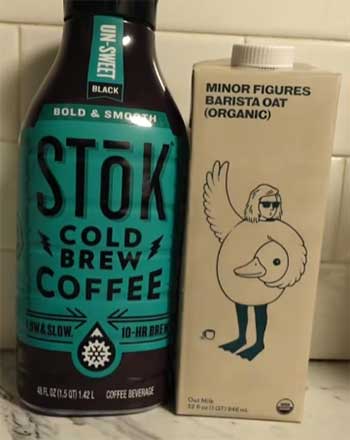
Finally, let’s talk Chike versus SToK Cold Brew.
SToK comes ready-to-drink in bottles, which is super convenient for grabbing from the fridge—no mixing required.
It’s brewed low and slow with Arabica beans, offering varieties like unsweetened black or not too sweet, with about 125mg caffeine per 12oz serving.
That smooth, bold taste without acidity is what draws me in sometimes, especially on hot days.
However, SToK is straight coffee—no protein, just the brew, maybe with a bit of cane sugar in flavored ones.
Chike transforms that into a nutritional powerhouse with 20g protein, turning your sip into a meal replacement that keeps hunger at bay, something I’ve noticed makes a real difference in my energy levels.
Analytically, SToK’s larger bottle sizes mean you can pour as needed, but Chike’s powder lets you customize strength and add-ins like milk for creamier results. Flavor-wise, SToK delivers that classic cold brew richness, but Chike’s espresso base with options like mocha feels more cafe-like and indulgent without extra calories.
If you’re caffeine-sensitive, SToK’s slightly lower dose might suit you better, but for combining coffee with protein goals, Chike outperforms in versatility and satiety. Both are accessible, but Chike’s mixability wins for travel or office use in my trials.
Overall, these matchups show Chike’s strength in blending protein with authentic coffee, setting it apart if that’s what you prioritize.
Frequently Asked Questions (FAQ)
Yes, it can support weight loss with 20g protein per serving to promote fullness and muscle maintenance, plus low sugar to avoid spikes. Combined with a balanced diet, the caffeine may boost metabolism slightly.
Absolutely, as it combines caffeine for energy with protein for satiety and repair. It’s a convenient way to increase daily protein without extra calories, beneficial if you skip breakfast, but moderation is key.
Yes, each serving contains 150mg of caffeine from real espresso, equivalent to two shots.
Chike often tops ratings for its authentic taste and smooth mix, praised in reviews for no chalky aftertaste and effective energy-protein combo, edging out competitors like Super Coffee or Javy.
Wrapping Up: Make Chike Protein Coffee Yours Today
In summary, Chike Protein Coffee has transformed my mornings with its blend of taste and nutrition. You won’t regret adding it to your cart—it’s the smart choice for sustained energy and wellness.
Give it a shot; your body will thank you.