
When I first started tackling tile projects around the house, I quickly realized that choosing between cementitious grout and epoxy grout could make or break the whole look and longevity of my floors and walls.
After trying both in different rooms over the years, I decided to share everything I’ve learned to help you avoid the mistakes I made early on.
In this piece, I’ll compare the two head to head, covering their strengths, weaknesses, and real-world performance so you can confidently select the best option for your space.
| Aspect | Cementitious Grout | Epoxy Grout |
| Composition | Portland cement, sand, water, and additives | Resin and hardener blend, no cement |
| Cost | Much lower, budget-friendly | Significantly higher |
| Water Resistance | Moderate, requires sealing | Excellent, inherently waterproof |
| Stain Resistance | Prone to absorbing dirt and colors | Highly resistant, easy to clean |
| Installation Difficulty | Beginner-friendly, forgiving | More complex, needs precision and speed |
| Durability | Solid for low-traffic areas | Superior in high-moisture and heavy-use zones |
| Maintenance | Needs periodic sealing and cleaning | Minimal, no sealing required |
| Color Options | Wide range, easy to match | Fewer but stay vibrant longer |
| Flexibility | More flexible, handles minor movement | Rigid, less forgiving of substrate shifts |
| Best For | Dry floors, walls, porous tiles | Showers, countertops, kitchens, bathrooms |
Key Differences Between Cementitious Grout And Epoxy Grout
- Composition and How They Are Made
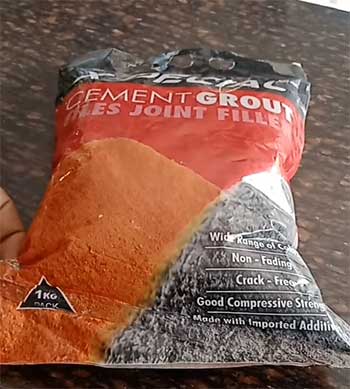
Cementitious grout starts with Portland cement mixed with fine sand and polymers that you blend with water right on the job site, giving it a thick, mortar-like consistency that feels familiar if you’ve ever worked with concrete.
I like how this setup lets me adjust the mix slightly for different tile gaps, but it also means the final product can vary based on how carefully I measure the water.
Epoxy grout, on the other hand, comes as two separate parts—a resin and a hardener—that you combine in exact ratios, triggering a chemical reaction that turns it into a rock-hard, non-porous material.
The process feels more like mixing epoxy for crafts than traditional grout, and once you start, you have a limited working time before it sets up fast. This fundamental difference affects everything from how it bonds to the tiles to how long it lasts in wet environments, which is why I always double-check the product labels before starting a job.
- Durability and Longevity in Real Homes
Over time, cementitious grout holds up well in low-traffic spots like living room floors where foot traffic is light and spills are rare, but I’ve seen it develop hairline cracks after a few years in areas with slight floor movement from seasonal humidity changes.
The sand particles give it some give, yet repeated exposure to water can weaken the cement binder. Epoxy grout shines here because its cured resin structure resists cracking and holds its shape even under heavy use or temperature swings.
In my own shower remodel, the epoxy lines still look brand new after daily use, while a nearby cementitious section on the same wall started showing wear after just eighteen months. You get years of worry-free performance with epoxy in demanding spots, but cementitious can require touch-ups sooner if your home sees constant activity.
- Water and Moisture Resistance
Cementitious grout absorbs moisture like a sponge unless you apply a good sealer right after it cures, and even then, the sealer wears off over time, leaving the joints vulnerable in bathrooms or outdoor patios.
I learned this the hard way when mold started growing in the grout lines of my first bathroom floor because I skipped a second sealing coat. Epoxy grout repels water completely from the moment it cures, creating a seamless barrier that prevents water from seeping behind tiles or into the subfloor.
This makes it the go-to choice for any area that stays damp, and I’ve noticed my epoxy-grouted kitchen backsplash never develops that damp, musty smell even after cooking greasy meals.
- Stain Resistance and Everyday Cleaning
With cementitious grout, stains from coffee, wine, or colored cleaners can penetrate the porous surface and become permanent if not wiped up immediately, forcing me to scrub harder or live with discolored lines.
The sanded versions are especially tricky because the texture traps dirt. Epoxy grout laughs at stains—its smooth, non-absorbent finish lets me wipe away messes with a quick swipe of a sponge and mild soap.
After installing it around my sink, I stopped worrying about red sauce splatters ruining the look, and the lines stay bright white or whatever color I chose for years without fading or yellowing.
- Ease of Installation for DIYers Like Me
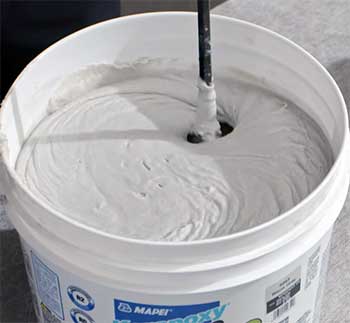
Cementitious grout mixes easily with a drill and paddle, spreads smoothly into joints with a float, and gives you plenty of working time to clean off the haze before it hardens.
I can tackle a whole room by myself without rushing, which saved me money on my basement renovation.
Epoxy grout demands faster work because the chemical cure starts immediately, and any excess left on the tile surface turns into a nightmare to remove once it sets.
You need gloves, precise timing, and sometimes a helper, so I only use it when I’m confident I won’t mess up the timing on smaller projects.
- Cleaning And Maintenance Requirements
Cementitious joints need regular sealing every one to two years and gentle cleaners that won’t etch the cement, otherwise the surface roughens and collects more grime. I’ve spent weekends reapplying sealer to keep my entryway floor looking fresh.
Epoxy grout skips all that—no sealing, no special cleaners, just normal household stuff keeps it spotless. The time I save on upkeep makes the higher upfront cost feel worthwhile for busy households.
- Flexibility and Ability to Handle Movement
Cementitious grout flexes a bit with minor shifts in the substrate, which prevented cracks in my older home with wooden floors that expand and contract.
Epoxy’s rigidity can lead to cracks if the tiles move even slightly, so I always make sure the subfloor is rock-solid before using it. This trade-off means cementitious suits flexible installations better, while epoxy excels where everything stays perfectly stable.
- Color Stability and Fading Over Time
Cementitious colors can fade or shift when exposed to sunlight or harsh cleaners, and the sand can make the hue look muted after a while. I’ve had to refresh the color in sunlit areas with tinted sealers.
Epoxy holds its pigment tightly thanks to the resin matrix, so the deep charcoal I picked for my countertop still pops like day one, even after years of direct light.
- Cost Breakdown for Typical Projects
Cementitious grout keeps the budget low—often just a few dollars per pound—and covers large areas without breaking the bank, which let me finish my entire laundry room for under fifty bucks. Epoxy costs three to five times more per square foot, but I factor in the reduced long-term repairs and it often pays for itself in high-end spaces.
- Suitability for Different Tiles and Surfaces
Cementitious works beautifully with porous natural stone like marble or handmade Saltillo because it breathes and doesn’t trap moisture inside the tile itself.
Epoxy can sometimes create too tight a seal for those materials, leading to trapped vapor issues, but it pairs perfectly with glass, porcelain, and polished surfaces where you want maximum protection.
Also Read: Ultimate Grout Calculator: Calculate Bags, Pounds & Coverage Area.
Key Features of Cementitious Grout And Epoxy Grout
- Cementitious Grout’s Standout Features
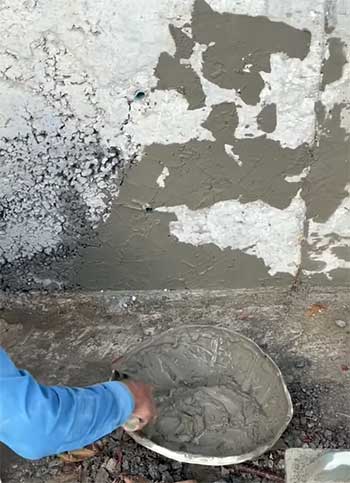
The main appeal for me is its user-friendly mixing process that lets even first-timers achieve professional-looking joints without fancy tools.
It comes in both sanded and unsanded versions so I can match the tile gap size perfectly—unsanded for narrow joints under one-eighth inch and sanded for wider ones that need extra strength.
The wide color palette helps me blend seamlessly with any tile shade, and its breathable nature prevents moisture buildup behind the tiles, which kept my vintage subway tile walls from developing hidden mold.
I also appreciate how it bonds well to most substrates without special primers, making it ideal for quick weekend updates around the house.
- Epoxy Grout’s Standout Features
What I love most is its built-in chemical resistance that stands up to acids, oils, and cleaning products that would destroy regular grout.
The non-porous finish creates a hygienic surface perfect for food-prep areas, and the fast cure time means I can walk on the floor the same day instead of waiting forty-eight hours. It offers a smooth, almost glass-like texture that feels premium underfoot, and the vibrant, consistent color doesn’t require touch-ups.
Plus, its superior adhesion locks tiles in place against daily wear, which is why I reach for it whenever I’m upgrading high-traffic zones like the main bathroom or kitchen island surround.
Also Read: Is Stanley Steemer Grout Cleaning Worth It?
Pros And Cons of Cementitious Grout And Epoxy Grout
- Pros of Cementitious Grout: Its affordability lets me tackle bigger projects without worrying about the material budget, and I’ve completed entire backsplashes for the price of one epoxy kit. The forgiving application window means I can fix mistakes on the fly, which saved my first big floor job from disaster when I accidentally floated too much grout. It handles minor substrate movement gracefully, reducing the chance of cracked tiles in homes with slight settling. The variety of colors and textures available makes matching existing decor simple, and its natural breathability works wonders with porous tiles that need to release trapped vapor. I also find cleanup straightforward with just water and a sponge before it sets, keeping the whole process less stressful for solo workdays.
- Cons of Cementitious Grout: The biggest headache is its tendency to stain and absorb liquids, forcing me to stay on top of spills or risk permanent discoloration that no amount of scrubbing fixes. Sealing becomes an ongoing chore that I sometimes forget, leading to mold growth in humid spots and extra maintenance costs over time. It wears faster in wet areas, showing efflorescence or powdery residue after a few seasons, and the sanded types can feel rough under bare feet in showers. Color fading happens faster than I’d like in sunny rooms, and the joints can collect dirt more easily, making weekly cleaning more involved than I prefer.
- Pros of Epoxy Grout: The unmatched stain and water resistance means my tiled surfaces stay looking showroom-fresh even after kids track in mud or I spill tomato sauce repeatedly. No sealing step simplifies the entire project timeline, and the durable finish withstands heavy cleaning without degrading. I get brilliant, long-lasting color that doesn’t yellow or dull, which keeps my white grout lines crisp in bright kitchens. The material’s strength locks everything together so tiles rarely loosen, and its chemical resistance handles everything from bleach to vinegar without etching. In high-moisture environments, it prevents hidden water damage that could ruin subfloors, giving me peace of mind every time I step into the shower.
- Cons of Epoxy Grout: The higher price tag adds up quickly on larger areas, sometimes making me hesitate before committing to a full room. Installation requires exact timing and technique, so mistakes like leaving haze on tiles turn into permanent eyesores that demand harsh chemicals or even replacement. The short working time stresses me out during bigger jobs, and the rigid nature can crack if the floor flexes even a little. Color choices are more limited, which restricts creative options compared to cementitious varieties, and the two-part mixing process creates waste if I mix too much at once. Cleanup of excess material before it cures is trickier and often needs special solvents that add another step to the project.
Maintenance Practices That Keep Both Types Looking Great
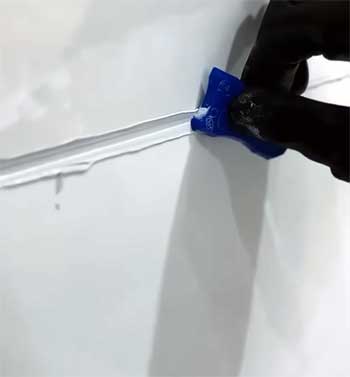
With cementitious installations, I mark my calendar every twelve months to inspect the joints and reapply sealer in high-use areas.
A pH-neutral cleaner keeps the surface from breaking down, and I avoid abrasive pads that scratch the sand particles.
For stubborn stains, I use a poultice made from baking soda and water rather than harsh chemicals that could weaken the cement.
Epoxy needs far less attention—just warm soapy water for routine wipes and occasional deep cleaning with a soft brush if soap scum builds up.
I steer clear of anything abrasive because the smooth surface scratches more noticeably than cementitious does, but overall I spend maybe five minutes a month keeping it pristine compared to hours on the other type.
When To Pick One Over The Other In Your Own Home?
If you’re renovating a guest powder room or dry hallway where budget matters and traffic stays light, cementitious grout gives you beautiful results without the premium price. I chose it for my living room floor and still love the natural look it provides.
But for any space that sees water, steam, or heavy spills—like the master shower, kitchen counters, or laundry area—epoxy’s performance justifies the extra cost and effort every single time. You save money long-term by avoiding repairs and cleaning hassles, and the peace of mind is worth it.
In outdoor patios or pool decks, I lean toward cementitious because it breathes better with temperature changes and won’t trap expanding moisture that could pop tiles loose. For indoor commercial-style spaces or homes with pets and kids, epoxy handles the mess and wear far better.
Also Read: Is ACTIVE Mold Stain Remover Worth It?
Frequently Asked Questions (FAQ)
It depends on your project. Cementitious grout works better for budget-friendly, low-moisture areas and DIY ease, while epoxy grout excels in wet, high-traffic spots for superior durability and stain resistance.
No, epoxy grout is resin-based and contains no cement.
It costs more and requires more skill and speed to install properly.
Cementitious grout works best for Saltillo tiles because it is breathable and compatible with their porous nature.
Final Thoughts
I’ve laid out all the facts from my own experiences installing both types across multiple rooms, and now it’s up to you to decide what fits your specific space, budget, and lifestyle best.
Whether you want simple affordability for a quick refresh or long-lasting performance that handles daily life without extra work, understanding these details helps you get professional results that last.
Pick cementitious when ease and cost matter most, or go epoxy when durability and low maintenance top your list—you’ll thank yourself every time you walk across those tiles.