
Cedar Vs. Hemlock Mulch: Which Mulch Lasts Longer And Helps Soil More?
I have spread both cedar and hemlock mulch across the same raised beds and pathway edges for several seasons, watching how each holds up once the spring rains hit and the summer heat follows.
The practical differences in how long each lasts, how it affects soil around plant roots, and how it handles insects show up clearly when you handle the material yourself.
This comparison covers the performance details that matter when you are deciding which bag or bulk load to bring home for your own yard.
| Aspect | Cedar Mulch | Hemlock Mulch |
| Typical Lifespan | Two to four years before full breakdown | One to two years |
| Soil pH Influence | Mildly acidic | Closer to neutral |
| Natural Pest Resistance | Strong aromatic compounds | Limited |
| Nutrient Release | Slow and limited | Steady as it breaks down |
| Texture | Coarser chips that stay loose | Often finer and more compacting |
| Best Use Cases | Paths, shrub borders, ornamental areas | Vegetable beds, annual flowers, moisture-sensitive plants |
| Relative Cost | Usually higher per cubic yard | Often lower |
| Scent | Distinctive and lasting | Mild or nearly absent |
Key Differences Between Cedar and Hemlock Mulch
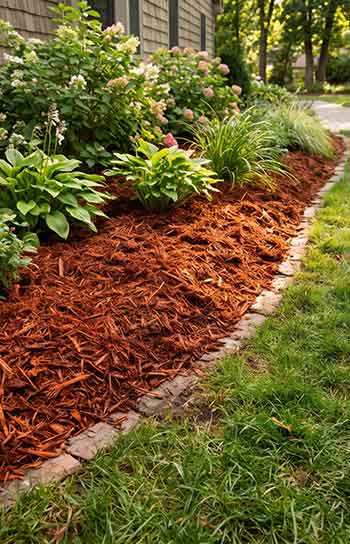
- Longevity under foot traffic and weather stands out first. Cedar chips resist breakdown because the wood contains natural compounds that slow decay. In my front walkway I applied a three-inch layer of cedar three springs ago and only needed a light top-dressing this year. Hemlock, by contrast, softens and darkens within a single growing season. After one winter the hemlock layer I put around the tomato cages had thinned enough that I could see bare soil in several spots by July. That difference changes how often you need to re-order and spread material.
- Aromatic oils create a second clear split. Cedar releases thujaplicin and related compounds that many insects find unpleasant. I noticed fewer ants tunneling through the cedar mulch around the foundation plantings than I saw in the hemlock section of the same bed. Hemlock lacks those strong oils, so it does not deter the same range of pests. The trade-off appears when you plant seeds directly into the mulch layer: cedar can slow germination of certain small seeds, while hemlock rarely interferes.
- Soil chemistry shifts at different rates. Cedar tends to keep the surface slightly more acidic for longer because it decomposes slowly. In my blueberry border that acidity is welcome, yet the same mulch around the hydrangeas required a light lime dusting the second year. Hemlock moves toward neutral more quickly and contributes organic matter as the fibers break apart. After two seasons the soil under the hemlock felt softer and darker when I pulled back the remaining layer, while the cedar zone stayed firmer and lighter in color.
- Moisture behavior diverges once the surface dries. Cedar chips create air pockets that let water pass through and then hold it lower in the profile. After a heavy rain the cedar path stayed walkable within a day. Hemlock can mat together, especially the finer grades, and hold water near the surface longer. That helps during dry spells but can leave the top inch soggy if you water heavily or receive frequent showers. I watched the hemlock around the lettuce stay damp three days longer than the cedar side of the same row.
- Appearance and handling change the look of the bed over time. Fresh cedar keeps a reddish-brown tone that fades slowly to gray-brown. Hemlock starts darker and turns nearly black as it ages. When I raked both materials in early fall, the cedar still looked uniform while the hemlock had settled into uneven patches that needed raking and topping. The coarser cedar also stays where you place it better on slopes; hemlock can wash or blow more easily until it settles.
Also Read: My Experience With Rubberific Mulch.
Key Features of Cedar Mulch
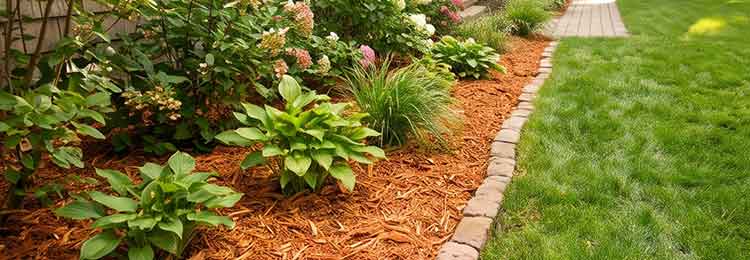
- Natural compounds that discourage certain insects and some small mammals form the most talked-about trait. The same oils that give cedar its scent continue to release for months after spreading. In my experience the effect is strongest in the first season and gradually lessens, yet I still saw fewer sow bugs and ants compared with untreated areas.
- Slow breakdown means the layer maintains thickness without constant replenishment. A properly applied three-to-four-inch depth often lasts through two full growing seasons and part of a third before it needs renewal. That reduces the labor of moving new material each spring.
- Coarse texture creates stable coverage that resists compaction under light foot traffic. The chips do not form a hard crust, so water and air continue to reach the soil. I used cedar on a secondary path and never saw the slick surface that appears with some finer mulches after rain.
- Mild acidity suits acid-loving plants when you want that condition to persist. Blueberries, azaleas, and rhododendrons in my yard have shown steady growth under cedar without the rapid pH rise that occurs under faster-decomposing materials.
- Color holds longer than many hardwood options, giving beds a consistent look through the first year. The reddish cast remains noticeable even after several months of sun and rain, which matters if the mulch is part of the visible landscape design.
Pros of Cedar Mulch
- Extended coverage reduces the number of times you must order, haul, and spread new material. In my own schedule that meant one major mulching weekend every other year instead of an annual project. The time saved compounds if you manage several beds.
- Insect deterrence provides a passive layer of protection without sprays. Around the base of shrubs I saw fewer problems with certain boring insects and surface feeders during the first two seasons. The effect is not absolute, yet it lowered the pressure compared with bare soil or untreated mulch.
- Stable structure under moderate traffic keeps paths and borders looking neat. The chips do not turn to mud or wash into low spots as quickly as finer materials. After a weekend of heavy rain the cedar path still supported foot traffic without leaving deep footprints.
- Slow nutrient release avoids sudden flushes of nitrogen that can encourage excessive leafy growth at the expense of flowers or fruit. Plants under cedar maintained steady, balanced growth rather than the rapid spurts I sometimes saw under faster-decomposing mulches.
- Attractive color and texture enhance the finished look of ornamental plantings for a full season or longer. Visitors often commented on the neat appearance of the cedar-edged beds even late in the year.
Cons of Cedar Mulch
- Higher upfront cost can limit how much area you cover in a single season. When bulk prices differ by a noticeable margin, the decision to use cedar on every bed becomes harder on a fixed budget. I reserved it for the higher-visibility areas and used hemlock elsewhere.
- Potential to slow germination or early growth of some small-seeded plants requires extra care. I learned to keep cedar a few inches away from newly sown rows or to use a lighter layer until seedlings were established. Certain herbs also seemed slower to fill in under fresh cedar.
- Limited soil enrichment means you still need other sources of organic matter if your beds are depleted. Because the chips break down so slowly, they do not replace the compost or aged manure I add each year. Relying on cedar alone left the soil structure unchanged after two seasons.
- Strong scent can be unpleasant for some people when the mulch is fresh and close to outdoor living spaces. The aroma faded after a few weeks in my yard, yet the first month near the patio required open windows and patience.
- Mild acidity may require monitoring and occasional adjustment for plants that prefer neutral or alkaline conditions. Hydrangeas that I wanted pink shifted color more slowly under cedar, and I added a light application of garden lime the second spring.
Also Read: My Experience With Lockscape Sticky Mulch.
Key Features of Hemlock Mulch
- Moderate decomposition rate supplies organic matter to the topsoil without the long delay seen in cedar. Within a single season the lower fibers begin to darken and soften, feeding soil life as they break apart. In my vegetable beds the soil under hemlock felt richer by the end of the second year.
- Near-neutral pH makes it compatible with a wide range of garden plants. Tomatoes, peppers, beans, and most annual flowers showed no signs of stress from the mulch itself. I did not need to adjust pH as often as I did in the cedar sections.
- Finer texture, common in many hemlock products, packs lightly around small plants and seedlings. It forms a continuous cover that reduces weed germination while still allowing water to reach roots. Around my lettuce and spinach the coverage stayed even without large gaps.
- Lower cost per cubic yard in most local markets lets you cover larger areas on a tighter budget. When I compared bulk prices last spring, hemlock ran noticeably less than cedar for the same volume, which made it practical for the full length of the vegetable rows.
- Mild scent avoids the strong aroma some gardeners find overpowering. The material smells like ordinary wood once it has been outside for a few weeks, so it does not dominate the air near seating areas or open windows.
Pros of Hemlock Mulch
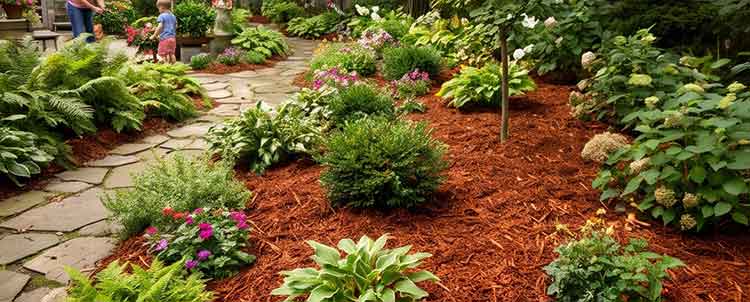
- Faster contribution of organic matter improves soil structure in beds that need it. After two seasons the top few inches under hemlock were easier to dig and held moisture more evenly than the cedar zones. That benefit showed up when I transplanted seedlings the following spring.
- Compatibility with most vegetables and flowers removes the need to match mulch chemistry to specific plants. I could use the same product across mixed beds without worrying about pH swings or growth suppression. Germination of direct-sown crops remained reliable.
- Lower purchase price stretches a fixed landscaping budget across more square footage. Covering the full vegetable garden and two flower borders cost less with hemlock than it would have with cedar, leaving room in the budget for other supplies.
- Easier spreading around delicate seedlings because the material is often finer and lighter. I could work it carefully between young plants without crushing stems or burying crowns. The layer settled quickly into place after watering.
- Reduced risk of allelopathic effects means fewer concerns when planting seeds or setting out transplants directly into the mulched area. I never observed delayed emergence that I sometimes saw in the cedar sections.
Cons of Hemlock Mulch
- Shorter lifespan means more frequent replenishment and higher long-term labor. By the end of the second season most of my hemlock layer had broken down enough that weeds began to appear in thin spots. Planning for an annual top-dressing becomes part of the routine.
- Weaker pest resistance leaves plants more exposed to insects that cedar would discourage. I saw more surface activity from certain beetles and slugs in the hemlock beds during wet periods. Additional measures such as hand-picking or barriers were needed in those areas.
- Tendency to compact or mat in finer grades can reduce air exchange at the soil surface if the layer is too thick. In one low spot the hemlock held water longer than I preferred, and I had to rake it open after heavy rain to prevent sogginess around plant crowns.
- Faster breakdown can create a temporary nitrogen demand as soil microbes consume the carbon-rich material. In beds that already had low fertility I noticed slightly slower early growth until I added a light side-dressing of compost. The effect was mild but measurable.
- Darker color and quicker fading can make the bed look less uniform by mid-season. Once the hemlock darkened and settled, thin patches became more obvious and required more frequent raking to maintain an even appearance.
How I Apply Each Mulch in Practice?
I keep the depth between two and four inches for both materials and pull the mulch back a few inches from plant stems and trunks.
For cedar on paths I go closer to four inches because the coarser chips settle less. Around vegetables I stay nearer three inches with hemlock so water reaches the roots without pooling. I water the bed thoroughly before spreading, then water again lightly after the mulch is in place to settle it.
In spring I check both areas and add only enough new material to restore the original depth rather than burying the old layer completely. That approach has kept the soil active and reduced the total volume I need to move each year.
Also Read: Yards of Mulch Calculator.
Frequently Asked Questions (FAQ)
Avoid fresh cedar right next to newly sown small seeds or around plants known to be sensitive to aromatic oils until the seedlings are well established. Also skip it if your soil is already quite acidic and you grow plants that prefer neutral conditions.
It breaks down faster so you replace it more often, offers less natural insect deterrence, and can mat or hold surface moisture longer in fine grades during wet weather.
It depends on the job. Hemlock improves soil more quickly and costs less, while cedar lasts longer and deters more pests. Neither is universally better; each fits different beds and budgets.
For most mixed gardens hemlock or other neutral, moderately decomposing materials support soil life without strong chemical effects. Cedar remains healthy for acid-loving plants and low-traffic ornamental areas when used at proper depth and kept away from sensitive seedlings.
Wrapping Up
After several seasons of side-by-side use I still keep both materials on hand because each solves a different problem in the same yard. You will get the best result by matching the mulch to the plants and the amount of time you want to spend replenishing it.
Measure your beds, check local bulk prices, and start with the option that addresses your biggest current issue—whether that is longevity, soil building, or pest pressure. The difference becomes obvious once the first season of weather has passed over the layer you spread.