
I recently spent weeks comparing blinds and Roman shades for the windows in my home after realizing my old treatments no longer suited the light and privacy needs in each room.
I tested samples of both, measured light filtration, and noted how each one handled daily use so I could give you a clear, practical breakdown of what works best depending on your priorities.
By the end of this comparison you will know the main differences, features, advantages, and drawbacks so you can choose confidently for your own space.
| Aspect | Blinds | Roman Shades |
| Light Control | Adjustable slats give precise tilt for full light or complete dark | Fabric layers or liners offer solid but less adjustable control |
| Privacy | Excellent when closed, with options for bottom-up styles | Strong when lowered, especially with blackout liners |
| Aesthetic | Clean, modern lines that suit contemporary rooms | Soft, fabric folds that add texture and warmth |
| Material Options | Vinyl, aluminum, wood, faux wood, bamboo | Cotton, linen, polyester blends, blackout fabrics |
| Stacking/Storage | Compact when raised, slats stack neatly | Fabric gathers into neat folds at the top |
| Durability | Highly resistant to moisture and wear in many materials | Fabric can fade or collect dust over time |
| Energy Efficiency | Good insulation with cellular or insulated options | Excellent with lined or thermal fabrics |
| Cleaning | Easy wipe-down for hard materials | Requires vacuuming or occasional professional clean |
| Cost Range | Generally more affordable across most styles | Often higher due to fabric and custom sizing |
| Child Safety | Cordless and wand options available | Cordless and motorized options common |
Key Differences Between Blinds and Roman Shades
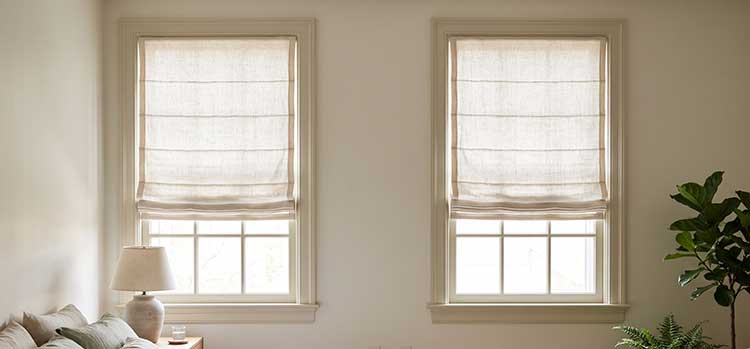
- Operation and light management stand out immediately once you live with both. Blinds let you tilt individual slats so you can redirect sunlight without fully raising or lowering the entire treatment, which I found useful on bright afternoons when I still wanted a view outside. Roman shades move as a single unit, stacking into even folds that either block or allow light based on the fabric density and any liner you choose. That all-or-nothing movement feels more deliberate and suited rooms where I preferred a softer transition between open and closed.
- Visual weight and texture create another clear split. Blinds present hard, linear edges that keep a room looking crisp and uncluttered, especially in smaller spaces or offices where I wanted the windows to recede. Roman shades introduce soft horizontal gathers that catch light differently and add a layered, fabric presence that can make a room feel more finished without needing extra curtains. In my living room the shades softened the hard lines of the furniture in a way the blinds never quite matched.
- Maintenance habits diverge based on materials. Most blinds wipe clean with a damp cloth or duster because their surfaces stay rigid and non-absorbent, which mattered in my kitchen where cooking residue settled quickly. Roman shades collect dust in their folds and may need more frequent vacuuming or spot cleaning, particularly if you choose lighter fabrics that show every speck. I noticed this difference within the first month of side-by-side testing.
- Customization and sizing flexibility also separate them. Blinds come in standard widths more readily and often allow you to mix slat sizes or add side channels for tighter fits. Roman shades are frequently custom-ordered to exact window dimensions and can incorporate patterned fabrics or decorative trims that blinds rarely offer at the same level. When I measured an irregular bay window, the shade option required more precise planning while the blinds adapted with less hassle.
- Insulation performance shows measurable differences in practice. Cellular blinds trap air in their pockets and reduce heat transfer effectively, yet Roman shades with thermal liners create a more continuous fabric barrier that I found better at blocking drafts along the edges of older windows. Both improve energy use compared with bare glass, but the shade’s solid coverage sealed more consistently in my tests.
- Child and pet safety features exist for both, yet the mechanisms differ. Cordless blinds eliminate dangling cords entirely and raise with a simple push or wand, while Roman shades often use similar cordless or motorized systems that lift the fabric in controlled sections. I prioritized cordless versions in rooms where kids play, and both styles delivered that peace of mind once installed.
Also Read: Comparison of Zebra Blinds And Cellular Shades.
Key Features of Blinds
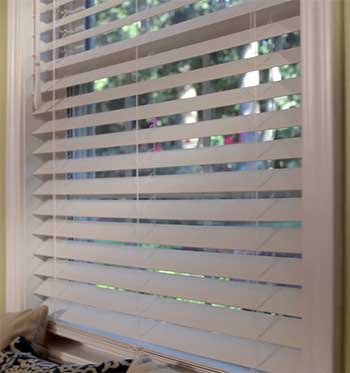
- Adjustable slats form the core advantage I relied on daily. You can angle them to block direct sun while still allowing ambient light, or close them completely for darkness and privacy without raising the whole unit. In my home office this meant I could reduce glare on the screen without turning on extra lights.
- Material variety covers almost any environment. Vinyl and aluminum resist humidity in bathrooms and kitchens, wood and faux wood bring warmth to living areas, and bamboo adds a natural texture that holds up outdoors on covered patios. I mixed materials across rooms and each held up according to its intended use.
- Compact stacking keeps the window clear when open. Raised blinds occupy little vertical space at the top, preserving the full view and maximizing natural light when you want it. This proved especially helpful on my larger windows where I disliked anything that reduced the glass area.
- Light-filtering and blackout options exist within the same product line. Perforated or mini-slat designs soften light, while solid slats or dual-layer cellular styles block it almost entirely. I switched between styles depending on whether the room needed soft morning light or full sleep-friendly darkness.
- Easy integration with smart home systems appears across many brands. Motorized blinds respond to voice commands or schedules, raising and lowering without manual effort. After adding them to my bedroom I stopped thinking about the windows at all and simply enjoyed consistent conditions.
- Cost-effective coverage for multiple windows remains realistic. Standard sizes and durable materials keep the overall project affordable even when treating an entire house, which allowed me to update more rooms than I originally budgeted.
Pros of Blinds
- Precise light control lets you fine-tune the room throughout the day without committing to fully open or closed. I adjusted the angle multiple times while working and never lost the outdoor view completely, something the shades could not match.
- Durability in high-moisture or high-traffic areas exceeds most fabric options. Vinyl and aluminum versions in the bathroom and mudroom wiped clean after spills and humidity without warping or staining. After two years those blinds still look nearly new.
- Lower initial cost makes whole-house projects more approachable. I covered six windows with quality faux-wood blinds for less than the price of three custom Roman shades, leaving budget for other upgrades.
- Minimal visual intrusion keeps modern or minimalist rooms feeling open. The slim profile and neutral finishes disappeared against the walls when raised, which suited my contemporary kitchen where I wanted the focus on the countertops and appliances.
- Simple cleaning routines save time. A quick pass with a microfiber duster or damp cloth handled dust and fingerprints, and I never needed special tools or professional help. This convenience mattered on busy weekdays.
- Wide availability of cordless and child-safe designs meets current safety standards without extra cost in many cases. I installed wand-operated versions in the playroom and felt confident leaving the windows unattended.
Cons of Blinds
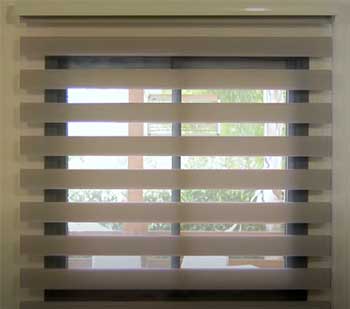
- Hard surfaces can feel cold or institutional in softer, traditional rooms. The linear edges did not blend as naturally with my upholstered furniture and rugs, making the space feel slightly less inviting until I added other textiles.
- Limited texture options restrict decorative flexibility. While materials vary, the overall look stays geometric, so matching a patterned sofa or adding visual interest required other elements in the room. Roman shades handled that matching more easily.
- Noise from slats can occur when they are tilted or when air moves through an open window. The light tapping sound became noticeable in quiet evenings, especially with aluminum versions, and required me to leave them fully closed or fully open to avoid it.
- Potential for light gaps along the sides exists unless you choose specialized side channels or inside mounts with tight tolerances. In my older windows a thin strip of light sometimes showed at the edges until I adjusted the mounting.
- Replacement parts may be needed over time for mechanisms or broken slats. While rare with quality products, a single damaged slat required ordering a match, which took longer than simply spot-cleaning a fabric shade.
- Aesthetic aging can look dated if trends shift toward softer materials. Certain wood tones or wide slats that felt current a few years ago now read as more traditional, prompting me to consider updates sooner than expected.
Also Read: Is Stoneside Blinds And Shades Worth It?
Key Features of Roman Shades
- Soft fabric folds create a tailored, upscale appearance the moment they are installed. The horizontal gathers stack evenly and give windows a finished look that feels intentional rather than purely functional. Guests often commented on the texture before they noticed anything else about the room.
- Wide fabric selection lets you match existing décor precisely. Solid colors, subtle patterns, linen blends, or performance fabrics that resist stains all fit within the same operating system. I chose a textured linen for the dining area that complemented the table linens without overwhelming the space.
- Layering and lining options expand functionality. A single shade can include a light-filtering face fabric paired with a blackout liner, or thermal backing that improves insulation. This dual-purpose design meant one product handled both daytime privacy and nighttime darkness in my bedroom.
- Smooth, continuous operation feels quieter than many hard treatments. The fabric lifts and lowers in a single motion without the clicking of slats, which I appreciated in quiet spaces like the reading nook. Motorized versions raise almost silently on a timer.
- Custom sizing and design details accommodate unique windows. Inside mounts, outside mounts, and even shaped options for arched tops are common, and decorative elements such as contrast banding or trim can be added. My odd-sized kitchen window finally looked intentional once the shade was made to fit exactly.
- Energy-efficient fabrics and liners reduce heating and cooling costs. Tightly woven materials and insulating backings create a barrier that keeps rooms more stable in temperature. Over a season I noticed less temperature swing near the windows compared with the unlined blinds in another room.
Pros of Roman Shades
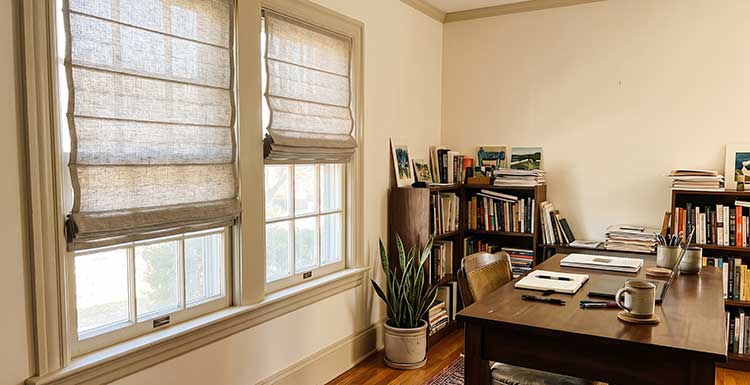
- Soft, fabric-based appearance adds warmth and dimension that elevates the entire room. The folds catch light beautifully and create subtle shadows that change throughout the day, giving my living room a more designed feel without additional décor.
- Excellent light-blocking capability with the right liner makes bedrooms truly dark. I slept better once the blackout-lined shade covered the east-facing window, eliminating the early sun that previously woke me.
- Versatile styling works across traditional, transitional, and even some modern interiors. The same shade style looked appropriate in my formal dining room and in a more casual family room simply by changing the fabric color and texture.
- Reduced visual clutter when stacked keeps the window area tidy. The neat horizontal folds sit compactly at the top and avoid the mechanical appearance some blinds present when raised.
- Strong insulation performance helps stabilize room temperature. Lined versions cut down on both summer heat gain and winter drafts along the glass, which lowered my energy use in the rooms where I installed them.
- Customization options allow exact color and pattern matching. I ordered a shade that echoed the subtle stripe in my curtains in another part of the house, creating continuity I could not achieve with standard blinds.
Cons of Roman Shades
- Higher cost for custom fabrics and sizing can strain a budget when treating multiple windows. The quotes I received for quality Roman shades ran noticeably above comparable blinds, forcing me to prioritize rooms rather than update everything at once.
- Fabric maintenance requires more attention to dust and potential staining. Folds trap particles, and lighter colors showed marks more readily, so I vacuumed them weekly and still considered professional cleaning after a year of heavy use.
- Less flexible light adjustment means you either have the shade mostly down or mostly up. Intermediate positions exist, yet they do not offer the fine tilt control of slats, so bright days sometimes forced a choice between too much light or too little view.
- Potential fading or wear on sun-facing fabrics appears over time. Even with UV-resistant materials, prolonged direct exposure lightened one shade slightly after two summers, requiring me to rotate or replace it sooner than the blinds in a similar location.
- Heavier operation on large windows can feel cumbersome without motorization. Manual versions on my wide living-room window required a firm pull, and I eventually added a motor for convenience.
- Limited suitability for very humid environments unless specialty performance fabrics are chosen. Standard textiles can retain moisture or develop mildew in poorly ventilated bathrooms, pushing me back toward vinyl blinds in those spaces.
Installation Considerations and Long-Term Care
Both treatments install with similar hardware, yet the process feels different once you handle the products.
Blinds often arrive ready to mount with brackets that screw into the window frame or wall, and I completed most installations in under an hour per window using basic tools.
Roman shades may require more precise leveling because the fabric must hang evenly to form consistent folds, so I double-checked measurements and sometimes used a helper for larger units. Inside mounts demand accurate width and depth readings for both, while outside mounts give more forgiveness if your windows are slightly out of square.
Long-term care follows the material. I wipe blinds monthly and inspect cords or mechanisms twice a year. For Roman shades I vacuum the folds every other week and spot-clean with a mild fabric solution when needed.
Motorized versions of either style reduce daily handling and extend the life of the materials by minimizing wear on the lift systems. In rooms with pets I chose more durable finishes and scheduled deeper cleanings seasonally to keep everything looking fresh.
Also Read: Is Graber Window Blinds Worth It?
Frequently Asked Questions (FAQ)
Many people find Roman shades more elegant because of their soft fabric folds and tailored appearance, while blinds offer a cleaner, more modern profile that suits contemporary spaces.
Roman shades can cost more, require more frequent dusting of their folds, and offer less precise light adjustment than slatted blinds.
No, blinds remain popular in 2027, especially cordless, motorized, and natural-material versions that fit current preferences for clean lines and practical function.
Martha Stewart often chooses Roman shades or tailored fabric treatments for their polished look and ability to complement interior design without the bulk of full curtains.
Wrapping Up
After living with both blinds and Roman shades I now match the treatment to the room’s primary use rather than forcing one style throughout the house.
You can do the same by weighing how often you adjust light, how much texture you want, and what your budget allows for the windows that matter most.
The features, differences, advantages, and limitations I tested should give you a practical foundation so your next window treatment decision feels straightforward and suited to the way you actually live.