
If you want an easy way to add more protein to your pasta dinners without forcing your family to eat something that tastes completely different, you should buy Barilla Protein Pasta.
It delivers the familiar comfort of classic pasta with a helpful boost from plant-based protein and fiber.
The swap feels natural, the price stays reasonable, and it fits right into weeknight routines or meal prep without extra hassle. I made the change a few months ago and it quickly earned a permanent spot in my pantry.
My Experience With Barilla Protein Pasta
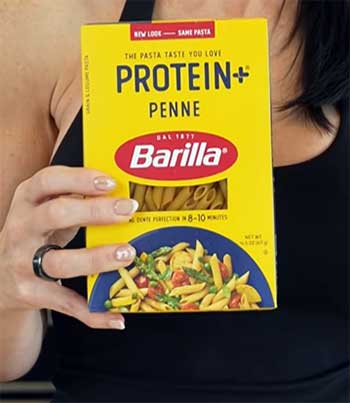
I grabbed a box of Barilla Protein+ Penne during a regular grocery run because I wanted something that could help me hit higher protein goals without turning every meal into a science project.
The box looked almost identical to the regular Barilla penne I usually buy, which already felt like a good sign.
When I got home I cooked it exactly like the package said, around eight minutes for that perfect al dente bite.
The water turned a light yellow color from the lentil and chickpea flours, but there was almost no foam compared to some other high-protein pastas I had tried before.
I tasted a few noodles plain right out of the pot. There was a tiny earthy note, almost like a faint nuttiness, but nothing strong or off-putting.
Once I tossed everything with a simple marinara and some ground turkey, the difference disappeared completely.
My family ate it without any comments or side-eye.
The kids cleaned their plates the same way they do with regular pasta, which told me everything I needed to know.
I stayed full noticeably longer than usual that evening, and I did not feel the typical carb crash an hour later. The next day I reheated leftovers for lunch with a little extra sauce. The texture softened a bit, but it still held together better than I expected and tasted good.
I have used it in several other dishes since then. It worked great with pesto and grilled chicken, held up nicely in a baked ziti, and even made a decent cold pasta salad when I needed something quick for a picnic.
The protein bump helped me feel more satisfied after each meal, and I did not have to add extra chicken or protein powder to compensate. Over a few weeks the boxes started disappearing faster than the regular pasta ever did.
It became my default choice whenever I wanted pasta that actually contributed something useful to the meal instead of just filling space on the plate.
What surprised me most was how little I had to change my cooking habits. No special timing, no weird rinsing steps, and no extra ingredients to mask flavor. It simply cooked like the pasta I already knew and loved, with a quiet upgrade in nutrition that added up over time.
After several months of regular use I can say it has made weeknight dinners and weekend meal prep both easier and more satisfying without any drama.
Pros of Barilla Protein Pasta
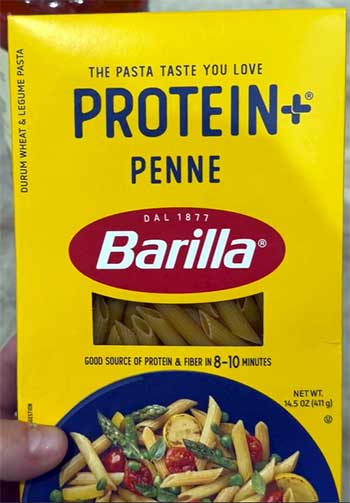
- More Protein And Fiber In Every Serving You get about 10 grams of protein and 5 grams of fiber in a standard 2-ounce dry portion, compared with roughly 7 grams of protein and 2 to 3 grams of fiber in regular semolina pasta. That extra protein supports muscle maintenance and keeps you feeling full longer after meals. The added fiber helps with digestion and steady energy. Over a week of regular pasta nights the difference adds up without any extra effort on your part.
- Taste And Texture Stay Comfortingly Familiar Most people who try it report that once sauce goes on, they cannot tell it apart from the regular version they grew up eating. The blend of semolina with lentil, pea, and chickpea elements creates a subtle nuttiness that stays in the background. This matters when you cook for kids or guests who expect pasta to taste like pasta, not like a health food project. You keep the al dente bite and sauce-clinging ability you already like.
- Easy Weeknight Swap With No Learning Required You cook it the same way you cook regular pasta, usually 7 to 9 minutes depending on the shape. No special rinsing, no extra steps, and no need to adjust your favorite recipes. Busy parents and anyone who wants dinner on the table fast appreciate that simplicity. It removes the barrier that stops many people from trying higher-protein alternatives.
- Better Satiety Without Extra Calories The combination of protein and fiber helps meals feel more satisfying, so you often eat a normal portion and stay full instead of reaching for seconds or snacks later. Many users, including me, notice they do not get the post-pasta slump as quickly. This makes it useful for anyone managing weight or simply wanting steady energy through the evening.
- Affordable And Widely Available A box usually costs about the same as regular premium pasta and shows up in almost every grocery store. You do not have to hunt it down online or pay a premium for the protein boost. That everyday price makes it realistic to use several times a week instead of saving it for special occasions.
- Versatile Across Many Dishes And Cuisines It works in everything from simple marinara to creamy Alfredo, baked casseroles, cold salads, and one-pot meals. The shapes hold up well under different cooking methods and pair nicely with both light and heavy sauces. You can keep using all your go-to recipes without hunting for new ones that mask strong legume flavors.
Cons of Barilla Protein Pasta
- Contains Gluten And Wheat Anyone with celiac disease or a strong gluten sensitivity cannot use it. The wheat base is exactly what gives it the classic taste and texture, so there is no gluten-free version in this line. If you need to avoid gluten you will need to choose a different brand.
- Protein Increase Is Modest Compared With Pure Legume Pastas While 10 grams per serving beats regular pasta, some chickpea or edamame options deliver 14 to 20+ grams. If your main goal is maximum protein per bite and you do not mind a stronger flavor or different texture, other choices may serve you better.
- Leftovers Can Soften More Than Fresh The texture stays excellent right after cooking but can turn a little softer when reheated or served cold the next day. It still tastes good, yet it does not hold the same firm bite as some sturdier legume pastas designed specifically for meal prep.
- Slight Earthy Note When Eaten Plain With very light sauces or just olive oil you might notice a faint legume flavor. Most people find it disappears completely under normal pasta sauces, but it is worth knowing if you prefer super neutral noodles.
Cooking Tips For Best Results Out of Barilla Protein Pasta
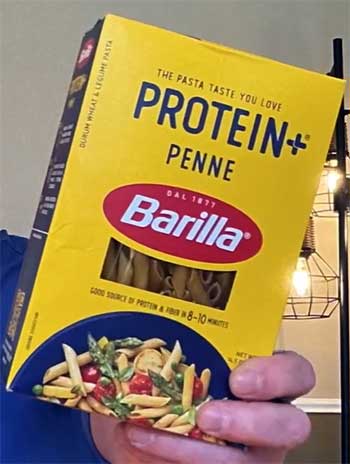
- Cook Al Dente And Taste As You Go Pull the pasta a minute early and check the texture. The protein and fiber help it stay firm, but overcooking can make it lose that pleasant chew faster than regular pasta. Al dente also supports better blood sugar response because the starches stay more resistant. Start checking at the lower end of the package time and adjust to your preference.
- Salt The Cooking Water Well A generous amount of salt in the boiling water enhances the overall flavor and helps balance any subtle earthy notes from the legume flours. It is the same technique you use for regular pasta, but it makes an even bigger difference here. Do not skip it if you want the cleanest taste.
- Pair With Protein, Fat, And Vegetables Turn the pasta into a balanced plate by adding grilled chicken, shrimp, beans, cheese, or plenty of vegetables. The extra protein and fiber in the noodles already help, and rounding out the meal keeps everything satisfying and steady. A drizzle of olive oil or a spoonful of pesto also improves mouthfeel and flavor.
- Store Dry Boxes Properly And Use Leftovers Quickly Keep unopened boxes in a cool, dry pantry away from direct light. Once opened, transfer what you do not use to an airtight container to maintain freshness. For leftovers, store them in the fridge and reheat gently with a splash of water or extra sauce to loosen the noodles. They taste best within a day or two.
- Experiment With Shapes For Different Meals Penne and rotini hold chunky sauces beautifully. Spaghetti works great with lighter olive oil or tomato sauces. Having a couple of shapes on hand lets you match the pasta to the dish instead of forcing one shape into every recipe. The cooking behavior stays consistent across the line.
How Barilla Protein Pasta Compares To Other Brands?
Barilla Protein Pasta keeps a large amount of traditional semolina and durum wheat in the mix, which lets it deliver the familiar taste and bite most people expect from pasta night. Many competing options go all-in on legumes or alternative flours, which changes both flavor and texture in noticeable ways.
- Barilla Protein Pasta Versus Banza Chickpea Pasta
Banza uses chickpeas as the main ingredient and delivers higher protein per serving along with being fully gluten-free. The texture comes out firmer and can feel a little grainy or dry if you overcook it even slightly.
Many people notice a distinct beany or earthy flavor that works well with bold sauces but stands out more with lighter preparations.
Barilla stays closer to classic pasta in both taste and mouthfeel, making it the easier choice when you cook for mixed crowds or picky eaters who already love regular noodles. Price-wise Barilla usually costs less per ounce and shows up in more stores.
- Texture And Cooking Performance Differences
Pure legume pastas like certain Banza or Explore Cuisine varieties often require more careful watching during boiling because they can turn mushy faster once they pass al dente. Barilla holds its shape reliably and gives you a wider window before it loses the pleasant chew.
The water stays clearer with less foaming, which means less stirring and less cleanup. When you want leftovers that still feel decent the next day, Barilla tends to reheat with better structure than many chickpea-only options.
- Value, Availability, And Family Friendliness
Higher-protein legume pastas frequently carry a bigger price tag and sometimes live only in specialty aisles or online. Barilla sits right next to the regular pasta on most shelves and usually rings up for two to three dollars a box.
That accessibility matters when you feed a household or want to stock up without thinking twice. For anyone trying to increase protein without turning dinner into an experiment or spending extra money, Barilla offers the simplest path that still feels like real pasta.
- Gluten Content And Dietary Fit
Because Barilla keeps wheat in the formula it works beautifully for people who tolerate gluten but want more protein and fiber.
Anyone following a strict gluten-free diet needs to look elsewhere, such as dedicated chickpea or lentil pastas. The trade-off is clear: Barilla sacrifices the gluten-free label to keep the taste and texture that most regular pasta eaters already enjoy.
Also Read: Is Yo Mama’s Pasta Sauce Worth It?
Frequently Asked Questions (FAQ)
It offers more protein and fiber than regular pasta, which helps with fullness and provides a more balanced meal. It still contains a similar amount of carbohydrates, so it works best as part of a varied diet with vegetables and other protein sources.
Yes, especially once you add sauce. Most people find the flavor nearly identical to classic semolina pasta, with only a very subtle difference when eaten plain.
It depends on your needs. Barilla excels when you want familiar taste and texture. Pure chickpea or lentil pastas can deliver higher protein and be gluten-free but often taste and feel different. The best choice matches your dietary priorities and what you actually enjoy eating.
It tends to cause a gentler rise than regular pasta because of the added protein and fiber. Cooking it al dente and pairing it with fat, protein, and vegetables further reduces any impact. Individual responses vary, so monitor how your body feels if blood sugar management is a priority.
Wrapping Up
If you want an effortless upgrade that adds protein and fiber while keeping pasta night exactly the way you like it, pick up Barilla Protein Pasta on your next shopping trip.
It has earned its place in my regular rotation, and I think it will in yours too.