
If you struggle with stubborn odors, chemical sensitivities, allergies that just will not quit, or air that never feels truly fresh no matter how often you clean, you should buy the Austin Air Purifier.
I put the HealthMate model through months of real daily use in my home, and it delivered the kind of noticeable difference that cheaper units never managed.
This is not another gadget that promises the world and fades after six months. It is a serious machine built for people who need serious results.
My Experience Using The Austin Air Purifier Every Day
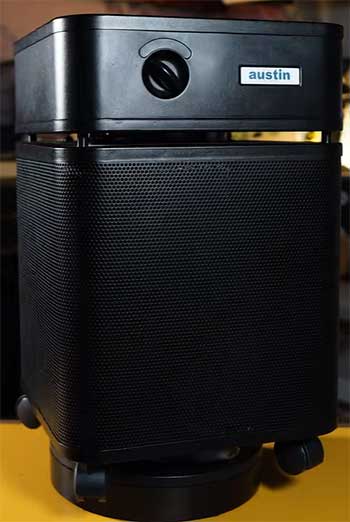
I brought the Austin Air HealthMate home after yet another round of sinus issues and that lingering smell from cooking, pets, and whatever off-gassing came from new furniture.
The box was heavy, and when I lifted the unit out I understood why.
This thing feels like it was made in a factory that builds equipment to survive, not just look pretty on a shelf.
Solid steel casing, no cheap plastic flex, and a simple single dial on top with three speeds.
No apps, no lights blinking at me, no complicated setup. I plugged it in, turned the dial to medium, and let it run.
The first thing I noticed was how quiet it stayed on the lower settings. I placed it in the main living area where we spend most of our time.
Within a couple of days the air started to feel different.
That heavy, stuffy feeling after dinner or after the kids played with the dog disappeared faster.
I used to wake up with a scratchy throat some mornings. After a week or so those mornings became rare.
When I cooked something strong like fish or roasted garlic, the smell did not hang around for hours anymore. It was gone by the time we finished eating.
I tested it during a stretch of wildfire smoke that drifted into our area. Other purifiers I had tried before struggled and the air still felt thick.
With the Austin running on medium the whole time, I could actually breathe easier when I stepped outside and came back in.
The massive filter was clearly pulling more than just dust. Friends who visited commented that the house smelled clean without any artificial fragrance. That told me more than any spec sheet could.
Running it twenty-four seven on medium did not spike my electric bill in any scary way. The unit is heavier than most, so I did not move it around much.
I just let it do its job in the central spot. After three months I vacuumed the outside intake grille with the brush attachment on my vacuum and wiped the exterior with a damp cloth. That was the entire maintenance routine.
No filter changes, no refills, no drama.
Six months in, the air still feels consistently better. I sleep deeper. My partner, who is more sensitive to smells than I am, stopped mentioning the “stale” feeling that used to bother her after work.
The Austin does not have smart sensors or auto mode, so I just leave it on medium most of the time and bump it to high when we have guests or after a big cooking session.
It is not the fastest particle remover I have ever measured in my head, but what it lacks in raw speed for dust it more than makes up for in how thoroughly it handles gases and odors that other machines simply cannot touch.
Honestly, the biggest surprise was how little I had to think about it after the first week. It just runs in the background and keeps doing its job. That reliability is what turned me from a skeptic into someone who now recommends it to anyone dealing with more than basic dust.
Also Read: Differences Between Dyson TP07 And TP10 Air Purifiers.
Pros of The Austin Air Purifier
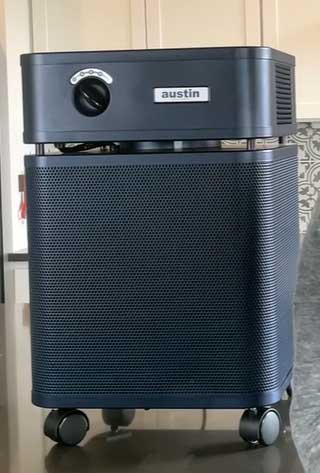
- Massive Fifteen Pound Carbon And Zeolite Bed That Actually Handles Real World Odors And Chemicals You will notice the difference the first time you cook something strong or bring in new furniture. Most purifiers have a tiny carbon layer that saturates fast. This unit has enough media to keep pulling volatile organic compounds, smoke residues, and household chemicals for years instead of weeks. That depth is why the air stays fresher longer even when life gets messy.
- Medical Grade Hepa Filter With Sixty Square Feet Of Media For Serious Particle Capture The filter does not just meet basic standards. It was tested in clinical settings and used by organizations that need reliable protection. You get consistent removal of dust, pollen, pet dander, mold spores, and even some viruses without the filter collapsing or needing constant replacement. The large surface area means airflow stays strong even as it loads up.
- Filter Designed To Last Up To Five Years In Typical Home Use This changes the entire ownership experience. Instead of buying replacement filters every six or twelve months, you set it and mostly forget it. The long life comes directly from the oversized media bed that does not get overwhelmed quickly. Over time you actually spend less on maintenance than with machines that look cheaper at first glance.
- Steel Construction That Feels Like It Will Outlast Most Other Purifiers Pick it up once and you understand. No flexing plastic sides, no cheap feel. The powder-coated steel case protects the internals and resists dents or cracks from normal household life. You can place it where kids or pets might bump it without worrying it will break in a year.
- Simple One Dial Operation That Anyone In The House Can Use There are no apps to update, no WiFi passwords, no complicated buttons. Turn the dial to low, medium, or high and walk away. That simplicity means it actually gets used instead of sitting there because someone cannot figure out the settings. You will appreciate this on days when you just want clean air without another gadget to manage.
- Five Year Warranty Plus Strong Company Support Even After The Warranty Ends Austin stands behind the product. Many owners report helpful service years later. That peace of mind matters when you are investing in something that runs every single day. You are not left guessing if a part will be available or if the company will still exist when you need help.
Cons of Austin Air Purifier You Should Know About Before Buying
- Higher Upfront Cost Than Most Consumer Purifiers You will pay more at checkout than you would for a typical Levoit or similar unit. The price reflects the materials and filter capacity, but it can feel steep if you are used to budget options. The long filter life helps offset this over several years, yet the initial hit is real.
- Heavy Weight Makes It Less Portable Than Lighter Models At roughly forty-five pounds it is not something you casually move from room to room every day. You will probably pick one central location and leave it there. That is fine for most homes, but if you want something you can easily carry upstairs or to a different house, lighter machines win.
- No Smart Features Or Automatic Sensors You control everything manually. There is no app notification when air quality drops or auto mode that adjusts speed. You decide when to turn it up or down. Some people love the simplicity. Others miss the set-it-and-forget-it convenience of modern connected units.
- Particle Removal Speed Is Solid But Not The Fastest In Its Price Range Independent tests show it cleans dust and pollen effectively, yet some newer machines with high CADR numbers finish the job quicker on paper. In daily life you may not notice a huge difference unless you are measuring with professional equipment. It prioritizes thorough gas and odor control over raw particle speed.
- Can Get Noticeably Loud On The Highest Setting Medium is quiet enough for most rooms and conversations. High speed moves more air but the fan noise increases. You will probably use high only for short bursts after cooking or when you want a quick refresh. Nighttime use stays on medium or low for most people.
Also Read: Differences Between Dyson HP10 And HP07 Air Purifiers.
Tips To Get The Most From Your Austin Air Purifier
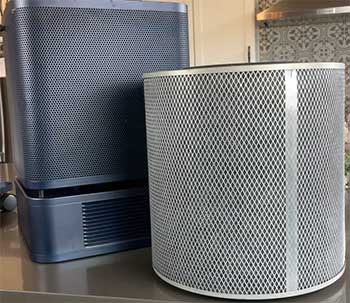
- Vacuum The Exterior Intake Grille Every Few Months With A Brush Attachment This simple step keeps airflow strong and prevents dust buildup on the outside. You do not need to open the unit or touch the main filter. Five minutes of vacuuming every three or four months is usually enough to keep performance at its best. You will see the difference in how easily air moves through the machine.
- Wipe The Steel Exterior With A Damp Cloth When It Looks Dusty The powder coat finish cleans easily and does not show fingerprints much. Regular wiping keeps the unit looking new and prevents any surface dust from getting pulled back into the intake. It takes almost no time and helps the whole system stay efficient.
- Run The Unit On Medium Speed For Everyday Use And Bump To High Only When Needed Medium gives you excellent air cleaning without excessive noise or power draw. Save the high setting for after cooking, during allergy flares, or when you have extra people in the house. This habit keeps energy use reasonable while still delivering the filtration you paid for.
- Place The Purifier In A Central Spot With Clear Airflow Around It Avoid tucking it tight against a wall or behind furniture. Leave at least a foot or two of space on all sides so air can circulate freely. You will get better whole-room results and the machine will not have to work as hard. Corner placement reduces effectiveness noticeably.
- Watch For Signs That The Filter May Need Earlier Replacement In Heavy Use Homes Normal residential use gives you up to five years, but if you have heavy smoking, frequent wildfire smoke, or multiple pets that shed heavily, you might see reduced airflow or returning odors after three or four years. Trust your nose and how the air feels. The company sells replacement filters at a reasonable price when the time comes.
- Keep The Unit Running Twenty Four Seven On Low Or Medium Rather Than Turning It Off And On Constant gentle filtration prevents pollutant buildup better than occasional high-power bursts. The energy cost on medium is modest, and your lungs will thank you for the steady clean air. Many owners report the best results come from treating it like a background appliance that never stops.
Austin Air Purifier Compared To Other Popular Brands
- Austin Air Purifier Versus Molekule Air Purifier
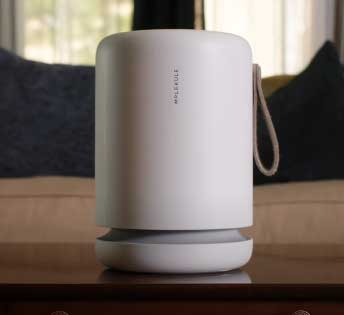
Molekule leans heavily on its PECO technology that claims to destroy pollutants at a molecular level rather than just trap them.
In practice the performance on actual particles has come up short in independent testing compared to traditional HEPA machines.
The Austin uses a proven medical-grade HEPA filter paired with an enormous fifteen-pound bed of activated carbon and zeolite.
That combination simply removes more gases and odors over time without the hype.
You will also notice the difference in long-term ownership. Molekule filters need replacement more often and cost more each time.
The Austin filter is designed to last up to five years in normal home use, which spreads the cost out dramatically. Build quality tells another story.
Austin units use heavy steel that feels like it will still be running a decade from now. Molekule models tend to feel lighter and more electronic. If you want marketing that sounds futuristic, Molekule might catch your eye at first.
If you want results you can feel and a machine that keeps working without constant filter swaps, the Austin pulls ahead quickly.
- Austin Air Purifier Versus Afloia Air Purifier
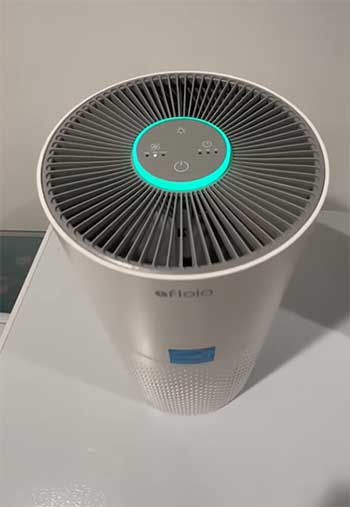
Afloia units sit at a much lower price point and often include smart features like air quality sensors, auto modes, and app control.
They work fine for small rooms and light dust or pet hair.
The filters, however, do not last nearly as long, and the overall filtration capacity is smaller.
You end up changing filters several times a year, which adds up in both cost and hassle.
The Austin does not offer app connectivity or fancy lights, yet the sheer amount of filtration media inside means it handles bigger spaces and tougher problems without breaking a sweat.
Afloia is plastic and lightweight.
The Austin is steel and built like equipment meant for daily heavy use.
If your needs are basic and you want something you can control from your phone on a budget, Afloia can be a reasonable starter.
When you need consistent, low-maintenance performance that actually tackles odors and chemicals, the Austin is in a completely different league.
- Austin Air Purifier Versus Hunter Air Purifier
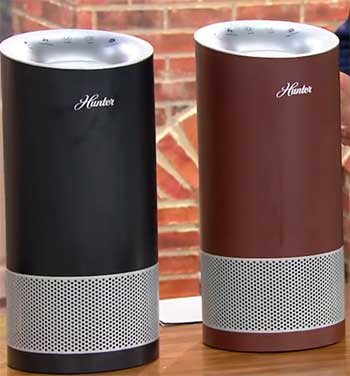
Hunter air purifiers bring familiar brand trust from their fan business and usually sit at a more accessible price.
Many models include ionizers or basic carbon layers that help with everyday dust and light odors.
Filter life tends to fall in the six-to-twelve-month range for most users, and the carbon beds are much smaller than what you get with Austin.
The Austin stands out most when odors or volatile organic compounds become the real issue.
Hunter units move air well for the money and can be quiet, but they simply do not have the gas-capturing power or the multi-year filter endurance.
If you want something inexpensive that handles basic allergens in a bedroom or small living room, Hunter makes sense.
For whole-home relief from cooking smells, pet odors, or chemical off-gassing that lingers, the Austin delivers where Hunter starts to feel limited.
- Austin Air Purifier Versus EdenPURE Thunderstorm Air Purifier
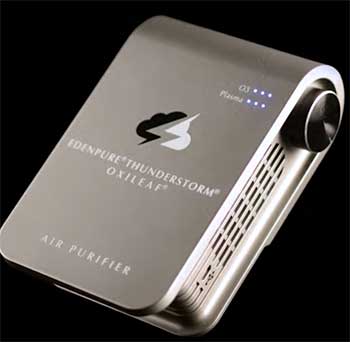
The EdenPURE Thunderstorm uses ozone and sometimes plasma or ion technology to oxidize odors quickly.
It can knock down strong smells in unoccupied spaces, but ozone itself is a lung irritant.
Health authorities generally advise against running ozone-producing devices in rooms where people or pets are present, especially anyone with asthma or COPD.
The Austin never produces ozone.
It relies on mechanical filtration that safely captures particles and gases without creating new irritants. You can run it around the clock with confidence.
The Thunderstorm models are small, plug-in, and inexpensive upfront, but many users report they stop producing ozone after several months and the odor control fades.
The Austin costs more at purchase but keeps performing for years with almost no intervention.
If you only need occasional odor bursts in empty rooms and do not mind the ozone question, the Thunderstorm has a narrow use case. For safe, continuous, whole-room purification that you can trust around your family, the Austin is the clear choice.
Frequently Asked Questions (FAQ)
It depends on your main concerns. For everyday dust and value the Levoit models often top lists. For serious gas, odor, and chemical filtration combined with long-term durability, the Austin Air Purifier stands out strongly in real-world use and testing focused on those issues.
Austin wins for odors, VOCs, and filter longevity with its huge carbon bed and steel build. Levoit generally offers faster particle removal, smart features, lower upfront cost, and better value for basic allergen control. Match the machine to whether gases or particles are your bigger problem.
Austin provides far longer filter life, more carbon for gases, and a tougher steel construction with lower long-term ownership cost. Air Doctor offers strong HEPA performance and more frequent filter changes. Austin suits people who want set-it-and-forget-it reliability over many years.
Yes, a quality air purifier can reduce airborne particles, allergens, and irritants that often trigger COPD symptoms and flare-ups. It is not a treatment or cure. Talk with your doctor about whether adding one makes sense as part of your overall management plan.
Final Thoughts
If you have been searching for an air purifier that actually keeps up with real life instead of just looking good in marketing photos, the Austin Air Purifier is worth serious consideration.
It is not perfect, but for the specific challenges of odors, chemicals, and long-term low-maintenance performance it delivers where it matters most. You will feel the difference in how your home breathes every single day.