
If you’re tired of watching heating bills climb every winter and want reliable warmth that actually saves money, you should buy an Ashley pellet stove.
I switched last season and it turned my home into a comfortable haven while cutting my costs dramatically.
This is the practical choice for anyone who wants efficient heat without constant fuss or high energy prices.
My Experience With The Ashley Pellet Stove

Last fall I finally replaced my expensive electric baseboard system that had been eating through my budget.
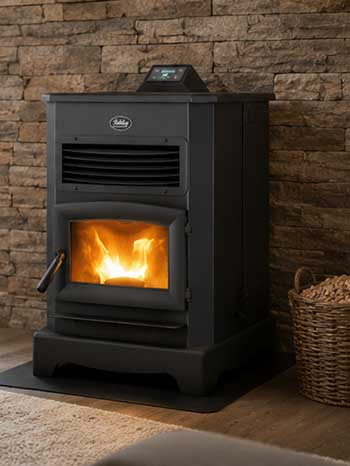
I chose the Ashley AP5622-W with its 170 pound hopper after comparing several options at local stores. A professional crew handled the venting in one afternoon, and I had everything running before the first hard freeze arrived.
The initial startup surprised me. It lit quickly and began pushing steady heat into my 2200 square foot home within an hour.
I set the target temperature at 70 degrees and watched the digital controls hold it steady even when outside temperatures hit single digits.
Over the entire winter the stove used roughly one and a half tons of pellets. My fuel cost landed well below what I paid for electricity the year before.
The big hopper made life easier. I refilled it only every three or four days instead of every single morning. That freed up time I used to spend checking other heaters.
The WiFi connection let me adjust settings from my phone while I was still at work. More than once I walked into a perfectly warm house because I had raised the temperature during my drive home.
The fan noise stayed low, almost like white noise that helped me sleep better on cold nights.
A couple of small adjustments came early on. I had one feeding hiccup when I tried some old dusty pellets from storage. Switching to fresh hardwood pellets fixed it right away and improved the flame quality.
Cleaning the burn pot every other day became a quick two minute habit that kept everything running smoothly. By mid winter I felt completely comfortable with the routine.
My family noticed the difference immediately. The kids stopped complaining about cold floors, and we spent more evenings gathered in the living room enjoying the fire view through the glass door.
One stormy weekend the power blinked but returned quickly. The stove restarted without issues once I reset the controls. That reliability gave me real peace of mind.
You will likely see the same steady performance once you dial in your preferred pellet brand and cleaning rhythm. The stove rewarded the little attention I gave it with consistent comfort and noticeably lower monthly bills.
After one full season I have no regrets about the purchase.
Also Read: Differences Between StoveGuard Lite And Premium.
Pros of Ashley Pellet Stove
These advantages convinced me the Ashley was the right fit and will likely appeal to you too.
- Powerful Heat Output That Handles Large Homes Easily

You receive up to 33,000 BTUs from models like the AP5622 that comfortably warm 2500 to 3000 square feet even during deep freezes.
In my open layout it held steady temperatures without cold zones or extra heaters running.
This capacity lets you use the stove as your main heat source instead of a backup, which cuts reliance on costly electric or oil systems.
The burner creates an attractive flame while the blower spreads warmth evenly.
You will see lower bills fast because pellet fuel usually delivers more heat per dollar than electricity in most areas.
Owners with similar sized homes report the same reliable whole house comfort when insulation is decent.
- Massive Hopper Capacity Reduces Daily Chores
The 170 pound hopper delivers up to 80 hours of burn time on many settings. For me that meant refills only every three or four days instead of daily.
You gain real freedom during work weeks or short trips because the house stays warm without constant checks. This capacity beats smaller hoppers on many competing stoves and reduces how often you carry heavy bags.
I kept extra pellets in sealed bins and never faced mid week shortages. The convenience alone makes a big difference if you dislike daily tending tasks.
- Smart Controls With Wi Fi And Remote Access
Digital panels plus optional WiFi let you monitor and change settings from your phone. I adjusted the temperature from the couch or even the store parking lot before driving home.
The included remote adds quick tweaks without leaving your seat. You can create schedules that match your routine and only heat when people are home. This modern feature helps save fuel by avoiding unnecessary runtime. Setup was simple and the connection stayed solid all season long.
- Clean And Efficient Operation With Low Emissions
Ashley units meet current EPA clean burn standards with low smoke and ash output compared to wood stoves. My ash pan filled slowly and emptied easily every few days. This efficiency stretches your pellet supply and reduces cleaning time.
You help the environment while keeping more money in your pocket over the winter. Stainless steel firebox parts resist wear for longer service life. Quality pellets keep ash minimal and performance high, just as many other owners have found.
- Quiet Performance And Thoughtful Design Details
The fans produce a low background hum that fades into the background after the first night. The large glass door shows a cozy flame that adds warmth to the room’s look. Solid steel construction feels durable in daily use.
Some models include convenient ash dump features that speed weekly care. These touches show attention to how people actually live with the stove. In my living room it blended with existing furniture while becoming the natural gathering spot on cold evenings.
Also Read: Differences Between StoveGuard And StoveShield.
Cons of Ashley Pellet Stove
A balanced view includes these points you should consider before purchasing.
- Some Owners Report Occasional Reliability Hiccups Over Time: My unit performed without major problems through its first season. Still, a portion of online reviews mention auger or control issues after two or three years. These cases usually connect to skipped cleanings or lower quality pellets rather than factory defects. You reduce the chance of trouble by using good hardwood pellets and staying on top of maintenance. It is not as hands off as some premium priced brands, yet it delivers strong results at its price when you give it basic care.
- Professional Installation Recommended For Safety And Efficiency: Proper venting requires careful work to create good draft and prevent safety issues. I used a professional crew and it added several hundred dollars to the project total. You can attempt DIY if you have stove pipe experience, but errors can hurt performance or create risks. Local building codes also apply and vary by location. The extra cost upfront protects your investment and ensures the stove runs at peak efficiency from day one.
- Sensitive To Pellet Quality And Moisture: Dusty or damp pellets can cause feeding problems or excess ash that lowers efficiency. I discovered this quickly with an old bag and switched to fresh premium pellets for immediate improvement. You achieve the best burn and longest life by choosing quality fuel from reliable sources. Keep bags stored off concrete and away from dampness. This requirement applies to most pellet stoves but matters if you expect zero fuel related attention.
- Higher Initial Price Tag Than Basic Supplemental Heaters: A full featured Ashley model typically costs 1500 to 2500 dollars plus venting and install. It exceeds the price of simple space heaters yet costs far less than a new central furnace. You recover the difference through fuel savings in one or two seasons for most users. Financing and occasional tax credits for efficient appliances can ease the upfront amount. Compare your current heating expenses to see the payback timeline for your home.
Maintenance And Tips For Ashley Pellet Stove
Regular care keeps your Ashley running efficiently for many winters. These steps worked well for me and will help you too.
- Daily Quick Checks And Burn Pot Maintenance: I spent two minutes each morning scraping the burn pot and clearing ash around the igniter area. This habit stopped most feeding problems before they began. You should follow the same routine because leftover ash restricts airflow and leads to incomplete burns. A small brush or the tool that comes with the stove makes it fast. Never let more than two days pass during heavy use periods.
- Weekly Ash Pan Emptying And Interior Wipe Down: Once a week I removed and emptied the ash pan outside then wiped interior surfaces after the unit cooled. This kept dust from spreading and preserved good airflow. You will find that quality pellets produce surprisingly little ash in a well maintained Ashley. Regular emptying prevents overflow that could affect draft or create extra mess around the stove.
- Monthly Deep Clean Of Heat Exchanger And Fans: Every four weeks I vacuumed the heat exchanger tubes and blower areas with a shop vac and brush. This restored full heat transfer because dust acts like insulation over time. You can do most of this yourself, though an annual professional visit adds extra assurance. My pellet use dropped slightly after each thorough session as efficiency returned to peak levels.
- Seasonal Professional Tune Up Before Winter: I scheduled a certified tech visit each fall to check venting, gaskets, and electrical parts. This caught minor wear early and gave me confidence for the cold months. You should plan for this yearly service even when everything seems fine. It often preserves warranty coverage and catches small issues before they grow. Local hearth professionals usually offer reasonable packages that include cleaning and adjustments.
- Smart Pellet Storage And Quality Selection Tips: I kept pellets in sealed containers off the floor in a dry spot to prevent moisture that causes swelling and jams. Always buy from suppliers with fresh stock and low ash ratings. You save time and frustration by paying a little more for premium fuel rather than fighting clogs from bargain options. Test a bag or two from different brands to find what burns cleanest in your stove and local climate. Good storage also keeps pests out of your fuel supply.
How The Ashley Pellet Stove Compares To Other Popular Brands?
Shopping for a pellet stove means looking at real world performance, capacity, and owner feedback across options. I compared the Ashley against several competitors using owner reports and feature details. Here is how it measured up in each case.
- Ashley Pellet Stove Versus ComfortBilt Pellet Stove
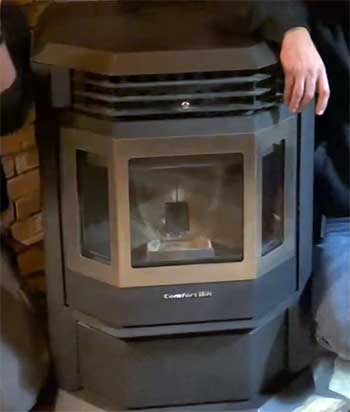
Both brands focus on affordable, capable heating for typical homes.
ComfortBilt models earn strong praise for straightforward operation and steady burns that many owners enjoy for multiple seasons.
The Ashley AP5622 stands out with its larger 170 pound hopper compared to many ComfortBilt units that top out lower.
This gives you longer runtime between refills during busy periods. Heat output and square footage coverage sit in the same range for both.
Ashley adds convenient WiFi monitoring that ComfortBilt often lacks in base models.
Forum discussions show ComfortBilt sometimes praised for slightly tighter auger tolerances, yet Ashley matches it in overall value and capacity.
If you want maximum days of heat from one load plus phone control, Ashley offers a clear edge while delivering comparable day to day reliability when you use quality fuel.
- Ashley Pellet Stove Versus Castle Serenity Pellet Stove
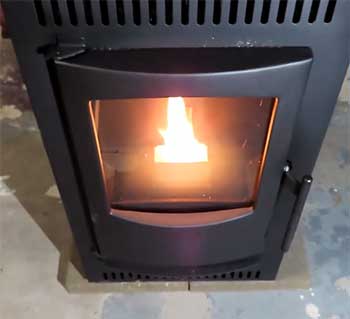
Castle Serenity stoves attract buyers who need compact size and lower upfront cost for smaller spaces.
They heat around 1500 square feet with a modest hopper and fit neatly into tighter rooms.
Owners like the simple design and budget friendly price.
However, many reports mention more frequent adjustments and harder to source replacement parts such as igniters.
My Ashley provides stronger whole home output up to 3000 square feet with fewer long term repair stories in the reviews I read.
The Serenity can work well as supplemental heat in a well sealed smaller area, but Ashley delivers more consistent primary heating with easier daily use in colder regions.
Castle sometimes shows control or draft quirks over time, while Ashley maintains steady performance after proper setup.
Pick Castle for tight budgets and small footprints, but choose Ashley when you need reliable capacity without extra tinkering.
- Ashley Pellet Stove Versus King Pellet Stove

King models come from the same U.S. Stove parent company as Ashley, so the core engineering and components overlap significantly.
Both lines offer WiFi options, large hoppers, and strong heat claims for whole home use.
Styling and minor control differences appear depending on the exact model and retailer.
Owner experiences with heat throw and multi day runtime read almost identical across both.
You essentially get the same performance level whether you select an Ashley or a King that fits your space and current pricing.
I went with Ashley because the specific hopper size and feature mix matched my layout best, but a King would have served equally well.
Reliability tracks the same for both when installation is done correctly and you maintain the unit.
The choice often comes down to local availability and which model is on sale rather than major performance gaps.
- Ashley Pellet Stove Versus Wiseway Pellet Stove

Wiseway takes a different path as a non electric gravity fed unit.
It needs no power for the auger or blower, making it ideal during outages or for off grid setups.
Pellets feed naturally from the top hopper, and many owners appreciate the quiet, simple operation once lit.
Lighting can take more effort and some smoke appears until temperature builds.
My Ashley uses standard electric controls for instant starts, precise thermostat settings, and remote app access.
It provides cleaner daily convenience and more even temperature holding.
Wiseway heats up to 2000 square feet effectively and works great as a backup or primary unit where electricity is unreliable.
For most modern homes where you want push button ease and phone monitoring, Ashley is the stronger daily driver.
Consider Wiseway if power independence matters most, or pair one with an Ashley for complete coverage in stormy areas.
Frequently Asked Questions (FAQ)
Yes, Ashley delivers strong value and reliable performance for the price when properly maintained, though some owners note occasional issues after several seasons.
U.S. Stove Company designs and manufactures Ashley Hearth pellet stoves in Tennessee.
Premium options like Harman often rank highest for long term reliability, but Ashley provides excellent dependability at a much more affordable price point with regular care.
It can increase depending on your insurer and installation quality. Many companies require professional setup and proper certification, and some offer discounts for efficient heating upgrades instead.
Final Thoughts
After a full season with my Ashley pellet stove I can confidently say it is one of the best home upgrades I have made.
If you want dependable heat, lower bills, and simple operation, you should buy this product without hesitation. Your family will thank you for the warmth and savings all winter long.