
When I compare Amana vs. Trane, I’m really looking at one big question: should you pay more for a premium HVAC name, or can you get strong comfort and reliability from a more budget-friendly brand?
I’ll walk you through how both brands feel from a real homeowner’s point of view, including comfort, durability, efficiency, warranties, features, pros, cons, and the kind of buyer each one fits best.
| Category | Amana | Trane |
| Overall Position | Value-focused HVAC brand with strong warranties | Premium HVAC brand known for durability and performance |
| Best For | Homeowners who want solid comfort without overspending | Homeowners who want long-term performance and advanced comfort |
| Price Range | Usually more affordable | Usually more expensive |
| Warranty Strength | Often excellent, especially on select models | Strong, but varies by model and registration |
| Build Reputation | Dependable, practical, homeowner-friendly | Rugged, high-end, contractor-favored |
| Efficiency Options | Good efficiency range, including high-SEER units | Broad high-efficiency lineup with advanced systems |
| Comfort Features | Good humidity control and quiet operation on better models | Excellent temperature control, staging, and smart compatibility |
| Repair Cost | Often lower or moderate | Can be higher due to premium parts and systems |
| Brand Perception | Underrated value brand | One of the most recognized premium HVAC brands |
| My Take | Great for value and warranty protection | Great for performance, durability, and peace of mind |
Key Differences Between Amana and Trane
- Price And Overall Value
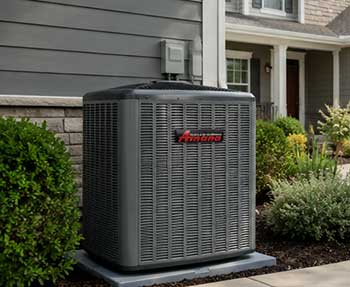
Amana usually wins if your main priority is value.
I see Amana as the brand that gives you a lot of practical comfort for the money.
You may not get the same premium badge appeal as Trane, but you can often get a reliable system, good efficiency, and strong warranty protection at a lower price.
Trane is typically more expensive.
You are paying for brand reputation, engineering, dealer network strength, durability, and advanced comfort features. For some homeowners, that extra cost feels justified. For others, it feels like paying for a name.
If you are replacing a system in a starter home, rental property, or house you may sell within a few years, Amana can make a lot of sense. If you plan to stay in your home for 10 to 20 years and want a system you can trust through brutal summers and cold winters, Trane becomes more tempting.
- Warranty Coverage
Amana often stands out because of its warranty strength. Some Amana models have very attractive warranty terms, especially when properly registered. That gives you a bit of confidence if you are nervous about compressor or heat exchanger problems later.
Trane also offers solid warranty coverage, but the real appeal of Trane is not only the warranty. It is the brand’s reputation for building durable equipment. In other words, with Amana, I notice the warranty as a major selling point. With Trane, I notice the build reputation first, then the warranty second.
For you as a homeowner, this matters because warranty terms can affect long-term ownership costs. Still, you should always check the exact warranty for the specific model and confirm registration requirements with your installer.
- Build Quality And Durability
Trane has the stronger durability reputation. Its units are often described as sturdy, long-lasting, and designed for demanding use. If I lived in a climate where my AC or heat pump had to work hard for months, Trane would be high on my list.
Amana is reliable too, but it is usually positioned more as a strong value brand than a rugged premium brand. That does not mean Amana is weak. It simply means Trane has the edge when the conversation turns to long-term toughness and heavy-duty performance.
However, I would not ignore Amana just because Trane has a bigger reputation. Many homeowners get years of comfortable service from Amana systems, especially when they are sized and installed correctly.
- Efficiency And Energy Savings
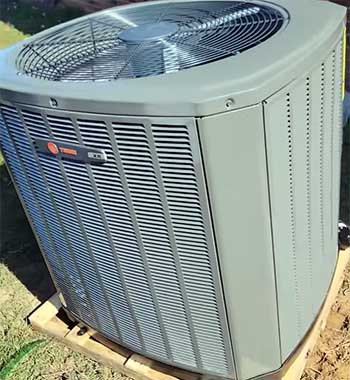
Both Amana and Trane offer efficient air conditioners, furnaces, and heat pumps.
The difference is how they approach the market.
Amana gives you solid efficiency choices without always forcing you into premium pricing.
If you want a system that can reduce energy bills compared with an old unit, Amana has plenty of options.
Trane offers a wider premium feel, especially when you move into variable-speed or communicating systems. These systems can adjust output more precisely, reduce temperature swings, improve humidity control, and run quieter.
If your current unit is old, either brand can likely give you a noticeable efficiency upgrade. But if you want the smoothest comfort and highest-end control, Trane usually has the advantage.
- Comfort And Noise Levels
This is where the model matters a lot. A basic Trane system will not feel as refined as a high-end Amana system. But when comparing similar tiers, Trane tends to offer more polished comfort features.
Trane’s higher-end systems are especially good for people who hate hot spots, cold spots, loud starts, and big temperature swings. Variable-speed technology can make the system feel calmer and more consistent.
Amana’s better models can also be quiet and comfortable. If you choose a two-stage or higher-efficiency Amana unit, you can get a much nicer comfort experience than you would from a basic single-stage system.
- Contractor Availability And Installation
Trane has a strong dealer network, and many contractors are very familiar with its equipment. That can help with installation, service, and future repairs.
Amana is also widely available, but the local installer matters more than the logo. I would rather choose an excellent Amana installer than a careless Trane installer. Bad sizing, poor ductwork, sloppy refrigerant charging, and weak airflow design can ruin any HVAC system.
This is the boring part of HVAC shopping, but it is the part that saves you from regret.
Key Features of Amana
- Strong Warranty Protection: One of the biggest reasons I pay attention to Amana is warranty value. Homeowners like feeling protected, especially when HVAC equipment costs thousands of dollars. Amana’s warranty coverage can be very appealing on select models, which makes the brand feel less risky for budget-conscious buyers. A strong warranty does not mean nothing will ever break. But it does mean you may have better protection if a major covered component fails. For me, that is a serious plus.
- Affordable Comfort: Amana does a good job of giving you practical comfort without making you feel like you need to buy the most expensive system in the showroom. You can find models that cool well, heat well, and manage normal home comfort needs without overcomplicating the purchase. That makes Amana a good fit if you want dependable HVAC performance but do not want to chase every premium feature.
- Solid Efficiency Options: Amana offers efficient systems that can help reduce energy use compared with older units. If your current HVAC system is 12, 15, or 20 years old, moving to a newer Amana unit can feel like a major improvement. You may notice better cooling, more consistent operation, and lower energy waste, depending on the model and your home’s insulation, ductwork, and climate.
- Quiet Operation On Better Models: Amana’s better units can run quietly enough for most homeowners. This matters if the outdoor unit sits near a bedroom, patio, or neighbor’s window. Nobody wants an AC system that sounds like a small aircraft warming up beside the house. Entry-level models may be louder, but that is true for most brands.
- Practical Technology: Amana does not always feel as tech-heavy as Trane’s premium systems, but that can be a good thing. Some homeowners want simple, dependable equipment that does the job without too many proprietary complications. If you like straightforward comfort, Amana has real appeal.
Pros of Amana
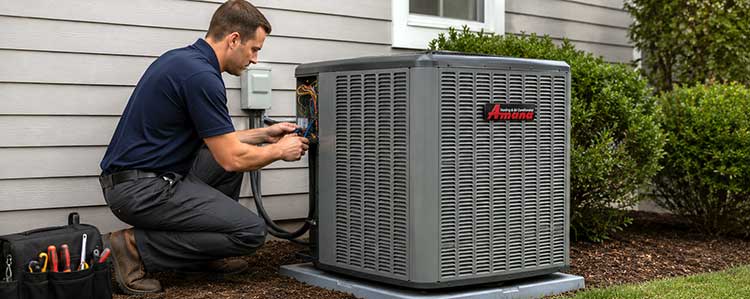
- Lower Upfront Cost: Amana often gives you a more comfortable price point than Trane. If you are replacing your HVAC system under budget pressure, this can be a major advantage. You may be able to afford a better-tier Amana model for the price of a more basic premium-brand system. That can change the whole comparison.
- Strong Warranty Appeal: Amana’s warranty coverage is one of its biggest strengths. If you are the type of homeowner who worries about major repairs, this can give you more confidence. I especially like this for homeowners who want long-term protection without paying top-dollar upfront.
- Good Everyday Reliability: Amana systems can be very dependable when installed correctly. They may not have the same elite reputation as Trane, but they can absolutely keep your home comfortable year after year. For many families, that is enough.
- Great Choice For Practical Buyers: Not everyone needs the most advanced HVAC system available. If your goal is simple comfort, fair pricing, decent efficiency, and good warranty coverage, Amana fits that mindset well. I would put Amana high on the list for homeowners who want value without going too cheap.
- Easier To Justify For Shorter Ownership: If you might sell your home in a few years, Amana can be a smart pick. You get a recognized HVAC brand without spending premium money you may not fully recover. That does not mean you should buy the cheapest model. It just means Amana can balance cost and comfort nicely.
Cons of Amana
- Less Premium Brand Recognition: Amana does not carry the same high-end reputation as Trane. Some buyers care about that, especially when thinking about resale or perceived quality. A home listing that mentions a newer Trane system may sound more impressive than one that mentions Amana, even if both systems are working well.
- Fewer Elite Comfort Features At The Top End: Amana has good equipment, but Trane’s premium systems often feel more refined. If you want the smoothest variable-speed comfort, advanced controls, and premium performance, Trane may feel more complete. Amana can be comfortable, but Trane has the stronger high-end identity.
- Installer Quality Can Vary: This is true for both brands, but with value brands, the installation experience can vary depending on the contractor. If someone offers a suspiciously cheap Amana quote, I would look closely at what is included. Cheap installation can become expensive later.
- Not Always The Best For Extreme Climates: Amana can work well in many climates, but if your HVAC system will face intense heat, long cooling seasons, or heavy winter demand, I would compare carefully. Trane may be the safer premium choice in harsh conditions. That said, the right Amana model can still perform well when properly matched to the home.
Also Read: Differences Between Carrier Greenspeed And Infinity Heat Pumps.
Key Features of Trane
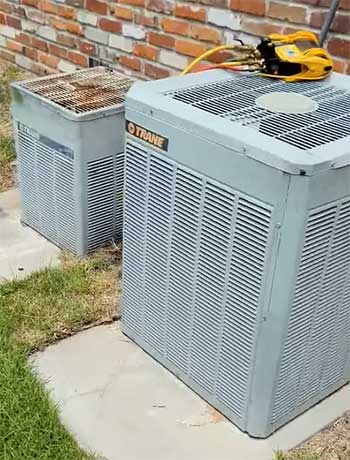
- Premium Durability Reputation: Trane’s biggest selling point is its reputation for toughness. When I hear homeowners and contractors talk about Trane, durability comes up again and again. The brand has built its image around equipment that can handle demanding conditions. That reputation is one reason Trane usually costs more.
- Advanced Comfort Control: Trane’s higher-end systems can offer excellent temperature control, especially with two-stage or variable-speed operation. Instead of blasting on and off, these systems can run more gradually and maintain steadier indoor comfort. That can make your home feel less humid, less stuffy, and more balanced room to room.
- Strong Heat Pump And AC Lineup: Trane has a broad lineup of air conditioners, heat pumps, furnaces, and packaged systems. That helps if you need a specific setup for your home, climate, or energy goals. Whether you want a basic replacement or a premium system, Trane usually has an option.
- Smart Thermostat Compatibility: Trane systems often pair well with advanced thermostat controls, especially in higher-tier setups. If you like scheduling, remote control, system monitoring, and comfort automation, Trane can be a strong choice. This is especially useful if your household has changing schedules or you want more control over energy use.
- Strong Contractor Confidence: Many HVAC professionals trust Trane. That does not automatically make it perfect, but contractor confidence matters. When installers know a brand well, they can often size, install, maintain, and troubleshoot it more effectively. Again, the installer still matters. A premium system needs premium installation.
Pros of Trane
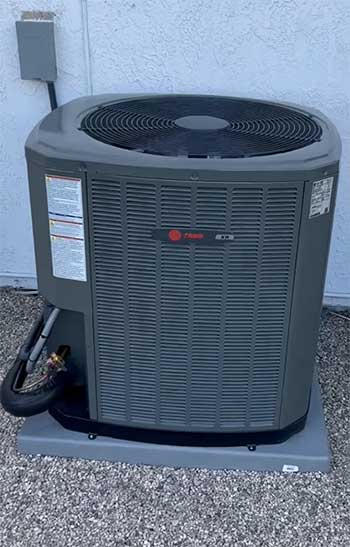
- Excellent Durability Reputation: Trane’s biggest advantage is confidence. When I look at Trane, I see a brand built around long-term performance. If you want something that feels sturdy and proven, Trane makes a strong case. This matters most when your system runs hard for much of the year.
- Premium Comfort Options: Trane’s higher-end systems can deliver smoother comfort than basic equipment. Two-stage and variable-speed operation can reduce temperature swings, manage humidity better, and make the home feel more evenly conditioned. If you are picky about comfort, Trane has an edge.
- Strong Brand Recognition: Trane is one of the best-known HVAC brands. That recognition can help when you are comparing quotes, talking to contractors, or thinking about future home resale. Brand reputation is not everything, but it is not meaningless either.
- Great For Long-Term Homeowners: If you plan to stay in your home for many years, paying more for Trane may make sense. The extra upfront cost becomes easier to justify when you spread it across a long ownership period. This is where Trane shines.
- Strong Dealer And Service Network: Trane’s dealer network is another plus. In many areas, it is not hard to find contractors who know Trane systems well. That can make service and maintenance less stressful. A good local dealer can make the ownership experience much better.
Cons of Trane
- Higher Upfront Cost: Trane is usually not the bargain option. If your budget is tight, the quote may sting a little. Sometimes a Trane system can cost noticeably more than a comparable Amana system. You need to decide whether the premium is buying real value for your situation.
- Repairs May Cost More: Premium systems can come with premium repair bills. Parts, controls, and communicating equipment can sometimes be more expensive than simpler systems. This does not mean Trane breaks often. It means that when repairs happen, you should be prepared for potentially higher costs.
- May be more system than you need: Not every home needs a premium HVAC setup. If your house is small, your climate is mild, or you do not care about advanced comfort features, Trane may be overkill. Sometimes the smarter move is buying a well-installed midrange system and using the savings elsewhere.
- Performance depends heavily on installation: A Trane system is not magic. Poor ductwork, bad sizing, or careless installation can still create noise, uneven comfort, short cycling, and high bills. If I were buying Trane, I would focus just as much on the contractor as the model.
Also Read: Differences Between LG Red And Mitsubishi Hyper Heat.
Frequently Asked Questions (FAQ)
No. Amana and Trane are separate HVAC brands with different product lineups, pricing, dealer networks, and brand positioning.
Trane, Carrier, and Lennox are often considered three of the top AC brands. Amana is also a strong value-focused option.
Yes, Trane can be worth it if you want premium durability, advanced comfort, and long-term performance. If budget matters more, Amana may be smarter.
Yes. Amana is generally considered reliable, especially when installed correctly and maintained regularly.
Final Thoughts
When I compare Amana vs. Trane, I do not see one universal winner. I see two different paths. Amana is the practical choice if you want dependable comfort, strong warranty value, and a lower upfront price.
Trane is the premium choice if you want durability, refined performance, and stronger brand recognition.
For you, the better choice depends on how long you plan to stay in your home, how demanding your climate is, and how much you value advanced comfort. If your budget is tight, I would not hesitate to consider Amana.
If you want the more rugged, premium option and can afford it, Trane is easy to recommend.