
If you want a dependable HVAC system that feels premium without making your wallet cry, I’d seriously consider buying Amana.
In my view, Amana makes the most sense for homeowners who want strong warranty coverage, steady comfort, and long-term value instead of flashy branding.
When I read Amana HVAC reviews, I see a clear pattern: people like the comfort, quiet operation, and peace of mind. If you want a system you can live with for years, Amana deserves a spot near the top of your shortlist.
My Experience With Amana HVAC
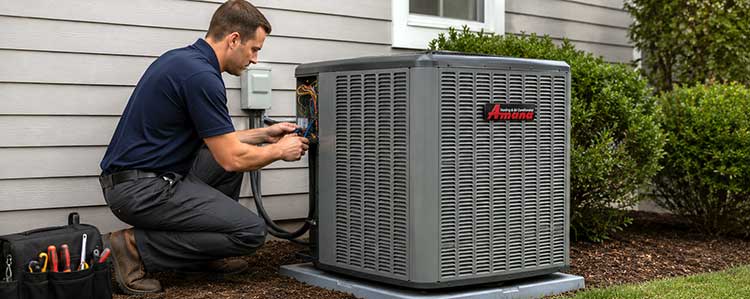
When I look at Amana HVAC from a real homeowner’s point of view, I don’t see it as the loud, showy brand that tries to impress you with complicated features. I see it as the practical, sturdy choice that quietly does its job day after day.
And honestly, that matters more than most people admit.
The first thing I noticed about Amana is how comfort-focused it feels. When an HVAC system is working properly, you should not constantly think about it. You should not be walking from room to room wondering why the bedroom feels like a refrigerator while the living room feels like soup.
With a properly sized and installed Amana system, the comfort feels balanced, steady, and calm.
Another thing I appreciate is the brand’s reputation for warranty strength. That is a big deal because HVAC is not a small purchase.
You are not buying a toaster. You are buying the machine that keeps your home livable in July heat and January cold. So when I compare Amana HVAC reviews, warranty confidence keeps showing up as one of the strongest reasons people choose it.
That said, Amana is not magic. The installation quality matters massively. A great Amana unit installed poorly can disappoint you.
A mid-range Amana unit installed by a skilled contractor can feel excellent. That is why I would never judge the brand only by the box sitting outside the house. I would judge the full package: contractor, sizing, ductwork, thermostat setup, maintenance, and warranty registration.
From my perspective, Amana works best for homeowners who want a smart balance of price, reliability, comfort, and protection. It may not always feel as elite as Trane or as tech-forward as Daikin, but it often gives you a lot of value for the money.
Amana HVAC Pros
- Strong Warranty Confidence
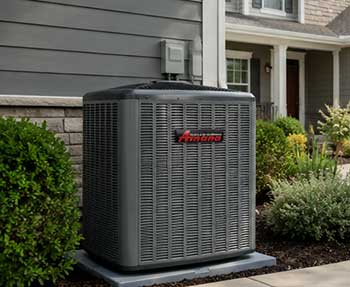
One of the biggest reasons I like Amana is the warranty story.
When you are spending thousands on heating and cooling equipment, warranty coverage can make the whole purchase feel less risky.
I do not want you buying an HVAC system based only on brochure promises, but Amana’s warranty reputation is genuinely one of its strongest selling points.
That peace of mind matters because HVAC repairs can get expensive fast. A compressor failure, heat exchanger issue, or major parts replacement can turn into a painful bill if you are outside coverage. With Amana, many homeowners feel more protected than they would with budget-first brands.
I also think the psychological comfort matters more than people realize. When you know your system has meaningful coverage behind it, you stress less every time the weather becomes extreme. You are not constantly wondering whether one strange sound will turn into a financial disaster.
- Good Value For The Money
Amana often sits in a sweet spot. It is not usually the cheapest system, and it is not always the most expensive. That middle ground is exactly why I think many homeowners should pay attention to it.
You get a brand that feels more premium than basic builder-grade equipment, but you may not have to pay top-tier luxury pricing. If you are trying to upgrade your home comfort without overspending, Amana can make a lot of sense.
I also appreciate that Amana offers multiple efficiency levels, which gives you flexibility depending on your budget. You do not have to jump straight into the highest-end model to notice an improvement in comfort and energy performance.
- Comfortable Daily Performance
The best HVAC system is the one you barely notice because your house just feels right. Amana can deliver that kind of everyday comfort when the system is properly matched to your home.
I like that Amana systems are often reviewed as steady and dependable. You turn the thermostat down, the house cools. You turn the heat up, the house warms. That sounds simple, but anyone who has lived with a weak HVAC system knows how valuable simple comfort can be.
Another thing I noticed in many homeowner experiences is temperature consistency. Certain lower-quality systems can create uncomfortable hot and cold spots throughout the house. Amana systems, especially paired with proper ductwork and variable-speed technology, often do a better job maintaining balanced airflow.
- Quiet Operation On Many Models
Noise is one of those things you may not think about until it annoys you every single day. A loud outdoor unit near a bedroom, patio, or neighbor’s window can become a real headache.
Many Amana systems are designed with sound control in mind, and that makes them appealing if you care about a quieter home environment. I would still check the exact model rating before buying, but overall, Amana performs well here.
I personally think quieter operation changes the feel of a home more than people expect. You can sit outside, watch TV, work remotely, or sleep at night without hearing the HVAC system constantly roaring in the background.
- Energy Efficiency Potential
Many Amana systems offer strong efficiency ratings that can help reduce energy usage over time. While your actual savings depend on your climate, insulation, thermostat habits, and home size, higher-efficiency Amana models can definitely help lower monthly utility bills.
I would especially consider this if you live in areas with long summers or harsh winters. In those environments, your HVAC system works constantly, so even modest efficiency improvements can add up across the year.
- Backed By A Major HVAC Family
Amana HVAC is connected to the Daikin/Goodman manufacturing family, which gives it more weight than some smaller names. That matters for parts availability, dealer support, manufacturing scale, and long-term brand stability.
As a buyer, I like knowing the brand is not floating around on its own. You want equipment that contractors understand, parts they can source, and support that does not disappear when you need help.
This connection also helps Amana remain widely available in many regions, which can make future servicing easier compared to smaller niche brands.
Amana HVAC Cons
- Installation Quality Can Make Or Break It: This is the biggest warning I would give you. Amana can be a very good HVAC brand, but the installer matters just as much as the equipment. If the system is oversized, undersized, poorly charged, badly connected to ductwork, or installed with sloppy airflow setup, you may blame Amana when the real issue is the contractor. Before buying, I would spend as much time choosing the installer as choosing the model.
- Not Always The Cheapest Option: If your only goal is the lowest upfront price, Amana may not be your first choice. Goodman often attracts more budget-focused buyers, while Amana usually leans a little more toward warranty strength and upgraded positioning. That does not make Amana overpriced. It just means you should compare total value, not just the first quote.
- Brand Perception Is Not As Premium As Trane: Trane has a strong reputation for ruggedness and premium durability. Amana may offer strong value, but some homeowners still view Trane as the more prestigious name. If resale perception or brand status matters to you, Trane may feel stronger. If practical value matters more, Amana can still compete very well.
- Model Selection Can Feel Confusing: Like many HVAC brands, Amana has different efficiency levels, compressor types, furnace options, and comfort features. If you are not familiar with HVAC terms, the buying process can feel messy. That is why I would ask your contractor to explain the difference between the “good,” “better,” and “best” options in plain language.
Also Read: Is General Electric Dehumidifier Any Good?
Amana HVAC Maintenance And Tips
- Change The Air Filter Consistently: This is the easiest maintenance habit, and somehow it is also the one people ignore most. A dirty filter restricts airflow, makes your system work harder, hurts comfort, and can increase energy use. I would check the filter every month, especially during heavy heating or cooling seasons. You may not need to replace it monthly, but you should at least inspect it. If it looks gray, dusty, clogged, or bent, replace it.
- Keep The Outdoor Unit Clear: Your outdoor unit needs breathing room. Leaves, grass clippings, weeds, mulch, and debris can block airflow and force the system to struggle. I would keep at least a couple of feet of clear space around the unit. Do not stack garden tools against it. Do not let shrubs hug it. Do not let vines treat it like a jungle gym. Your HVAC system is not asking for much; it just wants airflow.
- Schedule Professional Tune-Ups: I know tune-ups can feel like one more annoying home expense, but they are worth it. A good technician can check refrigerant levels, electrical connections, blower performance, drain lines, coils, burners, safety controls, and overall operation. For most homes, I would schedule maintenance twice a year: once before cooling season and once before heating season. That gives your system a better chance of running efficiently and catching small problems before they become expensive problems.
- Do Not Ignore Strange Sounds: If your Amana system starts grinding, buzzing, rattling, squealing, or banging, do not pretend it is “probably fine.” HVAC systems usually do not make weird noises for fun. A small issue like a loose part or worn component can become a larger repair if ignored. I would call a technician early instead of waiting until the system quits during extreme weather.
- Register The Warranty Properly: This one is huge. If your Amana system requires registration for the best warranty coverage, do it quickly after installation. Do not toss the paperwork into a drawer and forget about it. Ask your contractor what is covered, what is not covered, how long the coverage lasts, and what maintenance records you should keep. A strong warranty only helps if you protect your side of the deal.
- Use A Sensible Thermostat Strategy: You do not need to fight your thermostat all day. Constantly cranking it up and down can make the system work harder than necessary. I prefer a steady, reasonable schedule. Set temperatures that keep you comfortable without asking the system to perform miracles. A smart thermostat can help, but even a basic programmable thermostat can make a difference if you use it well.
Comparing Amana HVAC With Other Brands
- Amana HVAC Vs. Daikin HVAC
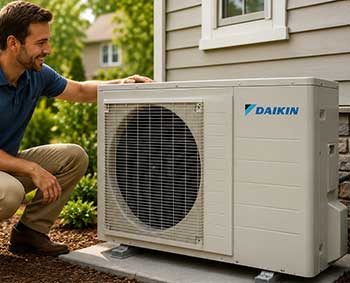
Amana feels like the practical comfort choice.
I would pick Amana if I wanted strong warranty confidence, dependable performance, and a balance between price and protection.
It is especially appealing if you want a traditional ducted system and a contractor in your area knows the brand well.
Daikin feels more innovation-focused.
If you care about advanced heat pump technology, ductless systems, inverter-driven comfort, and broader global HVAC engineering, Daikin may be more attractive. I would lean Daikin if you want more advanced comfort control and are willing to pay for it.
- Amana HVAC Vs. Trane HVAC
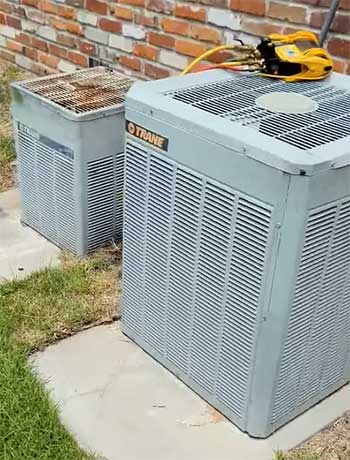
Amana wins my attention when value matters.
It gives you strong comfort, solid warranty appeal, and a purchase that can feel easier to justify financially.
For many average homes, Amana is more than enough.
Trane has a tough, premium reputation.
I would consider Trane if durability perception, dealer expertise, and long-term brand trust are your top priorities.
The downside is that Trane can cost more, so you need to decide whether the price difference feels worth it.
- Amana HVAC Vs. Goodman HVAC
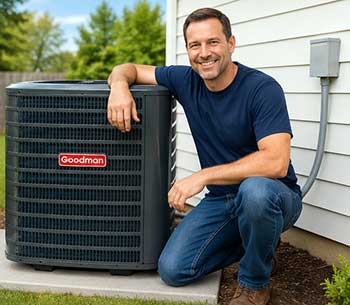
Amana usually feels like the upgraded sibling.
I would choose Amana if I wanted better perceived warranty strength, quieter performance options, and a more premium position while staying within the same broad manufacturing family.
Goodman is often the budget-friendly choice.
If your main goal is affordable heating and cooling from a widely available brand, Goodman makes sense. But if you want a little more confidence and comfort refinement, Amana may be the better buy.
Also Read: Is Home Depot HVAC Installation Any Good?
Frequently Asked Questions (FAQ)
Yes, Amana is generally considered reliable when installed correctly and maintained well.
Amana is usually the better choice for upgraded warranty appeal, while Goodman is better for tighter budgets.
Multiply the repair cost by the system’s age. If it exceeds $5,000, replacement may make more sense.
Amana HVAC is manufactured under the Daikin Comfort Technologies family.
Final Thoughts
After reading Amana HVAC reviews and comparing the brand against Daikin, Trane, and Goodman, I would say Amana is absolutely worth buying if you want comfort, warranty confidence, and strong value.
It is not the flashiest name, and it still depends heavily on proper installation, but that does not bother me. I like HVAC systems that make sense in real homes for real people. If you want a dependable system that feels like a smart long-term investment, Amana is a very solid choice.