
I’ve tested both Ajax and Bar Keepers Friend for years in my own kitchen and bathroom, tackling everything from greasy stovetops to rusty sink stains.
This comparison lays out how the two powder cleansers perform side by side so you can decide which one actually solves the messes you face most often.
| Feature | Ajax | Bar Keepers Friend |
| Main Cleaning Agent | Bleach (alkaline) + abrasives | Oxalic acid (acidic) |
| Abrasiveness Level | Moderate to high | Milder, finer powder |
| Best For | Grease, everyday grime, whitening | Rust, hard water, mineral deposits, stainless steel |
| Surface Safety | Good on porcelain, tile; caution on metals | Excellent on stainless, porcelain; avoid stone |
| Scent | Fresh/bleach-like | Mild, slightly chemical |
| Disinfecting Ability | Yes (with bleach versions) | No |
| Price Range | Usually lower | Slightly higher |
| Residue | Can leave more if not rinsed well | Rinses cleaner for many users |
Key Differences between Ajax and Bar Keepers Friend
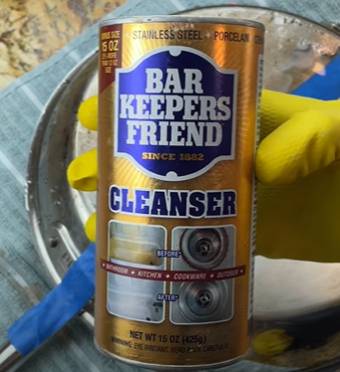
- Chemical foundation sets them apart completely Ajax relies on bleach and alkaline ingredients that attack organic soils and provide whitening power. Bar Keepers Friend uses oxalic acid, which chemically dissolves mineral scale, rust, and tarnish that bleach cannot touch. I notice this difference the moment I work on a sink with hard-water rings—Ajax brightens the surrounding area but leaves the mineral film, while Bar Keepers Friend lifts the film itself.
- Texture and feel during scrubbing Ajax particles feel coarser under the sponge. That grit helps on baked-on grease but can leave faint swirl marks on softer metals if I press too hard. Bar Keepers Friend feels smoother and finer. It still scours, yet I can use it more freely on stainless without worrying about dulling the finish over time.
- How each handles stainless steel Manufacturers of stainless sinks and cookware often warn against bleach-based products because repeated exposure can pit or cloud the surface. Ajax falls into that bleach category. Bar Keepers Friend contains no bleach and is frequently recommended for stainless. In my sink, the difference shows after a few months—Ajax keeps things clean but the steel looks less mirror-like; Bar Keepers Friend restores the original shine.
- Rinse behavior and leftover film Ajax sometimes needs extra water and a second wipe to clear the powder completely. Bar Keepers Friend tends to rinse away more readily once the job is done, leaving less chalky residue on faucets and fixtures.
- Safety around mixed cleaners Because Ajax often contains bleach and Bar Keepers Friend is acidic, combining the two creates chlorine gas. I keep them on opposite sides of the cabinet and never let the powders touch in the same bowl or sponge.
- Longevity of results on different soils Ajax wins for quick grease cuts and general bathroom brightening. Bar Keepers Friend holds the edge when the problem is long-term mineral buildup or iron stains. I reach for each based on the specific mark in front of me rather than treating them as interchangeable.
Also Read: Is Dr. Clean Spray Any Good?
Key Features of Ajax
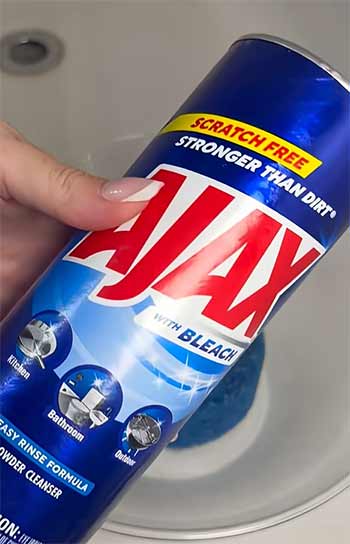
- Scratch-free formula claims with real-world caveats The packaging often promotes a scratch-free formula, and in many cases the current version does feel smoother than the Ajax of decades past. Still, the powder relies on calcium carbonate and similar mineral abrasives to do its work. On hard porcelain sinks and ceramic tile I can scrub with reasonable confidence. On softer surfaces such as polished chrome, acrylic, or certain aluminum pieces I still dial back the pressure because the grit remains present. The claim holds better on the toughest household surfaces than on the more delicate ones, so I treat it as “low-scratch” rather than truly scratch-free.
- Bleach component for whitening and odor control Most widely available Ajax powders include a bleach compound that delivers two clear benefits. First, it lifts yellowing and dinginess from porcelain, plastic tubs, and grout lines in a way pure abrasives cannot. Second, it cuts through lingering kitchen odors from fish, onions, or fried foods. After a heavy cooking session I sprinkle Ajax around the stovetop and sink, let it sit briefly, and the smell noticeably softens once rinsed. That dual action of cleaning plus deodorizing is one reason I still reach for it when the whole kitchen feels stale.
- Easy-rinse design Manufacturers redesigned the powder so it does not cling as stubbornly as older cleansers. In practice I still give the surface a second pass with a clean, damp cloth, yet the rinse stage is faster than with some competing powders. The particles break down more readily under running water, which keeps the final wipe from turning into a drawn-out chore. That small convenience adds up when I am cleaning multiple sinks and fixtures in one session.
- Wide availability and lower price point I can walk into almost any grocery store, pharmacy, or big-box retailer and find Ajax without searching the specialty aisle. The price per ounce stays consistently lower than most premium powders, so I never feel the need to ration it. When I am doing a full bathroom or kitchen reset I can use a generous amount without watching the can empty too quickly. That everyday accessibility and cost make it a practical staple rather than a special-occasion product.
- Versatility across common household surfaces Ajax performs reliably on porcelain sinks, ceramic tile, stovetops, chrome faucets, and many enameled appliances. I use it for the routine jobs that crop up every week—coffee rings, toothpaste splatter, light grease, and soap film. The powder handles those tasks without requiring a second product. I simply avoid silver, fabrics, painted wood, plexiglass, and anything labeled non-stick, because the abrasives and bleach can leave permanent marks or dull the finish.
Also Read: Alternatives To Comet Cleaner.
Pros of Ajax
- Strong performance on greasy kitchen messes Baked-on oil and food residue respond quickly to Ajax. On a stovetop or range hood that has collected layers of cooking grease, a damp sponge and a sprinkle of the powder break the film apart with less effort than most non-abrasive sprays. I can restore a usable surface in minutes rather than soaking and scraping for half an hour. That speed makes it my first choice after a weekend of heavy frying or roasting.
- Whitening power that shows immediately The bleach content delivers visible brightening on porcelain sinks, tubs, and grout lines that have yellowed over time. After one thorough session the surfaces look fresher and the overall bathroom feels cleaner even before I finish the rest of the room. That instant visual payoff is motivating when the house has started to look tired.
- Budget-friendly for frequent use Because each can costs less, I feel free to use a liberal amount rather than stretching a smaller quantity. During deep-cleaning days I can cover large areas without worrying about running out mid-task. Over a full year the lower cost per use keeps the product practical for households that clean often.
- Familiar scent and cleaning ritual Many people associate the smell of Ajax with the routine of house cleaning itself. That familiarity can make the chore feel more automatic and less like a battle. I notice that once the scent hits the air I settle into the work faster, which is a small but real psychological advantage on busy days.
- Readily available in multiple sizes I never have to special-order or hunt for Ajax. Standard grocery and discount stores stock it in the sizes I need, so I can replace an empty can on any regular shopping trip. That convenience removes one more friction point from keeping the house maintained.
- Effective on porcelain and ceramic These hard, non-porous surfaces tolerate the abrasives well. I can scrub sinks, tile, and fixtures with confidence that the material will not scratch or dull under normal pressure. The powder stays effective without requiring special technique or extra protective steps on these common surfaces.
Cons of Ajax
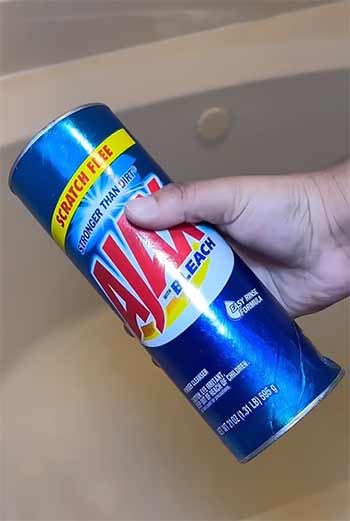
- Potential to dull stainless steel over time Repeated use on stainless sinks and appliances can gradually reduce the reflective shine. The combination of bleach and mineral abrasives works against the protective layer of the metal. After several months I notice the surface looks cleaner but less mirror-like than when I started. For households that value a bright stainless finish, this gradual change becomes a genuine drawback.
- Stronger odor that some find unpleasant The bleach scent lingers longer than the milder smell of acid-based powders. In a small bathroom with limited ventilation the fumes can become noticeable and sometimes irritating. I open a window or run a fan when I use Ajax in enclosed spaces, yet the odor still requires that extra step.
- Higher risk of scratching softer surfaces Even versions labeled scratch-free contain abrasive particles. On acrylic tubs, soft plastics, or certain polished metals I have seen faint marks after vigorous scrubbing. The risk forces me to use lighter pressure and test first, which slows the job on those materials.
- Requires thorough rinsing to avoid residue If I rush the final rinse, a white film can remain on faucets, around drains, and along the edges of sinks. Extra water and a clean cloth become necessary steps rather than optional ones. That additional wipe-down adds time to every cleaning session.
- Not ideal for mineral and rust stains Hard-water rings and iron deposits respond only partially. Ajax may brighten the surrounding area and remove some surface soil, yet the mineral film itself often remains. I end up switching to a different product for those specific marks, which means keeping two cleansers on hand.
- Limited advice on mixing with other products Because many versions contain bleach, any accidental contact with acids or ammonia can release toxic gas. I treat Ajax as a standalone product and store it separately. That restriction limits how freely I can combine cleaning steps and requires constant attention to what else is in the bucket or on the sponge.
Also Read: Differences Between Comet And Bar Keepers Friend.
Key Features of Bar Keepers Friend
- Oxalic acid as the active cleaning force Oxalic acid is the ingredient that sets this powder apart. Instead of relying only on scrubbing power, it chemically dissolves rust, iron stains, and mineral deposits that alkaline cleaners leave behind. When I face a stubborn orange ring under a faucet or white hard-water scale on a stainless sink, a thin paste of Bar Keepers Friend left for a minute or two lifts the mark far more completely than extra elbow grease with other powders. The acid does the heavy lifting so I do not have to.
- Fine particle size that reduces surface risk The powder feels noticeably finer and silkier than Ajax under a sponge. That texture lets me work on stainless steel cookware, glass cooktops, and porcelain fixtures with less concern about visible swirl marks. I still use light pressure, yet the margin for error is wider. Over months of regular use my stainless sink retains its original sheen better than it did when I relied solely on coarser cleansers.
- No bleach formula The absence of chlorine compounds is deliberate and useful. Stainless-steel manufacturers often warn against bleach because repeated exposure can pit or cloud the metal. Bar Keepers Friend sidesteps that risk entirely. It also produces fewer harsh fumes, which matters in smaller bathrooms or for anyone sensitive to bleach odor. The cleaning action remains strong on the stains it targets, just without the whitening or disinfecting side effects of bleach.
- Multi-surface polishing ability Beyond simple cleaning, the formula leaves many metals looking brighter. After treating a stainless sink or the exterior of a copper-bottom pot, I notice a polished finish that lasts longer between cleanings. The same effect appears on chrome fixtures and certain glass surfaces. It is not a dedicated metal polish, yet the residual shine is a welcome bonus that pure abrasive powders rarely deliver.
- Clear restrictions on certain materials The product label and company guidance are explicit: avoid granite, marble, cast iron, wood, fabric, leather, and non-stick coatings. The oxalic acid can etch natural stone and strip the seasoning from cast iron. I keep those surfaces completely off-limits and test any new material in a small hidden spot first. Knowing the boundaries up front prevents costly mistakes.
Pros of Bar Keepers Friend
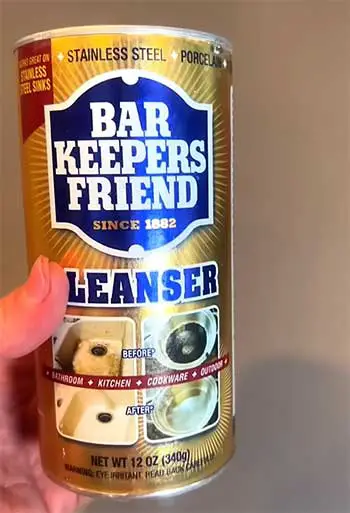
- Superior removal of rust and hard-water stains Orange iron marks and chalky mineral rings disappear more completely with Bar Keepers Friend than with any other powder I have used. A thin paste left for a short time chemically dissolves the deposit rather than merely scrubbing around it. My stainless sink and chrome fixtures look newer after each treatment, and the results last longer between cleanings.
- Gentler on stainless steel and many metals I can polish cookware, sinks, and faucets without the gradual clouding that bleach products sometimes cause. The finish stays brighter for weeks. That gentleness makes the powder suitable for regular maintenance rather than only occasional deep cleaning.
- Fine texture that reduces visible scratching The silky particle size lets me work on glass shower doors, porcelain, and stainless with less physical force and less risk of swirl marks. I still use light pressure, yet the margin for error is larger. Over time the surfaces retain their original appearance better.
- Rinses cleanly for most users Once the scrubbing is finished, a thorough rinse usually leaves no powdery film behind. That clean rinse saves an extra wipe-down step on many surfaces and reduces the chance of residue building up in corners and crevices.
- Long history of specialized performance The formula has stayed focused on mineral and metal cleaning for decades. That consistency gives me confidence when I face stubborn stains. I know what the product will and will not do, which removes guesswork from the cleaning process.
- No chlorine fumes People sensitive to bleach can use it without the same respiratory irritation. The milder scent also makes longer cleaning sessions more comfortable, especially in smaller bathrooms or kitchens with limited airflow.
Cons of Bar Keepers Friend
- Higher price per ounce Each can costs more than a comparable Ajax container. When I clean large areas frequently, the difference in price becomes noticeable over a year. The higher cost is justified by the specialized results, yet it still factors into the decision for budget-conscious households.
- No bleaching or disinfecting action The powder will not brighten yellowed plastic or kill germs the way bleach-based products do. I still need a separate cleaner for whitening tasks and for any surface that requires disinfection. That limitation means Bar Keepers Friend cannot serve as a single all-purpose solution.
- Strict surface limitations Stone counters, marble, granite, cast iron, and non-stick pans are completely off-limits. Accidental use can etch stone or strip the seasoning from cast iron. I have to stay alert and keep those surfaces away from the powder, which reduces its overall versatility in a mixed-material kitchen or bathroom.
- Requires careful timing on some surfaces Leaving the paste too long on stainless can cause microscopic etching that attracts future soil. I stay nearby and rinse within a couple of minutes for best results. That need for attention makes the process slightly less set-and-forget than some other cleaners.
- Less effective on heavy grease While it handles light oil and everyday film, thick baked-on kitchen grease responds better to alkaline cleaners. I often reach for Ajax first when the stovetop or range hood is heavily soiled, then switch to Bar Keepers Friend for the mineral or rust marks that remain.
- Availability can be slightly less convenient Not every neighborhood store stocks Bar Keepers Friend in the same sizes or as consistently as Ajax. I sometimes plan ahead or order online when supplies run low, which adds a small logistical step that everyday powders usually avoid.
Also Read: Differences Between Bon Ami And Bar Keepers Friend.
Frequently Asked Questions (FAQ)
No single winner exists. Ajax handles grease and whitening better; Bar Keepers Friend removes rust and hard-water stains more effectively.
It ranks among the strongest options for mineral and metal stains, but it is not the best choice for every surface or every type of soil.
Avoid silver, fabrics, painted surfaces, plexiglass, and use caution on fiberglass, plastics, and soft metals.
No. The combination of bleach and acid can release toxic chlorine gas. Keep them separate at all times.
Wrapping Up
I have relied on both Ajax and Bar Keepers Friend long enough to know neither one replaces the other completely. You gain the most when you match the cleaner to the stain in front of you. Ajax gives you reliable power against grease and everyday soil at a lower cost.
Bar Keepers Friend gives you chemical precision against rust and mineral buildup while protecting stainless surfaces.
Keep both in the cabinet if your home produces a mix of messes, or choose the one that solves the problems you face most often. Either way, you walk away with cleaner surfaces and fewer wasted efforts.