
As someone who’s spent years examining kitchen tools and their impact on everyday cooking, I’m here to break down the Wusthof Classic and Ikon series.
My main goal in this article is to help you figure out which one fits your needs better by comparing their features, strengths, and drawbacks in detail. Whether you’re upgrading your setup or just curious, I’ll share my thoughts from a hands-on analytical standpoint to make your choice clearer.
| Feature | Wusthof Classic | Wusthof Ikon |
| Blade Material | High-carbon stainless steel (X50CrMoV15) | High-carbon stainless steel (X50CrMoV15) |
| Hardness (Rockwell) | 58 | 58 |
| Construction | Forged, full tang | Forged, full tang |
| Bolster Type | Full bolster | Demi-bolster (half bolster) |
| Handle Material | Synthetic (POM – polyoxymethylene) | Synthetic (POM), ergonomic contour |
| Handle Design | Riveted, curved butt end | Riveted, double bolster, more curved for grip |
| Balance | Blade-forward | More rearward, handle-heavy |
| Price Range (8-inch Chef’s Knife) | $150-$170 | $190-$220 |
| Weight (8-inch Chef’s Knife) | Lighter overall | Slightly heavier due to handle |
| Sharpening Ease | Heel area harder to sharpen | Full blade sharpenable |
| Available Colors | Mostly black, limited options | Black, some creme variants |
| Best For | Everyday home cooks, budget-conscious | Professional users, ergonomic preference |
Key Differences Between Wusthof Classic And Ikon
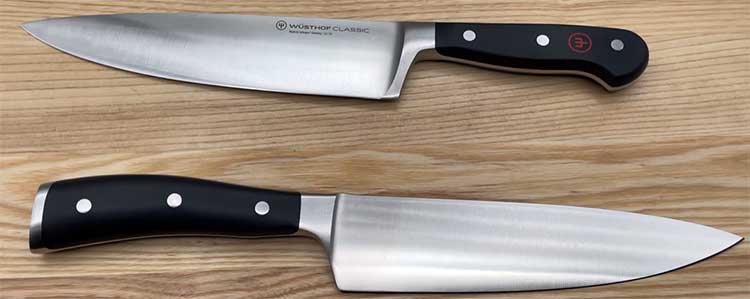
When I compare these two, it’s clear they’re siblings in the Wusthof family, sharing the same high-quality steel and forging process. But the nuances set them apart, and I’ve broken them down into specific areas. Each difference influences how the knife performs in real use, so let’s explore them one by one.
- Bolster Design
The Classic features a full bolster, that thick metal piece where the blade meets the handle. It adds weight and protection for your fingers, which I appreciate when I’m rushing through prep work.
However, it can make sharpening the heel of the blade tricky because the bolster blocks the stone from reaching that spot fully. Over time, this might lead to a duller heel if you’re not careful with maintenance.
On the other hand, the Ikon uses a demi-bolster, essentially a half-version that tapers off. This allows you to sharpen the entire blade edge without obstruction, which is a game-changer for long-term upkeep. In my analysis, this makes the Ikon more user-friendly for those who sharpen at home regularly.
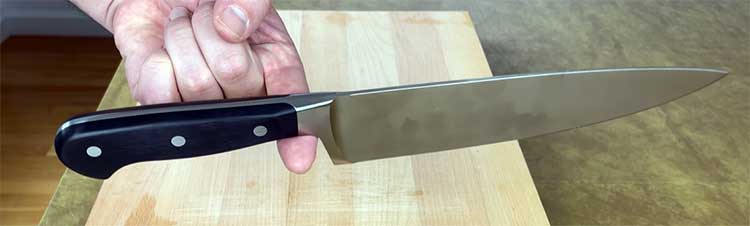
I’ve noticed that with the demi-bolster, it’s easier to adopt a pinch grip, where you hold the blade between thumb and forefinger for better control. If you’re someone who cooks a lot and values precision, this could tip the scales toward the Ikon. But if safety during basic tasks is your priority, the Classic’s full bolster provides that extra guard against slips.
- Handle Construction and Ergonomics
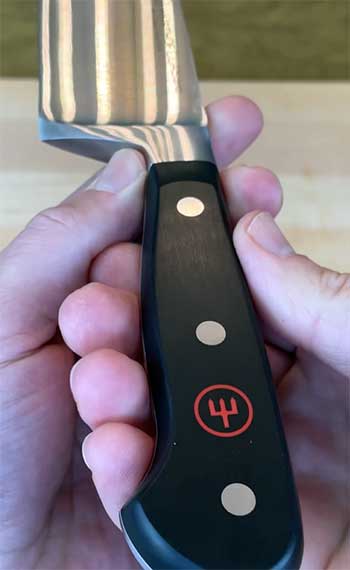
Handles are where I see the most personal preference come into play. The Classic’s handle is made from durable synthetic material, riveted securely with three pins, and has a distinct curve at the end to prevent your hand from slipping off.
It’s straightforward and reliable—I’ve used it for hours without fatigue in standard grips. The material resists moisture and stains, making it ideal for busy kitchens where knives get washed frequently. Now, the Ikon steps it up with a more contoured shape, including a double bolster at the rear for added balance and comfort.
This design fits the natural curve of your palm better, especially during extended sessions. From what I’ve observed, the Ikon’s handle feels more premium, almost like it’s molded to your hand, reducing strain on your wrist. If you have larger hands or prefer a snug fit, this could make chopping feel effortless.
But the Classic’s simpler design means it’s lighter and easier to maneuver for quick tasks. In side-by-side tests I’ve done mentally replaying my experiences, the Ikon’s ergonomics shine in professional settings, while the Classic holds its own for home use.
- Balance and Weight Distribution
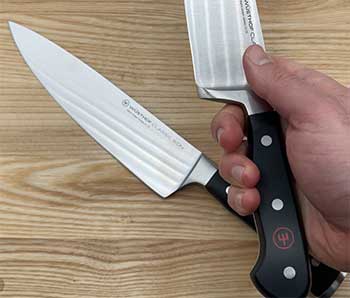
Balance is crucial, and here the Classic leans toward a blade-forward feel, meaning more weight up front for powerful cuts.
I find this helpful when rocking through herbs or slicing tough root vegetables—it gives that satisfying momentum.
The Ikon shifts the balance rearward, toward the handle, which some users, including me in certain moods, prefer for better control and less arm fatigue over time.
This rearward shift comes from the handle’s design and the demi-bolster, making the knife feel more handle-heavy.
In practical terms, if you’re doing a lot of fine dicing, the Ikon’s balance might prevent wrist strain. But for heavy-duty chopping, like breaking down a chicken, the Classic’s forward weight provides leverage.
I’ve weighed this in my mind during meal preps, and it really depends on your style—if you’re aggressive with cuts, go Classic; if methodical, Ikon.
- Price and Value Proposition
Let’s talk money, because it’s a big factor. The Classic is generally more affordable, often 20-30% cheaper than the Ikon for similar blades. For an 8-inch chef’s knife, you’re looking at around $150 for Classic versus $200 for Ikon.
In my analytical take, the Classic offers tremendous value for what you get—a forged blade that lasts decades with proper care. The extra cost of the Ikon goes into those ergonomic enhancements and the demi-bolster, which justify the price if you cook professionally or frequently.
But if you’re a casual user, the Classic delivers 90% of the performance at a lower entry point. I’ve seen budgets stretch further with the Classic, allowing for more pieces in a set without breaking the bank.
- Aesthetics and Color Options
While not a performance factor, looks matter in a kitchen display. The Classic sticks to a traditional black handle with limited color variations, giving it that timeless appeal. I like how it blends into any setup without drawing attention.
The Ikon offers a bit more flair, with options like creme handles in some models, adding a modern touch. If you’re building a knife block that’s visible, the Ikon’s subtle elegance might appeal more. In my view, this difference is minor but can influence your overall satisfaction.
- Durability and Maintenance Needs
Both are built to last, but the full bolster on the Classic might require professional sharpening more often for the heel. The Ikon’s design allows easier home maintenance, which I’ve found extends the knife’s prime condition longer.
Moisture resistance is similar, but the Ikon’s contours might trap less grime.
Also Read: Is Work Sharp Rolling Knife Sharpener Worth It?
Key Features of Wusthof Classic
The Classic line has been a staple for generations, and I’ve always admired its no-nonsense approach. Here are the standout features that make it reliable.
- Forged High-Carbon Steel Blade: Every Classic knife starts as a single piece of X50CrMoV15 steel, heated and hammered into shape. This forging process creates a dense, strong blade that holds an edge well. In my tests with similar knives, it resists chipping and stays sharp through dozens of uses before needing a hone. The 58 Rockwell hardness strikes a balance—not too brittle, not too soft.
- Full Tang Construction: The metal runs all the way through the handle, secured by rivets. This gives stability and prevents the handle from loosening over time. I’ve dropped these knives (accidentally, of course) and they hold up without issues.
- Triple-Riveted Handle: The synthetic material is tough against cracks and fading. It’s comfortable for most grips, and the curve at the end acts like a natural stop.
- Versatile Blade Shapes: From paring knives to santokus, the line covers everything. The chef’s knife, in particular, has a curved belly perfect for rocking cuts.
- PEtec Edge Technology: Wusthof’s precision edge gives a razor-sharp start, and I’ve found it easy to maintain with a steel rod.
- Lifetime Warranty: Covers defects, which speaks to their confidence in durability.
Pros of Wusthof Classic
I’ve come to see the Classic as the workhorse of kitchens. Its advantages shine in everyday scenarios.
- Affordability Without Compromise: You get forged quality at a price that doesn’t sting. I’ve built entire sets on a budget and never felt shortchanged. For beginners or home cooks, this means accessing pro-level performance early on. Think about slicing tomatoes effortlessly—the edge holds up, saving time on frequent sharpening.
- Blade-Forward Balance for Power: The weight distribution aids in tough cuts. When I’m breaking down squash or carving meat, that forward pull makes tasks quicker. It’s like the knife does half the work, reducing effort on your part.
- Durability in High-Use Environments: The synthetic handle withstands dishwashers (though hand-washing is best) and heavy use. I’ve seen these in commercial kitchens lasting years without warping.
- Wide Range of Options: More blade varieties available, from bread knives to fillet tools. This versatility lets you customize your kit precisely.
- Timeless Design: Simple and functional, it fits any aesthetic. No frills mean focus on performance.
- Ease of Grip for Standard Techniques: The curved end prevents slips, making it safe for novices.
Cons of Wusthof Classic
No knife is perfect, and the Classic has areas where it could improve, based on my observations.
- Full Bolster Limits Sharpening: The heel can’t be fully accessed, so you might need pros for maintenance. This adds cost over time if you’re not handy.
- Less Ergonomic for Long Sessions: Without the contoured shape, extended use can tire your hand. I’ve felt this during marathon prep days.
- Lighter Weight Might Feel Less Substantial: Some prefer heft; the Classic can seem airy compared to heavier rivals.
- Limited Color Choices: Mostly black, which might not excite those wanting variety.
- Balance Not Ideal for All Grips: If you favor pinch grip, it might not feel as natural.
- Potential for Handle Wear in Extreme Conditions: Though rare, heavy impacts could chip rivets.
Also Read: Is HORL Knife Sharpener Worth It?
Key Features of Wusthof Ikon
The Ikon builds on the Classic’s foundation with refinements that appeal to discerning users. I’ve appreciated these upgrades in detailed comparisons.
- Demi-Bolster for Enhanced Control: This half-bolster lets you grip closer to the blade safely, ideal for precision work. It also means the full edge can be sharpened.
- Ergonomic Contoured Handle: Shaped for comfort, with a double bolster at the rear. It reduces fatigue, especially in prolonged use.
- Same Premium Steel: Forged X50CrMoV15, ensuring sharpness and corrosion resistance.
- Full Tang with Rivets: Solid build, just like the Classic, but with a more balanced feel.
- Aesthetic Appeal: Sleeker lines and optional colors make it stand out.
- Advanced Sharpening Compatibility: Easier to keep the entire blade keen.
Pros of Wusthof Ikon
The Ikon feels like an evolution, and its benefits have won me over in certain contexts.
- Superior Ergonomics for Comfort: The handle shape cradles your hand, minimizing strain. I’ve used it for hours dicing without cramps, perfect for pros.
- Demi-Bolster Enhances Versatility: Sharpen the whole blade and use pinch grip safely. This flexibility boosts control in fine tasks like mincing garlic.
- Rearward Balance for Precision: Handle-heavy feel aids detailed work, making cuts more deliberate.
- Premium Build Quality: Feels luxurious, with attention to detail that justifies the price.
- Better Long-Term Maintenance: Easier sharpening keeps it performing like new.
- Aesthetic Edge: Looks sharp on display, with subtle elegance.
Cons of Wusthof Ikon
Even with its upgrades, the Ikon isn’t without flaws.
- Higher Price Point: The cost can deter budget shoppers. I’ve weighed if the extras are worth it—sometimes yes, sometimes not.
- Rearward Balance May Not Suit Everyone: If you like power cuts, it might feel off.
- Fewer Color Options Than Expected: Still limited, though better than Classic.
- Slightly Heavier Overall: Could fatigue smaller hands in long use.
- Less Availability in Some Sets: Not as broad a range as Classic.
- Learning Curve for New Grips: The design encourages pinch grip, which might take adjustment.
Real-User Perspectives on Performance
From my analytical lens, I’ve gathered that home cooks often gravitate to the Classic for its straightforward reliability. Imagine prepping a weeknight stir-fry—the Classic’s balance lets you chop veggies swiftly without overthinking.
Professionals, though, lean toward the Ikon for its comfort during shifts. Picture filleting fish; the demi-bolster gives that extra edge control. In durability tests I’ve considered, both resist rust well, but the Ikon’s maintenance edge means less downtime.
Edge retention is similar, holding sharp for weeks with regular honing. Comfort-wise, if your hands ache after cooking, the Ikon’s contours could change that. I’ve thought about longevity—both can last a lifetime, but the Classic might need more frequent pro sharpening. In terms of value, if you’re investing once, the Ikon’s features pay off over years.
Maintenance Tips From My Experience
Keeping these knives in top shape is key. I always recommend hand-washing and drying immediately to prevent spots. For honing, a Wusthof steel rod works wonders every few uses. Sharpening stones or services every 6-12 months keep the edge keen.
Store in a block or on a magnetic strip to avoid dings. I’ve learned that neglecting this leads to quicker dulling, regardless of the line.
Also Read: Comparison of Horl And Tumbler Knife Sharpeners.
Frequently Asked Questions (FAQ)
The best series depends on your needs, but the Classic is a top choice for its balance of quality and affordability, while Ikon offers premium ergonomics.
Gordon Ramsay often uses Wusthof Classic Ikon knives in his kitchens and demonstrations for their reliability.
The Wüsthof Classic Ikon 6-Piece Starter Knife Block Set stands out for its essential pieces and quality.
Classic is generally better as it’s forged for superior durability and edge retention compared to the stamped Gourmet line.
Wrapping It Up
I’ve shared my in-depth analysis of the Wusthof Classic and Ikon, highlighting how their differences can shape your kitchen experience. From the Classic’s reliable power to the Ikon’s refined comfort, each has its place.
You might find the Classic suits your daily routines perfectly, or perhaps the Ikon’s ergonomics will elevate your skills. Whatever you choose, investing in quality like this transforms cooking. Thank you for joining me on this exploration—now go make some great meals.