
If you’re tired of scrubbing away at grime on your driveway or watching dirt cling to your siding like it’s glued there, let me tell you why grabbing a Westinghouse electric pressure washer is a game-changer.
I’ve put mine through the wringer, and it blasts away messes with ease, saving me hours of back-breaking work. You get serious power without the hassle of gas engines—no fumes, no pull-starts, just plug in and go.
At a price that won’t break the bank, it’s reliable, user-friendly, and built to last. Trust me, once you try it, you’ll wonder how you ever lived without one. Go ahead and buy it; your home will thank you.
My Time With The Westinghouse Electric Pressure Washer
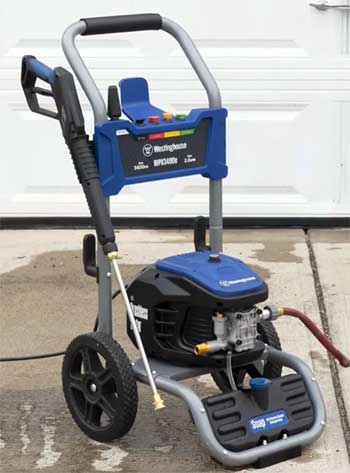
I remember the day I unboxed my Westinghouse WPX3400e like it was yesterday.
I’d been eyeing electric pressure washers for months, fed up with borrowing my neighbor’s noisy gas model that always left me smelling like exhaust.
When I finally pulled the trigger on this one, I was skeptical—could an electric really pack enough punch for my grimy patio and algae-covered fence?
But from the moment I assembled it, which took me all of ten minutes with straightforward instructions and no tools needed, I felt optimistic.
The unit’s compact design meant it fit neatly in my garage without hogging space, and the built-in handle made wheeling it around a breeze.
Plugging it in for the first test run, I hooked up the garden hose and flipped the switch. The motor hummed to life—not a roar like gas ones, but a steady buzz that didn’t disturb the peace. I started with the lowest pressure nozzle on my car, gently rinsing off winter salt without scratching the paint.
You know that satisfying whoosh when water blasts away layers of dirt? That’s exactly what I got. Moving up to 3400 PSI, I tackled the driveway, where oil stains from my old truck had set in deep.
It took a few passes, but the grime lifted like magic, revealing clean concrete I hadn’t seen in years. I even added some soap through the onboard tank, and the foam coverage was even, making the job feel professional.
One weekend, I decided to power wash the entire exterior of my house. The 25-foot hose gave me plenty of reach without constantly unplugging, though I did wish for a bit more length on tougher spots. The anti-tipping technology came in handy when I pulled it over uneven grass—it stayed stable, no wobbles or spills.
Noise-wise, it was quiet enough that I could chat with my wife while working, unlike those gas beasts that drown out everything. Performance held steady for hours; no overheating or power drops, even on a hot day. Sure, it’s tethered to an outlet, but for home use, that’s no big deal—extension cords are cheap.
By the end of that session, my siding looked brand new, and the deck was spotless, ready for summer barbecues. I’ve used it on everything from bikes to outdoor furniture, and it adapts with those quick-connect tips.
If you’re like me, always putting off cleaning chores, this machine makes them almost fun. It’s not perfect—I’ll get to that—but my experience has been overwhelmingly positive. You’ve got to give it a shot; it transformed how I maintain my property.
Pros of The Westinghouse Electric Pressure Washer
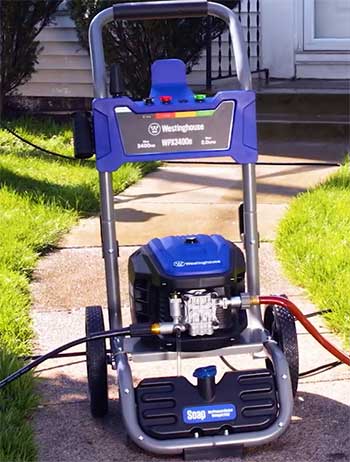
- Impressive Power for an Electric Model: Let me tell you, the power on this thing surprises me every time. Models like the WPX3400e deliver up to 3400 PSI and 2.0 GPM, which is plenty for blasting away stubborn grime. I used it on my wooden fence covered in mildew, and it cleaned it right up without any extra effort. You get that kind of force typically reserved for gas units, but without the mess of fuel or oil changes. If you’re worried about electrics being weak, this proves otherwise—it’s perfect for driveways, patios, and even vehicles.
- Super Easy to Use and Set Up: From the get-go, assembly is straightforward. Everything clicks into place: wheels, handle, hose— no tools required. The onboard storage for nozzles and the spray wand means you’re not fumbling around for lost parts. I love the ergonomic trigger; it doesn’t cramp my hand even after hours of use. Plus, with anti-tipping features, it stays steady on uneven surfaces. If you’re new to pressure washing like I was, this makes the whole process less intimidating and more enjoyable.
- Great Value Without Skimping on Quality: You won’t believe the bang for your buck here. My unit cost under $400, but it feels like a higher-end machine with durable plastic and metal components that withstand bumps and drops. Compared to big-name brands, Westinghouse gives you similar specs at a lower price. The quiet operation—around 70-80 decibels—lets you work without disturbing the neighborhood. No need for ear protection, and it’s neighbor-friendly, which is a huge plus in my book.
- Built to Last with Solid Durability: After a year of regular use, my Westinghouse shows no signs of slowing down. The pump is robust, and the electric motor fires up reliably every time. Corrosion-resistant materials hold up well in humid weather, and I’ve dropped it a couple of times without issues. The integrated soap tank works flawlessly for adding detergents, cutting through grease on grills or tough spots on siding. It’s reassuring knowing it can handle frequent jobs without breaking down.
- Versatile and Efficient for Everyday Tasks: With five quick-connect nozzles, you can switch from gentle rinses for plants to intense blasts for concrete. I’ve cleaned everything from bikes to outdoor cushions with ease. It saves time and water thanks to the high flow rate, and there’s no warmup—just plug in and start. Energy-efficient too, it runs on standard outlets without spiking your bill. Safety features like auto shut-off when you release the trigger prevent wear and keep things safe. Overall, it streamlines your cleaning routine in ways you didn’t know you needed
Cons of The Westinghouse Electric Pressure Washer
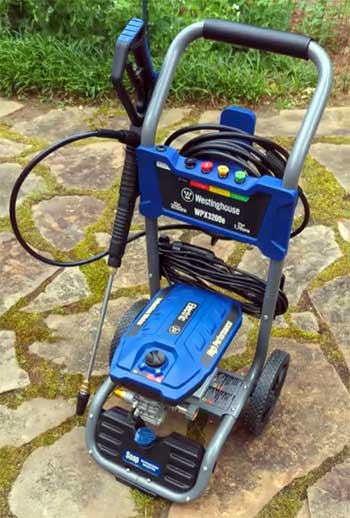
- Limited Cord and Hose Reach: The power cord is about 35 feet, and with the hose, you get decent range, but for larger yards, you’ll need extensions. I’ve tripped over them a few times, and it can cause slight power dips if the cord’s too long. If your outlets are sparse, this might frustrate you more than it does me.
- Occasional Build Quality Hiccups: Some fittings can develop minor leaks after heavy use—I’ve had to tighten seals on mine a couple of times. It’s not a deal-breaker, but it requires checking before each job. While the overall construction is solid, it’s not as bombproof as pricier models.
- Not as Powerful as Gas Alternatives for Heavy Duty: For massive, industrial-scale cleaning, it falls short compared to gas units. If you’re doing daily commercial work, the electric limit shows. But for home use, it’s more than enough—don’t expect it to replace a pro-grade gas washer entirely.
- Storage Can Be a Bit Bulky: Even though it’s compact, the upright design takes up vertical space in small garages or sheds. If storage is tight, you might need to get creative with shelving.
- Lacks Hot Water Option: Without heating capability, greasy stains require more chemicals or scrubbing. It’s fine for most dirt, but for oil-heavy jobs, you might wish for that extra heat.
Maintenance Tips For Your Westinghouse Electric Pressure Washer
- Post-Use Draining and Cleaning: After every session, run the unit without the hose to drain all water—this prevents freezing or buildup in the pump. I learned this after a clog once; now it’s routine and takes just a minute. Rinse the whole machine with clean water to remove any soap residue that could corrode parts over time.
- Regular Inlet Filter Checks: That little screen where your garden hose connects? Unscrew it monthly and rinse it under the tap. Look for debris like dirt or leaves that could reduce pressure. If ignored, it makes the motor strain, shortening its lifespan. In my experience, this simple step keeps performance consistent.
- Pump Protection During Storage: Use a pump protector fluid in off-seasons—pour it in and run the washer briefly to coat the internals. It guards against dryness and rust, especially since electrics don’t need oil like gas models. Store upright in a dry spot; I cover mine to block dust, ensuring it’s ready when spring hits.
- Hose and Nozzle Care: Coil the hose loosely to avoid kinks and hang it up—inspect for cracks regularly and replace if needed. Soak nozzles in vinegar to clear mineral deposits, then rinse thoroughly. Lubricate quick-connects with silicone spray for smooth swaps. These bits prevent frustrating mid-job failures.
- Electrical and Safety Inspections: Keep cords dry and uncoiled to prevent overheating—check plugs for frays and replace immediately. Run the unit every couple of months in storage for a quick cycle to keep things moving. If pressure drops, purge air by holding the trigger. Tighten wheels to stop vibrations. Dedicate 15 minutes post-use, and you’ll dodge repairs, keeping your washer reliable like mine
Comparison of Westinghouse Electric Pressure Washer With Other Brands
- Westinghouse Vs. Giraffe Tools Pressure Washer
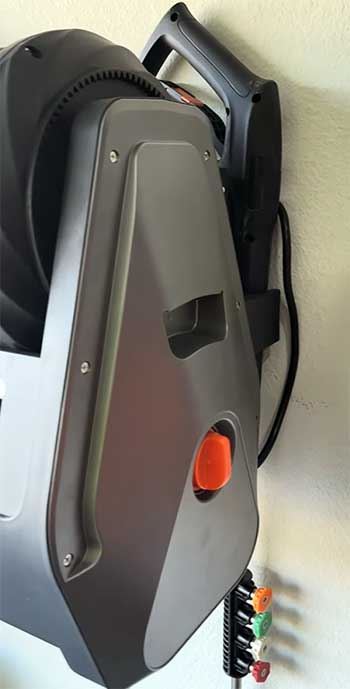
When I put my Westinghouse up against Giraffe Tools models, like their Grandfalls series, the standout difference is in design and setup.
Giraffe Tools often come with wall-mount options and retractable hoses up to 100 feet, which is fantastic if you want a stationary setup in your garage—always ready without dragging equipment around.
Their units, rated around 2500 to 3300 PSI with about 2.1 GPM, match my Westinghouse WPX3400e’s power for blasting grime off siding or patios.
I love how Giraffe emphasizes quiet operation and energy efficiency; their brushless motors run cooler and last longer, similar to mine, but with that award-winning innovation for 2024.
However, Westinghouse wins for me in portability—it’s lighter and easier to wheel over uneven terrain without needing installation.
Price-wise, Giraffe might cost a bit more for those fancy features, but if you hate setup hassles, it could edge out.
For everyday home use, Westinghouse feels more straightforward, while Giraffe suits folks who prioritize convenience and storage.
- Westinghouse Vs. Magnum 4000 Pressure Washer
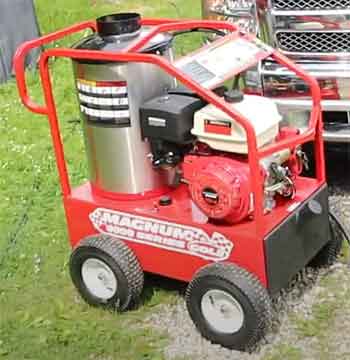
Stacking Westinghouse against the Magnum 4000 is like comparing apples to oranges since Magnum is typically a gas-powered hot water beast with 4000 PSI and 3.5 GPM, designed for commercial heavy-duty work.
That hot water capability melts through grease and oil stains way faster than my electric Westinghouse, which tops at 3400 PSI cold.
If you’re tackling industrial jobs or need that extra flow for large areas, Magnum’s Kohler engine and robust pump deliver reliability that pros swear by—I’ve seen reviews praising its durability in tough conditions.
But here’s where Westinghouse shines: no gas fumes, no pull-start struggles, and it’s way quieter for residential neighborhoods. Maintenance is simpler too; I just plug in without worrying about fuel or oil changes that Magnum requires. Cost upfront might be higher for Magnum, and it’s bulkier to store.
For home warriors like me, Westinghouse offers plenty of punch without the complexity, but if heat and raw power are must-haves, Magnum pulls ahead for pros.
- Westinghouse Vs. PowRyte Pressure Washer
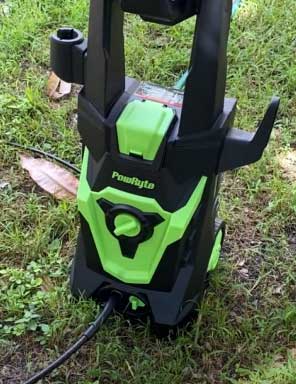
Comparing my Westinghouse to PowRyte electric models, such as their 3800 PSI unit with 2.6 GPM, it’s a close call on specs—PowRyte edges out slightly in pressure and flow, making it great for quick rinses on cars or decks with that included foam cannon for soapy fun.
Reviews highlight PowRyte’s affordability and ease of use, much like Westinghouse, with quick-connect tips and a compact design that fits small spaces.
I appreciate how both are plug-and-play, drawing standard power without issues.
However, from what I’ve gathered, Westinghouse feels more durable long-term; PowRyte gets mixed feedback on build quality, with some users noting leaks or motor strain after a year, while my unit’s held strong without hiccups.
Noise levels are similar, but Westinghouse’s anti-tip stability gives it an advantage on slopes. Price is comparable, often under $300 for both, but if you want proven reliability over raw PSI claims, I’d lean Westinghouse. PowRyte suits budget hunters who need that extra foam feature, though.
Frequently Asked Questions (FAQ)
Westinghouse tops many lists for value and performance, alongside Greenworks and Ryobi.
Westinghouse offers better value for home use; DeWalt excels in durability for pros.
Simpson for industrial strength; Westinghouse for affordable home efficiency.
Yes, it’s excellent for tough jobs with strong PSI and easy handling.
Wrapping Up: Make The Smart Choice With Westinghouse
After all my time with it, I stand by the Westinghouse electric pressure washer as a must-have for anyone serious about home maintenance. It’s powerful, reliable, and hassle-free, turning dreaded chores into quick wins.
You won’t regret the investment—grab one today and see the difference for yourself. Your property deserves that shine, and this machine delivers without fail.