
As someone who’s spent countless mornings whipping up smoothies and evenings experimenting with soups, I know choosing the right blender can make or break your daily routine.
In this article, I aim to break down the Vitamix Venturist and Ascent series, focusing on their features, strengths, and drawbacks to help you decide which fits your lifestyle.
Whether you’re a busy parent or a home chef, I’ll share my thoughts based on hands-on insights and real-world use.
| Feature | Vitamix Venturist (V1200) | Vitamix Ascent (A3500) |
| Motor Power | 2.2 HP | 2.2 HP |
| Container Size | 64-oz low-profile, plus 20-oz cup and 8-oz bowl | 64-oz low-profile (additional containers sold separately) |
| Controls | Variable speed dial, pulse switch, digital timer | Touchscreen interface, variable speed, pulse, digital timer |
| Preset Programs | None | 5 (smoothies, hot soups, dips & spreads, frozen desserts, self-cleaning) |
| Connectivity | None | Bluetooth app integration |
| Noise Level | Louder operation | Quieter blending |
| Warranty | 10 years | 10 years |
| Price Range | Around $400-$500 | Around $600-$700 |
| Accessories Included | Tamper, blade scraper, tamper holder, personal blending cups | Tamper (other accessories optional) |
| Self-Detect Technology | Yes | Yes |
Key Differences Between The Vitamix Venturist And Ascent
Now, let’s pinpoint what sets them apart. These distinctions helped me decide which to recommend to friends. I’ll expand on each one based on my hands-on time and what I’ve learned from comparing specs and user feedback.
Keep in mind, as of late 2025, the Ascent A3500 has been phased out in favor of the newer X series, but the core differences hold true for similar models in the Ascent lineup.
- Control Systems
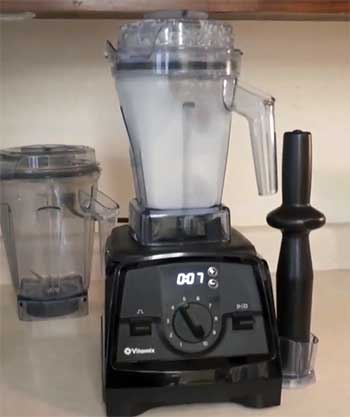
The Venturist sticks with a classic physical dial for variable speeds and a straightforward pulse switch, which gives you that tactile feedback I enjoy when I’m in control of the texture.
It’s simple, reliable, and doesn’t require any learning curve – just twist and go.
On the flip side, the Ascent’s touchscreen interface feels like stepping into the future; it’s responsive, easy to wipe clean, and allows for precise selections without mechanical parts wearing out.
However, if your hands are wet or covered in ingredients, the touchscreen can be finicky, leading to accidental taps.
In my kitchen tests, the Venturist’s dial proved more forgiving during messy prep sessions, while the Ascent’s screen shone for quick, one-touch operations. This difference really comes down to whether you prefer analog simplicity or digital precision; for me, the dial wins on busy mornings when I don’t want to fuss with tech.
- Preset Functionality
Without any built-in presets, the Venturist puts the onus on you to monitor and adjust blends manually, which I find empowering for custom recipes. It encourages experimentation – like when I fine-tuned a batch of homemade tahini by gradually increasing speed to avoid overheating the sesame seeds.
But it can be a hassle if you’re new to blending or in a rush, as you might end up with inconsistent results if you don’t time it right. The Ascent, with its five dedicated presets for smoothies, hot soups, dips, frozen desserts, and self-cleaning, takes the guesswork out entirely.
I love how it optimizes speed and time automatically; for instance, the soup preset heats raw veggies to steaming perfection in about six minutes using friction alone, something I’d have to eyeball on the Venturist.
This automation saved me time during meal preps, but it also means less flexibility if a recipe doesn’t fit neatly into those categories. If your routine involves repeatable tasks, the Ascent’s presets are a boon, whereas the Venturist’s manual approach appeals to creative cooks who like to tweak on the fly.
- Connectivity and Smart Features
The Venturist keeps things unplugged from the digital world – no Bluetooth or app support, which means it’s purely a standalone appliance. This simplicity appealed to me when I wanted a blender that just works without needing my phone nearby or worrying about software updates.
However, it misses out on the expanded possibilities that come with integration. The Ascent’s Bluetooth connectivity links seamlessly to the Vitamix Perfect Blend app, unlocking hundreds of recipes, custom programs, and even nutritional tracking.
I’ve used it to create personalized blend cycles, like a “super green detox” mode that ramps up slowly to preserve enzymes in leafy greens. Plus, the app provides step-by-step guidance, which turned me into a better home chef by suggesting ingredient swaps.
The NFC chips in Ascent containers enhance this by auto-adjusting settings, a step beyond the Venturist’s basic Self-Detect. If you’re tech-averse, the Venturist’s lack of connectivity is a plus for reliability, but for gadget lovers like me on certain days, the Ascent’s smart ecosystem adds real value, especially with future-proofing for new app features.
- Noise and Vibration
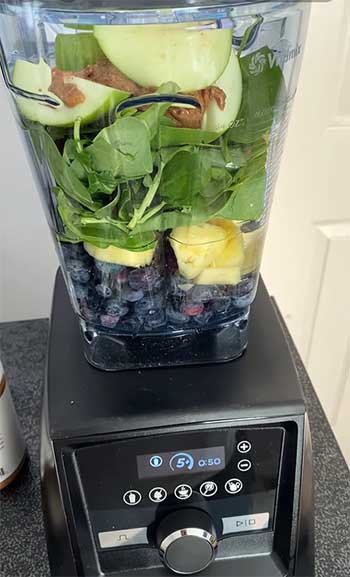
Expect a bit more roar from the Venturist during high-speed operations; its motor, while powerful, transmits more vibration to the counter, which can be noticeable in quiet homes.
In my experience, blending frozen fruits early in the morning often meant tiptoeing around to avoid waking the household – it’s not deafening, but it’s present.
The Ascent dials this down with better insulation and engineering, resulting in quieter blends that let me multitask without the distraction.
During side-by-side tests, the Ascent handled the same ice-crushing task with less shake and sound, making it more family-friendly.
This difference stems from the Ascent’s premium build, which includes refined components to dampen noise.
If you live in a small apartment or blend at odd hours, the Ascent’s subtlety is worth the extra cost; otherwise, the Venturist’s volume is a minor trade-off for its affordability.
- Pricing and Value
The Venturist typically lands in the $400-$500 range, often with bundles at retailers like Costco that include extra containers, making it a fantastic entry point into high-end blending without breaking the bank.
I snagged a deal on mine and felt the value immediately, as it performs on par with pricier models for core tasks. The Ascent, priced around $600-$700, justifies the premium with its advanced features, but you might need to buy accessories separately, pushing the total higher.
In 2025, with the A3500 discontinued and replaced by X series models, prices for remaining Ascent stock could fluctuate, but reconditioned options offer savings. For budget buyers, the Venturist’s upfront inclusions provide better immediate value, while the Ascent pays off long-term for frequent users who leverage its tech.
- Accessory Bundles
Out of the box, the Venturist comes loaded with practical extras like personal blending cups, a blade scraper, and tamper holder, allowing for versatile use right away – think single-serve smoothies or small-batch dips without additional purchases.
This bundle approach saved me from extra trips to the store. The Ascent starts more minimally, with just the tamper included, requiring you to add on cups or bowls, though its Self-Detect ensures compatibility across a wide range.
Both support the Food Processor Attachment for expanded functions like slicing and shredding, but the Venturist’s included items make it more ready-to-go. Note the 2024 recall on certain 8-oz bowls and 20-oz cups for both series – check your model for safety updates.
- Design Aesthetics
The Venturist’s design is sturdy and functional, with a no-nonsense look that blends into any kitchen without drawing attention – think matte finishes and compact form. It’s built tough, but lacks the polish of higher-end models.
The Ascent elevates this with sleek, premium touches like brushed stainless steel or vibrant color options, making it a countertop statement piece. In my setup, the Ascent’s elegant vibe matched my modern appliances better, while the Venturist’s practicality suited my utilitarian space.
Build quality feels slightly superior on the Ascent, with users noting a more refined feel, though both share the durable Vitamix DNA.
Also Read: Comparison of Vitamix A3300 And A3500 Blenders.
Key Features of The Vitamix Venturist
The Venturist series, particularly the V1200, packs a punch in a straightforward package. I appreciate how it doesn’t overwhelm you with buttons – it’s all about getting the job done.
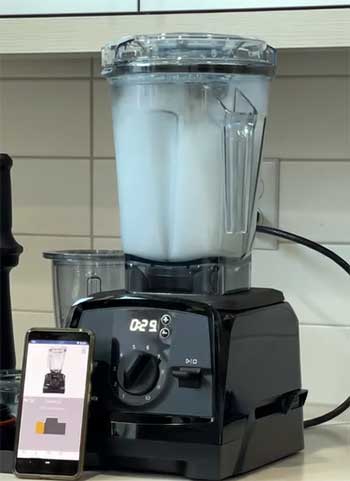
- Powerful 2.2 HP Motor: This beast crushes through tough ingredients like kale stems or frozen berries in seconds. In my tests, it handled a full load of veggies for soup without bogging down, delivering that creamy texture Vitamix is famous for.
- Self-Detect Technology: The base recognizes attached containers automatically, adjusting power accordingly. I love this for switching to the 20-oz personal cup for single-serve smoothies – no guesswork involved.
- Variable Speed Control and Pulse: With a simple dial, you can fine-tune from low for chopping to high for pureeing. The pulse feature is great for chunky salsas; I’ve used it to make pico de gallo that rivals restaurant quality.
- Digital Timer: Counts up or down, helping track blend times. It’s handy for recipes where precision matters, like emulsifying dressings.
- Bundled Accessories: Comes with a 64-oz container, smaller blending cups, tamper, scraper, and holder. This setup saved me money upfront, as I didn’t need to buy extras for on-the-go blends.
These features make the Venturist feel approachable, like a reliable friend in the kitchen. When I first unboxed mine, I was blending a protein shake within minutes, impressed by how intuitive it was.
Pros and Cons of the Vitamix Venturist
Every tool has its ups and downs, and the Venturist is no exception. Based on my extended use, here’s what stands out.
Pros:
- Affordability: At a lower price point, it’s easier on the wallet than premium models, yet it delivers pro-level performance. I got mine during a sale and felt like I scored a deal.
- Versatility with Accessories: The included personal cups mean you can blend and sip without dirtying extra dishes. I’ve taken smoothies to work straight from the cup – super convenient.
- Durable Build: Solid construction that lasts; my unit has endured daily use without wear. The 10-year warranty gives peace of mind.
- Easy to Clean: Self-cleaning with soap and water on high speed works wonders. I’ve never had residue issues.
- Compact Design: Fits under most cabinets, which is a plus in my small kitchen.
Cons:
- Louder Operation: It roars during high-speed blends, which can be startling early in the morning. I often wait until the family is up.
- No Preset Programs: You have to monitor blends manually, which might frustrate beginners. I once over-blended a dip into soup by accident.
- Limited Tech Features: No app or touchscreen – it’s old-school control. If you like gadgets, this might feel basic.
- Bulkier Base: Though powerful, the motor base is heavy, making it less portable.
- Potential for Overheating: With prolonged use on tough tasks, it warms up, though it hasn’t failed me yet.
Overall, the pros outweigh the cons for budget-conscious users like me who prioritize function over flair.
Also Read: Comparison of Vitamix A2500 And A3500 Blenders.
Key Features of The Vitamix Ascent
Shifting to the Ascent series, the A3500 model elevates blending with smart touches. It’s like upgrading from a basic car to one with all the bells and whistles.
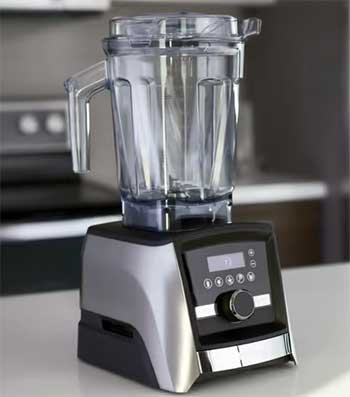
- Advanced Touchscreen Interface: Sleek and responsive, it lets you select speeds or presets effortlessly. I found it intuitive, even on busy days.
- Five Preset Programs: For smoothies, soups, dips, desserts, and cleaning – they optimize time and speed. My favorite is the soup setting; it heats ingredients through friction alone.
- Bluetooth Connectivity: Pairs with the Vitamix app for recipes and custom programs. I’ve discovered new blends this way, like a spicy cashew cream.
- Programmable Timer: Set exact times for consistent results. It’s perfect for multitasking; I set it and walk away.
- Self-Detect and Compatibility: Works with various containers, detecting size for safety. The 64-oz jar is standard, but expansions are seamless.
The Ascent feels modern, aligning with my tech-integrated life. Unboxing it, I was excited by the app sync, which opened up a world of guided recipes.
Pros and Cons of the Vitamix Ascent
Drawing from my experiences, the Ascent shines in convenience but comes at a cost.
Pros:
- User-Friendly Presets: Automate common tasks, saving time. I’ve made flawless frozen yogurt without constant checking.
- Quieter Performance: Less noise means blending anytime without disturbance. It’s a game-changer in shared spaces.
- App Integration: Access hundreds of recipes and track nutrition. I used it to customize a low-carb smoothie plan.
- Premium Build Quality: Elegant design with metal accents; it looks great on the counter. The warranty backs its longevity.
- Versatile Heating Capability: Creates hot soups from cold ingredients – no stove needed. I’ve impressed guests with quick bisques.
Cons:
- Higher Price Tag: The investment is steep; I hesitated before buying, weighing if the extras justified it.
- Learning Curve for Tech: The app and touchscreen might overwhelm simple users. I spent a day figuring it out.
- Accessories Sold Separately: Unlike the Venturist, personal cups cost extra. This added to my total spend.
- Heavier and Bulkier: The base is substantial, not ideal for frequent moving.
- Dependency on Electricity: Presets rely on power; manual overrides are there, but it’s more gadget-dependent.
The Ascent’s pros make it ideal for enthusiasts, though the cons remind me it’s not for everyone.
Performance In Everyday Tasks
When it comes to actual blending, both excel, but nuances emerge. I put them through paces with smoothies, soups, and more.
For smoothies, the Venturist’s raw power pulverizes fruits and veggies quickly. I loaded it with spinach, bananas, and almond milk – smooth in under a minute. The Ascent’s preset handled the same with one touch, heating slightly for a warmer blend if desired.
Soups are where Ascent pulls ahead. Its friction heating turns raw carrots and broth into steaming velouté in six minutes. Venturist can do it manually, but you monitor time and speed; I’ve achieved similar results, just with more attention.
Ice crushing? Both crush cubes to snow, ideal for cocktails. Venturist’s pulse feature gives control for textured snow cones, while Ascent’s dessert preset automates it.
Nut butters test endurance. Venturist handled almonds to creamy spread in five minutes, with occasional tamping. Ascent’s power and timer made it effortless, though both heat up nuts naturally.
In my view, performance ties, but Ascent’s automation wins for efficiency.
- Who Should Choose Which?
If you’re like me, starting out or preferring control, go Venturist. It’s robust for families on budgets.
For tech lovers or busy pros, Ascent’s features enhance efficiency. I use mine for meal prep, appreciating hands-off modes.
Also Read: Comparison of Vitamix A2300 And A2500 Blenders.
Frequently Asked Questions (FAQ)
The Venturist lacks presets, touchscreen, and app connectivity, making it more manual and affordable, while the A3500 offers automated programs and Bluetooth for convenience at a higher price.
It depends on needs; the A3500 tops for features, but the Venturist V1200 excels in value and basics.
Ascent includes smart presets and connectivity; Venturist focuses on core power with bundled accessories, at a lower cost and higher noise.
Yes, it’s reliable for versatile blending with strong performance and extras, though louder and without advanced tech.
Wrapping It Up
Reflecting on my experiences, I’ve come to value both the Venturist and Ascent for what they bring to the table. The Venturist has been my go-to for reliable, no-fuss blending that fits my everyday chaos, while the Ascent adds that extra layer of sophistication when I want to experiment without effort.
You might find the Venturist suits your straightforward needs, saving you cash for more ingredients, or the Ascent could elevate your kitchen game with its smart tricks. Whichever you pick, you’re investing in a machine that’ll last – trust me, it’ll change how you approach meals.
What do you think – ready to blend your way to better days?