
As a kitchen enthusiast who’s spent countless hours blending everything from morning smoothies to homemade nut butters, I’ve put both the Vitamix A3500 and the 5200 through their paces.
My goal here is to break down their differences so you can figure out which one fits your needs—whether you’re after modern conveniences or straightforward reliability.
We’ll cover features, performance, and value to help you make a smart choice.
| Feature | Vitamix A3500 | Vitamix 5200 |
| Price | Around $700 | Around $450 |
| Warranty | 10 years | 7 years |
| Motor Power | 2 peak HP | 2 peak HP |
| Container Size | 64-oz low-profile with self-detect | 64-oz classic tall |
| Controls | Touchscreen, variable speed, pulse | Manual dial (1-10), high/variable switch |
| Programs | 4 presets (smoothies, soups, dips, desserts) plus self-clean | None (manual only) |
| Timer | Programmable digital timer | None |
| Connectivity | Bluetooth for app integration | None |
| Noise Level | Quieter operation | Slightly louder |
| Weight | About 11 lbs | About 10.5 lbs |
| Accessories Included | Low-profile tamper, cookbook | Tamper, cookbook |
Key Differences Between Vitamix A3500 And 5200
After spending time with both models, I’ve pinpointed the standout differences that could sway your decision. These aren’t just specs on paper—they’ve impacted how I use them in real scenarios, from quick breakfasts to elaborate meal preps.
I’ll break them down category by category, sharing my take as someone who’s blended through highs and lows with each. This way, you can see what matters most for your setup.
- Design and Container Style
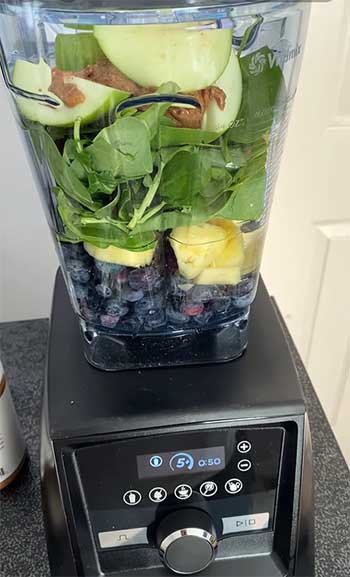
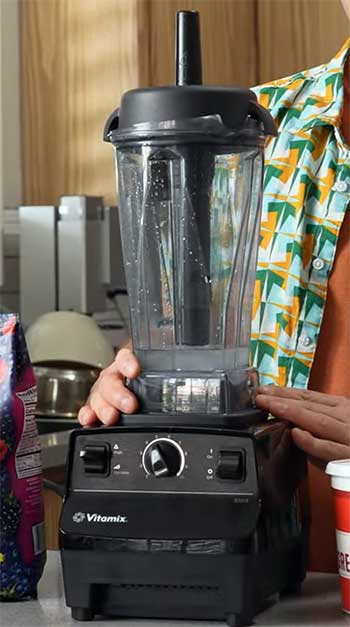
The 5200 sports a classic tall, narrow 64-ounce container that’s about four inches taller overall, making it a bit trickier to store under low cabinets—I often have to tilt it or find a dedicated spot.
In contrast, the A3500 uses a low-profile, wider jar of the same capacity, which slides easily under most counters.
From my experience, the 5200’s tapered design excels at creating a strong vortex for small batches, like a single smoothie, pulling ingredients down without much tampering.
The A3500, however, handles larger volumes better but can require extra liquid or scraping for tiny portions.
If space is tight or you blend for crowds, this is a key factor.
- Controls and User Interface
Here’s where the generational gap shows. The 5200 keeps it old-school with a manual speed dial (1-10) and a high/variable switch—no frills, just reliable mechanical control. I appreciate how tactile it feels, letting me adjust on the fly based on intuition.
The A3500 steps up with a touchscreen interface, pulse button, and programmable timer, which I’ve found incredibly handy for precise blends without constant monitoring. It auto-stops after the set time, preventing over-processing delicate items like emulsions.
If you’re hands-on like me sometimes, the 5200 satisfies, but for streamlined operation, the A3500’s digital setup wins.
- Preset Programs and Automation
The 5200 has zero presets—everything’s manual, so you time and speed things yourself. This suited me fine for basic tasks, but it meant watching the clock for soups or desserts. The A3500 shines with five built-in programs: smoothies, hot soups, dips and spreads, frozen desserts, and self-cleaning.
These auto-adjust based on what’s in the jar, thanks to self-detect tech that senses container size. In my tests, popping in ingredients for a hot soup and walking away while it heats via friction was a game-changer.
It’s perfect if you multitask; otherwise, the 5200’s simplicity might appeal to purists.
- Connectivity and Smart Features
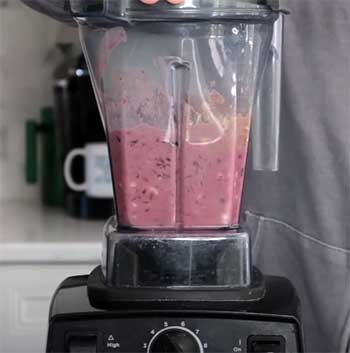
No connectivity on the 5200—it’s purely analog, which means no updates or extras beyond what’s in the box.
The A3500 integrates Bluetooth for the Vitamix app, unlocking custom recipes, blending modes, and even firmware updates.
I’ve used the app to tweak settings for specific diets, like low-carb options, keeping the blender feeling fresh over time.
Plus, it pairs with additional containers for expanded versatility.
If tech enhances your kitchen flow, this is a big plus; for offline reliability, the 5200 holds strong.
- Noise Level and Performance Nuances
Both share a 2-peak horsepower motor, so raw power is equal—they crush ice, grind nuts, and puree fibrous veggies with ease. But the A3500 runs quieter, which I noticed during early blends without disturbing others.
It also processes tough ingredients slightly faster in my side-by-sides, like turning kale into silk quicker. The 5200 can be louder on high, but its radial cooling prevents overheating during long sessions. For ice, the A3500 makes bigger, snowier batches efficiently. If noise bothers you or you blend often, lean A3500.
- Warranty and Price Point
The 5200 comes with a solid 7-year warranty, which has covered me without issues. The A3500 extends to 10 years, adding peace of mind for the investment. Price-wise, the 5200 sits around $450, making it more accessible, while the A3500 hovers near $700 due to its features.
In value terms, if you want basics that last, the 5200 delivers; for long-term upgrades, the A3500 justifies the spend.
- Accessories and Compatibility
Both include a tamper and cookbook, but the A3500’s Ascent series opens doors to more add-ons, like personal cups or food processor attachments, via self-detect.
The 5200 sticks to classic containers, limiting expansion. I’ve added a dry grains jar to my A3500 setup, broadening its use for flours—something the 5200 handles but without the seamless integration.
These differences boil down to modern convenience versus timeless reliability. Depending on your routine, one might click better. For me, the A3500 edges out for daily ease, but the 5200’s no-nonsense approach never disappoints.
Key Features of The Vitamix A3500
The A3500 is part of Vitamix’s Ascent series, which means it’s loaded with smart tech. Here’s what sets it apart, based on my hands-on time:
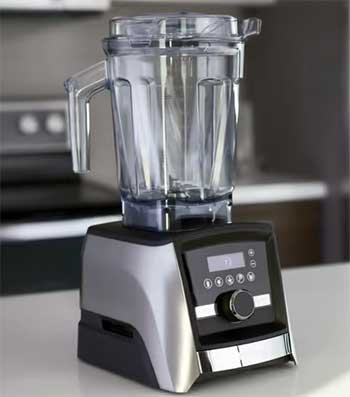
- Touchscreen Interface: This is a game-changer for quick adjustments. I can tap to select speeds or programs without dealing with knobs that might get sticky over time. It’s responsive and easy to wipe clean after messy blends.
- Preset Programs: With options for smoothies, hot soups, dips and spreads, and frozen desserts, it takes the guesswork out. I love how it auto-adjusts based on the container and stops when done, freeing me up to multitask in the kitchen.
- Programmable Timer: Set exact blend times down to the second. This came in handy when I was experimenting with recipes, ensuring I didn’t over-blend delicate items like herb pestos.
- Bluetooth Connectivity: Pairs with the Vitamix app for custom recipes and updates. I’ve used it to unlock new blending modes, which keeps things fresh even after months of use.
- Self-Detect Technology: The base senses the container size and adjusts settings automatically. It’s perfect if you expand your setup with smaller jars for personal portions.
- Low-Profile Container: Wider base fits under most cabinets, but it requires a bit more volume for small batches. I found it blends large quantities smoothly without splashing.
These features make the A3500 feel modern and user-friendly, especially if you’re someone like me who enjoys tech in the kitchen.
Pros of The Vitamix A3500
From my perspective, the A3500 shines in convenience and versatility. Let’s list out the upsides with some real talk:
- Ease of Use for Beginners: The presets mean you don’t need to be a pro to get perfect results. I remember my first hot soup—it heated and blended without me watching the clock.
- Quieter Blending: Compared to older models, it’s noticeably less noisy. This matters when I’m blending early mornings without waking the household.
- Longer Warranty: That 10-year coverage gives peace of mind. I’ve had mine for a while, and knowing repairs are covered if needed feels reassuring.
- App Integration: Access to recipes and tips via Bluetooth keeps me inspired. I’ve discovered blends I wouldn’t have tried otherwise, like creamy cashew milks.
- Pulse Feature: Great for chunky salsas or controlled textures. It adds precision that manual dials sometimes lack.
- Self-Cleaning Cycle: Just add water and soap, hit the button—done. This saves time on cleanup, which I appreciate after busy cooking sessions.
Overall, these pros make it ideal for busy folks who want efficiency without sacrificing power.
Cons of The Vitamix A3500
No blender is perfect, and the A3500 has its drawbacks. Here’s what I’ve noticed:
- Higher Price Tag: At around $700, it’s a bigger investment. I weighed if the extras justified the cost, and for some, they might not.
- Touchscreen Sensitivity: In a steamy kitchen, it can be finicky with wet fingers. I’ve had to dry my hands mid-blend a few times.
- Small Batch Challenges: The wide container needs more ingredients to blend effectively. When I try single-serve smoothies, it sometimes struggles without extra liquid.
- Tech Dependency: If the app or connectivity glitches, you lose some features. Though rare, it happened once during an update for me.
- Heavier Build: Slightly bulkier than basics, which might matter if counter space is tight.
- Overkill for Simple Tasks: If you just want to blend and go, the bells and whistles might feel unnecessary.
These cons are minor for tech lovers, but they could sway budget-conscious users.
Key Features of The Vitamix 5200
The 5200 is a classic for a reason—it’s straightforward and built to last. During my testing, it reminded me why Vitamix earned its reputation:
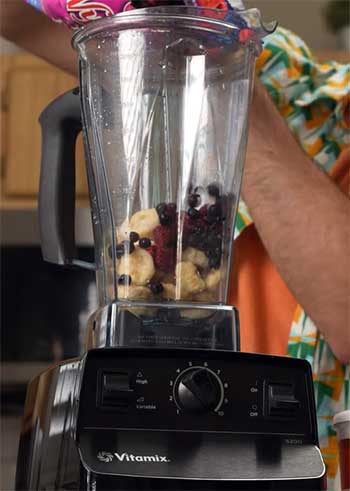
- Manual Speed Dial: Variable speeds from 1 to 10, plus a high-speed switch. I control everything precisely, which is satisfying for hands-on blending.
- Powerful Motor: Same 2 HP as pricier models, tackling tough jobs like ice crushing or nut grinding without strain.
- Tall Container Design: Narrower profile excels at small batches. I’ve made single smoothies that vortex perfectly without scraping sides often.
- Radial Cooling System: Keeps the motor from overheating during long blends. I’ve run it for extended sessions without issues.
- Thermal Protection: Auto-shuts if too hot, protecting the machine. It’s a safety net I’ve rarely needed but value.
- Simple Controls: No screens or apps—just dials and switches. This durability appeals if you prefer mechanical over digital.
It’s the no-frills option that delivers consistent results every time.
Pros of The Vitamix 5200
This model wins on reliability and value. Here’s why it holds up in my book:
- Affordable Entry Point: Around $450 gets you pro-level blending without extras. I see it as smart spending for core performance.
- Excellent for Small Batches: The tall jar creates a better vortex with less volume. Perfect for my solo green juices.
- Durable Build: Mechanical controls feel robust and less prone to failure. Mine’s handled years of use without a hitch.
- Versatile Performance: Handles everything from soups to flours. I’ve ground coffee beans flawlessly.
- Easy to Learn: Intuitive setup means quick mastery. I taught a friend in minutes.
- Strong Warranty: 7 years covers the essentials, and Vitamix’s service is top-notch from my experience.
It’s a workhorse that doesn’t complicate things.
Cons of The Vitamix 5200
Even classics have flaws. Based on my usage:
- No Presets: Everything’s manual, so timing relies on you. I’ve over-blended a few times learning the ropes.
- Louder Operation: The noise is more pronounced, especially on high. Earplugs helped during big batches.
- Shorter Warranty: 7 years vs. longer on newer models. Though solid, it feels less future-proof.
- No Timer or Pulse: Lacks precision for some recipes. I improvise, but it’s not ideal.
- Tall Container Height: Might not fit under low cabinets. I store mine sideways.
- Basic Design: Feels dated if you like modern aesthetics.
These are trade-offs for its simplicity.
Blending Performance: How They Stack Up in Real Life?
Let’s talk about what matters most—how they perform. Both pack a 2 HP motor, so power isn’t the differentiator. But nuances emerge in daily use.
I started with smoothies. The A3500’s preset whipped up a silky kale-banana mix in under a minute, auto-stopping perfectly. With the 5200, I dialed in speed manually, achieving similar results but watching closely. The 5200’s tall jar pulled ingredients down better for smaller amounts, while the A3500’s low-profile shone for family-sized portions.
For hot soups, the A3500’s program heated via friction effortlessly—I poured in veggies, hit start, and had steaming tomato bisque.
The 5200 requires monitoring speed and time, but it gets there just as hot.
I prefer the A3500 here for set-it-and-forget-it convenience.
Ice crushing? Both excel, but the A3500 made snow-like consistency faster for margaritas, perhaps due to optimized blades.
The 5200 took a tad longer but crushed evenly.
Noise-wise, the A3500 is gentler on the ears, which I noticed during back-to-back tests.
Nut butters are where the 5200 impressed me more.
Its container design minimized sticking, and manual control let me adjust on the fly. The A3500 did fine, but I scraped more often for small batches.
In terms of fibrous ingredients like celery or ginger, the A3500 processed them smoother quicker, likely from its programming. But honestly, both leave no chunks if you blend long enough.
Durability tests? I’ve dropped tampers and jars—both hold up. The A3500’s touchscreen worries me long-term, but it’s proven resilient so far.
Who Should Choose Which?
If your kitchen routine involves quick, automated blends, go A3500. It’s for busy parents or gadget fans like me on hectic days.
The 5200 suits purists who enjoy control and don’t mind manual tweaks. It’s reliable for raw foodists or bulk preppers.
Both last years, so think about your style.
Frequently Asked Questions (FAQ)
Yes, if you want presets and tech features for easier blending.
Its simplicity, power, and affordability make it a timeless choice for reliable performance.
It depends—the A3500 for modern convenience, the 5200 for classic value.
Absolutely, its powerful motor turns ice into snow quickly.
Wrapping It Up: My Final Thoughts For You
I’ve shared my experiences with these blenders, and I hope it’s clear they’re both winners in their ways. If you’re like me and crave that extra automation, the A3500 will elevate your kitchen game.
But if you prefer keeping things simple and saving some cash, you can’t go wrong with the 5200. Whichever you choose, you’ll wonder how you lived without it. Thanks for reading—now go blend something amazing!