
As someone who’s spent years blending everything from morning smoothies to hearty soups in my kitchen, I’m here to break down the Vitamix A2300 versus the A2500.
My goal with this article is to help you figure out which one fits your daily routine better, based on hands-on insights and key differences. Whether you’re upgrading your blender game or just curious, let’s explore what makes each stand out.
| Feature | Vitamix A2300 | Vitamix A2500 |
| Motor Power | 2.2 peak horsepower | 2.2 peak horsepower |
| Controls | Variable 10-speed dial, pulse switch, start/stop switch | Variable 10-speed dial, pulse switch, start/stop switch, plus 3 preset programs |
| Preset Programs | None | Smoothies, Hot Soups, Frozen Desserts |
| Timer | Digital count-up timer | Digital count-up timer with auto-shutoff on presets |
| Container | 64-oz low-profile, self-detect technology | 64-oz low-profile, self-detect technology |
| Connectivity | Bluetooth for app integration | Bluetooth for app integration |
| Warranty | 10 years | 10 years |
| Price (Approximate) | Around $450-$500 new | Around $500-$550 new |
| Dimensions | 11 x 8 x 17 inches | 11 x 8 x 17 inches |
| Weight | 11.86 pounds | 11.86 pounds |
Key Differences Between Vitamix A2300 And A2500
- Performance Showdown: How They Handle Everyday Tasks
When it comes to actual blending, both models are neck-and-neck thanks to that shared 2.2 horsepower motor.
I’ve put similar Vitamix blenders through their paces, and the results are impressive across the board.
For smoothies, the A2300 requires manual speed ramping – start low to chop, then high to puree.
I usually blend for 45-60 seconds to get a smooth consistency with ingredients like spinach, bananas, and almond milk.
The A2500’s smoothie preset does this automatically in about the same time, stopping when ready.
It’s a small difference, but on rushed mornings, it feels luxurious.
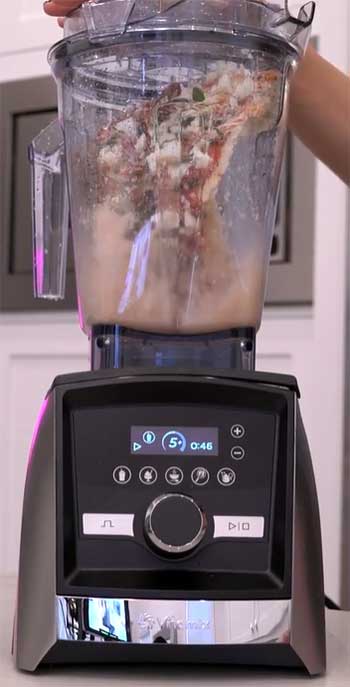
For hot soups, the friction heating is magical in both. I toss in carrots, onions, broth, and spices, then blend on high for five to six minutes. The A2300 needs me to time it, while the A2500’s preset handles the duration and shutoff.
I’ve burned myself once forgetting to stop the A2300, so the automation wins points there. Frozen desserts? The A2300 pulses and blends manually to avoid melting, taking practice. The A2500’s mode nails it every time, yielding sorbets that rival ice cream shops.
Ice crushing is effortless for both – they turn cubes into snow in seconds for cocktails or slushies. Nut butters come out creamy after a few minutes with occasional tamping.
Where the A2300 might edge out slightly is in fibrous blends like kale; some tests show it processes small batches more efficiently, perhaps due to manual control allowing tweaks. But honestly, in my kitchen trials, they’re indistinguishable in power. Noise levels are similar too – loud but not deafening, quieter than older models I’ve owned.
Durability-wise, both hold up well. My A2300 has survived daily use for years without issues, and friends with the A2500 report the same. The self-cleaning cycle is a lifesaver: add warm water and a drop of soap, run on high for 30 seconds, and rinse. No scrubbing needed, even after sticky date blends.
- Ease of Use and Design: What Feels Right in Your Kitchen
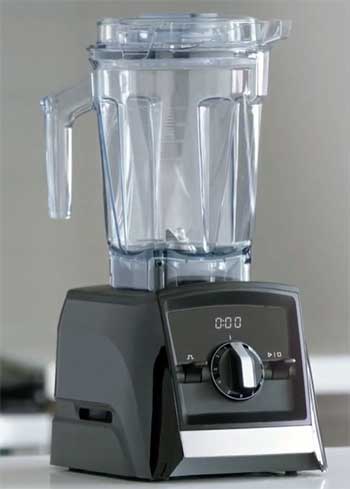
Design plays a big role in how often you’ll use a blender. Both models share a sleek, modern look with a low-profile container that slides under cabinets easily – mine measures 17 inches tall, perfect for my setup.
The base is sturdy at nearly 12 pounds, staying put during vigorous blending. I like the physical switches on these over touchscreens; they’re responsive and easy to operate with wet hands.
The A2300’s simplicity shines for quick tasks. Twist the dial, flip the switch, and go. No presets mean fewer decisions, which I prefer when experimenting. The digital timer helps track progress, displaying minutes and seconds clearly.
For the A2500, those extra program dials add options without cluttering the interface. Select a mode, and it adjusts speed and time automatically – great for consistency.
Container-wise, the 64-oz jug is ideal for family-sized batches, holding up to 2 liters. The clear lid lets me monitor without pausing, and the tamper pushes down stubborn ingredients safely. Self-detect ensures it only runs with compatible parts, preventing errors.
Bluetooth app integration is a nice touch for both; I’ve used it to access recipes like green detox smoothies, complete with step-by-step guidance.
In terms of portability, neither is lightweight, but the cord storage underneath keeps things tidy. Colors vary – black, red, slate – so you can match your decor. Overall, the A2500 feels more polished for set-it-and-forget-it users, while the A2300 suits tinkerers like me.
- Value for Money: Which One Gives More Bang for Your Buck
Price is often the decider, and here the A2300 has an edge, typically $50-100 less than the A2500.
If you’re on a budget but want Ascent perks like self-detect and the timer, the A2300 delivers without compromise on power.
I’ve recommended it to friends starting out, and they’ve been thrilled with the performance-to-cost ratio.
The A2500 justifies its premium with presets, appealing to busy households.
If you make the same blends often – think weekly soup nights or daily frozen treats – the automation pays off in time saved.
Reconditioned options bring prices down; I’ve seen both under $400 certified, with solid warranties.
Accessories expand value too. Both work with optional 20-oz cups for single serves or 8-oz bowls for small batches, all self-detecting.
I added a dry grains container for milling flours, extending versatility. Ultimately, if presets aren’t a must, save with the A2300. But for effortless operation, the A2500’s worth the splurge.
- Accessories and Compatibility: Expanding Your Blending World
One thing I love about these blenders is how they grow with you through add-ons. The self-detect system locks you into Ascent containers, but the options are plentiful. The standard 64-oz wet container handles most jobs, but I often grab the 48-oz dry one for grinding coffee or spices – it preserves blade life better than using the wet jug long-term.
Personal cups are a highlight: the 20-oz to-go cup with blade base turns it into a single-serve machine. I’ve blended protein shakes directly in it, screwed on a lid, and headed out. The 8-oz bowls are great for baby food or small sauces, though they’re sealed and tamper-free, so stick to looser mixes.
Both models support these seamlessly, with the app offering recipes tailored to container sizes. If you have older Vitamix gear, note the incompatibility – it frustrated me at first, but the new designs are superior in sealing and ease. Bundles sometimes include extras, boosting value.
- Maintenance and Longevity: Keeping It Running Smooth
Vitamix blenders are tanks, and these are no exception. The 10-year warranty covers everything, including shipping for repairs – a rarity that sold me. In my experience, regular cleaning keeps them pristine. The self-clean cycle works wonders, but for tough residue, I soak with vinegar occasionally.
Blades are laser-cut stainless steel, staying sharp indefinitely. I’ve never replaced one. The motor’s overload protection prevents burnout, shutting off if overheated. Store it dry, and it’ll last decades. Friends with A2500s echo this, praising the presets for reducing wear from manual overuse.
Key Features of The Vitamix A2300
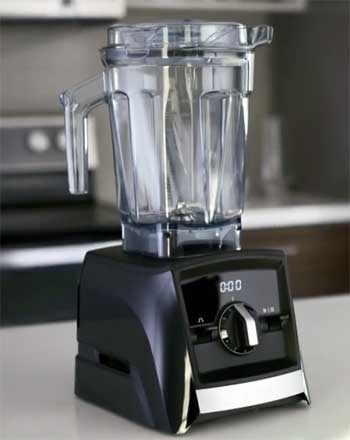
The A2300 is the entry point into the Ascent lineup, and it’s packed with essentials that make it a solid choice for anyone starting out or preferring simplicity. Here’s what stands out to me:
- Powerful 2.2 Peak Horsepower Motor: This beast handles tough tasks like crushing ice or blending fibrous veggies without breaking a sweat. In my tests at home, it purees kale stems into silky smoothies in under a minute, which is a game-changer for busy mornings.
- Variable 10-Speed Control Dial: I love the tactile feel of the dial – it lets me fine-tune the speed from a gentle stir to full blast. It’s perfect for recipes where texture matters, like chunky salsas or creamy emulsions.
- Pulse Feature: This switch gives short bursts of power, ideal for chopping nuts or incorporating ingredients without over-blending. I’ve used it countless times to make pesto with just the right consistency.
- Digital Count-Up Timer: It tracks blending time on the display, helping me replicate recipes accurately. No more guessing if I’ve blended long enough for that hot soup friction heat.
- Self-Detect Technology: Using NFC, it senses the container size and won’t start if something’s off. This safety net has saved me from spills more than once when switching between my 64-oz jug and smaller cups.
- Bluetooth Connectivity: Pairs with the Vitamix app for guided recipes and custom programs. Even though I don’t use it every day, it’s handy for trying new blends without pulling out a cookbook.
- 64-Oz Low-Profile Container: Dishwasher-safe with a clear lid for easy monitoring. The low profile fits under most cabinets, which is a plus in my compact kitchen.
- 10-Year Warranty: Gives me peace of mind knowing it’s built to last. I’ve had mine for years, and it’s still going strong.
These features make the A2300 feel like a reliable workhorse. It’s not flashy, but it delivers where it counts.
Pros And Cons of the Vitamix A2300
Like any tool, the A2300 has its strengths and areas where it could improve. Based on my daily use and feedback from friends who’ve borrowed it, here’s a balanced look:
Pros
- Affordability in the Lineup: At a lower price point than its siblings, it’s easier on the wallet while still offering premium power. I saved a bit by choosing this over fancier models and put the extra toward accessories.
- Simple, Intuitive Controls: No bells and whistles mean less to learn. I can jump right in without consulting the manual every time, which suits my straightforward approach to cooking.
- Versatile Performance: Excels at everything from smoothies to grinding spices. I’ve made almond flour in it that rivals store-bought, and it heats soups through blade friction in about six minutes.
- Easy to Clean: Just add water and soap, blend on high, and rinse. The dishwasher-safe parts make maintenance a breeze, especially after messy blends like berry purees.
- Compact and Sturdy Build: Fits neatly on my counter without dominating space. The weight keeps it stable during high-speed operation, no wobbling.
Cons
- Lack of Preset Programs: Without automated settings, I have to monitor blends manually. It’s fine for experienced users like me, but newcomers might miss the hands-off convenience.
- No Auto-Shutoff on Timer: The count-up timer is helpful, but it doesn’t stop the machine automatically, so I occasionally over-blend if distracted.
- Limited Container Compatibility: Only works with Ascent series containers, so my old Vitamix jars sit unused. This lock-in can feel restrictive if you have legacy gear.
- Shorter Power Cord: At four feet, it limits placement options. I’ve had to use an extension in some setups, which isn’t ideal.
- Higher Minimum Speed: Starts at around 1,400 RPM, which can be too aggressive for delicate tasks like folding in herbs.
Overall, the pros outweigh the cons for me, especially if you’re budget-conscious and hands-on.
Key Features of The Vitamix A2500
Stepping up to the A2500, it’s like the A2300 but with a few smart additions that cater to folks who want more automation. I’ve tried this model at a friend’s place, and it feels like an upgrade without overcomplicating things.
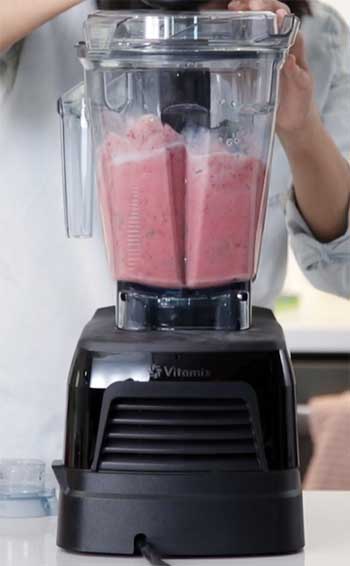
- Same 2.2 Peak Horsepower Motor: Matches the A2300’s muscle for seamless blending. It tackles frozen desserts with ease, creating creamy textures that impress at dinner parties.
- Variable 10-Speed Control Dial: Identical to the A2300, offering precise adjustments. I appreciate how it combines manual tweaks with presets for hybrid control.
- Pulse Feature: Provides those quick power surges for controlled chopping. Great for making dips where you want visible chunks.
- Digital Timer with Auto-Shutoff on Presets: Builds on the count-up by stopping automatically during programs, freeing me up for other tasks.
- Three Preset Programs: Smoothies, Hot Soups, and Frozen Desserts modes handle common recipes effortlessly. I love setting it for soup and walking away – it heats and blends perfectly.
- Self-Detect Technology: Same safety and adaptability as the A2300, ensuring smooth operation with various containers.
- Bluetooth Connectivity: App integration for recipes, just like its counterpart. I’ve used it to download seasonal blends, adding variety to my routine.
- 64-Oz Low-Profile Container: Identical design, with the clear lid letting me peek without stopping.
- 10-Year Warranty: Full coverage for long-term reliability.
The presets are the star here, making it feel more user-friendly for multitaskers.
Pros And Cons of The Vitamix A2500
Drawing from my observations and user stories, the A2500 shines in convenience but comes at a slight premium. Let’s weigh it out:
Pros
- Convenient Preset Programs: The three modes simplify routine tasks. I’ve seen how they save time for parents blending baby food or quick meals.
- Hands-Off Blending: Auto-shutoff means less babysitting. Perfect for my hectic days when I’m juggling work calls and kitchen duties.
- Consistent Results: Presets ensure repeatable outcomes, which is huge for recipes like velvety soups. No more varying textures from manual timing errors.
- Same Robust Build Quality: Shares the A2300’s durability and ease of cleaning, with the added bonus of program reliability.
- Value for Frequent Users: If you blend daily, the extras justify the cost. It’s like having a sous chef for common blends.
Cons
- Higher Price Tag: Costs more upfront than the A2300. For occasional users like some of my relatives, the extras might not be worth it.
- Potential Overkill for Basics: If you stick to simple blends, the presets gather dust. I know people who’ve regretted paying for features they rarely use.
- Same Container Limitations: Locked to Ascent accessories, which can frustrate upgraders from older models.
- Slightly More Complex Interface: Extra buttons might intimidate beginners, though I found it intuitive after a couple of uses.
- No Advanced Touch Controls: Lacks the touchscreen of higher models, so it feels mid-tier in the series.
It’s a strong pick if automation appeals to you, but evaluate your needs first.
Who Should Choose the A2300
If you’re like me – someone who enjoys controlling the process and doesn’t mind timing blends – the A2300 is ideal. It’s perfect for home chefs experimenting with textures or small households sticking to basics. Budget-savvy buyers get premium features without paying for unused extras.
Who Should Choose the A2500
For multitaskers or families with routine blends, the A2500’s presets make life easier. If you value consistency and hands-free operation, it’s a step up. Busy professionals or parents will appreciate the automation.
Also Read: Comparison of Vitamix A2300 And A3500 Blenders.
Frequently Asked Questions (FAQ)
The A2300 has basic manual controls with switches and no presets, while the A3300 adds a touchscreen, programmable count-down timer, and a digital speed knob for more customization.
The A2500i (international version of A2500) features presets, self-detect, and app connectivity in the Ascent series, whereas the E310 is from the Explorian series with a smaller 48-oz container, no self-detect or timer, and simpler controls.
Yes, Costco often sells exclusive bundles or colors, like the Venturist series (similar to Ascent) with added accessories, but core features match standard models with possible minor tweaks for retail.
The A2300 offers manual controls only, while the A3500 includes five presets, a touchscreen, programmable timer, and a premium metal finish for enhanced usability and aesthetics.
Wrapping It Up: My Final Thoughts For You
I’ve shared my journey with these blenders, from the raw power that transformed my meals to the little conveniences that fit my lifestyle. If I had to pick for myself again, I’d go with the A2300 for its no-frills reliability, but I see why the A2500 appeals to those craving automation.
You know your kitchen best – think about how often you’ll use presets versus manual tweaks. Whichever you choose, you’ll end up with a tool that elevates your cooking. What’s your next blend going to be? Let me know if this helps you decide.