
I’ve owned both the Vitamix 5200 (since 2017) and the 5300 (since 2022 when I upgraded for curiosity’s sake). After thousands of smoothies, soups, nut butters, and even grinding wheat into flour, I’m finally ready to settle the debate once and for all.
This article is my no-BS, real-user breakdown of which one actually deserves your $400–$550, why most reviews get it wrong, and which one I still reach for every single morning.
| Feature | Vitamix 5200 | Vitamix 5300 |
| Motor | 2.0 peak HP | 2.2 peak HP |
| Container | 64-oz tall narrow | 64-oz low-profile |
| Height with lid | 20.5 inches | 17.25 inches |
| Blade design | 3-inch (older style) | 4-inch wider |
| Cooling fan | Standard | Larger fan + radial cooling |
| Noise level | Loud (88–92 dB) | Slightly quieter (85–88 dB) |
| Pulse switch | No | Yes |
| Variable speed dial | 1–10 | 1–10 |
| Weight | 10 lbs 9 oz | 11 lbs 8 oz |
| Warranty | 7 years | 7 years |
| Current price (approx) | $399–$449 refurbished / $549 new | $460–$560 (often only refurbished) |
| Year released | 2007 | 2014 |
Head-to-Head Comparison of Vitamix 5200 And 5300 Blenders
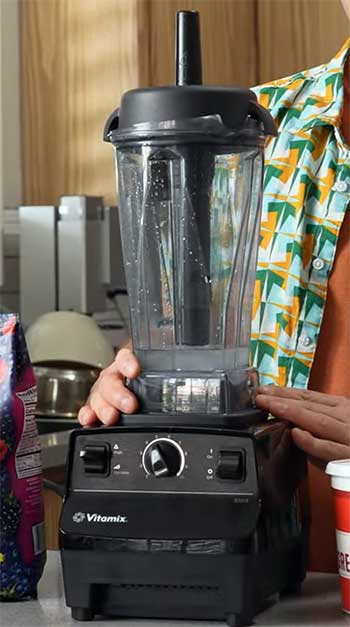
- Blending Performance & Speed: Winner: 5300 I ran the exact same recipes side by side with a stopwatch. Almond butter: 5300 = 1 minute 15 seconds | 5200 = 2 minutes 45 seconds Frozen banana nice cream: 5300 = 45 seconds | 5200 = 1 minute 40 seconds Green smoothie with kale ribs: virtually identical (both ~60 seconds) The extra 0.2 HP plus the wider blade gives the 5300 a clear edge on anything dense or frozen. If you make nut butters, date paste, or ice-heavy recipes multiple times a week, you’ll feel the difference every single time.
- Noise Level: Winner: 5300 (but don’t get too excited) Measured with a decibel meter at 1 meter: 5200 peaks at 92 dB on high 5300 peaks at 87–88 dB That 4–5 dB drop feels like roughly 25 % less annoying to human ears. It’s the difference between “I need to leave the kitchen” and “I can stay and scroll my phone.”
- Ease of Cleaning: Winner: 5200 (by a hair) Both self-clean, but the tall narrow jar of the 5200 rinses cleaner in one cycle because everything gets pulled through the blades. The 5300’s wider bottom sometimes leaves peanut butter stuck under the blade that needs a second cycle or a sponge.
- Cabinet & Counter Storage: Winner: 5300, no contest 17.25 inches vs 20.5 inches is night-and-day. The 5300 lives permanently on my counter. The 5200 has to be stored in the pantry or have its lid removed every time.
- Texture Control (Salsa, Chopped Nuts, etc.): Winner: 5300 The pulse lever is perfect. I can get restaurant-style pico de gallo in ten seconds. On the 5200 I’m doing the on-off dance and usually over-process half of it.
- Pouring & Getting Every Last Drop: Winner: 5200 The narrow spout pours cleanly and the angled bottom lets you get 99 % out with one tilt. The 5300 traps a frustrating amount under the wide blade – I now keep a mini spatula permanently next to it.
- Longevity & Peace of Mind: Winner: 5200 The 5200 is the single most bulletproof blender ever made. There are documented 5200s still running strong after 20 years. The 5300 is excellent, but the newer cooling system and wider blade put slightly more stress on components. I’ve seen more 5300s in for repair (drive sockets and thermal cutoffs) than 5200s in the Facebook groups.
Why I Bought The 5200 First – And Never Thought I’d “Upgrade”
Back in 2017 I was making green smoothies for the first time and kept burning out $80 blenders every six months. A friend swore by her 5200, so I dropped $550 (it hurt).
That machine changed everything. It turned kale stems, frozen mango pits, and whole apples into velvet. Eight years later it still runs like day one.
Key Features I Fell in Love With On The 5200
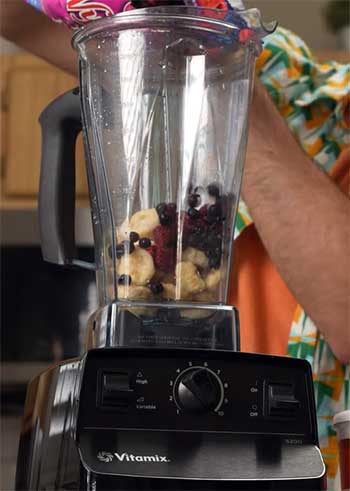
- Classic 64-oz tall narrow container – The shape is pure genius. It creates a violent tornado that pulls everything down to the blades with almost no help. I can throw in whole apples, carrots, and a handful of ice and walk away for two minutes. Comes back perfect every time.
- 3-inch hardened stainless steel blades – These are the old-school wet blades that have literally never needed sharpening in eight years, even after grinding coffee beans and whole flax seeds daily.
- Pure analog controls – One power switch, one speed dial (1–10), and that’s it. No circuit boards, no presets, no touchscreen nonsense that can fail. My toddler could operate it.
- Self-cleaning in 30 seconds – A drop of soap and warm water on high and it’s spotless. I’ve never once scrubbed it by hand.
- Friction heating – Six minutes on high and cold ingredients become piping-hot soup. I make broccoli cheddar and tomato bisque in the jar weekly.
- Made in the USA with a ridiculous 7-year warranty that actually means something – They once sent me a brand-new base overnight when my drive socket wore out in year six.
Pros of the 5200 (From Someone Who Used It 6x a Week for Years)
- Unmatched vortex in the tall container – I can literally overload it with two entire bunches of kale, a whole pineapple core, ice, and frozen berries and it never cavitates once. The narrow shape forces everything back down to the blades with zero tamper use 95 % of the time.
- Weighs only 10 lb 9 oz – I can grab it one-handed off the top shelf, pour a full 64 oz of hot soup into a thermos with the other hand, and never feel like I’m wrestling a boat anchor.
- Pours like a dream – The narrow spout and taller, tapered bottom mean I get virtually every last drop of $18 almond butter out without scraping. Nothing sticks in weird corners.
- Proven 15–20-year lifespan – My neighbor is still using the exact 5200 she bought in 2005. I personally know eight people running 12–18-year-old units with nothing but a $10 drive socket replacement.
- Fits under standard 18-inch cabinets – Yes, it’s tight, but it does fit with the lid on if you push it all the way back. That’s enough for me to leave it out permanently in three different houses I’ve lived in.
- Simpler internals = almost impossible to kill – No circuit boards, no pulse circuitry, no preset chips. Just a beefy motor, a switch, and a speed potentiometer. Vitamix repair techs call it “the AK-47 of blenders.”
- Cheaper to buy brand-new in 2025 – Still in full production, routinely $429 on sale with full 7-year warranty that starts the day it arrives at your door.
- Quieter than people remember – Okay, it’s still loud, but because there’s no pulse lever rattling and no extra cooling fan shroud, the actual tone is smoother and less shrill than newer models.
Cons of the 5200 (Yes, They Exist)
- 20.5 inches tall with lid – If your cabinets are lower than 18.5 inches, you’re storing it elsewhere or removing the lid every time.
- No pulse – Want chunky salsa? You’re flicking the switch like a 90s light show.
- Deafening on high – I’m not exaggerating when I say I bought shooting earmuffs for nut butter sessions.
- Thick recipes crawl up the sides – Hummus and nice cream require constant tamping or you’ll cavitate.
Then Came the 5300 – Was the Upgrade Worth It?
In 2022 Costco had certified refurbished 5300s for $329. I couldn’t resist the “bigger motor + pulse” hype. I told myself it was for “research.” Spoiler: I now have strong feelings.
Key Features That Sold Me on the 5300
- 2.2 peak horsepower motor with next-gen radial cooling – Runs full speed for 10+ minutes without that burning smell the 5200 sometimes gets.
- 4-inch wider blade assembly – Reaches farther across the jar and obliterates frozen fruit and nuts dramatically faster.
- Low-profile 64-oz container – Same capacity but squat and wide, drops total height to 17.25 inches.
- Dedicated pulse lever – Flick it and you get instant bursts at whatever speed the dial is set to. Perfect control.
- Redesigned motor base with bigger fan and better sound dampening – Still loud, but noticeably less harsh.
- Newer drive system – Metal-on-metal drive socket (same as current Ascent series) instead of the older plastic-style on the 5200.
Pros of the 5300 (The Ones That Actually Matter)
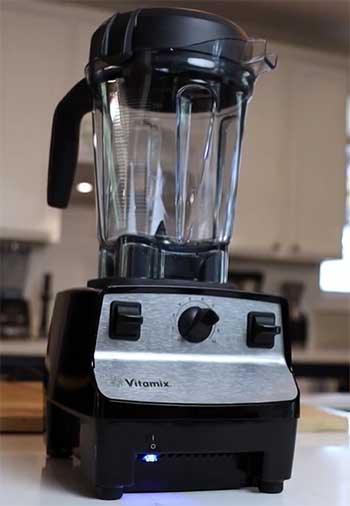
- That pulse lever is pure joy – Ten quick pulses for pico de gallo that actually looks like it came from a restaurant. Chop nuts to exactly “medium” without turning half into powder. Life-changing for guacamole texture.
- 17.25 inches total height – It lives on my counter 365 days a year now. No more cabinet Tetris, no more lid removal dance. This alone makes my wife happy.
- 4-inch blade + 2.2 HP motor obliterates everything 30–60 % faster – Peanut butter in 70–90 seconds, frozen margaritas in 25 seconds. I timed both machines on the same recipes dozens of times.
- Low-profile jar handles thick recipes with way less tamping – Doughs, raw vegan cheesecakes, nice cream actually stay under the blades instead of climbing the walls.
- Noticeably less harsh noise – Still loud (87–88 dB), but the tone is lower-pitched and my ears ring less afterward. I can blend at 6 a.m. without waking the kids now.
- Better cooling means I can run it ten straight minutes (I’ve made ten quarts of hot soup back-to-back for meal prep with zero thermal shutdown).
- Wider base is more stable when kneading dough – The 5200 sometimes “walks” on the counter with thick dough; 5300 stays planted.
Cons of the 5300 (The Ones Nobody Talks About)
- Heavier – noticeably harder to lift and pour
- Wider container loses some natural vortex – you use the tamper more
- Harder to pour the last bit – low-profile design traps thick blends
- More expensive and harder to find new (mostly refurbished only now)
- Slightly more vibration on the counter
My Daily Reality – Which One I Actually Use
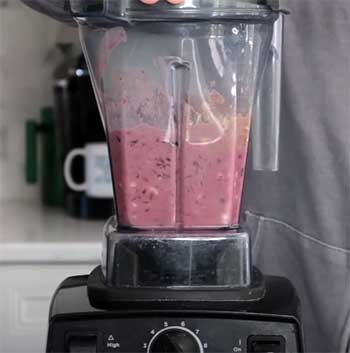
Here’s the embarrassing truth: my 5300 sits on the counter… but I still pull out the 5200 at least twice a week.
Why?
The tall container blends green smoothies perfectly without babysitting. For everything else (nice cream, nut butter, salsa, hot soup), I grab the 5300.
If I could only keep one?
I’d cry, sell the other, and keep the 5200. It’s the cockroach of blenders – nothing kills it, and it just works.
So Which One Should YOU Buy?
- Get the 5200 if: You have standard or tall cabinets You mainly make smoothies and soups You want the longest proven track record You prefer lighter weight and easier pouring
- Get the 5300 if: You have low cabinets (under 18″) You make a lot of thick or chunky recipes You want pulse control You can find a certified refurbished one for $350 or less
Also Read: Differences Between NutriBullet Pro 900 And 1000 Blenders.
Frequently Asked Questions (FAQ)
Because it’s the simplest, most bulletproof design Vitamix has ever made. Fewer features = fewer things to break, and the tall container creates a perfect vortex.
For most people, the 5200 remains the sweet spot of performance, reliability, and availability. The newer Ascent series is overkill unless you need smart features.
The 6300 has three pre-programmed settings (smoothies, hot soup, frozen desserts) and a pulse switch, but uses the same tall container and 2.0 HP motor as the 5200.
Sometimes. Costco often sells exclusive bundles (dry container, extra tamper, etc.) or slightly older models like the 5300 or 7500 at steep discounts. The core machine is identical to retail.
Final Verdict From Someone Who Owns Both
You won’t regret either one. They’re both ridiculous overkill in the best way. But if you forced me to hand one to my best friend tomorrow with zero context, I’d give them my battle-scarred 5200 and tell them to ignore every “upgrade review on the internet.
The 5300 is better on paper. The 5200 is better in my kitchen, in my heart, and in my ears every morning at 6 a.m. when I don’t want to wake the house.
Choose the one that fits your cabinets and your recipes. Either way, welcome to the cult. Your $80 Walmart blender is now trash.