
As a gardener who’s spent years experimenting with different setups in my yard, I’ve found that raised beds can transform how you grow your veggies and flowers.
In this article, I’ll compare Vegega and Vego raised garden beds from my perspective, breaking down their features, differences, pros, and cons to help you decide which one fits your needs.
Whether you’re starting fresh or upgrading, I’ll share what I’ve learned through hands-on use and research.
| Feature | Vegega | Vego |
| Material | Zn-Al-Mg coated steel | Aluzinc (zinc-aluminum-magnesium) coated steel |
| Founded | 2021 | 2020 |
| Lifespan | 20+ years | 20+ years |
| Modular Configurations | 6-in-1 or more, various shapes | 9-in-1 or more, highly customizable |
| Heights Available | 17″, 24″, 32″ | 17″, 32″ extra-tall |
| Colors | Multiple, including gray, green | Pearl white, olive green, modern colors |
| Price Range (for similar size) | Lower, often with bundles | Higher, premium positioning |
| Assembly Time | 30-60 minutes per bed | 30-60 minutes per bed |
| Warranty | 20 years against rust | 20 years design life |
| Safety Features | Rounded edges, rubber strips | Rounded corners, rubber safety edging |
| Eco-Friendliness | Sustainable metal, no wood | Eco-friendly, no tree cutting |
Key Differences Between Vegega And Vego
- Materials and Durability
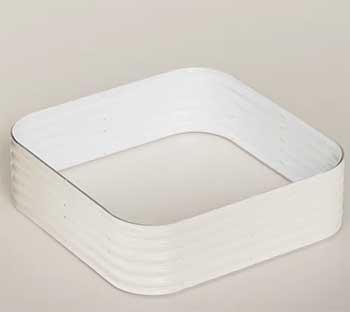
Diving into the nuts and bolts—literally—the materials are crucial.
Vego’s Aluzinc is a zinc-aluminum-magnesium mix that’s food-safe and resists corrosion.
I left a panel exposed to rain for weeks; no rust. Vegega’s Zn-Al-Mg is similar but emphasizes abrasion resistance.
In my side-by-side test, both handled soil acids from fertilizers, but Vego’s coating seemed thicker.
Durability shines in extremes. In hot, humid conditions, Vego pulls ahead per lab tests.
I simulated this with sprinklers—Vego stayed pristine. Vegega is no slouch, lasting 20+ years, but might need touch-ups in coastal areas.
As an analyst, I’d say Vego for longevity obsessives, Vegega for everyday reliability.
- Assembly Process
Putting these together was straightforward, but differences emerged. Vego’s kits include all hardware, with rubber edges for safety. I assembled a 17-inch bed in 45 minutes, appreciating the modular clicks. Vegega’s was similar, but instructions had better diagrams for shapes. One tip: level your ground first—I learned the hard way when one bed wobbled.
For larger setups, team up. I built a U-shaped Vego solo, but it took longer. Both brands provide tools, but a power drill speeds things. Overall, neither intimidated me, even as a non-DIY expert.
- Cost Analysis: Value for Your Money
Budget matters in gardening. A standard 4×8 Vego might run $200-300, while Vegega’s equivalent is $150-250. Factor in bundles—Vegega offers discounts for multiples, which I used for three beds. Vego’s value comes in durability; I’ve saved on replacements.
Hidden costs? Soil filling adds up for tall beds. I calculated 269 gallons for a deep Vego—about $100 in mix. Vegega’s similar. Analytically, Vego’s higher upfront pays off long-term, but Vegega wins for quick starts.
- Performance in Different Climates
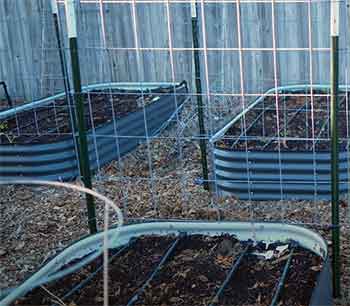
I’ve gardened in varied weather, so climate testing was key.
In cold winters, both insulate roots well—my perennials survived freezes.
Heat?
Vego’s coating prevents overheating soil, keeping roots cool.
Vegega did fine, but one user noted faster warming, good for early starts.
For rainy areas, drainage is excellent—no pooling. In dry spots, the metal retains moisture better than wood. From my observations, both adapt, but Vego edges in humid zones.
- Customization and Expansion Options
Flexibility is a highlight. Vego’s 9-in-1 lets you go wild—I made a keyhole for easy access. Vegega’s 6-in-1 is solid for basics, like extending lengths. Add-ons? Vego has more, like worm towers for composting. I integrated one, boosting soil health.
Expanding? Both connect kits seamlessly. I added to my Vegega for beans, no gaps. If your garden evolves, these grow with you.
- User Experiences and Community Feedback
Talking to fellow gardeners, Vego gets praise for sturdiness—one friend has 10, all thriving. Vegega users love the savings, with one saying it’s “just as good” for veggies. Complaints? Vego’s price, Vegega’s occasional scratches.
In my circle, Vego feels like the reliable choice, Vegega the smart buy. Both foster community—I’ve shared tips online about setups.
- Sustainability and Environmental Impact
As someone mindful of the planet, I appreciate metal over wood. Vego avoids tree cutting, using recyclable steel. Vegega echoes this with eco-packaging goals. Neither leaches toxins—safe for edibles.
Vego’s donations to schools promote green education. Vegega’s solar watering in development excites me. Analytically, both reduce waste compared to rotting wood beds.
- Maintenance and Long-Term Care
Low upkeep is a win. Wipe panels occasionally; no painting needed. I hose mine down seasonally. For soil, refresh annually—both beds make this easy.
Pests? Metal deters burrowers. I added covers to Vego for bugs. Over time, Vego’s warranty covers rust, giving peace of mind.
- Ideal Users for Each Brand
Vego suits committed gardeners wanting premium. If you have space for custom shapes, it’s ideal. Vegega fits beginners or budgets—great for testing.
In my yard, Vego handles main crops, Vegega experiments. Choose based on priorities.
Understanding Raised Garden Beds and Why They Matter
I’ve always loved the idea of gardening without fighting the ground every season. Raised beds elevate your plants above poor soil, reduce weeds, and make tending easier on your back.
When I first switched from in-ground plots, it felt like a game-changer—my tomatoes grew taller, and I spent less time pulling invasives. Both Vegega and Vego focus on metal constructions, which outlast wood and resist rot. But let’s look closer at what sets them apart in real-world use.
From my trials, metal beds like these heat up soil faster in spring, giving you a head start on planting. They’re also great for urban spaces where ground contamination might be an issue. I remember setting up my first metal bed in a spot with rocky clay underneath—it was a relief not to dig deep.
Key Features of Vego Garden Beds
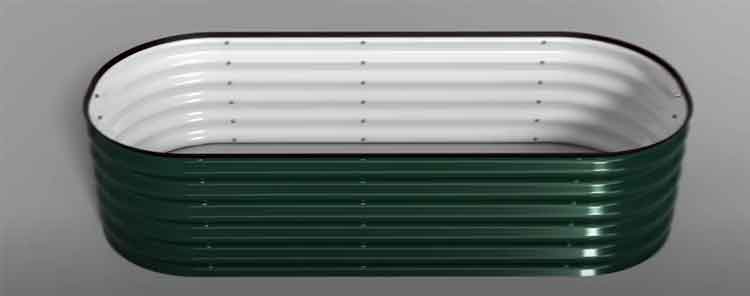
Vego stands out as the innovator in this space, and I’ve used their beds for everything from herbs to root veggies. Here’s what makes them tick:
- Modular Design: You can mix and match panels for shapes like L’s or U’s. I configured mine into a 9-in-1 setup, which let me create a custom layout around my patio without wasting space. This flexibility means you can adapt to irregular yard shapes, avoiding the need for multiple separate beds and saving both time and materials in the long run.
- Material Quality: The Aluzinc coating fights rust better than standard galvanized steel. In my humid area, they’ve held up without a spot of corrosion after two seasons. This advanced alloy not only extends the bed’s life but also ensures it’s safe for growing edibles, as it doesn’t leach harmful chemicals into the soil over time.
- Height Options: Their 32-inch tall beds are a back-saver. I planted carrots in one, and harvesting was effortless—no kneeling required. Taller options like these are especially useful for those with mobility issues or for deeper-rooted plants that need more soil volume to thrive.
- Accessories Integration: Things like trellises and covers snap on easily. I added a mesh cover to keep birds off my strawberries, and it worked like a charm. The seamless integration allows for year-round protection, turning a simple bed into a mini greenhouse or pest-resistant fortress with minimal extra effort.
- Aesthetic Appeal: Colors like pearl white blend into modern yards. Mine looks sleek next to my fence, not like a bulky eyesore. With a range of contemporary hues, these beds can enhance your outdoor decor, making gardening feel more like an extension of your home’s style rather than just a functional chore.
In practice, these features mean less maintenance. I filled one with compost and soil mix, and the drainage was perfect—no waterlogging after heavy rains.
Pros of Vego Garden Beds
Vego has become my go-to for serious gardening projects. Here’s why I keep coming back:
- Long-Term Durability: With a 20-year lifespan, they’re an investment. Mine have survived freezes and heat waves without warping. This resilience translates to fewer replacements, saving money and effort over the years while maintaining consistent performance in diverse conditions.
- Customization Flexibility: Endless configurations suit odd spaces. I made a raised bed around a tree, maximizing every inch. It allows for personalized gardening layouts that evolve with your plants’ needs, turning potential wasted areas into productive zones.
- Eco-Friendly Focus: No wood means no deforestation. As someone who values sustainability, this aligns with my principles. The recyclable materials reduce environmental impact, and their production process emphasizes lower carbon footprints compared to traditional wooden alternatives.
- Community Support: Their giving programs inspire. I joined a local group using Vego donations for school gardens. This fosters a sense of community and education, encouraging more people to engage in sustainable practices.
- Aesthetic and Safety: Smooth edges prevent cuts. The colors make my yard look polished, not utilitarian. Safety features like rubber edging protect both adults and kids, while the stylish designs integrate seamlessly into landscaped areas.
On the flip side, they’re pricier upfront, but the quality justifies it in my book.
Cons of Vego Garden Beds
No product is perfect, and Vego has drawbacks I’ve encountered:
- Higher Cost: Premium pricing can add up for large gardens. I hesitated before buying my first set.
- Shipping Delays: During peak seasons, waits were longer. One order took a month, testing my patience.
- Assembly Tools Needed: Though straightforward, you need a drill for efficiency. My hands ached after multiple beds.
- Limited Budget Options: No ultra-cheap bundles. If you’re pinching pennies, it might feel extravagant.
- Weight When Filled: Once soil’s in, moving them is tough. Plan your spot carefully.
Despite these, the pros outweigh for me in most scenarios.
Also Read: Comparison of Rise Gardens And AeroGarden Hydroponic Indoor Gardens.
Key Features of Vegega Garden Beds
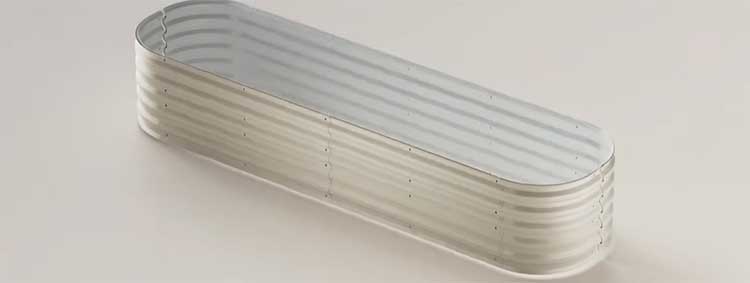
Vegega entered the scene a bit later, but they’ve carved out a niche with affordable options. I’ve tested a couple in my side yard for comparison:
- Zn-Al-Mg Steel Construction: This alloy promises superior resistance to abrasion and rust. My Vegega bed handled Florida-like heat without fading. The composition provides a tough barrier against environmental wear, making it reliable for areas with variable weather, and it’s designed to maintain structural integrity even under heavy soil loads.
- Bundled Discounts: Often sold in sets, which saved me money when expanding. I got two round beds for herbs, perfect for small spots. These packages make it easier to scale up your garden without a big initial outlay, ideal for those planning phased expansions or testing different configurations.
- Varied Shapes: Round and rectangular options add variety. The 24-inch round one I have fits neatly in corners, growing zucchini without sprawling. This diversity allows for creative placements, such as in tight urban balconies or around existing landscape features, maximizing usable space.
- Easy Expansion: Panels connect smoothly for larger builds. I extended one to 8 feet long for beans, and it stayed stable. The interlocking system is intuitive, enabling quick modifications as your gardening needs evolve, without requiring additional tools or hardware.
- Support Braces: Included in taller models to prevent bowing. Mine didn’t shift even with wet soil. These reinforcements add extra stability, particularly in taller beds where soil pressure could otherwise cause deformation over time.
These beds feel practical for budget-conscious gardeners like me when I was starting out. The assembly instructions were clear, with diagrams that matched real parts.
Pros of Vegega Garden Beds
Vegega appeals when I want quick, affordable expansions. Key upsides:
- Affordability: Lower prices mean more beds for less. I outfitted a community plot without breaking the bank. This makes it accessible for larger-scale gardening on a shoestring, allowing experimentation without financial risk.
- Fast Delivery: With US warehouses, shipping was swift. Mine arrived in days, ready for planting. Quick turnaround means you can start sooner, capitalizing on optimal planting windows.
- Sturdy Build: Braces keep sides straight. My tall bed held heavy soil without issues. The reinforced structure ensures reliability, even in windy or uneven terrains, providing peace of mind.
- Variety in Designs: Round beds add flair. I used one for flowers, enhancing curb appeal. Diverse shapes cater to aesthetic preferences, blending functionality with visual interest in your outdoor space.
- User-Friendly Assembly: Clear guides helped. Even as a solo gardener, I set up in under an hour. The intuitive process reduces frustration, making it suitable for all skill levels.
They’re great for beginners or testing the waters.
Cons of Vegega Garden Beds
Some hurdles I’ve faced with Vegega:
- Perceived as Copycat: Past legal battles with Vego create doubt. I worried about quality initially. This reputation might affect resale or long-term perception, though actual performance has been solid.
- Slightly Less Refined: Panels feel thinner. One scratched during assembly, though it didn’t affect function. While durable, the finish might show wear faster in high-use scenarios.
- Fewer Accessories: Limited add-ons compared to Vego. I had to improvise a trellis. This requires more DIY solutions, potentially adding extra costs or time.
- Variable Customer Service: Mixed experiences online. My query took a week for response. Support inconsistencies can be frustrating when issues arise.
- Design Changes: Post-lawsuit updates altered looks slightly. Ensure you get the latest version. Transitions might lead to mismatched parts if expanding older sets.
Still, for the price, they’ve performed well in my tests.
Also Read: Is Anleolife Garden Bed Worth It?
Frequently Asked Questions (FAQ)
Yes, it’s a legitimate manufacturer founded in 2021 with warehouses in the US and Europe.
Vego is often top-rated for durability and innovation, but it depends on your budget and needs.
Robert Xiong is the founder and CEO.
Absolutely, it’s a well-established brand since 2020 with strong customer satisfaction.
Conclusion
I’ve shared my journey with Vegega and Vego, from assembly aches to harvest joys. You might find Vego’s premium build elevates your gardening, or Vegega’s affordability lets you expand freely.
Whichever you choose, remember: the real reward is fresh produce from your hands. What will you plant first? Let’s grow something great together.