
I’ve always believed that a great garden starts with the right foundation, and that’s where Vegega raised beds come in. If you’re tired of flimsy setups that rot away or demand constant fixes, you should absolutely buy these.
They’re sturdy, customizable, and built to make your gardening life easier while boosting your yields. I switched to them last year, and I haven’t looked back—they’re worth every penny for anyone serious about growing their own food or flowers.
Trust me, you’ll thank yourself when you see how they transform your space.
My Experience With Vegega Raised Beds
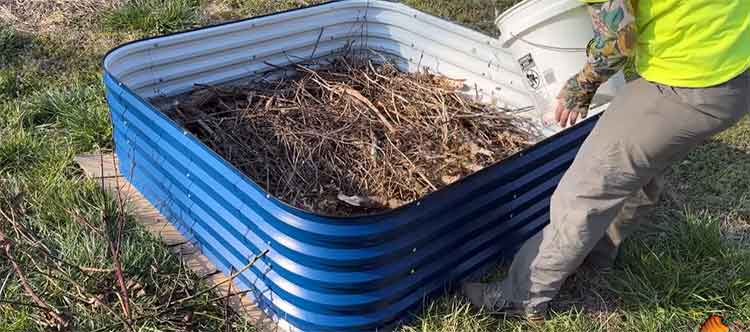
Let me take you back to when I first decided to try Vegega raised beds. I was fed up with my old wooden planters that kept warping after every rainstorm, and I wanted something that could handle my backyard’s uneven terrain without me having to rebuild it every season.
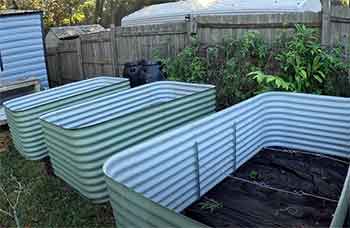
I ordered a couple of their 17-inch tall modular kits in slate gray—they arrived quickly, and the packaging was solid, no dents or missing parts. Unboxing them felt exciting, like putting together a puzzle that actually makes sense.
Assembly was a breeze, even for someone like me who’s not exactly a DIY expert. I did it solo in my driveway on a sunny afternoon, and it took maybe 45 minutes per bed. The panels snap together with these sturdy bolts, and the instructions were clear without being overwhelming.
I went with an L-shaped configuration for one to hug the corner of my patio, and a simple rectangle for the veggies. Once set up, they felt rock-solid—no wobbling at all. I placed them on grass, but I leveled the ground a bit first to avoid any tilting issues later.
Filling them was the next adventure. I used a mix of topsoil, compost, and some kitchen scraps at the bottom for that hugelkultur vibe—it saves money and helps with drainage. By spring, I planted tomatoes, peppers, lettuce, and herbs.
What struck me right away was how much easier everything became. No more bending over awkwardly; the height is perfect for my back. The beds warmed up faster than my in-ground plots, giving my plants a head start.
I noticed fewer weeds creeping in because the edges keep everything contained, and pests like rabbits couldn’t hop right in.
Over the summer, these beds shone. We had some heavy downpours, but no pooling water thanks to the open bottom design. My tomatoes grew taller and juicier than ever, and I think the metal’s reflectivity kept the soil from overheating on those 90-degree days.
I added a trellis accessory to one bed for my cucumbers, and it integrated seamlessly—curved right around the corners without any hassle. By fall, I was harvesting way more than expected, and cleanup was simple: just a quick hose down.
Sure, there were minor hiccups. One bed shifted slightly after a big storm because I hadn’t braced it enough in the middle, but a quick adjustment fixed it. Overall, though, my experience has been transformative. These aren’t just beds; they’re like a reliable partner in the garden. If you’re starting out or upgrading, you’ll love how they make gardening feel less like work and more like fun. I’ve expanded to four beds now, and they’re holding up beautifully through winter freezes.
You know that satisfaction when something just works? That’s Vegega for me.
Pros of Vegega Raised Beds
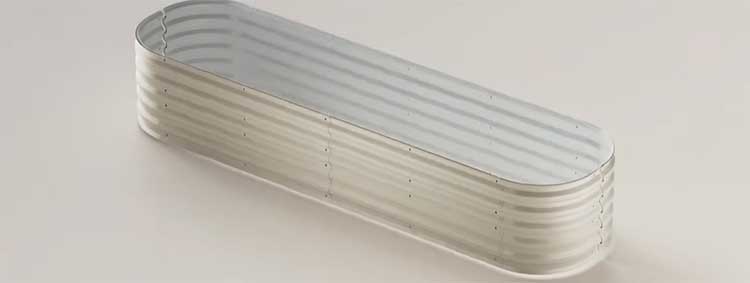
You and I both know that not all garden beds are created equal, and Vegega stands out in ways that make you wonder why you didn’t switch sooner. Let me break it down for you from my own use.
- Exceptional Durability and Longevity
One thing I can’t stop raving about is how tough these beds are. Made from Zn-Al-Mg stainless steel, they’re designed to last up to 20 years or more without rusting or breaking down. I’ve had mine through scorching summers and icy winters, and there’s not a spot of corrosion.
Unlike wood that splinters or plastic that cracks, this metal holds its shape even when filled to the brim with heavy soil. You can lean on the edges without them bending, and animals like deer or dogs can’t scratch or dent them.
It’s peace of mind knowing your investment won’t need replacing anytime soon—I’ve saved so much time and money already.
- Customizable Designs for Any Space
What really hooked me was the modular setup. With options like 9-in-1 or 10-in-1 kits, you can shape them into rectangles, Ls, Us, or even fun ones like hearts or moons. I tailored mine to fit awkward spots in my yard, and it was like playing with building blocks for adults.
Heights from 11 to 32 inches mean you can choose based on what you’re growing—taller for root veggies, shorter for herbs. Colors like moss green or oyster white blend right into your landscape, making your garden look polished.
You’ll appreciate how this flexibility lets you expand as your gardening ambitions grow; I started small and added more without mismatched pieces.
- Healthier Plants and Easier Gardening
From day one, my plants thrived in these beds. The open bottom promotes better drainage and lets roots reach deeper nutrients, while the metal reflects heat to keep soil temperatures balanced—not too hot, not too cold.
I’ve seen faster growth in my veggies, with fewer diseases because air circulates well. No more back pain from stooping; the raised height makes weeding and harvesting a joy. Plus, they’re non-toxic—the paint is USDA-certified safe, so nothing leaches into your food.
You get bountiful harvests with less effort, which is huge if you’re busy like me. My neighbors even commented on how vibrant my garden looks now.
- Eco-Friendly and Low-Maintenance Features
I love that Vegega prioritizes the planet. The materials are recyclable, and there’s no need for chemical treatments like with wood. They’re resistant to pests and mold, so you skip the sprays. Assembly is quick and tool-light, and once up, they require minimal upkeep.
The rounded corners with rubber edging keep things safe for kids or pets—no sharp edges to worry about. In my experience, they’ve held up against wind and rain without shifting, thanks to optional bracing.
You’ll feel good knowing you’re gardening sustainably while enjoying a setup that’s practically set-it-and-forget-it.
- Value for Money and Accessories
Sure, they’re not the cheapest, but the quality justifies it. Free shipping in the US sweetens the deal, and discounts for bulk buys helped me afford more. Accessories like covers turn them into mini greenhouses, extending your season—I used one to protect early sprouts from frost.
Trellises support climbers without extra structures cluttering your yard. Overall, these pros make Vegega a smart choice; I’ve gotten more joy and produce from my garden than ever, and you will too if you give them a shot.
Cons of Vegega Raised Beds
No product is perfect, and while I adore my Vegega beds, there are a few drawbacks worth mentioning so you can decide if they fit your needs.
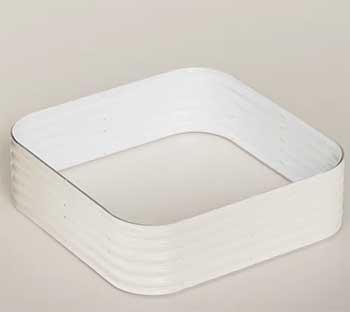
- Higher Initial Cost: Let’s be real—these beds aren’t budget basement finds. Compared to basic wooden or fabric options, Vegega’s price tag can sting at first. I spent more upfront than on my old setups, and if you’re just testing the waters with gardening, that might feel steep. But in my case, the longevity paid off quickly, as I haven’t had to buy replacements.
- Assembly Can Be Tricky for Larger Sizes: While small beds go together easily, bigger configurations need a second pair of hands. I struggled a bit with aligning panels on my 8-foot one alone, and if you’re not careful, you might strip a bolt. The instructions help, but they’re not foolproof for beginners. Once done, though, it’s solid.
- Potential for Soil Drying Out Faster: In hot climates like mine, the raised design means soil can dry quicker than in-ground planting. I’ve had to water more frequently during dry spells, which adds to the routine. It’s not a deal-breaker, but if water conservation is key for you, plan for mulch or irrigation add-ons.
- Limited Color and Shape Availability in Some Areas: Depending on stock, not all colors or specialty shapes are always ready to ship. I wanted a heart-shaped one for fun, but it was backordered. Plus, if you change your mind post-assembly, reconfiguring filled beds is a hassle—soil everywhere!
Maintenance Tips For Vegega Raised Beds
Keeping your Vegega beds in top shape is straightforward, and I’ll share what works for me so you can keep yours thriving year after year.
- Regular Cleaning and Inspection
Start with a simple hose-down every few weeks to remove dirt or debris. I use a mild soap solution for stubborn spots, avoiding harsh chemicals that could scratch the coating.
Check the edges and bolts monthly for any looseness—tighten as needed. In fall, clear out dead plants to prevent mold buildup. You’ll find this keeps the beds looking new and prevents small issues from growing.
- Soil Management and Refreshing
Soil is the heart of your garden, so refresh it annually. I top off with fresh compost in spring, mixing in to aerate. Test pH occasionally; aim for neutral to keep the metal coating intact. If you notice compaction, gently fork the top layer—don’t dig deep to avoid scratching the interior.
For winter, cover with mulch to protect roots and retain moisture. This routine has kept my soil fertile, and you’ll see better plant health as a result.
- Preventing Rust and Corrosion
Though Vegega’s Zn-Al-Mg steel is rust-resistant, a little care goes far. Avoid scraping tools against the panels; I use plastic ones instead. If a scratch appears, touch it up with matching paint from the company.
In salty coastal areas, rinse more often to wash away residues. I’ve never had rust, but proactive steps like these ensure longevity. You can extend life even further by placing beds away from constant sprinkler splash.
- Accessory Upkeep and Seasonal Prep
If you have trellises or covers, inspect them for wear. I clean my cover nets with soapy water and store them dry to avoid mildew. For trellises, secure ties loosely to prevent plant damage. In winter, remove accessories if snow load is heavy—mine withstand light freezes fine.
Spring prep involves checking drainage; poke holes if needed. These habits make maintenance feel effortless, and your beds will reward you with seasons of growth.
- Pest and Weed Control Strategies
Stay ahead of invaders by mulching heavily—I use straw to suppress weeds. For pests, companion planting works wonders; marigolds in my beds deter nematodes. If slugs appear, a beer trap does the trick without harming the metal.
Rotate crops yearly to avoid soil depletion. You’ll enjoy a healthier garden with less intervention, just like I do after fine-tuning these methods.
Comparing Vegega To Other Brands
When I was shopping around, I looked at several brands before settling on Vegega. Here’s how it stacks up, based on what I’ve learned and tried.
- Vegega Vs. Land Guard Raised Beds

When I first looked at budget-friendly options, Land Guard caught my eye because they’re often cheaper and widely available on sites like Amazon.
They’re made from standard galvanized steel with an oval design that adds some strength, and assembly is quick—usually under 10 minutes with basic tools. I’ve seen friends set them up easily, and they hold soil well without immediate bowing.
But after using Vegega, the differences stand out. Land Guard uses regular galvanized coating, which can start rusting in a couple of years, especially in wet climates—I’ve read plenty of complaints about that.
Vegega’s Zn-Al-Mg steel is far superior for corrosion resistance, lasting 3-7 times longer without spots or degradation. My Vegega beds have zero rust after heavy rains and winters.
Land Guard beds are mostly fixed shapes and sizes, while Vegega’s modular kits let you build L-shapes, U-shapes, or whatever fits your yard perfectly. The safety edging on Vegega is thicker and more secure, and the overall build feels heavier-duty—no flexing when you lean on them.
If you’re on a tight budget and okay with potential replacements down the line, Land Guard works fine short-term. For me, though, Vegega’s longevity and customization make it the clear winner—you pay more upfront, but you won’t be buying new beds every few seasons.
- Vegega Vs. Anleolife Raised Beds
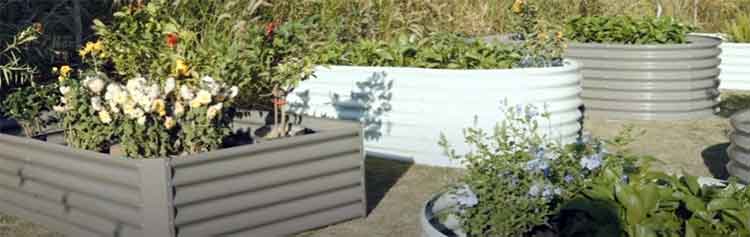
Anleolife is another popular budget brand I’ve checked out, with similar galvanized steel construction and colorful options that look nice at first. Their beds assemble fast, often in under an hour, and they offer oval shapes with decent depth for roots. Some models come in fun colors, and they’re lighter to move around empty.
In my hands-on time, Vegega pulls ahead on quality. Anleolife uses standard galvanized steel that’s prone to rust over time—reviews mention spots appearing after one or two years, especially on the interior.
Vegega’s Zn-Al-Mg alloy resists that much better, with a coating that’s 2-7 times more effective against corrosion. I’ve had my Vegega beds through multiple seasons with no issues at all.
Customization is where Vegega shines too—modular panels mean endless shapes, while Anleolife is more limited to preset designs. Vegega includes better bracing to prevent bowing under heavy soil, and the paint is USDA-certified safe with no leaching worries.
Anleolife is great if you’re starting small and want something affordable right now, but for lasting performance and flexibility, Vegega feels like the upgrade you won’t regret. You’ll get years more use without the headaches.
- Vegega Vs. Birdies Raised Beds
Birdies beds are a premium favorite, made in Australia with high-quality Aluzinc-coated steel that’s proven tough over decades—some users report theirs looking great after 10+ years.
They’re sturdy, with good safety edging and options for tall heights that make harvesting easy on the back.
Assembly is straightforward, and they have a sleek, professional look.
Comparing directly to my Vegega experience, they’re very close competitors. Both use advanced coatings for rust resistance—Birdies’ Aluzinc is excellent, but Vegega’s Zn-Al-Mg edges it out slightly in lab tests for corrosion protection, especially in acidic soils. My Vegega beds have held up impeccably, matching the longevity claims.
Vegega offers more modular configurations and fun shapes like moons or hearts, plus a wider color range that blends into landscapes better. Birdies focuses on classic designs but integrates well with accessories like covers.
Price-wise, Birdies can run higher, especially with shipping, while Vegega often has better deals for multiples. Both are top-tier and will last 20+ years with care, but Vegega’s versatility and value tipped the scale for me—you get that premium feel without always paying premium prices.
If you love the Australian-made aspect, go Birdies; otherwise, Vegega delivers just as much durability with extra creativity.
Frequently Asked Questions (FAQ)
Yes, Vegega is a legitimate company specializing in metal raised garden beds.
Yes, they’re durable and customizable, making them a solid investment for long-term gardening.
Vego or Birdies often top lists for quality and features, depending on your needs.
They typically last 20 years or more with proper care.
Final Thoughts
In wrapping up, I stand by my choice—Vegega raised beds have elevated my gardening game in every way. If you’re ready for hassle-free, productive growing that lasts, grab some today.
You won’t regret it; they’ll pay dividends in fresh produce and pure enjoyment.