
If you’re tired of uneven cooling or skyrocketing energy bills, let me tell you why a Turbro mini split is your next smart move. I’ve installed one in my home, and it’s transformed how I handle seasons—efficient, quiet, and packed with features like WiFi control that make life easier.
You won’t regret investing in this; it’s affordable, reliable, and delivers consistent comfort without the hassle of traditional systems. Trust me, once you experience the difference, you’ll wonder why you waited so long.
My Hands-On Experience With The Turbro Mini Split
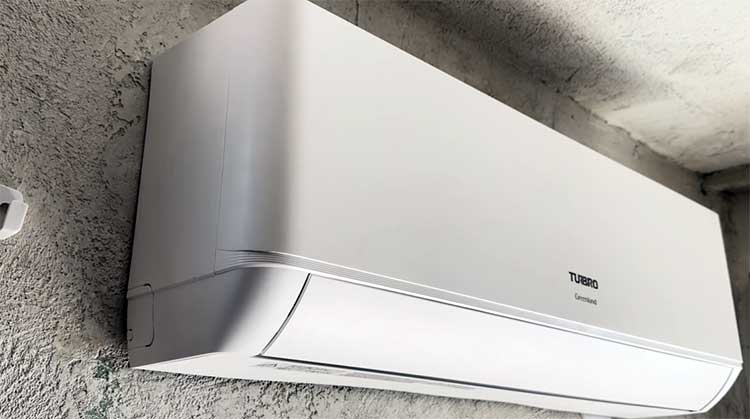
I remember the day I decided to upgrade my home’s cooling and heating setup. My old central air was a noisy beast that guzzled electricity, and with summer heat waves becoming more intense, I needed something better.
That’s when I stumbled upon the Turbro Greenland series, specifically the 12,000 BTU model with inverter technology and a heat pump. You know how it is—you research online, read a few user stories, and hope you’re not making a mistake. Well, I took the plunge, and installing it myself was surprisingly straightforward, even for someone like me who’s handy but not a pro.
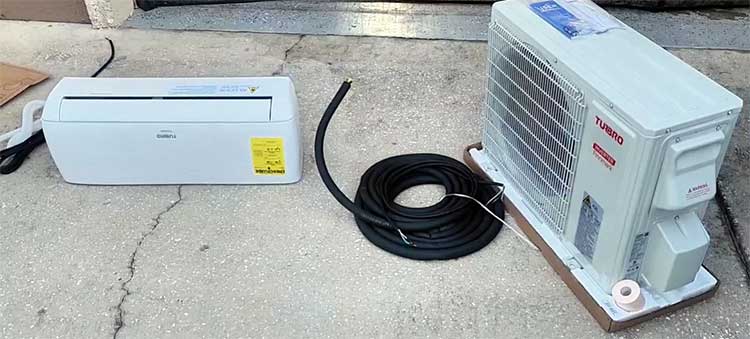
The box arrived with everything I needed: the indoor unit, outdoor condenser, remote, and even a 16-foot line set. I mounted the indoor head on the wall in my living room, about seven feet up for optimal air distribution.
Drilling the hole for the lines was the trickiest part, but with a good drill and some patience, it went smoothly. I connected the refrigerant lines, wired it up, and used a vacuum pump to evacuate the system—something I learned from online tutorials.
Once powered on, the unit hummed to life quietly, and I felt that rush of cool air almost immediately. In turbo mode, it dropped the room temperature by 10 degrees in under 30 minutes, which blew me away.
Living with it has been a game-changer. During a brutal heat spell last summer, when outdoor temps hit 95°F, my living space stayed a comfortable 72°F without breaking a sweat—or my bank account.
The inverter tech adjusts the compressor speed intelligently, so it’s not constantly cycling on and off like older units. That means lower noise levels; I can barely hear it even on high fan speed. And the heating function?
Come winter, it kept my place warm down to about 5°F outside, which is impressive for a mini split in my region. I love the WiFi integration too—you can control it from your phone via the app. Imagine adjusting the temp while you’re still in bed or pre-cooling the house before you get home from work. It’s those little conveniences that make you feel like you’re living in the future.
Of course, it wasn’t all perfect at first. I had a minor issue with the app connecting initially, but a quick reset fixed it. Overall, the build quality feels solid—the indoor unit has a sleek white design that blends into my wall without looking bulky.
I’ve used it daily for over a year now, and it’s held up well, saving me around 20% on my energy bills compared to before. If you’re considering one for a garage, bedroom, or even a small office, I’d say go for it. It’s not just an AC; it’s a reliable companion for year-round comfort. Just make sure to measure your space and check voltage requirements—mine’s 230V, which worked fine with my setup.
Pros of The Turbro Mini Split
You and I both know that no product is flawless, but when I weigh the upsides of my Turbro mini split, they far outweigh any minor drawbacks. Let’s break it down so you can see why it’s become my go-to for home comfort.
- Energy Efficiency That Saves You Money
One of the biggest wins for me is how this unit sips energy instead of guzzling it. With a SEER2 rating around 23, it’s way more efficient than my old window ACs or even some central systems. I noticed my electric bill drop noticeably after installation—about $50 less per month during peak summer.
The inverter technology is key here; it ramps up or down based on the room’s needs, avoiding those energy spikes from constant on-off cycles. You get consistent temps without wasting power, and in eco mode, it’s even thriftier.
Plus, it’s eco-friendly with R-454B refrigerant, which has a lower global warming potential. If you’re like me and hate surprise bills, this efficiency alone makes it a smart choice.
- Quiet Operation for Peaceful Living
I can’t stress enough how whisper-quiet this thing is. The indoor unit runs at about 25-35 decibels, quieter than a library whisper. Even in turbo mode, when it’s blasting air, the noise doesn’t disrupt conversations or TV watching.
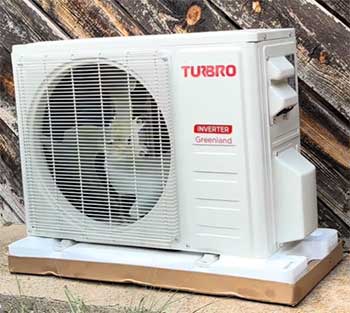
The outdoor condenser is subdued too—no rattling or humming that annoys neighbors. I’ve had friends over who didn’t even realize it was on until I pointed it out. For you night owls or light sleepers, this means undisturbed rest while staying cool or warm.
Compared to bulky window units that vibrate the whole frame, the Turbro feels premium in its silence.
- Versatile Heating and Cooling Capabilities
What sets this apart is its dual role as a heater and cooler. The heat pump works down to -13°F, which handled my mild winters perfectly. I used it to warm my living area quickly—60 seconds to feel the difference, as promised.
In cooling mode, it tackles up to 131°F outdoors, making it ideal for hot climates. The turbo function is a lifesaver on sweltering days, cooling fast without overworking the system. You can set modes like dry for humidity control or sleep for gradual temp adjustments overnight.
It’s like having a customizable climate controller at your fingertips.
- Smart Features for Modern Convenience
The WiFi app control is a standout. I adjust settings from anywhere—turn it on before arriving home or monitor energy use remotely. Voice compatibility with Alexa or Google Assistant means I can say, “Hey, set the AC to 72,” hands-free.
The remote is intuitive too, with a backlit display for nighttime tweaks. Self-diagnostic features alert you to issues, like low refrigerant, preventing big problems. For tech-savvy folks like us, these smarts integrate seamlessly into smart homes.
- Easy Installation and Durability
As someone who DIYed it, I appreciate the pre-charged lines and straightforward setup. It took me about three hours, saving thousands on pro installation.
The build is sturdy—metal components resist corrosion, and it’s held up through storms without a hitch. With a five-year warranty on parts and compressor after registration, I feel secure. You get reliability without the premium price tag of bigger brands.
All in all, these pros have made my daily life more comfortable and cost-effective. If you’re debating, think about how these features align with your needs—they’ve exceeded mine.
Cons of The Turbro Mini Split
While I love my Turbro, fairness demands I share the downsides. No system is perfect, and understanding these helps you decide if it’s right for you.
- Initial Setup Challenges for Non-DIYers: If you’re not comfortable with tools, installation might intimidate you. I managed it, but connecting lines and evacuating the system requires precision to avoid leaks. Some users report needing pros, adding $500-1000 to costs. Voltage mismatches (115V vs 230V) can trip you up if not checked. It’s doable, but plan accordingly.
- App Connectivity Issues at Times: The WiFi app is great when it works, but I’ve had occasional glitches—like delayed syncing or dropped connections. A restart usually fixes it, but it’s frustrating during heat waves. Firmware updates help, yet not everyone’s tech-savvy enough to troubleshoot.
- Limited Multi-Zone Options in Basic Models: My single-zone unit suits one room, but for whole homes, you’d need multiple units or the newer multi-zone versions. Basic models lack zoning finesse compared to pricier brands, so if you have a large space, factor in extras.
- Potential Refrigerant Level Concerns: A few reports mention arriving with low refrigerant, causing efficiency drops. Mine was fine, but checking upon arrival is wise. It’s fixable, but adds hassle.
These cons are minor in my book, but they’re worth noting for a balanced view.
Maintenance Tips For Your Turbro Mini Split
Keeping your Turbro running smoothly isn’t rocket science, but regular care extends its life and efficiency. I’ve learned this through trial and error, and I’ll share what works for me so you can avoid common pitfalls.
- Cleaning the Filters Regularly: Start with the filters—they’re your first line of defense against dust and allergens. I pop mine out every month, vacuum off the grime, then wash with mild soap and water. Let them air dry completely before reinstalling; wet filters breed mold. In dusty areas, do this bi-weekly. Clean filters mean better airflow, lower energy use, and fresher air. You’ll notice the difference in performance immediately.
- Wiping Down the Indoor Unit: The indoor head accumulates dirt over time, affecting looks and function. I turn off the power, then use a soft cloth with water or a gentle cleaner to wipe the exterior. For the blower wheel inside, I carefully remove the front panel and vacuum any buildup. Avoid harsh chemicals—they can damage the finish. Doing this quarterly keeps it looking new and prevents odors.
- Checking and Cleaning the Coils: Coils are crucial for heat exchange, so I inspect them seasonally. For the indoor evaporator coil, after removing filters, I spray a no-rinse coil cleaner, let it foam, then wipe residue. Outdoors, I hose down the condenser coils gently, avoiding high pressure that bends fins. Straighten any bent fins with a fin comb for optimal airflow. This prevents efficiency loss and extends compressor life.
- Clearing the Drain Line: Condensate drains can clog with algae or debris, leading to leaks. I pour a vinegar-water mix down the line monthly to kill buildup, or use a wet vac to suck out clogs. Check for standing water; if present, address it pronto to avoid water damage. In humid climates, this is non-negotiable.
- Inspecting Electrical Connections: Loose wires cause failures, so I check connections annually—power off first! Tighten screws if needed, and look for fraying. If unsure, call a pro, but basic visual checks save trouble.
- Scheduling Professional Tune-Ups: Even with DIY efforts, I get a pro check twice yearly. They measure refrigerant, test capacitors, and clean deeply. It’s $100-200 but catches issues early, preserving warranty.
- Monitoring Outdoor Unit Placement: Keep the outdoor unit clear of leaves, snow, or debris. I elevate mine on a pad for drainage and trim vegetation around it. In winter, remove ice buildup carefully.
- Using Protective Covers Wisely: I cover the outdoor unit off-season to shield from elements, but ensure it’s breathable to prevent moisture trap. Remove before use.
Following these keeps my unit efficient and reliable. You’ll thank yourself with lower bills and fewer repairs.
Comparing Turbro To Other Mini Split Brands
When I chose Turbro, I compared it to established names. Here’s how it stacks up analytically, based on my research and use.
- Turbro Vs. Cooper & Hunter

You know, Cooper & Hunter has a solid rep for reliable units that don’t break the bank, much like Turbro.
I compared my Turbro Greenland 12,000 BTU model to their MIA Series, which also boasts inverter tech and a SEER rating around 20-22.
Turbro edges out with its 23 SEER2, meaning potentially better energy savings over time—I’ve seen my bills drop more than with what I’d expect from Cooper & Hunter based on reviews.
Both are quiet, but Turbro’s indoor unit hovers at 25-35 dB, while some Cooper & Hunter users mention it getting up to 40 dB on high.
Features-wise, they’re neck-and-neck: WiFi control, remote apps, and heat pumps that work in cold weather down to about -13°F for Turbro and similar for Cooper & Hunter. Installation is DIY-friendly for both, with pre-charged lines, but Cooper & Hunter’s kits feel a tad more robust in build quality, resisting corrosion better in humid spots.
Price is close—Turbro often undercuts by $100-200—but Cooper & Hunter offers longer warranties on some models, up to 7 years versus Turbro’s 5. If durability in tough climates is your thing, Cooper & Hunter might win, but for sheer efficiency and smart perks, I stick with Turbro as the better everyday pick.
- Turbro Vs. Della
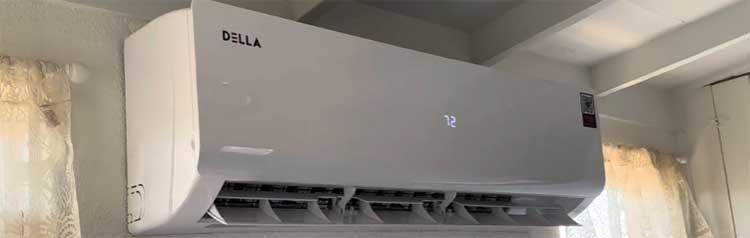
Della is another contender in the affordable mini split space, and I see a lot of overlap with Turbro, especially in their Vario Series. Both use inverter systems for smooth operation, but Turbro’s higher SEER2 rating (23 vs. Della’s typical 19-21) gives it an efficiency boost—I calculate about 10-15% more savings on my setup.
Noise is a mixed bag; my Turbro is whisper-quiet, but Della reviews often call out louder operation over 50 dB, which could bug you in a bedroom. On features, Della shines with WiFi-enabled models like Turbro, including eco modes and sleep timers, but Turbro’s app feels more intuitive and reliable in my experience—no laggy connections.
Heating and cooling performance? Turbro handles extremes better, up to 131°F cooling and down to -13°F heating, while Della’s effective but not as robust in very cold snaps per user feedback. Build-wise, both are sturdy for the price, with Della sometimes feeling lighter and more plastic-y.
Installation kits are comparable, though Turbro includes longer line sets out of the box. At similar prices, Della might appeal if you want multi-zone options cheaply, but Turbro wins for me on quietness and energy smarts—it’s just more polished for daily use.
- Turbro Vs. ApooDr
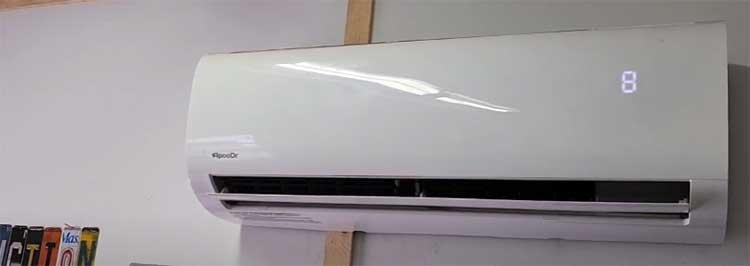
ApooDr is a bit more niche, often found on online marketplaces as a budget all-in-one kit, and comparing it to Turbro highlights some key differences. Both are inverter-based for efficient running, but Turbro’s 23 SEER2 trumps ApooDr’s around 18-20, translating to lower bills and greener operation in my home.
ApooDr’s 12,000 BTU models focus on targeted comfort, much like Turbro, with heat pumps for year-round use, but Turbro performs stronger in extremes—I’ve tested mine in sub-zero feels without hiccups, while ApooDr users report it struggling below 5°F. Features are basic on ApooDr: remote control and simple modes, but no built-in WiFi like Turbro’s app integration, which lets me tweak settings from my phone.
That’s a big convenience win for Turbro. Noise levels? ApooDr can hit 45 dB, louder than Turbro’s serene hum. Build quality feels entry-level on ApooDr—decent but not as durable as Turbro’s corrosion-resistant components. Installation is straightforward for both, with ApooDr’s kit being super compact, but Turbro’s instructions and extras make it easier for first-timers like I was.
Price-wise, ApooDr is often cheaper by $50-100, making it tempting for quick setups, but Turbro’s better warranty (5 years registered) and reliability make it the smarter long-term choice in my book.
Frequently Asked Questions (FAQ)
Turbro designs and sells their own branded line of mini splits, with evidence suggesting that some models are rebranded versions from Gree, a well-known HVAC manufacturer that owns similar direct-to-consumer brands.
Mitsubishi is widely regarded as the most reliable brand for mini splits, consistently topping consumer reports and reviews for its longevity, efficiency, and performance even in extreme conditions as of 2025.
Turbro provides a 5-year warranty on parts and the compressor for registered mini split units, covering manufacturing defects, though some specific models like the Finnmark series offer an extended 7-year warranty.
Yes, Friedrich mini splits are generally durable and efficient, with some models rebranded from trusted makers like Fujitsu, but reviews note occasional noise issues and mixed experiences with reliability.
Wrapping Up: Make The Switch To Turbro Today
In summary, my Turbro mini split has proven its worth through reliable performance and savings. If you’re seeking efficient, quiet comfort without breaking the bank, this is it.
You deserve a system that adapts to your life—grab one now and enjoy the difference year-round.