
You know those kitchen gadgets that promise the world but deliver half-baked results? I’ve fallen for a few, but the Toshiba rice cooker?
That’s different. If you’re tired of sticky, uneven rice or just want a reliable sidekick for weeknight dinners, grab one of these right now. At around $80 for the 3-cup model, it’s an affordable upgrade that turns out fluffy grains every time, plus it handles oatmeal, porridge, and even cakes.
Trust me, once you try it, you’ll wonder how you survived without it. As a good citizen who’s juggled a full-time job and family meals, this little machine has saved my sanity—go snag yours today and thank me later.
My Hands-On Experience With The Toshiba Rice Cooker
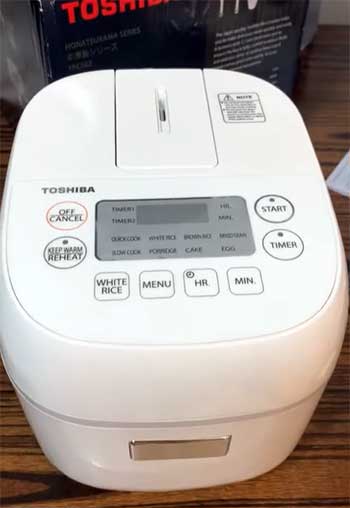
The day my Toshiba rice cooker arrived, I was skeptical—another gadget to clutter my counter?
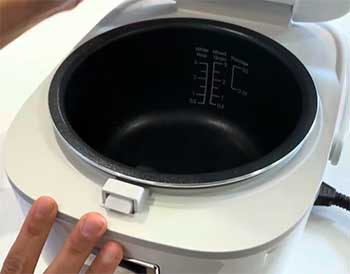
But unboxing it felt promising: sleek white design, compact at 9×11 inches, with a 3-cup non-stick pot, measuring cup, spatula, ladle, and steam basket.
Setup took seconds. I rinsed one cup of jasmine rice (using the 180ml cup), added water to the “1” line, closed the lid, and pressed “white rice.”
The LCD lit up with a 50-minute countdown and a cheerful beep.
While it cooked, I prepped veggies in the steam basket—multitasking win.
No boil-overs, thanks to the vented lid. When it finished, it auto-switched to keep-warm, holding fluffy, separate grains at perfect temp. My first bite? Nutty, tender, no mush.
My Thai wife approved instantly.
Next, I tried brown rice (90 minutes)—chewy, even, no raw centers. Quick-cook mode shaved white rice to 30 minutes, nearly as good. Porridge with oats and berries? Creamy in an hour, no stirring. I even baked a small cake—surprisingly moist, thanks to triple heating.
The 24-hour delay timer became my hero: set rice in the morning, come home to hot dinner. For a family of three, 3 cups uncooked (6 cooked) is ideal—leftovers without waste. It’s quiet, safe (locking lid, thermal fuse), and adapts via fuzzy logic if I mess up water ratios.
Minor hiccups? Overfilled once; it extended time but saved the batch. Keep-warm dries rice after 12 hours—stir or steam to refresh. Still, it’s transformed my cooking. From stir-fries to one-pot meals, this $80 machine feels like a smart, reliable friend. If you love rice but hate the fuss, you’ll get it.
What I Love Most: The Pros of My Toshiba Rice Cooker
Switching to the Toshiba rice cooker felt like leveling up my kitchen game, and honestly, the upsides keep stacking up the more I use it. Let’s break it down so you can see why this isn’t just hype—it’s real, everyday wins that make meal prep less of a chore.
- Fuzzy Logic That Actually Thinks for You
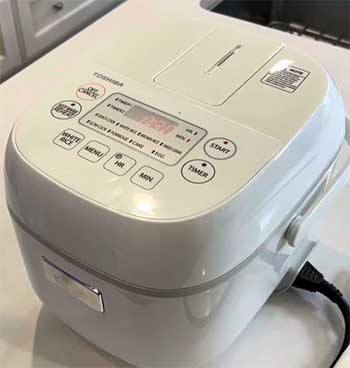
Picture this: You’re rushing home, throw in rice and water, hit start, and walk away.
No babysitting the pot, no tweaking flames.
The fuzzy logic sensor detects moisture and adjusts heat and time on the fly—I’ve botched the water ratio twice, and it still salvaged perfect, fluffy results.
It’s like having a built-in chef whispering, “I’ve got this.”
For someone like me who cooks on autopilot after a long day, this alone justifies the buy.
- Versatile Settings for Every Craving
Eight pre-programmed modes? Yes, please. White rice, brown, mixed grains, quick-cook, slow-cook, porridge, cake, even eggs—it’s a mini multi-cooker disguised as a rice specialist. I whipped up congee on a chilly morning, tender and comforting, or steamed salmon over jasmine for a low-effort dinner.
You can experiment without fear; the triple heating (bottom, sides, lid) ensures even cooking, so no raw spots or burnt bottoms. It’s turned my rice routine into a canvas for creativity, and yours could be next.
- Compact Design That Fits Your Life
At 9 by 11 inches, it tucks away like it’s no big deal, yet the 3-cup capacity feeds my family of three with leftovers. The detachable cord and carrying handle make storage a snap—pop it in a cabinet, no hassle.
And that LCD display?
Clear as day, with a clock and intuitive buttons. I set the delay timer from my phone’s reminder (it syncs mentally), and boom—dinner’s ready when I am. If your counter’s like mine, cluttered and claimed, this sleek white unit blends in without stealing the show.
- Keep-Warm Magic That Lasts
Auto-shutoff after cooking, then seamless switch to keep-warm for up to 24 hours? Game over for cold rice disasters. It holds moisture just right—no drying out like my old cooker—so leftovers taste fresh reheated.
I’ve pulled batches at midnight for late-night snacks, still steaming and soft. For batch-preppers or shift workers like my buddy who’s a nurse, this feature is a lifesaver, keeping family meals flexible.
- Safety Smarts You Didn’t Know You Needed
The locking lid prevents spills if it tips (kids, pets—I’ve tested this accidentally), thermal fuse stops overheating, and the steam vent cap traps mess inside.
It’s peace of mind in a busy home, especially with steam contained—no foggy windows or slippery floors. Plus, the non-stick pot releases rice cleanly, so serving’s effortless with the included spatula.
These perks aren’t flashy; they’re practical, turning “ugh, rice again?” into “yes, rice tonight!” It’s the quiet reliability that wins me over every time.
Where The Toshiba Rice Cooker Falls Short?
No product’s perfect, and while I rave about my Toshiba, there are spots where it stumbles. I want you to go in eyes wide open, so here’s the straight talk on what bugs me—and how to work around it.
- Longer Cook Times Than Expected: That 50-minute white rice cycle? It’s thorough, but if you’re used to a 20-minute stovetop hack, it feels eternal on rushed nights. Brown rice clocks in at 90 minutes, which is standard for fuzzy logic but tests my patience when hunger hits. Workaround: Lean on quick-cook for whites—30 minutes, solid enough for most meals. Still, if speed’s your priority, this might frustrate.
- Occasional Overcooking on Brown Rice: I’ve nailed jasmine and basmati, but brown rice sometimes edges toward mushy, especially larger batches. The sensor adjusts well, but not always flawlessly for nuttier grains. I dial back water a smidge now, and it helps, but it took trial and error. If brown’s your staple, you might tweak settings more than I’d like.
- Limited Capacity for Big Gatherings: Three cups uncooked maxes at six cooked—great for us, but if you’re hosting, it’s a one-and-done deal. No scaling up mid-party; you’d need a second unit. I double-batch in advance for crowds, but it’s not ideal. Solo or small-family folks, you’re golden; entertainers, consider the 6-cup version.
- Minor Build Quirks: The plastic exterior shows fingerprints like crazy—wiping helps, but it’s noticeable. And while durable, it lacks the premium stainless feel of pricier models. The steam vent needs a post-cook rinse to avoid buildup, adding a quick step. Not deal-breakers, but they remind you it’s budget-friendly, not heirloom.
- Learning the Buttons Takes a Moment: Eight modes sound fun, but navigating the panel isn’t instant. I fumbled the delay timer once, setting rice for 3 a.m. instead of p.m.—hilarious in hindsight, wasteful in reality. The manual’s clear, though; a weekend of use, and you’re fluent. Beginners, give it grace.
These gripes are honest, but they haven’t dimmed my enthusiasm. For the price, the trade-offs feel fair—you get 90% perfection without the premium pain.
Keeping Your Toshiba Rice Cooker Running Like New
Caring for my Toshiba hasn’t been rocket science, but a few habits have kept it humming after months of heavy use. You invest in this thing for longevity, so let’s make sure it sticks around.
I’ll walk you through my routine, step by step, because skipping these could shorten its life or lead to off flavors.
- Daily Cleaning: Wipe It Down Right After Use
Right when the beep sounds and you’ve scooped your rice, unplug and let it cool for 10-15 minutes—hot pots warp if you rush. Remove the inner pot; it’s non-stick, so a quick soak in warm, soapy water (mild dish soap only—no abrasives) loosens any stuck grains.
I use a soft sponge, never steel wool, to avoid scratches that breed bacteria. Rinse thoroughly; residue sours future batches. The pot’s dishwasher-safe on the top rack, but hand-washing preserves the coating longer.
Dry it fully with a microfiber cloth—moisture invites mold. For the exterior, a damp cloth zaps fingerprints; no soaking the base, ever.
- Deep Clean the Lid and Vent Weekly
That steam vent cap? It’s a moisture trap—pop it off after every use for a rinse, but weekly, disassemble fully. Soak in vinegar-water (1:1) for 10 minutes to dissolve buildup, then scrub gently. The inner lid detaches too; wipe the seals with a baking soda paste for freshness.
I’ve skipped this once, and rice tasted “off”—lesson learned. Air-dry everything overnight; reassemble only when bone-dry to prevent rust or smells. Pro move: Run an empty “quick rice” cycle with lemon water monthly to deodorize the whole unit.
- Water and Rice Prep: Start Smart to Avoid Mess
Always use filtered or room-temp water—tap minerals build up fast. Rinse rice twice minimum; I do three for sushi-grade fluff. Measure with the included cup for accuracy; overfilling clogs vents.
If you’re steaming add-ons, line the basket with parchment to catch drips. Empty the condensation collector (that little tray under the lid) post-cook; full ones overflow and stain.
- Storage and Usage Hacks for Longevity
Store in a cool, dry spot—my cabinet away from the stove avoids heat damage. Coil the detachable cord loosely; tight wraps kink it. Before first use, wash all parts and run a plain water cycle to burn off factory odors.
For keep-warm marathons, stir rice every few hours to redistribute moisture—prevents drying. If error codes pop (like E1 for overheating), unplug, cool, clean vents, and retry; it’s usually buildup, not breakdown.
- Troubleshooting Common Hiccups Before They Escalate
Rice sticking? Check for worn non-stick—replace the pot if needed (Toshiba sells spares). Uneven cooking? Ensure the pot seats flat; warped ones cause hot spots. Odors?
Vinegar cycle, stat. And always unplug when not in use—safety first, especially in homes with kids. My unit’s warranty covers two years; register it online for peace of mind.
Follow these, and yours will outlast expectations. It’s not high-maintenance, just consistent care—like oiling a cast-iron skillet. I’ve turned potential pitfalls into non-issues, and you can too.
Also Read: Comparison of Zojirushi Micom And Neuro Fuzzy Rice Cookers.
Comparing The Toshiba Rice Cooker To The Competition
When I started shopping, I pitted the Toshiba against heavy hitters like Zojirushi, Cuckoo, and Aroma. Each has its vibe, but here’s how they stack up from my testing and chats with fellow cooks—focusing on what matters: rice quality, ease, and value.
- Toshiba Versus Zojirushi: Precision Meets Practicality
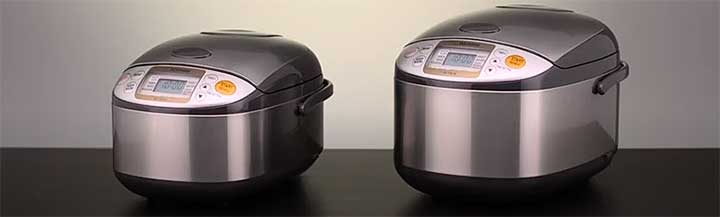
Zojirushi’s the gold standard, no denying it—their Neuro Fuzzy models use advanced microprocessors for spot-on adjustments, churning out sushi-perfect rice faster, often in 40 minutes for whites. My Toshiba takes 10 more, but it nails consistency without the $200+ price tag.
Zojirushi feels premium, with stainless accents and longer warranties (some last a decade), while Toshiba’s plastic build shows wear quicker. For brown rice, Zojirushi edges out with firmer grains, but Toshiba’s fuzzy logic holds its own on jasmine and mixed.
If you’re a rice snob splurging for longevity, Zojirushi wins; for everyday affordability without sacrificing fluff, Toshiba’s your pick. I love Zojirushi’s melody alerts, but Toshiba’s simple beeps get the job done without fuss.
- Toshiba Versus Aroma: Entry-Level Reliability
Aroma’s the budget champ, under $30 for similar capacities, with steam trays and slow-cook perks that mimic Toshiba’s versatility. It’s no-frills, cooking whites in 20 minutes—faster than Toshiba—but rice often turns softer, less defined.
Aroma’s pot scratches easier, and fuzzy logic? Absent, so water ratios demand precision I sometimes skip. Toshiba’s sensor bails me out there, plus the delay timer blows Aroma’s basic one away.
For dorms or starters, Aroma’s fine; but if you cook rice weekly like me, Toshiba’s durability and even results justify the extra $50. Aroma feels like a starter car; Toshiba, a reliable commuter.
- Toshiba Versus Cuckoo: Versatility on a Budget
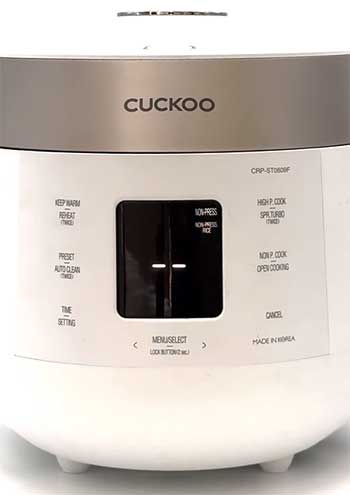
Cuckoo brings pressure-cooking flair, slashing times to 25 minutes for whites and infusing nutty depth via turbo modes—ideal if speed’s your jam.
Their voice guides (in multiple languages) add fun, and low-carb baskets reduce starch impressively.
But at double Toshiba’s cost, it’s overkill for basics; Cuckoo’s louder, steamier operation steams up my kitchen more.
Toshiba shines in quiet, even heating for porridge and cakes, with easier cleanup since the non-stick pot releases better than Cuckoo’s sometimes-stubborn interiors.
For Korean-style sticky rice, Cuckoo dominates; but for American families wanting multi-use without noise, Toshiba’s simpler interface and 24-hour warm feel more approachable. I’ve eyed Cuckoo for batches, but Toshiba’s compactness keeps it as my daily driver.
In the end, Toshiba threads the needle—Zojirushi-level smarts at Aroma prices, with Cuckoo’s range minus the bells. It’s not topping every category, but for balanced home use, it fits like a glove.
Also Read: Is Dash Mini Rice Cooker Worth It?
Frequently Asked Questions (FAQ)
No, U.S. models like TRCS01 are made in China. Toshiba invented rice cookers in Japan (1955), but affordable versions are Chinese-built with solid quality.
Zojirushi leads with induction precision and longevity. Toshiba offers near-premium results at half the price—best value for most homes.
Rinse rice, measure with included cup, add to pot, fill water to marked line. Select mode (e.g., white rice), press start. Fluff when done.
Yes. Soak non-stick pot, wipe with soft sponge. Detach lid/vent, rinse. Exterior needs a damp cloth. Done in 5 minutes.
Wrapping It Up
There you have it—my no-holds-barred ride with the Toshiba rice cooker, from first fluffy bite to maintenance hacks that keep it thriving. It’s not flawless, but the pros crush the cons for real-life cooking, delivering restaurant-worthy rice without the drama.
If you’re ready to ditch stovetop stress and embrace effortless grains (and beyond), this is your cue. Head out, grab one, and elevate your meals—you won’t look back.