
I’ve been experimenting with mushroom coffee for months now, trying to find a better morning ritual than my usual high-caffeine brew. After switching between Ten Mushroom Coffee and RYZE Mushroom Coffee, I wanted to share my honest take on how they stack up.
This article breaks down the key differences, what each offers in terms of ingredients and effects, and which one might suit your routine better—based on real daily use. My goal is to help you decide if one of these blends deserves a spot in your cup.
| Feature | Ten Mushroom Coffee | RYZE Mushroom Coffee |
| Number of Mushrooms | 10 (Chaga, Reishi, Lion’s Mane, Cordyceps, Shiitake, Maitake, Turkey Tail, King Trumpet, Willow Bracket, Agaricus Blazei) | 6 (Cordyceps, Lion’s Mane, Reishi, Shiitake, Turkey Tail, King Trumpet) |
| Mushroom Amount per Serving | 500mg | 2,000mg |
| Coffee Type | Fair trade medium-roast instant Arabica | Organic Arabica instant |
| Added Ingredients | None notable (focus on mushrooms + coffee) | Organic MCT oil, organic coconut milk |
| Caffeine per Serving | Around 50-60mg (typical instant) | 48mg |
| Format | Instant powder | Instant powder |
| Key Claimed Benefits | Energy boost, focus, immune support, creativity, gut health | Sustained energy, focus, immune support, gut/digestion, stress relief |
| Taste Profile | Smoky, savory, sour finish, dusty | Earthy, creamy (from MCT/coconut), sometimes bitter or metallic |
| Price per Serving (approx.) | Lower (often budget-friendly) | Around $1-1.20 |
| Organic Certification | Varies by batch/product | Yes (mushrooms U.S.-grown organic) |
Key Differences Between Ten Mushroom Coffee And RYZE

- Mushroom Variety and Dosage — Ten packs in ten different mushrooms, giving a broader spectrum of potential compounds. RYZE sticks to six but doubles down with a much higher total mushroom content per scoop.
- Additives for Creaminess — RYZE includes MCT oil and coconut milk, which make it naturally creamier without extra milk. Ten keeps it simpler—just coffee and mushroom blend—so it feels more straightforward.
- Flavor Direction — Ten leans smoky and sour with a dusty aftertaste. RYZE aims for smoother thanks to those fats, but it can come across as more bitter or off in some brews.
- Energy Style — Both cut caffeine roughly in half compared to regular coffee. RYZE often gets credit for steadier vibes without crashes. Ten feels punchier in energy for some users due to the extra mushroom types like cordyceps and maitake.
- Sourcing and Purity — RYZE emphasizes U.S.-grown organic mushrooms and full-spectrum (using whole fruiting bodies). Ten uses fair trade coffee and focuses on variety, but it doesn’t always highlight organic as strongly.
- Target Effects — Ten pushes multi-benefit claims like creativity and immune boosting from the wide mix. RYZE highlights gut health, digestion, and balanced focus from its specific combo plus prebiotics in some descriptions.
Key Features of Ten Mushroom Coffee
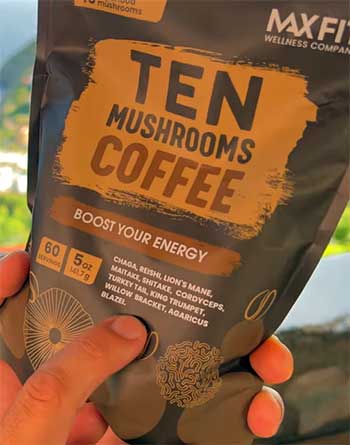
- One of the biggest things that hooked me right away with Ten Mushroom Coffee is the sheer variety—ten different functional mushrooms in every single serving. You get the usual suspects like Lion’s Mane for sharper focus during my long work calls, Reishi to help me wind down without feeling sleepy, and Cordyceps for that extra push when I hit the gym. But it doesn’t stop there. It also throws in Shiitake and Maitake for immune and metabolic support that I actually noticed in fewer afternoon crashes, plus Turkey Tail, King Trumpet, Chaga, Willow Bracket, and Agaricus Blazei. This wide mix felt like getting a full-spectrum adaptogen cocktail instead of just one or two highlights, and over the weeks I tried it I started linking the extra types to better overall resilience when my schedule got chaotic.
- The instant powder format is genuinely no-fuss, which mattered a lot to me as someone who hates waiting around in the morning. Scoop, stir into hot water, and it dissolves fast with almost no clumps. I kept a jar at my desk and another in my travel bag because it was that convenient—no grinder, no French press mess, just quick energy when I needed it most.
- It uses a fair trade medium-roast Arabica coffee base that gives a solid, familiar coffee backbone. The roast level is just right—not too dark and bitter—so it still tastes like actual coffee rather than pure mushroom tea. I appreciated knowing the beans were ethically sourced, especially since I try to be mindful about where my daily cup comes from.
- Each serving delivers roughly 500 mg total of mushroom extract spread across all ten types. While that’s lighter per mushroom than some competitors, the diversity made up for it in my experience. I felt like I was covering more bases for focus, immunity, and even creativity on days when I sat down to write or brainstorm.
- There are no added oils, milks, or flavorings, which keeps the ingredient list super clean. If you like control over what goes into your cup, this simplicity is a win. I could add my own almond milk or honey exactly how I wanted without fighting against pre-mixed extras.
- The brand positions it as an all-in-one daily ritual for jitter-free mornings, mental clarity, immune defense, and gut wellness. After using it consistently, I noticed the energy felt punchier than plain coffee but without the usual heart-racing side effects, which was exactly what I was chasing.
- It often comes at a more budget-friendly price point, letting me experiment longer without worrying about the cost adding up. That affordability meant I could keep it in rotation even when I was testing other options side by side.
- The packaging is straightforward and resealable, which helped keep the powder fresh during humid summer months. Small detail, but it mattered when I left it sitting on the counter for weeks at a time.
Pros And Cons of Ten Mushroom Coffee

Pros
- Broader mushroom diversity means exposure to more bioactive compounds—like maitake for potential metabolic support or agaricus for immune variety.
- Simpler recipe appeals if you prefer minimal additives and just want mushrooms plus coffee.
- Often more affordable per serving, making it easier to try long-term without commitment.
- The instant format works fast—stir into hot water and go.
- Some users report noticeable creativity boosts or steady focus from the wide blend.
- Lower risk of off-flavors from added fats since there are none.
- Good for those wanting to experiment with multiple mushroom benefits in one cup.
Cons
- Lower mushroom dose per serving (500mg total) might mean subtler effects compared to higher-potency options.
- Taste can be polarizing—smoky, sour, and dusty residue turns some people off right away.
- Less creaminess without adding your own milk or creamer.
- Not always as consistent in organic sourcing claims.
- Effects feel milder for energy or focus in some experiences.
- Reviews sometimes note it ranks lower in blind taste tests among brands.
Also Read: Is Mud\WTR Better Than Everyday Dose Mushroom Coffee?
Key Features of RYZE Mushroom Coffee
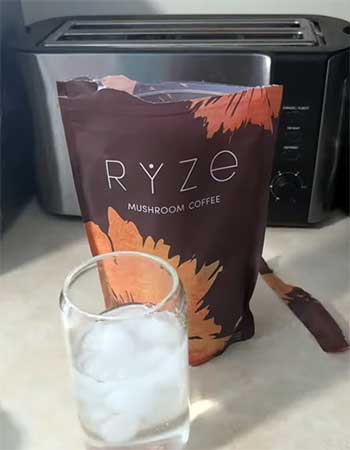
- RYZE stands out immediately with its high-potency 2,000 mg mushroom blend per serving using just six carefully chosen types. That higher dose of Cordyceps, Lion’s Mane, Reishi, Shiitake, Turkey Tail, and King Trumpet delivered noticeably stronger adaptogenic effects for me—especially the sustained focus from Lion’s Mane and the calmer vibe from Reishi. I could feel the difference on busy days when I needed steady mental performance without the usual 3 p.m. fog.
- The mushrooms are U.S.-grown and organic, which gave me extra peace of mind about purity and quality. Knowing they come from fruiting bodies rather than mycelium on grain made the whole product feel more premium, and I liked supporting domestic farming whenever possible.
- What really sets it apart is the addition of organic MCT oil and coconut milk powder. These turn the instant mix into a naturally creamy drink that feels closer to a latte than plain black coffee. I stopped needing extra creamer most mornings, which saved time and calories while keeping the energy release smoother thanks to the healthy fats.
- Caffeine sits at a gentle 48 mg per cup—about half of regular coffee—which was perfect for cutting my jitters without losing the morning lift. I could drink it later in the day if needed and still sleep fine at night, something I tested multiple times.
- The formula leans heavily into gut and digestion support through Turkey Tail and the prebiotic-friendly mushrooms. After a couple weeks I noticed my stomach felt less reactive after meals, which was a pleasant surprise since I sometimes deal with mild bloating.
- The small, precise scoop makes measuring effortless and consistent. No guessing games—every cup came out the same strength, which helped me track how my body responded over time.
- It emphasizes balanced, crash-free energy and stress relief. In my routine, this translated to clearer thinking during meetings and less anxiety when deadlines piled up, making it feel like more than just coffee.
- The instant powder dissolves quickly in hot water and stays smooth even if you let it sit for a few minutes, which was handy when I got distracted mid-brew.
Pros And Cons of RYZE Mushroom Coffee
Pros
- Higher mushroom potency at 2,000mg delivers stronger potential adaptogenic support.
- Creamy from MCT and coconut milk—feels more like a latte without extra steps.
- Lower acidity and gentler on the stomach for many.
- Steady, crash-free energy thanks to balanced caffeine and fats.
- U.S. organic mushrooms add trust in quality and sourcing.
- Often praised for gut health benefits from turkey tail and prebiotic elements.
- Consistent positive feedback on mood and stress management.
- Easy to incorporate daily with the provided scoop.
Cons
- Earthy or bitter taste can dominate, sometimes described as metallic or burnt.
- Higher price point compared to simpler blends.
- Added coconut and MCT might not suit everyone (e.g., if avoiding fats or calories).
- Fewer mushroom types limit variety of potential benefits.
- Some find the flavor less “coffee-like” and need sweeteners to finish the cup.
- Effects on focus or energy vary—works great for calm but not always a huge boost.
My Experience Switching Between Ten Mushroom Coffee And RYZE
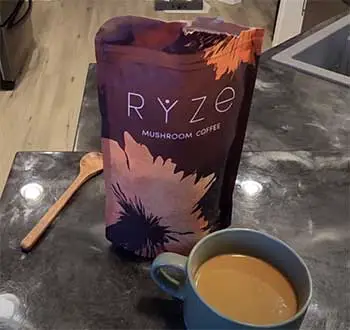
I started with RYZE because of its popularity and creamy promise.
The first few days felt smooth—no afternoon slump, and my digestion seemed happier.
But the earthiness grew on me slowly; I added a dash of cinnamon to make it palatable. After a couple weeks, I switched to Ten for variety.
The broader mushrooms gave me a different lift—more mental sharpness some mornings, though the sour note made me miss RYZE’s creaminess.
Neither replaced my old coffee completely, but both cut my jitters and helped me feel more even-keeled. If you’re sensitive to taste, RYZE might edge out for drinkability. For mushroom maximalists, Ten’s ten types win.
Which One Should You Choose?
It comes down to priorities. If you want maximum mushroom power and a creamier sip with reliable gut and calm benefits, RYZE feels more polished. If you prefer variety in mushrooms, simpler ingredients, and potentially lower cost for broad support, Ten makes sense.
I lean toward RYZE for daily consistency, but Ten surprises me on creative days. Try both if possible—start small and see what your body responds to.
Also Read: Is Ryze Better Than Everyday Dose Mushroom Coffee?
Frequently Asked Questions (FAQ)
It can be, thanks to the adaptogenic mushrooms offering potential antioxidant and immune support, plus lower caffeine for steadier energy. Results vary, and it’s not a miracle drink—pair it with a balanced diet.
RYZE often tops lists for its balance of taste, effects, and quality, though brands like Four Sigmatic or Everyday Dose compete closely depending on reviews.
Consult your doctor first. Mushrooms like reishi may modulate immunity, which could interact with autoimmune conditions—professional advice is essential.
It might be gentler than regular coffee due to lower acidity and caffeine, but individual tolerance varies. Start small and monitor symptoms; some find it soothing, others irritating.
Wrapping Up
In the end, I think mushroom coffee changed how I start my day for the better—less edge, more balance. If you’re tired of the regular coffee rollercoaster, give one (or both) of these a shot.
You might find your new go-to brew. What works for me could click for you too—experiment and listen to your body.