
I’ve been dealing with nagging back issues for years, and let me tell you, the Teeter Inversion Table changed everything for me. If you’re tired of popping pills or endless doctor visits, this is your ticket to real relief.
It’s built tough, easy to use, and delivers that sweet decompression your spine craves. Trust me, you owe it to yourself—grab one today and feel the difference tomorrow. Your back will thank you.
My Time With The Teeter Inversion Table
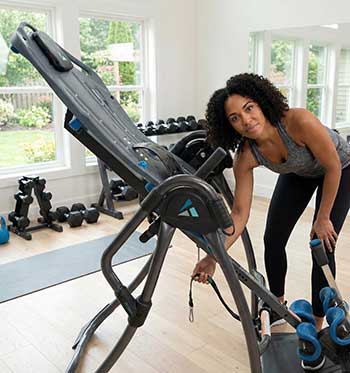
Let me take you back to when I first unboxed my Teeter FitSpine LX9.
I remember the excitement mixed with a bit of skepticism—I mean, hanging upside down to fix my back?
Sounded a little wild, but after reading up on user stories and seeing how many folks swore by it, I figured why not give it a shot.
The setup was straightforward; it took me about 15 minutes with the clear instructions, no fancy tools needed beyond what’s in the box.
Right away, I noticed the solid build—the frame felt sturdy, not like some flimsy gym equipment that wobbles under pressure.
My first session?
I started slow, just like they recommend. I adjusted the height to my 5’10” frame, locked my ankles in those comfy Ergo-Embrace supports, and eased back to about 30 degrees. You know that initial rush when gravity starts pulling? It was odd at first, like my body was recalibrating.
But within a minute, I felt this gentle stretch along my spine, like someone was lifting a weight off my lower back. I’ve had sciatica flares from sitting at a desk all day, and that pull really targeted those tight spots. I hung there for two minutes, breathing deep, and when I came up, my back felt looser, less tense.
Over the next few weeks, I made it a routine—three times a day, building up to full inversion at 60 degrees. Mornings were my favorite; I’d invert before coffee, and it set me up for the day without that usual stiffness.
One time, after a long hike that left me aching, I hopped on for five minutes, and you could feel the discs decompressing, almost like they were breathing again. The acupressure nodes on the bed added this extra layer—they’re optional, but when I positioned them under my knots, it was like a mini massage while inverting.
I even got my partner involved. You see, she’s got some neck tension from her job, and after watching me, she tried it. At first, she was nervous about the blood rush to her head, but starting partial helped. We laughed about feeling like bats, but seriously, it bonded us over shared relief.
The extended ankle lock handle made it easy for her shorter reach, no straining to secure. And storage? It folds up nicely in our garage, though it’s a bit heavy to move alone—about 70 pounds—but worth it.
What surprised me most was the mental side. Inverting clears your head; it’s meditative, forcing you to relax. After a month, my posture improved—I stood taller, walked easier. Sure, it’s not a miracle, but for chronic issues like mine, it’s been a game-changer.
If you’re on the fence, start with short sessions and listen to your body. You’ll wonder how you managed without it.
Pros of The Teeter Inversion Table
Let me share what makes the Teeter stand out from my perspective and what I’ve heard from others who’ve used it. These aren’t just bullet points; I’ll break them down so you can see why they’re such wins.
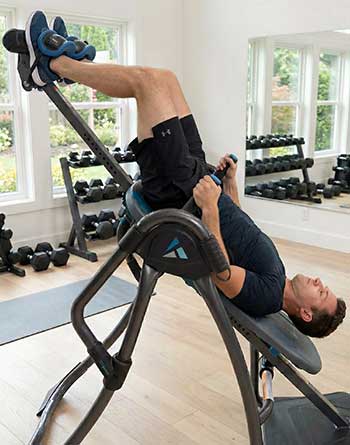
- Superior Build Quality and Durability You know how some fitness gear feels cheap after a few uses? Not the Teeter. The steel frame is heat-treated for strength, and it supports up to 300 pounds without creaking. I’ve inverted daily for months, and it still looks new. Users rave about its UL certification—it’s the only inversion table FDA-registered for back pain, which gives peace of mind. Compared to knockoffs, this thing lasts; I don’t worry about parts failing mid-session.
- Exceptional Comfort Features The FlexTech bed is a highlight—it’s contoured to cradle your back, reducing pressure points. Those eight adjustable acupressure nodes? Game-changers for targeting knots. And the ankle holders with foam rollers feel secure yet gentle, no pinching like cheaper models. I can stay inverted longer without discomfort, which means better results. Many reviews mention how this setup lets you relax fully, turning therapy into something almost enjoyable.
- Effective Pain Relief and Decompression This is why I bought it—real spine relief. By inverting, gravity pulls your body, stretching the spine and easing disc pressure. For my lower back pain, it’s like a reset button; studies back this up, showing reduced need for surgery in some cases. You feel the traction immediately, and over time, it improves flexibility. Friends with herniated discs tell me it’s cut their pain in half, letting them skip meds.
- User-Friendly Design and Ease of Use Precision balancing makes rotating smooth—you control the angle with arm movements, no jerky stops. The arched base on the LX9 model helps mounting, especially if mobility’s an issue. Setup’s quick, and the app guides routines. Even beginners like my neighbor picked it up fast. It’s intuitive, so you spend more time benefiting than fiddling.
- Versatility for Different Needs Whether you’re tall, short, or dealing with specific issues, it adjusts. Height settings from 4’8″ to 6’6″, and accessories like lumbar bridges enhance decompression. I use it for back, neck, and even hip relief. Athletes swear by it for recovery, while office workers like me use it to counter sitting all day. It’s not one-size-fits-all in a bad way; it’s adaptable.
- Safety Features That Build Confidence Extended handles for easy return, secure ankle locks, and auto-locking hinges prevent accidents. I never feel unstable, even at full inversion. Reviews highlight how this beats generic tables where slips happen. For someone cautious like me, these details make all the difference.
Expanding on these, the build quality isn’t just about lasting—it’s about trust. When you’re upside down, you want equipment that won’t budge. I’ve pushed it hard, and it holds. Comfort wise, the bed molds to you, unlike flat boards that dig in.
Pain relief?
It’s backed by user stories; one guy said it let him play basketball again. Ease of use means no excuses—I hop on without hassle. Versatility fits lifestyles; my routine varies from quick stretches to full sessions. Safety?
Essential for peace of mind. Overall, these pros make the Teeter a smart investment for long-term wellness.
Also Read: Is Patella Prime Knee Stabilizer Worth It?
Cons of The Teeter Inversion Table
No product’s perfect, right? I’ve run into a few drawbacks with my Teeter, and from chatting with others, these pop up often. I’ll lay them out honestly so you can weigh if they’re deal-breakers.
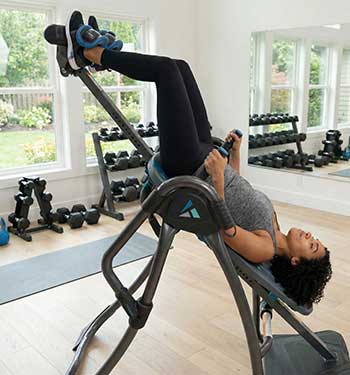
- Higher Price Point Compared to Alternatives It’s premium, so it costs more—around $500-$600 for top models. If you’re on a budget, that stings, especially when basic tables go for $100. But you get what you pay for; cheaper ones wear out fast. Still, for casual users, the expense might not justify.
- Bulky Size and Storage Challenges This thing’s big—over 60 inches tall when assembled—and weighs 70 pounds. Folding helps, but moving it solo is a workout. In small spaces, it’s intrusive. I store mine upright in the garage, but apartment dwellers complain it’s a space hog.
- Potential Health Risks for Certain Users Inversion increases blood pressure and eye pressure, so if you have hypertension, glaucoma, or heart issues, skip it—consult a doc first. I felt a head rush initially, but it passed; others report dizziness or headaches if overdone.
- Learning to Use It Properly Takes Time First-timers might struggle with balance or angles. I fumbled the ankle lock once, but practice helps. Some users say it’s intimidating, leading to underuse.
- Limited Long-Term Effectiveness for Some Conditions It shines for short-term relief, but isn’t a cure-all. Studies show it doesn’t outperform other therapies long-term for chronic pain. If your issue’s severe, it might not suffice alone.
- Assembly and Maintenance Requirements Setup’s not hard, but detailed—miss a bolt, and it’s wobbly. Regular checks for wear add to upkeep. Not a huge con, but for low-maintenance folks, it’s extra effort.
In my experience, the price is the biggest hurdle, but durability offsets it. Size-wise, plan your space. Health risks? Listen to your body—I start slow. The initial awkwardness fades, and while it’s not magic, combined with exercise, it works.
Assembly’s one-time, but worth mentioning. These cons are real, but for most, pros outweigh them.
Maintenance Tips For Your Teeter Inversion Table
Keeping your Teeter in top shape isn’t rocket science, but it ensures safety and longevity. I’ll walk you through detailed tips with sub-sections, drawing from my routine and official advice. Think of it as caring for a trusted friend.
- Regular Cleaning Procedures Wipe the bed and frame with a damp cloth after each use—sweat and dust build up fast. Avoid harsh chemicals; mild soap works. For the ankle pads, spot-clean with a soft brush. I do a full wipe-down weekly, keeping it fresh. Dry thoroughly to prevent rust.
- Inspecting for Wear and Tear Before every session, check bolts, hinges, and straps for looseness. Look at the bed for cracks or fading. Ankle mechanisms should click securely. Monthly, tighten all screws with the provided tool. I’ve caught a loose nut once—fixed it quick, avoiding issues.
- Proper Storage Practices Store upright in a dry, cool spot to avoid warping. Fold it if space-tight, but ensure it’s locked. Cover with a sheet against dust. In humid areas, use silica packs. Mine’s in the garage; no problems after a year.
- Lubrication and Moving Parts Care Lightly oil hinges and pivots every three months with silicone spray—don’t overdo it. Test rotation for smoothness. If squeaky, address immediately. This keeps inversion effortless.
- Height and Angle Adjustment Maintenance Calibrate height settings seasonally as your weight fluctuates. Clean adjustment tracks from debris. For the tether strap, inspect for fraying—replace if worn. I readjust mine quarterly for optimal balance.
- Accessory Upkeep If using nodes or bridges, clean them separately and store attached. Check for secure fit. Batteries in any electronic add-ons? Replace as needed.
Following these, my Teeter runs like new. Clean often, inspect routinely, store smartly—it’s simple but pays off. You’ll extend its life and stay safe.
Also Read: Is Sleep Number C2 Bed Worth It?
Comparison of Teeter Inversion Table With Other Brands
Now, let’s talk how Teeter stacks up against competitors. I’ve researched and tried a couple, so I’ll compare under specific headings. This isn’t about winners or losers—it’s what might suit you.
- Teeter Versus Innova
When I pitted my Teeter against an Innova ITX9600 a friend owns, the differences jumped out. Teeter’s FlexTech bed flexes with you for better stretch, while Innova’s is rigid, less forgiving on longer sessions.
Ankle security?
Teeter’s Ergo-Embrace is plush and adjustable; Innova’s basic foam can pinch. Build-wise, Teeter’s steel feels premium, UL-certified, versus Innova’s lighter but less sturdy frame. Price hits hard—Innova’s cheaper at $150, great for beginners, but Teeter’s $500 justifies with durability.
For daily use, Teeter wins on comfort; Innova suits occasional relief. I prefer Teeter’s smooth rotation over Innova’s jerkier feel, making inversion more relaxing.
- Teeter Versus Ironman
Borrowing an Ironman Gravity 4000 highlighted contrasts. Ironman’s ratchet ankle lock is secure but harder to reach than Teeter’s extended handle—big for flexibility issues. Bed comfort? Ironman’s padded but lacks Teeter’s acupressure options.
Weight capacity matches at 300 pounds, but Teeter’s precision balancing makes full inversion effortless; Ironman requires more effort. Cost-wise, Ironman’s $200 range appeals to budgets, but Teeter’s FDA registration adds trust for pain relief.
Durability tests show Teeter holding up better long-term. If you’re tall, both accommodate, but Teeter’s arched base eases entry. Overall, Ironman offers value; Teeter delivers polish.
- Teeter Versus Exerpeutic
Trying an Exerpeutic 975SL showed budget gaps. Exerpeutic’s foldable and light at 74 pounds, easier to store than Teeter’s bulkier setup. But Teeter’s bed contours better, reducing strain; Exerpeutic’s flat surface tires quicker.
Ankle holds on Exerpeutic are basic, sometimes slippery, versus Teeter’s foam-secured grip. Price? Exerpeutic’s under $200, ideal for testing inversion without commitment. Teeter’s extras like vibration massage justify the premium.
For heavy use, Teeter’s robust; Exerpeutic suits light sessions. I found Teeter’s inversion smoother, less wobbly at angles.
These comparisons show Teeter as the high-end choice for serious users, while others provide accessible entry points. Consider your needs—budget, space, frequency—and pick accordingly.
Also Read: Is Secretlab Titan Evo Worth It?
Frequently Asked Questions (FAQ)
Yes, they provide short-term relief by decompressing the spine, easing back pain and improving flexibility. Studies indicate reduced surgery needs in some users, though results vary.
They can be expensive, bulky, and pose risks like increased blood pressure. Not ideal for everyone, and relief might not last long-term without other therapies.
Possible effects include elevated blood pressure, slowed heart rate, eye pressure buildup, dizziness, or headaches. Avoid if you have heart, eye, or hypertension issues.
Many view them as helpful complements for decompression, but not replacements for adjustments. They recommend for mild pain, cautioning on proper use and consulting professionals.
Wrapping Up: Make The Teeter Yours Today
After all this, I stand by my Teeter—it’s transformed my daily comfort. If back pain’s holding you back, don’t wait. Invest in one; the relief is worth it. You’ll move freer, feel stronger.
Go for it—you deserve that upside-down freedom.