
Choosing a high-quality cutting board is one of the best investments you can make for your kitchen, and after years of testing various surfaces, I’ve found that Teakhaus offers the perfect balance of durability, aesthetics, and knife-friendly performance.
If you are tired of boards that warp, crack, or dull your expensive blades, you should buy a Teakhaus cutting board because it provides a professional-grade experience that actually improves with age.
It is a sustainable, heavy-duty tool that turns meal prep from a chore into a luxury, ensuring your kitchen stays functional and stylish for a lifetime.
My Personal Journey With Teakhaus

When I first unboxed my Teakhaus edge-grain board, I’ll be honest: I was skeptical about whether a piece of wood could really change my cooking workflow.
I had gone through a parade of cheap plastic boards that stained if they even looked at a beet, and a few bamboo options that felt like cutting on concrete.
But the moment I laid this board on my granite countertop, the weight alone told a different story. It felt substantial, like a piece of furniture rather than a disposable kitchen accessory.
The first thing I noticed was the tactile feedback. There is a specific “thud” that a high-quality teak board makes when a sharp chef’s knife hits it. It’s not a sharp, clacking sound, but a muted, rhythmic vibration that tells you the wood is absorbing the impact rather than resisting it.
Over the first few weeks, I put it through the ringer. I moved from delicate herbs and slippery tomatoes to heavy-duty tasks like breaking down a whole chicken and slicing through crusty sourdough.
What surprised me most was the juice canal. I used to think they were a gimmick that just made the board harder to clean, but the teak design is deep enough to actually hold liquid. I carved a medium-rare ribeye on it, and for the first time in years, I didn’t have steak juice running off the counter and onto my shoes.
Even more impressive was how it handled moisture. Teak is naturally high in oily resins, which is why it’s used on boat decks. In the kitchen, this means that even when I was washing it frequently, it didn’t seem “thirsty” or parched like my old maple boards did.
Pros of The Teakhaus Experience

- Natural Moisture Resistance and High Oil Content
One of the first things you’ll notice when you use this board is how water beads up on the surface rather than soaking in. Because teak is a tropical hardwood, it’s evolved to survive in high-moisture environments.
For you and me, that means when we’re chopping juicy pineapples or washing the board in the sink, the wood isn’t acting like a sponge. This natural oil content is a massive pro because it keeps the wood fibers supple.
I’ve found that I don’t have to oil this board nearly as often as my old maple blocks. It maintains its luster and structural integrity even if you live in a humid climate or find yourself washing it multiple times a day during a heavy meal prep session.
- Knife-Friendly Surface That Heals Itself
If you’ve ever spent a fortune on a high-end chef’s knife, the last thing you want to do is ruin the edge on a hard surface. Cutting on this board feels like butter. The wood has just enough “give” to protect your blade’s sharpness while remaining firm enough for precision.
What’s even cooler is the self-healing property. While you will see some light tracks from your knife over time, the fibers tend to close back up because the wood isn’t brittle. This keeps the board looking newer for longer and prevents the deep, dark grooves where bacteria love to set up camp.
- Sustainable and Ethical Sourcing
I really appreciate that Teakhaus uses FSC-certified wood. In today’s world, you want to know that your kitchen gear isn’t destroying a rainforest somewhere. This wood comes from managed plantations, so you can feel good about the environmental impact.
Beyond the ethics, the quality of this plantation teak is incredibly consistent. You don’t get the weird soft spots or knots that you sometimes find in cheaper, mass-produced wooden boards. It feels like a premium, cohesive unit from edge to edge.
- Visual Appeal and Countertop Presence
Let’s be real: we want our kitchens to look good. This board is a showstopper. The color variations—from light tans to deep, smoky browns—make it look like a piece of art. I’ve actually stopped putting my board away in the pantry.
It lives on my counter because it adds a warm, organic feel to the room. It’s also handsome enough to double as a massive charcuterie or serving board for when you have friends over. You can transition from prep to presentation without needing to dirty another dish.
Also Read: Differences Between Beech And Acacia Cutting Boards.
Essential Maintenance Tips For A Lifetime of Use

- The Golden Rule of Hand-Washing: Whatever you do, please keep this board far away from the dishwasher. The heat and harsh detergents will strip those beautiful natural oils and likely cause the wood to warp or crack. I always wash mine with warm, soapy water and a soft sponge right after I’m done using it. You don’t need to scrub it like you’re cleaning a garage floor; a gentle wash is plenty. I’ve found that if I stay on top of it, stains don’t even have a chance to set in because of that natural oil barrier we talked about earlier.
- Proper Drying Techniques to Prevent Warping: After you wash your board, don’t just lay it flat on the counter. If you do, moisture gets trapped underneath while the top dries out, which is a recipe for a wobbly board. I always prop mine up vertically against the backsplash. This allows air to circulate around both sides so the wood dries evenly. It’s a small habit, but it’s the secret to keeping the board perfectly flat for years. You want that solid, no-wobble feel every time you go to slice an onion.
- Monthly Oiling and Conditioning: Every month or so, I give my board a little “spa day.” When the wood starts to look a bit dull or feels a little dry to the touch, it’s time for some food-grade mineral oil. I apply a generous layer, let it soak in overnight, and then wipe off any extra in the morning. If you want to go the extra mile, use a wax conditioner that contains beeswax. This adds an extra layer of protection and gives the wood a really nice, silky feel. It’s a meditative process, and it honestly makes the board look brand new every single time.
- Natural Deodorizing and Stain Removal: If you’ve been chopping a lot of garlic or onions, the board might hold onto that scent. You don’t need fancy cleaners for this. I just sprinkle some coarse sea salt over the board and rub it in using half a lemon as my scrubber. The salt acts as a gentle abrasive to lift any surface stains, and the lemon juice kills bacteria and neutralizes odors. It leaves the board smelling fresh and looking bright without using any harsh chemicals near your food.
The Cons of Teakhaus Cutting Board You Should Consider
- Maintenance Requirements: While teak is hardy, it is not a “set it and forget it” material. If you are used to throwing everything in the dishwasher, this board will be a shock to your system. You have to be committed to the manual care routine mentioned above to protect your investment.
- Initial Weight and Bulk: These boards are heavy. If you have any wrist issues or prefer a lightweight kitchen setup, moving a large Teakhaus board can feel like a workout. It takes up significant real estate on the counter, and if you have a small sink, maneuvering it for a wash can be a bit of a challenge.
- Price Point: There’s no sugar-coating it: Teakhaus is an investment. It costs significantly more than plastic or bamboo. While I argue the longevity justifies the cost, the upfront price can be a barrier for casual cooks or those on a tight budget.
Comparing Teakhaus To Other Heavy Hitters
When you are looking at spending a decent chunk of change on a kitchen tool, you want to know how it stacks up against the heavy hitters. I’ve put my Teakhaus side-by-side with some of the most famous names in the industry to see if teak really holds the crown.
- Teakhaus Vs. John Boos Cutting Boards

If you’ve ever watched a professional cooking show, you’ve seen a John Boos block. They are the American classic, usually crafted from Northern Hard Maple or Walnut.
In my experience, the biggest difference here comes down to “thirst.” Maple is an incredible wood, but it is much more porous than teak. When I used a Boos board, I felt like I was constantly oiling it just to keep it from looking parched and white.
Teakhaus has a massive advantage in the maintenance department because of teak’s natural oily resins. While the Boos board is prone to shrinking and expanding—which can lead to those dreaded cracks if your kitchen gets too dry in the winter—the Teakhaus remains incredibly stable.
From a tactile perspective, Boos boards feel a bit harder. If you want that traditional, heavy-duty “butcher shop” vibe, Boos is great, but for sheer resilience against moisture and lower maintenance, I’m reaching for my Teakhaus every time.
- Teakhaus Vs. Caraway Cutting Boards
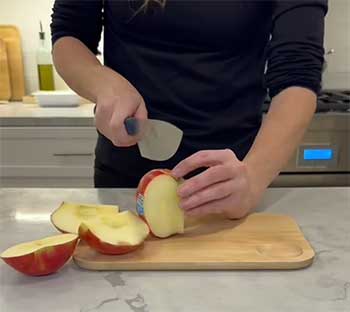
Caraway has taken the “aesthetic kitchen” world by storm with their sleek designs.
Their boards are typically made from FSC-certified birch.
When you compare them to Teakhaus, the first thing you notice is the weight and the “heartiness.”
Caraway boards feel a bit more like a lifestyle product—they’re thinner and designed to fit into specific storage organizers.
In actual use, I’ve found that the birch used by Caraway is significantly harder on my knife edges than the teak used by Teakhaus. Birch is a fine wood, but it doesn’t have the same “self-healing” properties that teak fibers offer.
After a month of heavy chopping, the Caraway board showed much deeper score marks than my Teakhaus did. If you want something that looks modern and fits in a slim rack, Caraway is fine, but if you are an analytical cook who cares about the longevity of your $200 Japanese steel blades, the Teakhaus offers a much more forgiving and professional-grade surface.
- Teakhaus Vs. Yamato Cutting Boards
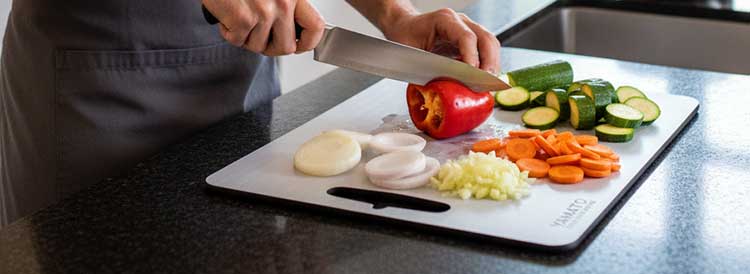
Yamato represents the high-end Japanese approach, often utilizing Hinoki (Japanese Cypress). This is a completely different experience than using a Teakhaus. Hinoki is incredibly soft—so soft that you can almost dent it with a fingernail.
It smells amazing, like a forest, and it is arguably the best surface in the world for ultra-thin, delicate slicing (think sushi or sashimi).
However, for a daily-driver board that needs to handle everything from heavy squash to a roast chicken, Yamato’s Hinoki can be a bit too delicate. I’ve found that while the Yamato board is a dream for my finest knives, it stains much more easily than the Teakhaus.
Teak’s natural resistance to liquids means a stray drop of beet juice or red wine isn’t an immediate disaster. For the average home cook who wants one board that can do it all without needing to be treated like a fragile heirloom, Teakhaus provides a much better balance of “knife-kindness” and rugged durability.
Frequently Asked Questions (FAQ)
Yes, they are exceptionally safe. Teak has natural antimicrobial properties, and because the wood doesn’t scar deeply, it’s harder for bacteria to hide compared to plastic boards.
Absolutely. Given that it can last a lifetime with proper care and saves you money on knife sharpening, the cost per use is incredibly low.
While “best” is subjective, Teakhaus is widely considered the top choice for those who want a mix of durability, water resistance, and sustainable sourcing.
They are excellent. Teak is arguably the best wood for a kitchen environment due to its high oil content and resistance to warping and moisture.
Final Thoughts
In summary, the Teakhaus cutting board is more than just a kitchen tool; it is a reliable companion for anyone who takes cooking seriously. You should buy this product because it offers a rare combination of professional performance and stunning natural beauty that elevates your entire kitchen experience.
Whether you are a weekend warrior or a home chef, this board provides the stability and protection your knives deserve, making it a purchase you will appreciate every single time you pick up a knife for decades to come.