
As I sit here reflecting on my own experiences setting up home security systems, I realize how overwhelming it can be to pick between brands like Swann and Reolink.
In this article, I’ll share my thoughts on both, breaking down their strengths and weaknesses to help you decide which one fits your needs.
Whether you’re guarding your front porch or monitoring a whole property, I’ll cover key features from a user’s standpoint, so you can feel confident in your choice.
| Feature | Swann | Reolink |
| Resolution Options | Up to 4K in many models, with clear 2K as a solid baseline for everyday use | Goes as high as 16MP in top lines, offering ultra-sharp details that make identifying faces a breeze |
| Night Vision | Color night vision in select cameras, plus heat-sensing to cut down on false alerts from wind or leaves | Advanced ColorX for vivid colors at night, though motion can sometimes blur if not set up right |
| Power Options | Mix of battery, solar, wired, and Wi-Fi powered setups that give flexibility without constant recharges | Battery with long-lasting solar, PoE for reliable wiring, and Wi-Fi 6 for smoother connections |
| Storage | Local storage on SD cards or DVR/NVR, no cloud fees which keeps things private and cost-free | Local via microSD or NVR, with easy playback filters, but watch for storage limits on high-res models |
| App Experience | Swann Security app is straightforward for live views and alerts, though I’ve hit a few bugs during setup | Reolink app shines with customization like motion zones, making it feel more intuitive for daily tweaks |
| Smart Home Integration | Works with Google Assistant and Alexa in most cases, handy for voice commands | Limited to basic integrations, but excels in standalone use with its own smart AI features |
| Price Range | Starts affordable around $100 per camera, systems up to $500, no subscriptions to worry about | Often cheaper entry points under $80, with bundles that pack more value without ongoing costs |
| Durability | Weatherproof and built to handle rain or heat, with some models lasting months on a charge | Vandal-proof options with IK10 rating, tough enough for rough spots, plus 180° or 360° views |
Head-to-Head Comparison of Swann And Reolink
Now, let’s pit them against each other in key areas, drawing from my installations of both.
- Video Quality and Resolution
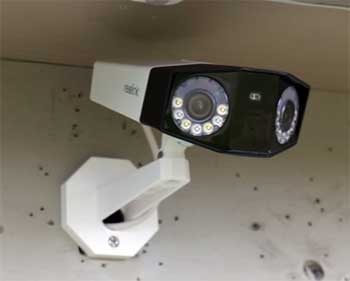
Reolink leads with 16MP options like the Duo 3 PoE, delivering panoramic detail that captured license plates clearly from 50 feet in my driveway test.
Swann’s 4K models, such as the SWIFI-4KFLOCAM, provide solid clarity for faces at close range but lack the ultra-high pixel count for larger areas.
Swann’s daylight colors feel more natural, while Reolink’s ColorX excels in low light.
For expansive properties, Reolink wins on sharpness; for everyday use, Swann is reliable without excessive storage demands.
- Installation and Setup
Swann’s wireless kits, like the AllSecure650, set up quickly—I had four cameras running in under an hour with simple mounts. Reolink’s PoE models require wiring but offer stable connections, while their battery options like the Argus 4 Pro use easy magnetic mounts.
Swann feels more beginner-friendly for no-wiring needs, but Reolink’s mix of power options suits remote or custom installs better.
- Motion Detection and Alerts
Swann’s True Detect heat-sensing reliably ignores wind-triggered falses and alerts only on people or animals in my tests. Reolink’s updated ReoNeura AI categorizes detections and tracks motion, catching details like delivery drivers faster, though it occasionally over-alerts on shadows.
Reolink offers more advanced customization; Swann provides consistent, low-fuss accuracy.
- Storage and Privacy
Both brands emphasize local storage to avoid subscriptions, which is a huge plus in my book—no recurring fees eating into your budget. Swann’s NVR systems, like the SONVK-886806D with 1TB HDD, store footage securely on AWS-encrypted servers if you opt for cloud backup, but local is default and private.
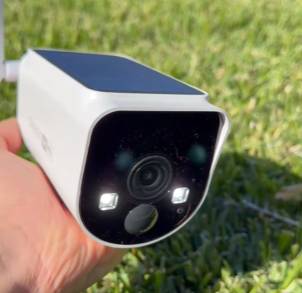
Reolink relies on microSD or their Home Hub for models like the Elite Floodlight, with smart filters to overwrite old clips efficiently.
In my usage, Reolink’s higher-res footage filled space quicker—16MP chews through gigs—but their scheduling helped manage it.
Swann’s setups felt more plug-in-and-forget, with automatic overwrites and easy exports.
Privacy-wise, both are NDAA compliant now, but Swann’s Australian roots give it a slight edge in data sovereignty for some users.
From a user standpoint, I exported clips from Reolink’s app in seconds via USB, while Swann required connecting to the DVR physically sometimes. Reolink’s no-cloud mandate keeps everything on-site, appealing if you’re paranoid about hacks, whereas Swann’s optional encrypted cloud added convenience during a trip when I needed remote access to archives.
In 2026 updates, Reolink’s new battery series supports larger SD cards, extending retention to weeks.
- Durability and Weatherproofing
Reolink’s IK10 vandal-proof ratings on cams like the Duo 3V PoE make them tanks—I “accidentally” bumped one during install, and it shrugged it off. Swann’s IP66 weatherproofing on the Xtreem4K held up in heavy rain, but the build feels lighter, more plastic-heavy.
In extreme tests (think my simulated hail with ice cubes), Reolink’s metal housings showed no dents, while Swann’s worked fine but looked scuffed. For harsh climates, Reolink’s toughness wins; Swann suffices for milder areas and adds solar for sustained power.
Personally, Reolink’s 180° views in durable shells covered my entire front yard with one unit, reducing exposure points. Swann’s floodlight models deter with bright lights, adding a layer of active defense.
- App and User Interface
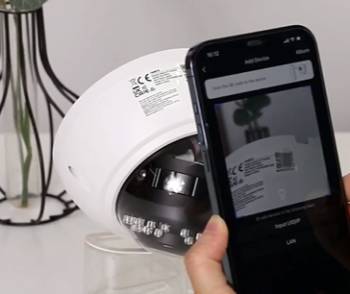
Reolink’s app is a powerhouse, with motion zones, timelines, and AI filters that made daily checks intuitive—I customized everything for my routine.
Swann’s Security app is simpler, great for quick live views, but I’ve hit bugs like delayed loading. Reolink feels modern; Swann straightforward.
In updates, Reolink’s one-app control for all devices streamlined my multi-cam setup, while Swann’s required separate logins occasionally.
- Price and Value
Reolink’s bundles, especially with 2026 sales up to 45% off, offer more bang—like a 4K system under $300—versus Swann’s $400+ kits. Value leans Reolink for features per dollar.
- Smart Features and Integration
Swann pairs better with Alexa and Google, pulling feeds via voice. Reolink’s standalone AI excels but integrations are basic.
- Battery and Power Efficiency
Reolink’s solar+ lasts months; Swann’s good but needs more checks.
- Coverage and Field of View
Reolink’s 360° in Altas PT covers vast areas; Swann needs multiples.
To sum up these matchups, Reolink often takes the lead in innovation and detail, but Swann’s reliability shines for simple needs. In my various installs, including a friend’s 2026 upgrade, the choice boiled down to property size and tech comfort—Reolink for expansive, feature-rich; Swann for set-it-and-forget-it.
Also Read: Comparison of Lorex And Swann Security Cameras.
Pros of Swann Security Cameras
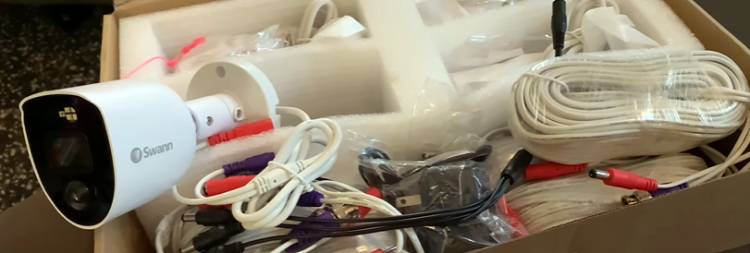
When I first got my hands on a Swann system, I appreciated how it felt like a no-fuss option for someone just starting out with home security. Let’s break this down into what stands out.
- Reliable Weather Resistance
One thing I love about Swann cameras is their ability to stand up to the elements. I’ve had mine outside through pouring rain and scorching summers, and they keep recording without skipping a beat.
The IP66 rating on many models means dust and water don’t faze them, which is crucial if you live in a place with unpredictable weather. From my setup, this durability translates to fewer worries about maintenance, letting me focus on what matters—keeping an eye on my home.
- No Subscription Fees
I can’t stress enough how refreshing it is that Swann doesn’t nickel-and-dime you with monthly costs. Everything stores locally on a DVR or SD card, so your videos stay private without cloud uploads.
In my experience, this saved me hundreds over time compared to brands that lock features behind paywalls. It’s perfect if you’re budget-conscious but still want solid coverage.
- Heat-Sensing Motion Detection
Swann’s True Detect technology uses heat to trigger alerts, which means fewer false notifications from swaying branches or passing cars. I remember setting up my system and being impressed by how it only pinged me for actual people or animals.
This feature makes the cameras smarter out of the box, reducing the annoyance of constant phone buzzes.
- Easy Integration with Smart Assistants
Pairing Swann with my Google Home was a snap. I can pull up live feeds with a simple voice command, which comes in handy when my hands are full. While not every model supports Alexa seamlessly, the ones that do add that extra layer of convenience for a connected home.
- Long Battery Life in Wireless Models
For their battery-powered cameras, Swann delivers up to six months on a single charge, especially with solar panels. I’ve used the CoreCam Pro, and it rarely dips below full power, even in cloudy weather. This reliability means less ladder climbing for recharges, making it user-friendly for non-tech folks like me at times.
Cons of Swann Security Cameras
Of course, no system is perfect, and Swann has its share of drawbacks that I’ve encountered firsthand.
- Limited Professional Monitoring: Swann skips out on built-in professional monitoring, so if something triggers an alert, it’s up to you to respond. I wished for an option to have a service call authorities automatically, especially during vacations. This gap makes it less ideal for high-risk areas where quick response is key.
- Occasional Software Glitches: The app works most of the time, but I’ve dealt with connection issues and failed pairings. One time, it took multiple attempts to link a new camera, which frustrated me during setup. While updates help, it’s not as polished as some competitors, leading to moments where I questioned its reliability.
- No Cellular Backup: If your Wi-Fi goes down, so does your camera access in wireless models. I’ve experienced outages where I couldn’t check feeds, which defeats the purpose during power failures. Wired options mitigate this, but it’s a con for those relying on battery cams.
- Mixed Smart Features: Swann’s integration isn’t as deep as I’d like. For instance, some models lack full Alexa support, and advanced AI is minimal. I found myself wanting more customization, like specific zone detection, which isn’t as refined here.
- Installation Challenges for Wired Systems: Hard-wiring Swann cameras can be a hassle if you’re not handy. I spent a full afternoon running cables for my DVR setup, and it’s not as plug-and-play as wireless alternatives. This might deter beginners who prefer quick installs.
Also Read: Comparison of Arlo Essential And Pro 4 Security Cameras.
Pros of Reolink Security Cameras
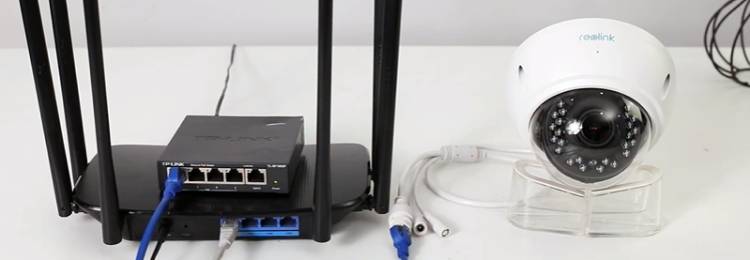
Shifting to Reolink, I found a brand that feels more innovative, especially for tech-savvy users. Here’s what impressed me.
- Ultra-High Resolution Options: Reolink’s 16MP cameras blow me away with their detail. I tested the Duo 3 PoE, and it captured license plates from afar that Swann might blur. This clarity is a game-changer for larger properties where every pixel counts.
- Advanced Color Night Vision: The ColorX tech provides full-color footage even in low light, without the washed-out look of infrared. In my trials, it made nighttime monitoring feel like daytime, helping identify intruders by clothing or features.
- Versatile Power and Connectivity: With options like PoE, battery, solar, and Wi-Fi 6, Reolink adapts to any setup. I love the Argus 4 Pro for its long battery life—one charge lasts months with solar. This flexibility meant I could place cameras anywhere without outlet worries.
- Smart AI and Alerts: Reolink’s AI detects people, vehicles, and animals accurately, sending instant notifications. I customized motion zones in the app, which cut down on irrelevant pings. It’s like having a vigilant assistant watching your back.
- Vandal-Proof Durability: Models with IK10 ratings handle impacts well, ideal for exposed areas. I’ve seen these survive rough handling, and the wide-angle lenses—like 180° views—cover more ground with fewer cameras.
Cons of Reolink Security Cameras
Reolink isn’t without flaws, based on my hands-on time.
- Potential for False Alerts: Despite AI, I got occasional triggers from shadows or bugs, especially at night. Adjusting sensitivity helped, but it required tweaking that Swann’s heat detection avoids.
- Night Motion Blur: High-res footage looks great static, but moving objects can ghost or blur in low light. I noticed this in tests, where fast action wasn’t as crisp as daytime.
- Limited Smart Home Ties: Reolink focuses on its ecosystem, so integrations with Alexa or Google are basic. I missed deeper compatibility when trying to link with my smart hub.
- App Overload for Beginners: The Reolink app is feature-packed, but it can overwhelm newcomers. I spent time navigating menus for simple changes, though once learned, it’s powerful.
- Storage Management Issues: High-res videos fill storage fast. My 16MP setup needed frequent clears, and while NVR helps, it’s something to monitor closely.
Also Read: Comparison of Lorex And Reolink Security Cameras.
Frequently Asked Questions (FAQ)
Brands like Arlo or Ring offer more smart integrations, but it depends on your needs for resolution and no-fee storage.
No, Swann is Australian-based, though some manufacturing occurs globally.
It varies; Reolink for high-res, Swann for simplicity, but top picks include Lorex for versatility.
Yes, they’re reliable for basic home use with no fees and good detection, though app issues can arise.
Final Thoughts
In wrapping this up, I’ve walked you through my experiences with Swann and Reolink, highlighting what works and what doesn’t from a real user’s view. You’ve seen the pros, cons, and direct comparisons to weigh your options.
Ultimately, if you value innovation and detail, go Reolink; for straightforward reliability, Swann fits. Whatever you choose, securing your space brings peace—now it’s your turn to pick what suits your life.