
As someone who’s dealt with flooded basements and impromptu water emergencies in my own home, I’ve spent a fair amount of time figuring out the best tools to keep things dry and functional.
In this article, I’ll break down the showdown between sump pumps and utility pumps, helping you decide which one fits your needs.
My main goal here is to give you a clear, hands-on comparison so you can make an informed choice without the guesswork, whether you’re prepping for heavy rains or tackling everyday spills.
| Feature | Sump Pump | Utility Pump |
| Primary Use | Removing water from basements or low-lying areas to prevent flooding | General water transfer, like draining pools, aquariums, or flooded spots |
| Installation | Permanent, often in a sump pit with automatic operation | Portable, no fixed setup required; plug-and-play |
| Power Source | Electric, sometimes battery backup | Electric, gas-powered, or manual |
| Flow Rate | High, 20-60+ GPM for heavy-duty models | Variable, 10-40 GPM depending on size |
| Automation | Float switches for automatic start/stop | Mostly manual, some with basic switches |
| Durability | Built for continuous submersion and long-term use | Versatile but may wear faster in constant wet conditions |
| Cost Range | $100-$500+ | $50-$300 |
| Best For | Homes with flood risks | Versatile tasks around the house or yard |
Key Differences Between Sump Pumps And Utility Pumps
To really grasp why one might suit you better than the other, I’ve broken down the main distinctions based on my hands-on comparisons. These aren’t just specs on paper—they’re insights from actual use in various scenarios.
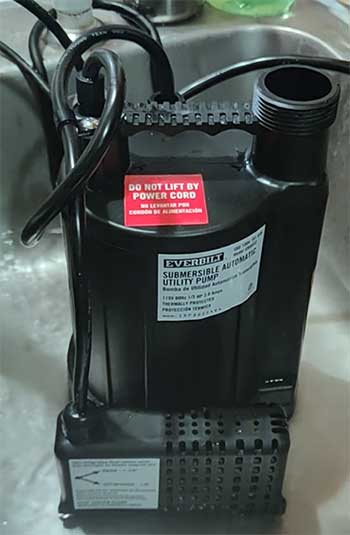
- Purpose and Application: Sump pumps are specialized for flood control in basements, automatically handling rising water to protect your home’s foundation. I’ve relied on mine during prolonged rainy seasons when groundwater builds up steadily. Utility pumps, however, shine in general water removal tasks, like draining appliances or outdoor areas. For instance, when my backyard flooded temporarily from a burst pipe, the utility pump was quicker to deploy than setting up a sump system.
- Installation Requirements: Installing a sump pump involves digging a pit and wiring it for permanent use, which took me a full afternoon with some plumbing know-how. It’s a one-time effort for long-term payoff. Utility pumps require zero installation—just plug them in or start the engine. This portability saved me when I needed to pump out a neighbor’s flooded driveway on short notice, without any setup hassle.
- Automation Levels: Most sump pumps come with float switches that turn them on automatically when water reaches a certain level, making them hands-off during storms. I’ve appreciated this feature during vacations, knowing my basement is protected. Utility pumps are typically manual, requiring you to monitor and start them, though some have basic auto-shutoff. In my experience, this means they’re better for supervised tasks to avoid dry-running damage.
- Power and Capacity: Sump pumps often boast higher horsepower and flow rates, pumping out thousands of gallons per hour in heavy floods. My 1/2 HP model handles up to 3,000 gallons hourly, crucial for serious water intrusion. Utility pumps vary but are generally lower capacity, around 1,000-2,000 gallons per hour, suited for lighter duties. When I compared them side-by-side draining a small pond, the sump pump finished faster but was overkill for the job.
- Durability and Build Quality: Sump pumps are engineered for submersion in harsh, wet environments, with sealed motors and corrosion-resistant materials. They’ve lasted me years with minimal issues. Utility pumps are rugged but not as specialized, so they might rust or fail if left in water indefinitely. I’ve had to replace a utility pump after using it in murky water, whereas my sump pump chugs along reliably.
- Cost and Maintenance: Sump pumps can be pricier upfront due to their robust design and features like battery backups, but they save money long-term by preventing flood damage. Maintenance involves occasional cleaning of the pit. Utility pumps are cheaper and easier to maintain, but frequent use might mean more replacements. From budgeting my own tools, I’ve found utility pumps more affordable for occasional needs.
- Portability vs. Permanence: The biggest divide is mobility—utility pumps are grab-and-go, perfect for renters like I was once, who can’t modify a property. Sump pumps are fixed fixtures, ideal for homeowners committed to property protection. This difference influenced my choice when I bought my house; the sump pump became a staple, while the utility one stays in the shed for versatility.
Understanding Sump Pumps: My Go-To for Basement Protection
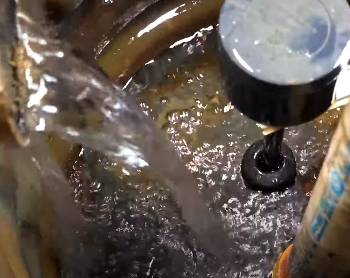
When I first moved into a house with a basement, the threat of water creeping in during storms kept me up at night.
That’s where sump pumps come in—they’re essentially your basement’s guardian against unwanted water.
These devices sit in a pit dug into the lowest point of your foundation, collecting groundwater or runoff that seeps in.
Once the water level rises, the pump kicks on and pushes it out through a discharge pipe, usually to a storm drain or away from the house.
From my experience, sump pumps are all about prevention. They’re designed to handle steady inflows, like from melting snow or heavy downpours, and they operate quietly in the background. I remember installing one after a minor flood ruined some stored boxes; it was a game-changer.
Key models include submersible types that go underwater and pedestal ones that stay above the pit for easier access. If you’re in a flood-prone area, like I am near a river, this is the pump that gives you peace of mind.
But let’s get real—sump pumps aren’t just plug-and-play. They require some setup, like ensuring the pit is properly lined and the discharge line doesn’t freeze in winter. I’ve learned the hard way that regular checks are essential to avoid clogs from debris.
Key Features of Sump Pumps
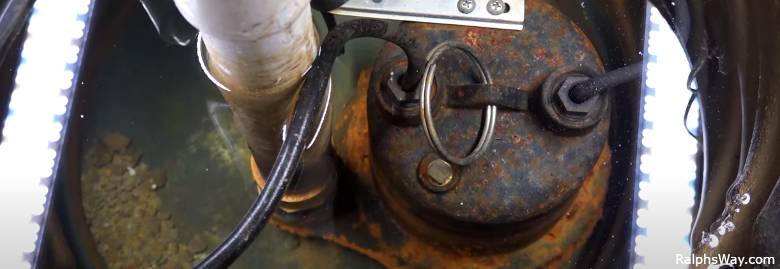
Diving into what makes sump pumps tick, I’ve highlighted the standout elements that have proven invaluable in my setup. These features aren’t just bells and whistles—they directly impact performance and reliability.
- Submersible Design: Many sump pumps are fully submersible, sitting underwater in the pit without overheating. In my basement, this means quiet operation and no exposed parts to trip over. It handles constant exposure to moisture, which is essential for areas with high water tables.
- Float Switch Mechanism: This is the brains of the operation—a float rises with water levels to activate the pump. I’ve opted for vertical floats for their reliability in tight spaces, preventing false starts from debris. Some advanced models use electronic sensors for even more precision.
- Battery Backup Systems: For power outages during storms, battery backups keep the pump running. Mine has saved my basement multiple times when the grid went down, pumping for hours on a charged battery. It’s a must-have if you live in areas with unreliable electricity.
- High Flow Rates and Horsepower: With options from 1/4 to 1 HP, these pumps move water fast. My 1/3 HP unit expels 2,200 gallons per hour at a 10-foot head, handling everything from seeps to surges without straining.
- Check Valves and Alarms: Built-in check valves prevent backflow, and alarms alert you to high water or failures. I’ve added a Wi-Fi alarm to mine for remote notifications, adding an extra layer of security when I’m away.
- Material Construction: Cast iron or thermoplastic housings resist corrosion. My cast iron model has endured years of use without rust, even in slightly acidic groundwater.
- Discharge Pipe Compatibility: They connect to standard pipes for directing water away, often with adapters for easy integration. This feature ensured seamless setup in my home’s existing drainage.
Pros of Sump Pumps
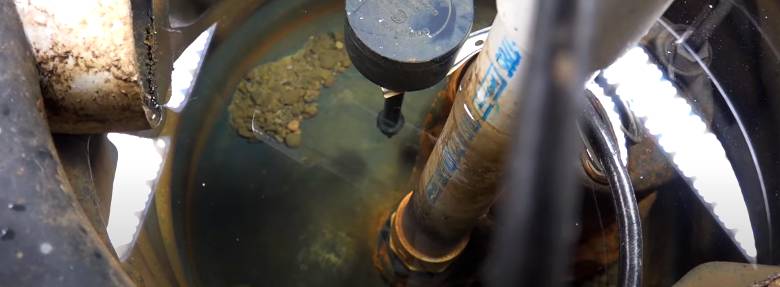
Sump pumps have earned their spot in my home for good reason, and I’ll elaborate on why they’re worth the investment, drawing from real-world benefits I’ve seen.
- Reliable Flood Prevention: They automatically handle water buildup, protecting your foundation and valuables. In my case, during a week of non-stop rain, it pumped out hundreds of gallons without me lifting a finger, averting costly repairs that could run thousands.
- Long-Term Durability: Built to last 5-10 years or more with proper care, they’re a set-it-and-forget-it solution. I’ve had mine for seven years now, with only minor maintenance, far outlasting cheaper alternatives in constant wet conditions.
- Energy Efficiency: Modern models use low wattage, running only when needed. My unit draws about 800 watts intermittently, keeping electric bills in check compared to always-on systems.
- Customizable Options: From quiet operation to smart integrations, you can tailor them. Adding a battery backup to mine cost extra but provided uninterrupted protection during blackouts, which happen often in my area.
- Property Value Boost: Installing one can increase home resale value by showing proactive flood management. When I appraised my house, the sump pump was noted positively, potentially adding a few percentage points to the valuation.
- Quiet and Discreet: Submersible types hum softly, barely noticeable. This has been great for my home office above the basement, without disruptive noise during operation.
- Environmental Benefits: By directing water away properly, they prevent mold and erosion. I’ve noticed healthier air quality in my basement since installation, reducing allergy issues for my family.
Cons of Sump Pumps
No tool is perfect, and sump pumps have drawbacks I’ve navigated over time.
- High Initial Cost: Quality models start at $150, plus installation if you’re not DIY-savvy. I spent $300 total, including the pit liner, which felt steep compared to grabbing a cheap utility pump.
- Installation Complexity: Digging the pit and routing pipes requires tools and time. My first attempt involved hiring help after I botched the depth, adding unexpected expenses.
- Maintenance Needs: Regular cleaning to remove silt is essential, or it clogs. I’ve set reminders every six months, but forgetting once led to a backup during a storm.
- Dependency on Power: Without a backup, outages render them useless. I learned this during a hurricane, rushing to buy a generator mid-crisis.
- Space Requirements: They need a dedicated pit, which isn’t feasible in all homes. In my previous apartment, this made sump pumps impractical.
- Potential for Noise in Some Models: Pedestal types can be louder. Though mine is submersible, I’ve heard complaints from friends about vibrations.
- Limited Versatility: They’re fixed to one spot, not movable for other tasks. This means I still need a utility pump for non-basement issues.
Exploring Utility Pumps: The Versatile Helper in My Toolkit
On the flip side, utility pumps have been my reliable sidekick for all sorts of random water woes. Unlike sump pumps, these are portable powerhouses meant for moving water from one spot to another without a permanent home.
I’ve used mine to empty a kiddie pool after a party, drain a leaky hot tub, or even clear out standing water from a garden bed after a storm.
What I love about them is their flexibility. They’re lightweight, often with handles for easy carrying, and can handle everything from clean water to slightly dirty stuff with small particles. In my garage, I keep one ready for emergencies, like when a washing machine overflows.
They’re not tied to one location, so you can take them camping to pump water from a stream or use them in construction for dewatering trenches.
However, they’re not built for constant submersion like sump pumps. I’ve found that leaving one in water too long can lead to motor issues, so they’re best for short-term jobs. Models vary from electric plug-ins to gas-powered ones for outdoor use where outlets are scarce.
Key Features of Utility Pumps
Utility pumps pack a punch in their compact form, and from tinkering with several models, these features stand out for their practicality in everyday fixes.
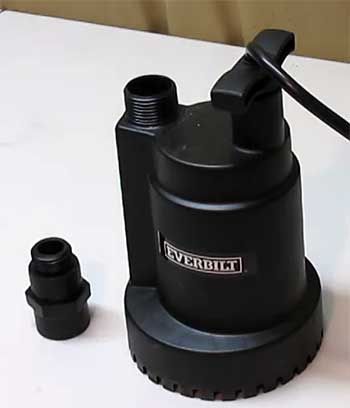
- Portability with Handles and Hoses: Lightweight designs with carry handles make them easy to move. Mine weighs under 10 pounds, complete with a garden hose attachment for quick connections to sinks or drains.
- Versatile Power Options: Electric for indoor use, gas for outdoors, or even manual hand pumps for off-grid scenarios. I’ve used a gas-powered one during camping to transfer water, appreciating the independence from outlets.
- Intake Screens for Debris: Removable screens filter out solids up to 1/8 inch, preventing clogs. This has been handy when pumping murky water from my yard, though I clean it after each use.
- Variable Flow Control: Some models let you adjust speed for delicate tasks, like draining an aquarium without harming fish. My electric utility pump has a dial for this, making it adaptable.
- Thermal Overload Protection: Built-in sensors shut off the motor if it overheats, extending life. I’ve pushed mine hard during long draining sessions, and this feature prevented burnout.
- Compact Size for Storage: They fold up small, fitting in a toolbox. This portability means I can lend it to friends or store it without taking space.
- Multi-Purpose Attachments: Adapters for different hose sizes or even vacuum functions in some models. One of mine doubles as a wet vac, sucking up spills from carpets.
Also Read: Reasons Why Grundfos MQ3-45 Leaking From Bottom.
Pros of Utility Pumps
Utility pumps win big on adaptability, and I’ve leaned on them for quick fixes that sump pumps can’t touch.
- Exceptional Portability: Easy to carry and store, they’re ideal for on-the-go use. I’ve tossed mine in the car for helping family with floods, deploying it in minutes.
- Affordable Entry Point: Starting at $50, they’re budget-friendly. My first one was a steal at $80, handling multiple jobs without breaking the bank.
- Versatile Applications: From draining pools to transferring fuel, they’re multi-taskers. I used mine to empty a rain barrel, then switch to cleaning a flooded garage seamlessly.
- Quick Setup: No tools needed—just connect and go. This speed has been a lifesaver during sudden leaks, like when my roof dripped into the attic.
- Variety of Power Sources: Gas options work off-grid. During a power outage, my gas utility pump cleared water while the sump waited for electricity.
- Ease of Maintenance: Simple to disassemble and clean. I’ve rinsed mine after dirty jobs, keeping it ready without much effort.
- Compact and Lightweight: Fits in small spaces. This has allowed me to store extras for emergencies without cluttering my garage.
Cons of Utility Pumps
Despite their handiness, utility pumps have limitations I’ve encountered.
- Lack of Automation: Manual operation means constant monitoring. I’ve had to babysit mine during long tasks to avoid running dry and damaging the motor.
- Lower Capacity for Big Jobs: Not suited for massive floods. When my basement had serious water, the utility pump struggled, taking hours what a sump could do faster.
- Potential for Overheating: Without submersion tolerance, prolonged use heats them up. I’ve burned out one by pushing it too hard in hot weather.
- Shorter Lifespan: Frequent use wears them down quicker. My utility pumps last 2-4 years, versus the sump’s longevity.
- Noise Levels: They can be louder, especially gas models. This disturbed neighbors when I used one outdoors at night.
- Limited Debris Handling: Screens clog easily with larger particles. I’ve had to pause jobs to clear them, extending time.
- Dependency on User Intervention: No built-in alarms, so failures go unnoticed. This led to a small flood when I forgot to check one.
When to Choose a Sump Pump Over a Utility Pump?
In my analytical view, opt for a sump pump if your home has ongoing flood risks. For example, if your basement collects water seasonally, the automation and power make it superior. I’ve crunched the numbers: preventing one major flood can save $5,000+ in damages, justifying the cost.
When a Utility Pump Makes More Sense?
Go for utility if you need flexibility for sporadic tasks. Renters or those without basements benefit most. From my trials, it’s perfect for hobbies like gardening or boating, where portability trumps permanence.
Also Read: Constant Pressure Well Pumps Reviews.
Frequently Asked Questions (FAQ)
A utility pump transfers water from one place to another, handling tasks like draining pools or clearing spills.
A sump pump is specialized for basement flood control with automatic features, while a regular pump (like utility) is portable for general water movement.
Not necessarily; it often indicates proactive flood prevention in wet areas, but check for past water issues.
Centrifugal (for high flow), positive displacement (for viscous fluids), and submersible (for underwater use).
Final Thoughts
As I wrap this up, I’ve shared my insights from years of dealing with these pumps to help you navigate your own water challenges. Whether you’re battling a soggy basement like I have or just need a quick fix, understanding these differences empowers you to choose wisely.
Remember, the right pump isn’t about one being better—it’s about what fits your life. If you’re facing a similar dilemma, think about your specific needs, and you’ll land on the perfect solution.