
I’ve spent years chasing the perfect office chair, battling back pain from long workdays and testing everything from budget options to high-end models.
After months of daily use with both the Herman Miller Aeron and Steelcase Gesture, I’m sharing my honest comparison of these two iconic ergonomic chairs.
My goal here is to help you figure out which one fits your body, work style, and budget best — whether you prioritize breathability and posture support or versatility for shifting positions throughout the day.
| Aspect | Herman Miller Aeron | Steelcase Gesture |
| Approximate Price Range | $1,400 – $1,875 (depending on options) | $1,350 – $1,500 (fully loaded) |
| Weight | Around 41 lbs | Around 61 lbs |
| Sizes Available | Three (A, B, C) for precise fit | One size with adjustments |
| Seat Material | 8Z Pellicle mesh (no padding) | Padded foam with flexible edges |
| Back Support | PostureFit SL (adjustable sacral and lumbar) | Adaptive core equalizer with optional lumbar |
| Arm Adjustability | Height, depth, pivot (highly adjustable) | 360-degree 4D (height, width, depth, pivot) |
| Breathability | Excellent (full mesh) | Good (fabric back, less airy) |
| Recline | Harmonic tilt with forward option | Synchro-tilt with multiple locks |
| Warranty | 12 years, full coverage | 12 years, full coverage |
| Best For | Posture-focused users, hot climates | Multi-posture workers, device-heavy tasks |
Key Differences Between The Gesture And The Aeron
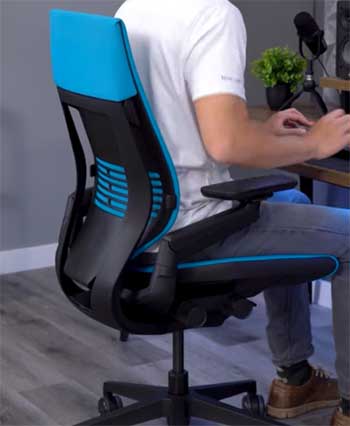
- Material and breathability — The Aeron’s full 8Z Pellicle mesh creates unmatched airflow; I could sit through hot afternoons without sticking or overheating. The Gesture’s fabric back and padded seat offer initial coziness but trap heat faster — I found myself needing a fan more often during summer 2026 heat waves.
- Arm adjustability — Gesture’s 360-degree arms are revolutionary for modern work; they pivot and spread to cradle devices naturally, saving my shoulders during long phone scrolls. Aeron’s arms adjust beautifully in height, depth, and angle but stay narrower and less accommodating for sideways or wrapped postures.
- Seat comfort and design — Gesture’s cushioned foam with flexible edges feels softer and more forgiving right away, especially for cross-legged sitting or perching forward. Aeron’s mesh seat distributes weight evenly and stays cooler but can feel the underlying frame after hours, requiring an adjustment period.
- Back and lumbar support — Aeron’s PostureFit SL delivers precise, dual-zone adjustment that actively corrects posture and eased my lower back pain over weeks. Gesture’s adaptive LiveBack flexes with movement and offers optional lumbar, but the support feels more passive and less targeted for strict alignment.
- Recline style and feel — Aeron’s Harmonic 2 tilt is smooth and posture-maintaining, with a forward tilt that kept me engaged during focused tasks. Gesture’s synchro-tilt with core equalizer allows more dynamic rocking and multiple locks, better for frequent position changes but with slight give even when locked upright.
- Size and fit approach — Aeron’s three sizes (A, B, C) provide a custom-like fit once you choose correctly — Size B hugged my frame perfectly. Gesture uses one size with broader adjustments, making it more forgiving out of the box for varied body types or shared use.
- Weight and mobility — Aeron’s lighter 41-pound frame made sliding or repositioning effortless around my home office. Gesture’s heavier build (up to 78 pounds with headrest) feels planted and stable but requires real effort to move.
- Price and real-world value in 2026 — Gesture often lands cheaper with standard features and frequent deals, feeling like better immediate value. Aeron’s price climbs quickly with options but holds premium resale and perceived longevity.
- Overall design philosophy — Aeron emphasizes classic neutral posture, breathability, and refined simplicity — ideal if you sit “correctly” most of the day. Gesture prioritizes adaptability for today’s multi-device, multi-posture reality — shining when your work involves constant shifting.
- Long-term build perception — Aeron feels more precisely engineered with premium materials that inspire confidence over decades. Gesture is robust but uses more plastic components, leading some (including me after extended testing) to notice minor creaks or slightly less “heirloom” quality.
Key Features of The Aeron
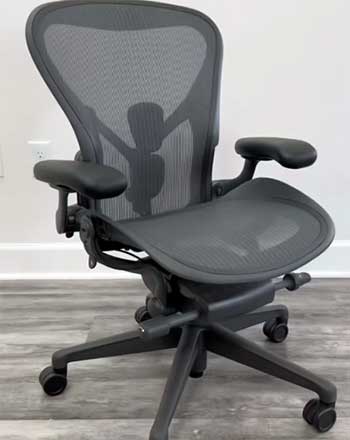
- 8Z Pellicle mesh construction: Eight zones of varying tension distribute weight perfectly while allowing constant airflow — I stayed cool even on humid days, and the mesh adapts to my movements without sagging over time.
- PostureFit SL support: Independent sacral and lumbar pads dial in exactly the right curve for my spine, noticeably reducing lower back fatigue and helping me maintain better alignment during long sessions.
- Harmonic 2 tilt mechanism: Recline feels natural and connected, maintaining alignment with a forward tilt option for intense work; the updated tilt in the remastered version moves even more fluidly than older models I tried.
- Three distinct sizes: Size B was spot-on for my 5’10” frame; the sizing system ensures a tailored fit most chairs can’t match, avoiding the too-big or too-small issues I had with one-size designs.
- Refined adjustable arms: Height, depth, and wide pivot range stay supportive through movement; they lock solidly and feel premium every time I adjust them.
- Tilt limiter and tension control: Easy to set resistance and lock positions that suit my weight and style; I tweaked it once and forgot about it, as it just worked.
- Sustainable materials: High recycled content, including ocean-bound plastic updates, and full recyclability feel good in 2026 without compromising performance.
Pros of The Herman Miller Aeron

- Best-in-class breathability: Full mesh kept me dry and comfortable when padded chairs would have me sweating; even in stuffy rooms, I never felt overheated after hours.
- Exceptional posture correction: PostureFit SL gently trained better alignment and eased my chronic issues; over weeks, I noticed less end-of-day slumping and tension.
- Premium build quality: Precise engineering, no noises or wear even after heavy use; every component feels like it could last decades.
- Smooth, balanced recline: Harmonic tilt made leaning back feel effortless and supportive; the forward tilt especially helped during focused coding or writing marathons.
- Proven long-term durability: Mesh shows no sag, backed by that solid 12-year warranty; I’ve seen older Aerons still going strong.
- Lightweight and mobile: Easy to move around my office at just over 40 pounds; rolling or repositioning never felt like a chore.
- Timeless professional aesthetic: Looks sharp and understated in any setup; it blends into my home office without screaming “office chair.”
- Ideal for focused, upright work: Forward tilt kept me energized during deep concentration; it rewarded good posture in a way that motivated me.
Cons of The Herman Miller Aeron
- Firm seat takes adjustment: Mesh can feel the frame edges at first, especially past hour six; it took me a week to fully break in and appreciate the support.
- No seat depth slider: Fixed depth works in the right size, but limits flexibility; shorter or taller friends borrowing it sometimes complained about leg support.
- Arms lack width adjustment: Couldn’t spread as far as I wanted for relaxed postures; great for typing but less ideal for lounging with a book.
- Price climbs fast with options: Fully loaded easily hits $2,000+; the base is solid, but adding everything I wanted added up quickly.
- Less forgiving for casual slouching: Firmness energizes some days but feels rigid others; if I’m tired, I sometimes craved more cushion.
- No built-in headrest: Tall users or deep recliners often add one separately; I ended up buying an aftermarket one for full relaxation.
- Mesh attracts dust and pet hair: Minor cleaning hassle in my home; a quick vacuum fixes it, but padded chairs hide it better.
Also Read: My Experience With Emerge Vortex Gaming Chair.
Key Features of The Steelcase Gesture
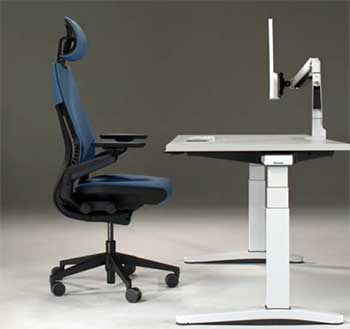
- True 360-degree arms: They move in every direction, perfectly supporting phone cradling, tablet holding, or intense typing; the range felt revolutionary for my multi-device workflow.
- LiveBack core equalizer: Backrest flexes and adapts as I shift, following my spine naturally; it responds to twists and leans in a way that kept me moving comfortably.
- Contoured padded seat with flexible edges: Cushioned foam plus soft edges let me sit cross-legged or sideways comfortably; the design prevented edge pressure on my thighs.
- Seat depth adjustment: Simple slider fine-tunes thigh support exactly how I need it; quick tweaks made it fit different outfits or postures seamlessly.
- Synchro-tilt with variable lock: Back moves faster than seat for dynamic support, with multiple recline positions; I could lock it in several spots for varied tasks.
- One-size-fits-most approach: Broad adjustment range accommodated me and visiting friends easily; no need to worry about sizing charts.
- Optional lumbar and headrest: Add targeted support or neck relief when desired; the headrest especially helped during long video calls.
- High 400-pound capacity: Feels rock-solid and inclusive; the sturdy base inspired confidence under heavier loads.
Pros of The Steelcase Steelcase Gesture
- Unmatched arm versatility: 360 arms handled every device posture better than any chair I’ve tried; scrolling on my phone or holding a tablet felt naturally supported.
- Forgiving padded comfort: Cushioning felt welcoming for all-day sitting without numbness; the foam molded gently over time for a personalized feel.
- Excellent for varied modern postures: Supported leaning forward, sideways, or perching without complaint; perfect for my unpredictable workdays.
- Intuitive seat depth slider: Easy to perfect leg support on the fly; small adjustments made big differences in circulation and comfort.
- Adaptive back movement: Followed my twists and shifts, reducing mid-day stiffness; it encouraged healthy micro-movements.
- Robust construction: Heavy but stable, with quality that holds up; replaceable parts mean it can evolve over years.
- Often better value: Frequently discounted below a comparable Aeron; I snagged mine on a deal that felt smart.
- Great for multi-tasking days: Seamless switching between laptop, phone, and notes; it kept up with my chaos better than rigid designs.
Cons of The Steelcase Gesture
- Much heavier build: Nearly double the Aeron’s weight made rearranging my office harder; wheeling it over carpet took effort.
- Reduced breathability: Fabric back warmed up noticeably compared to mesh; on hot days, I missed the constant airflow.
- Lumbar support less pronounced: Optional pad helps, but never matched Aeron’s targeted push; it felt good but not corrective.
- No perfect upright lock: Slight give even when locked bothered my rigid preference; I wanted total stillness sometimes.
- Seat padding can compress over very long sessions: Still comfortable, but firmness creeps in after 10 hours; not as resilient as mesh for marathons.
- Single size reliance: Adjustments are great, but not as precisely tailored as Aeron’s sizing; extremes in height/weight might notice compromises.
- Occasional minor creaks: Plastic components developed faint noises over time; nothing major, but less silent than the Aeron.
- Arm pads feel basic: Functional yet less plush than Aeron’s; they work fine but lack that premium softness.
Also Read: Differences Between AndaSeat And Secretlab Gaming Chairs.
My Head-to-Head Experiences
During focused work, the Aeron’s forward tilt and posture support kept me aligned and productive. For casual browsing or calls, the Gesture’s arms and flexible seat let me shift freely without discomfort.
In hot weather, the Aeron won; in varied postures, the Gesture dominated. Build-wise, both impressed, but the Aeron felt more premium.
Which Chair Would I Recommend to You?
If you prioritize breathability, strict posture support, and a lighter chair — especially in warm environments or with back issues — go with the Aeron. It’s the gold standard for many.
If you need versatility for changing positions, superior arms for devices, and a cushioned seat, choose the Gesture. It adapts to real-life work better.
Both are investments that transformed my days. You can’t go wrong, but matching it to your habits makes the difference.
Final Thoughts
In wrapping this up, I’ve come to appreciate both the Aeron and Gesture for elevating my work life — no more aches distracting me.
If you’re tired of mediocre seating and ready for real comfort, consider what matters most to you: that cool, supportive mesh hug from the Aeron, or the adaptable, posture-embracing flexibility of the Gesture.
Whichever you pick, you’ll feel the upgrade every day. Take the plunge — your back will thank you.