
As a guy who’s spent years tinkering with pocket knives, from everyday carry to outdoor adventures, I want to share my thoughts on Spyderco and Benchmade.
These two brands stand out in the knife world for their quality and innovation, but they cater to different tastes.
My goal here is to break down what makes each tick, so you can pick the right one for your pocket or toolbox. We’ll cover features, strengths, weaknesses, and more to make your choice clearer.
| Feature | Spyderco | Benchmade |
| Origin | Founded in 1976 in Golden, Colorado | Founded in 1988 in Oregon City, Oregon |
| Signature Design | Thumb hole for one-handed opening | Axis lock mechanism |
| Blade Materials | Often uses premium steels like VG-10, S30V | High-end steels such as CPM-S30V, M390 |
| Price Range | $50 to $300+ | $100 to $500+ |
| Warranty | Limited lifetime, covers defects | LifeSharp service, free sharpening for life |
| Customization | Limited options | Extensive via Benchmade Custom Knife Builder |
| Military Use | Popular among some units | Official supplier to U.S. military branches |
| Innovation Focus | Ergonomics and unique blade shapes | Durability and locking systems |
| Popular Models | Paramilitary 2, Delica | Bugout, Griptilian |
Key Differences Between Spyderco And Benchmade
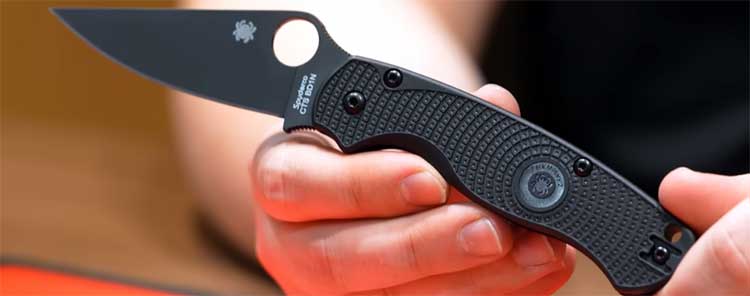
When stacking these brands side by side, differences emerge that can sway your pick. Here’s a detailed list:
- Locking Mechanisms: Spyderco varies with compression, back locks; Benchmade sticks to Axis for consistency. I find Axis more intuitive for quick release, but Spyderco’s options suit specific preferences.
- Deployment Styles: Thumb hole vs. studs or flippers. Spyderco’s hole is unique for gloved hands, while Benchmade’s is traditional yet smooth.
- Material Focus: Spyderco leans on synthetics for lightness; Benchmade uses metals for durability. This makes Spyderco better for weight-conscious carry, Benchmade for ruggedness.
- Price Accessibility: Spyderco offers more entry points; Benchmade starts higher but justifies with features.
- Customization Levels: Benchmade’s builder trumps Spyderco’s limited mods.
- Warranty Perks: Spyderco’s lifetime vs. Benchmade’s sharpening service—practical vs. maintenance-focused.
- Design Philosophy: Spyderco emphasizes ergonomics and innovation; Benchmade prioritizes precision and strength.
- User Base: Spyderco attracts enthusiasts and collectors; Benchmade appeals to professionals and military.
- Blade Variety: Spyderco has quirkier shapes; Benchmade more standard but refined.
- Weight and Size: Spyderco generally lighter; Benchmade bulkier for heft.
The Roots of Spyderco
Spyderco started as a small operation in Colorado, brainchild of Sal Glesser. He was all about making knives that were easy to use, especially for one-handed operation, which was a game-changer back in the day.
I appreciate how the brand grew from sharpening systems to full-blown knives, always prioritizing function over flash. Their early models set the tone for what the company is today: innovative without being overly complicated.
Over time, they’ve expanded their lineup to include everything from tiny keychain blades to robust fixed blades, but pocket folders remain their bread and butter.
What draws me to Spyderco’s history is how they’ve stuck to their guns on ergonomics. Sal’s background in inventing tools shows in every design—nothing feels accidental. They’ve collaborated with custom makers too, bringing fresh ideas into production models.
If you’re like me and value a knife that feels intuitive, Spyderco’s evolution from a garage setup to a global player is inspiring. It’s not just about the blades; it’s about solving real-world problems, like deploying a knife quickly when your other hand is occupied.
Key Features of Spyderco
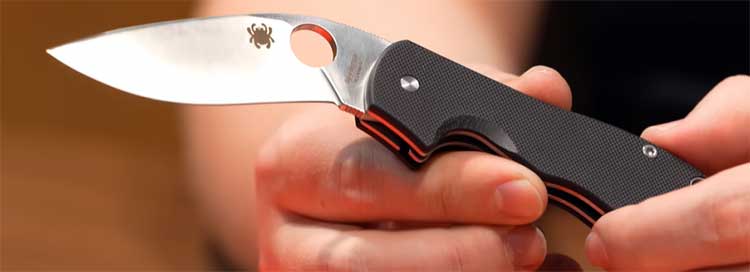
Spyderco knives pack a punch in features that make them stand out for everyday users like me. Here’s a rundown of what I consider their highlights:
- Thumb Hole Deployment: This is their hallmark. I love how it lets me open the blade with one hand effortlessly, even with gloves on. It’s safer than traditional thumb studs and gives a satisfying snap.
- Variety of Blade Shapes: From leaf-shaped to Wharncliffe, Spyderco offers options for specific tasks. I’ve used their Tanto blades for piercing tough materials, and the drop-point for general slicing—versatile for urban or wilderness use.
- Ergonomic Handles: Often textured with FRN or G-10, these grips feel secure in wet conditions. On my Delica, the handle molds to my palm, reducing fatigue during prolonged use.
- Premium Steels with Heat Treatment: They use steels like LC200N for corrosion resistance or Maxamet for edge retention. I once kept an edge on a Spyderco for weeks of daily cutting without sharpening.
- Wire Clip Options: Four-way positioning means I can carry tip-up or tip-down, left or right—customizable to my pocket setup.
- Lightweight Construction: Many models weigh under 3 ounces, perfect for EDC without dragging my pants down.
- SpyderEdge Serrations: Their unique pattern bites into fibrous materials better than standard serrations. I’ve cut through seatbelts and ropes with ease.
- Compression Lock: On some models like the Para 3, it’s strong and easy to disengage, adding to the fidget-friendly appeal.
- Collaborations with Designers: Knives like the Shaman from Michael Janich bring expert input, enhancing functionality for self-defense or utility.
- Eco-Friendly Packaging: Not a core feature, but I appreciate their minimalistic approach, reducing waste.
Pros of Spyderco
Spyderco has plenty of upsides that keep me coming back. Here’s an unpacked list:
- Affordability for Quality: Entry-level models like the Tenacious offer premium features under $50, making them accessible without skimping on performance.
- Innovation in Design: Constantly pushing boundaries with new locks and shapes. Their Ball Bearing Lock is smooth as silk.
- Excellent Edge Retention: Steels hold sharpness longer, reducing maintenance time.
- Lightweight and Portable: Ideal for EDC; I barely notice them in my pocket.
- Community-Driven Improvements: Feedback from users shapes products, like the Salt series for marine use.
- Versatile Model Range: From urban to survival, there’s a fit for every need.
- Strong Warranty Support: Quick repairs for defects, with good customer service.
- Unique Aesthetics: The bug logo and hole make them recognizable and fun.
- Eco-Conscious Materials: Some use recycled handles, appealing to green-minded folks.
- Fidget Factor: Easy to open and close, great for stress relief.
Cons of Spyderco
No brand is perfect, and Spyderco has drawbacks I’ve encountered:
- Limited Customization: No extensive builder like competitors; what you see is what you get.
- Handle Materials Can Feel Cheap: Some FRN feels plasticky compared to metal.
- Serrations Hard to Sharpen: SpyderEdge requires specific tools, which can frustrate.
- Not as Robust for Heavy Abuse: Lighter builds might not hold up to prying.
- Clip Retention Issues: Screws can loosen over time.
- Higher-End Models Pricey: Paramilitary series rivals luxury brands in cost.
- Aesthetics Not for Everyone: Bug hole looks odd to some.
- Limited Fixed Blades: Focus on folders leaves gaps for bushcraft fans.
- Warranty Exclusions: Misuse voids coverage quickly.
- Availability Fluctuations: Popular models sell out fast.
Benchmade’s Backstory
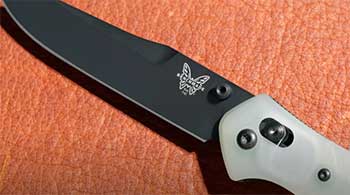
Benchmade came along a bit later, in the late ’80s, with a focus on butterfly knives initially—those balisongs that flip open with flair.
But they quickly pivoted to high-performance folders, emphasizing American manufacturing and top-tier materials.
Les de Asis founded it in Oregon, and the brand’s commitment to precision engineering shines through. I’ve always seen Benchmade as the more “professional” of the two, with ties to law enforcement and military that add a layer of credibility.
Their growth involved investing in CNC machining and quality control, which is why their knives feel so consistent. Unlike some brands that outsource, Benchmade keeps most production in-house, ensuring every piece meets strict standards.
I recall reading about their early days when they were called Bali-Song, Inc., and how rebranding to Benchmade marked a shift toward broader appeal. It’s a story of adaptation, from niche flippers to versatile tools that pros swear by.
Key Features of Benchmade
Benchmade brings its own set of standout elements that appeal to those wanting durability and customization. Let’s list them out:
- Axis Lock System: This ambidextrous lock is smooth and secure. I can operate it with either hand, and it’s held up through thousands of cycles without wear.
- High-End Blade Steels: Options like CPM-20CV offer exceptional edge retention. My Bugout’s blade stayed razor-sharp after cutting cardboard boxes for a move.
- Custom Knife Builder: Online tool lets me pick handles, blades, and colors—I’ve built a few unique pieces that feel one-of-a-kind.
- Anodized Aluminum Handles: Lightweight yet tough, with textures for grip. They resist scratches better than some plastics.
- Deep-Carry Clips: Discreet carry is easy, and they’re reversible for lefties like a buddy of mine.
- LifeSharp Program: Free lifetime sharpening—I’ve sent knives back and gotten them like new.
- Butterfly Deployment on Some Models: Roots in balisongs mean fluid opening, great for practice or show.
- Integrated Safety Features: Like the Mini Loco’s secondary lock, adding peace of mind for heavy use.
- American-Made Quality: Most are USA-built, with tight tolerances that scream precision.
- Modular Designs: Some allow blade swaps, extending the knife’s life.
Also Read: Differences Between Wusthof Classic And Ikon.
A Closer Look at Benchmade’s Pros
Benchmade’s strengths are what make them a staple in my toolkit for tougher jobs. I’ll elaborate with real scenarios to show why they excel.
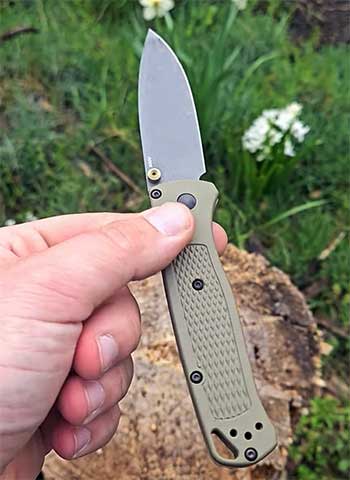
- Superior Build Quality: Every knife feels machined to perfection—no blade play or rough edges. My Osborne has tolerances so tight it’s like a fine watch. This consistency comes from in-house production, ensuring reliability in critical moments, like emergency cuts.
- Lifetime Sharpening: The LifeSharp program is a game-changer—send it in, get it back honed by pros, free forever. I’ve used it twice on my Grippy, saving me from buying sharpeners or paying shops. It’s especially valuable for frequent users.
- Customization Galore: Their online builder lets you choose everything: steel, handle material, color, even engravings. I built a blue Bugout with M390 blade for my style, making it unique. This personalization turns a tool into something personal.
- Durable Materials: From CPM-M4 steel to Grivory handles, they withstand abuse. I’ve dropped my Adamas on concrete multiple times—no dents. In wet conditions, anodized parts resist corrosion, ideal for outdoor work.
- Ambidextrous Features: The Axis lock works flawlessly left or right-handed. Sharing with friends, no one struggles, unlike one-sided designs. It’s inclusive and practical for teams.
- Military-Grade Toughness: With contracts for armed forces, they’re tested in extremes. My Infidel auto has deployed reliably in drills, giving confidence for self-defense or utility.
- Smooth Action: Blades fly open with minimal effort, thanks to tuned pivots. It’s satisfying and quick, perfect for one-handed operation in gloves.
- Resale Value: They hold value well—I’ve sold used ones for near original price. The reputation ensures demand among collectors.
- Innovative Locks: Beyond Axis, models like the Freek have additional safeties. It prevents accidental openings, a plus in pockets full of gear.
- Excellent Customer Support: Issues get resolved fast. I lost a screw; they sent replacements free, no questions.
Benchmade’s pros scream investment—built to last and supported for life, they’re worth the splurge for serious use.
Examining Benchmade’s Cons More Thoroughly
Despite the hype, Benchmade has pitfalls I’ve navigated. Here’s a deeper breakdown.
- Higher Price Point: Starting at $120 for basics like the Mini Bugout, they’re not impulse buys. I balked at first, but quality justifies it—still, it excludes budget shoppers.
- Heavier Designs: Many tip 4-6 ounces, feeling bulky in slim pants. My full-size Griptilian pulls pockets down on long days, unlike featherlight alternatives.
- Limited Budget Options: Few under $100, and those lack premium features. It forces upgrades, inflating costs.
- Customization Wait Times: Building takes 4-6 weeks, plus shipping. I ordered one for a trip and it arrived late, leaving me without.
- Clip Screws Prone to Stripping: Torx screws are finicky; I’ve stripped one over-tightening. Replacements are easy but interrupt use.
- Overbuilt for Light Use: For office tasks like opening letters, the robustness feels excessive—almost comical for slicing tape.
- Warranty Requires Shipping: No drop-off centers; you mail it, waiting weeks. Inconvenient compared to local fixes.
- Aesthetics More Tactical: Designs lean aggressive, with black coatings and serrations. Less appealing for casual, everyday looks.
- Blade Centering Issues Rarely: QC is great, but one of mine arrived off-center. Easy return, but disappointing initially.
- Focus on Folders: Like Spyderco, fixed blades are secondary. Their Hunt line is solid, but options are limited for non-folder fans.
These cons make Benchmade less ideal for casual or budget-conscious folks, but for pros, they’re minor.
Also Read: Comparison of Henckels And Chicago Cutlery.
Frequently Asked Questions (FAQ)
Benchmade faced backlash in 2019 when they assisted police in destroying firearms during a buyback program, upsetting some gun rights advocates who boycotted the brand briefly.
Folks rave about Spyderco for its innovative designs, like the thumb hole, affordable quality, and ergonomic feel that makes everyday tasks easier.
Spyderco isn’t an official military supplier, but some models are popular among service members for personal use due to their reliability and quick deployment.
Navy SEALs often carry Benchmade knives, like the SOCP or Auto Adamas, as the brand has contracts and designs tailored for tactical operations.
Wrapping It Up
Looking back on all this, I’ve shared my take on Spyderco and Benchmade based on years of using them in real situations. Both brands have carved out their niches—Spyderco with its clever, user-friendly innovations that make me smile every time I flick one open, and Benchmade with its rock-solid build that gives me confidence in tough spots.
You might lean toward Spyderco if you’re after something lightweight and fun for daily carry, or Benchmade if you need a workhorse with customization and lifelong support. Whichever you choose, think about what fits your routine—maybe start with one from each and see.
I hope this helps you find that perfect blade that becomes an extension of your hand. What’s your pick?