
If you’re like me, staring at a lawn overrun with dandelions, clover, and stubborn crabgrass, you want something quick, affordable, and safe for your grass. Spectracide Weed Stop for Lawns promises exactly that — it claims to kill over 200 types of weeds down to the root without harming your turf.
I picked it up hoping for an easy fix to get my yard looking sharp again without breaking the bank or resorting to harsher chemicals. But after putting it to the test, I have some real reservations about whether it’s worth your money.
My Personal Experience With Spectracide Weed Stop
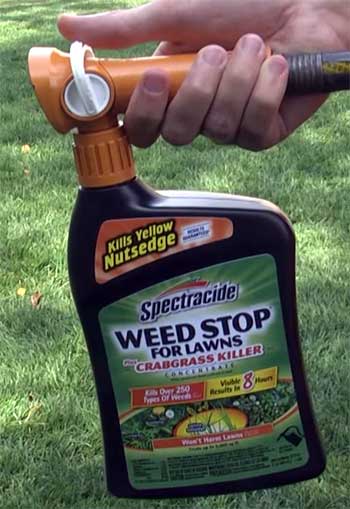
Let me take you back to last spring when my lawn looked more like a weed garden than anything else.
I had patches of broadleaf weeds everywhere — dandelions popping up like they owned the place, chickweed spreading low and fast, and some crabgrass starting to creep in around the edges.
I’d tried pulling them by hand before, but you know how that goes: you miss the roots, and they just laugh and come right back stronger.
I spotted Spectracide Weed Stop for Lawns at the store — the concentrate version that hooks up to your hose.
The label sounded perfect: kills weeds, not the lawn, visible results in hours, controls major broadleaf weeds and even crabgrass.
It was cheaper than some of the name-brand options I saw, so I grabbed a bottle, went home excited, and got to work.
I followed the instructions to the letter. It was a cool morning, no rain in the forecast for at least a day, grass was dry, and I made sure to mix it properly if needed (the ready-to-spray was straightforward).
I covered my entire front and back yard evenly, focusing on the worst spots but giving everything a good coat. The sprayer worked fine — no clogs, easy to handle, and it covered a decent area quickly.
At first, I felt optimistic. By the end of the day, some of the smaller weeds looked a little wilted. I thought, okay, this might actually do the trick. But the next morning? Not much change. A few dandelions had curled leaves, but most were standing tall like nothing happened.
I waited a full week — still, the majority of the weeds were green and growing. The crabgrass? Barely touched. I even went back and spot-sprayed the stubborn ones again, thinking maybe I missed them the first time.
Two weeks in, that’s when things got worse. Instead of the weeds dying off, I started noticing yellow and brown patches in my grass. My healthy Bermuda (or at least it was healthy) began thinning out in the areas where I’d sprayed the heaviest.
Some spots turned completely brown, like dead zones. I panicked — did I apply too much? Was the temperature wrong? I double-checked everything, and no, I did it by the book.
By the end of the month, my lawn looked worse than before I started. The weeds were still there (though a handful of the weaker ones finally gave up), but now I had bald spots that needed reseeding.
I ended up spending more time and money fixing the damage than if I’d just dealt with the weeds manually or chosen something else. Neighbors asked what happened, and I had to admit this “lawn-safe” product did more harm than good in my case.
I read up afterward and saw I’m not alone. Plenty of folks with St. Augustine or centipede grass reported total lawn kill — turns out it’s not safe for certain varieties, even if the label has warnings buried in the fine print.
For others with cool-season grasses, it might fare better, but for me, it was a frustrating waste. I wished I’d tested a small area first, but hindsight, right? If you’re dealing with a similar weed invasion, I get the temptation — it’s marketed so well — but my yard paid the price for that experiment.
Also Read: Comparison of Ortho Weed B-Gon And WeedClear.
The Pros of Spectracide Weed Stop
Look, I’m trying to be fair here. Even though my experience was mostly negative, there are a few things that aren’t complete deal-breakers for everyone.
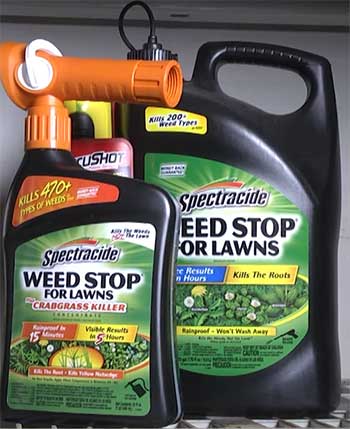
- Easy Application: You have options — ready-to-spray hose-end, concentrate to mix, or even ready-to-use trigger bottles. The hose-end version I used was genuinely convenient. Hook it up, turn on the water, and spray. No pumping, no separate sprayer needed. If you’re covering a big area and don’t want arm fatigue, this makes the job less of a chore compared to some pump sprayers I’ve used with other products.
- Affordable Price Point: Compared to premium brands, Spectracide is budget-friendly. You can often find it for under $20 for a bottle that treats thousands of square feet. If you’re on a tight budget and just need something to try without committing a lot of cash, it feels accessible. That’s part of why I grabbed it in the first place — no buyer’s remorse on the cost until it didn’t deliver.
- Quick Initial Signs on Some Weeds: For lighter infestations or very young weeds, you might see wilting in hours or a day, as advertised. In my yard, a few chickweed patches did curl up fast, which gave me that initial hope. If your problem is mostly broadleaf and not too established, it could give you some satisfaction without waiting weeks.
Overall, these pros make it tempting on the shelf, especially if you’re new to lawn care and want something straightforward and cheap to start with.
Also Read: Comparison of GroundClear And Roundup Weed Killers.
The Cons of Spectracide Weed Stop
This is where I have to be blunt — the downsides outweighed everything for me, and they’re why I can’t suggest you run out and buy this.
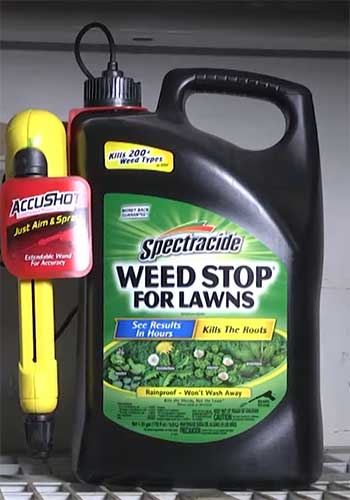
- Inconsistent Weed Control: The biggest issue? It just doesn’t reliably kill weeds. Tough ones like mature crabgrass, nutsedge, or deep-rooted dandelions often survive multiple applications. I saw weeds bouncing back stronger, like the product weakened them temporarily but didn’t finish the job. Many users report the same — you spray, wait, and nothing much happens.
- Risk of Lawn Damage: This one hit me hard. Despite the “won’t harm lawns” claim, it absolutely can — and did in my case. Brown patches, thinning grass, even total kill in spots. It’s especially risky for warm-season grasses like St. Augustine (which many people have learned the hard way). Temperature matters too — apply on a hot day, and you might burn your turf.
- Multiple Applications Needed: Even when it works partially, you often need to reapply every few weeks. That’s more product, more time, and more exposure to chemicals. For persistent weeds, it’s not a one-and-done solution, which defeats the purpose of a quick fix.
- Limited Effectiveness on Certain Weeds: The label lists hundreds of weeds it controls, but real-world results fall short on grassy weeds or anything resilient. If your lawn has a mix, you’ll still be left with survivors mocking you.
These cons turned what I hoped would be a simple solution into a headache that set my lawn back a season.
Maintenance Tips For Keeping Weeds Under Control
Since Spectracide didn’t pan out for me, I’ve shifted to better habits for a healthier lawn that naturally fights weeds. You can do this too — it’s more work upfront but pays off long-term.
- Mow High and Often: Keep your grass at the right height for your type — taller blades shade the soil, making it harder for weed seeds to germinate. For Bermuda, aim for 1-2 inches; fescue likes 3 inches or more. Mow regularly but never remove more than a third of the blade at once to avoid stress.
- Water Deeply but Infrequently: Deep watering encourages strong grass roots that outcompete weeds. Give your lawn about an inch per week, ideally in one or two sessions, rather than light daily sprinkles that help shallow-rooted weeds thrive.
- Fertilize Properly: A well-fed lawn is your best defense. Use a slow-release fertilizer matched to your grass type and season. Test your soil if you can — balanced nutrients mean thicker turf that crowds out invaders.
- Overseed Regularly: Bare spots are weed invitations. Overseed thin areas in the right season for your grass (fall for cool-season, spring/summer for warm). This fills in gaps before weeds can.
- Manual Removal When Needed: For stubborn ones, get a good weeding tool and dig out roots. It’s therapeutic, honestly, and prevents seed spread.
- Consider Safer Alternatives: If you need chemical help, look into products with better track records like those containing quinclorac for crabgrass or iron-based options that are gentler. Always spot-test first.
These steps have helped my lawn recover and stay weedier-resistant without relying on spotty sprays.
How Spectracide Stacks Up Against Other Brands?
After my frustrating experience with Spectracide Weed Stop for Lawns—where it barely touched tough weeds and left my grass with brown patches—I’ve looked into other options.
You might be wondering how it stacks up against popular alternatives like Spruce Weed Killer, Vigoro Weed & Feed, and RM43 Weed Killer. I’ll break it down head-to-head so you can see the differences clearly and decide what might work better for your yard.
- Spectracide Weed Stop Vs. Spruce Weed Killer
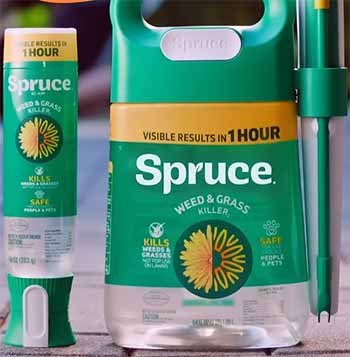
Spectracide is designed as a selective herbicide, meaning it’s supposed to target over 200 broadleaf weeds and some crabgrass while sparing your lawn grass.
In my case, it fell short on both counts—weak on established weeds and actually damaged my turf.
Spruce Weed Killer, on the other hand, is a newer non-selective option made with essential oils, marketed as pet-safe and people-friendly once dry.
It’s meant for spot-treating weeds in driveways, patios, or anywhere you want everything gone without harsh chemicals. You get visible wilting in as little as an hour, and many users love the pleasant scent compared to chemical smells.
The big difference?
Spruce kills grass too—it’s not lawn-safe at all. If you’re dealing with weeds in non-turf areas, Spruce often outperforms Spectracide because it acts faster and more reliably on contact, without the risk of selective failure.
Reviews are mixed on root kill (some weeds come back), but it’s gentler on the environment and safer around kids and pets right away. For me, if I needed total kill in gravel or fences, I’d pick Spruce over Spectracide any day—it’s more consistent and doesn’t pretend to be something it’s not.
- Spectracide Weed Stop Vs. Vigoro Weed & Feed

Both Spectracide and Vigoro aim at lawn weeds, but Vigoro takes it further by combining weed control with fertilizer—it’s a true weed & feed product that feeds your grass while targeting broadleaf invaders.
Spectracide is just a straight weed killer (no fertilizing boost), and in my yard, it was inconsistent: some weeds curled, most survived, and my grass suffered thinning and burn spots.
Vigoro, available at places like Home Depot, uses similar active ingredients for broadleaf control but adds nutrients to green up and thicken your lawn. Users often report faster greening—darker, healthier grass in days—plus decent weed knockdown if applied evenly.
It’s granular, so you spread it with a broadcaster, which can feel more even than Spectracide’s spray (less chance of over-application in spots).
Downsides?
Like Spectracide, Vigoro can burn grass if you apply too much or during hot weather, and it’s not great on crabgrass or nutsedge. But overall, it does double duty better than Spectracide’s single focus.
If your lawn needs feeding along with weed help, Vigoro gives you more bang for your buck and often better long-term results. I wish I’d tried it first—my yard might have come out greener instead of patchy.
- Spectracide Weed Stop Vs. RM43 Weed Killer
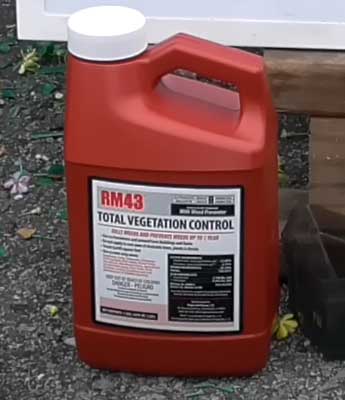
This one’s almost apples to oranges. Spectracide is selective and lawn-specific (in theory), meant for spot or broadcast use on turf without total destruction.
RM43 is a heavy-duty total vegetation killer with glyphosate plus imazapyr—it’s built for fence lines, driveways, gravel lots, or anywhere you want nothing growing for up to a year.
It kills everything to the root and prevents regrowth, which Spectracide doesn’t even come close to.
In practice, RM43 is way more effective and longer-lasting: spray it once, and you’re done—no repeated applications like I needed (and failed) with Spectracide.
Users rave about it clearing tough brush, vines, and weeds permanently in non-lawn areas.
But warning: do not use RM43 on or near your lawn—it will sterilize the soil and kill grass for months.
Spectracide promised safety for my turf but delivered damage anyway, while RM43 is honest about being a nuclear option. If your weeds are in non-grass zones, RM43 blows Spectracide out of the water for reliability and prevention.
For actual lawn care, neither is ideal if you’re worried about grass health, but RM43 at least delivers what it promises without the false hope.
Bottom line after trying Spectracide and researching these: it depends on your needs. For pet-safe spot kills, Spruce; for lawn feeding plus weeds, Vigoro; for total annihilation off the grass, RM43. None made me regret skipping Spectracide more—they all seem to perform closer to their claims.
Frequently Asked Questions (FAQ)
It can on light weeds and young growth for some people, but results are hit-or-miss. In my yard and many others, it left most weeds alive and sometimes damaged the grass more than helped. It’s not a reliable knockout punch.
No — they’re for different jobs. Spectracide is meant to be lawn-safe and selective, while standard Roundup kills everything (great for driveways, not lawns). Lawn-specific Roundup versions exist, but Spectracide often underperforms even against those on weed control without the damage risk.
The label says visible results in hours, full effects in days to weeks. In reality, you might see some wilting fast on sensitive weeds, but stubborn ones can take multiple applications over weeks — or never fully die.
For mild problems, maybe. But for established or tough weeds, it’s often ineffective and can harm your lawn. Better options exist that deliver more consistent results without the gamble.
Final Thoughts
All in all, my time with Spectracide Weed Stop taught me to be pickier with lawn products. Your yard deserves something that actually delivers — save your money and effort for alternatives that won’t leave you with more problems than you started with.