
I’ve spent the last year swapping between Soylent and Huel as my go-to meal replacements during busy workweeks, travel, and even lazy weekends.
In this article, I want to give you a clear, no-nonsense comparison to help you decide which one fits your life better—whether you’re chasing convenience, better nutrition, taste, or value. I’ll break down everything I’ve experienced firsthand, from flavors to how they make me feel.
| Aspect | Soylent | Huel |
| Calories per Serving | 400 (RTD bottle or powder mix) | 400 (powder scoop or RTD) |
| Protein | 20g (mostly soy protein) | 30g standard, 40g in Black Edition |
| Carbohydrates | 36-39g, moderate glycemic impact | 25-45g depending on version, slower release |
| Fiber | 3-5g | 7-10g |
| Primary Ingredients | Soy protein isolate, oils, maltodextrin | Oats, pea/rice protein, flaxseed, coconut |
| Forms Available | Ready-to-drink bottles, powder | Powder, ready-to-drink, bars, hot meals |
| Taste/Texture | Smooth, milkshake-like | Thicker, oat-based, sometimes gritty |
| Price per Meal (approx.) | $3.25–$4.00 | $2.50–$3.50 (cheaper for powder) |
| Best For | Quick grab-and-go convenience | Sustained fullness and whole-food feel |
Key Differences Between Soylent And Huel
After living on both for extended periods—sometimes alternating weeks, other times committing to one for a full month—the differences started jumping out at me in everyday ways. It’s not just numbers on a label; it’s how they affect my energy, digestion, wallet, and even mood.
Here’s a deeper breakdown of the standout contrasts, based on my real-world use in 2026.
- Protein Source and Amount
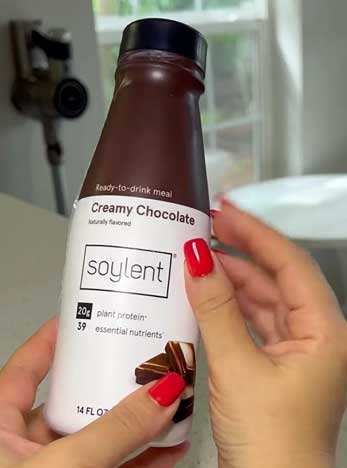
Soylent sticks with soy protein isolate as its primary source, delivering around 20g per 400-calorie serving in their Complete Meal bottles.
It’s complete protein, efficient, and easy to digest for most, but it’s single-source and processed.
Huel uses a blend of pea and rice protein (sometimes with fava or other additions in newer formulas), pushing 30g in standard powder and up to 40g in Black Edition.
That extra protein made a noticeable difference during my gym phases—I recovered faster and felt less hungry between meals.
For me, Huel’s higher amount edged it out when I was active, while Soylent felt sufficient for sedentary desk days. If you’re avoiding soy (for estrogen concerns or allergies), Huel wins hands-down.
- Carbohydrate Quality and Energy Release
Soylent relies on faster-digesting carbs like isomaltulose and maltodextrin for steady but quicker energy. I got a reliable lift without spikes, great for mornings when I needed to focus fast. Huel’s oat flour base provides complex, slow-release carbs that kept my blood sugar flatter throughout the day.
On long workdays, Huel prevented that 3 PM slump better—I’d stay sharp until dinner. The glycemic difference showed in my mood: Soylent gave quick clarity, Huel sustained endurance. If you’re managing energy crashes or prefer whole-food carbs, Huel feels superior.
- Fiber Content and Digestive Impact
Soylent has modest fiber (around 3-5g per serving), which keeps things light on the stomach but doesn’t do much for prolonged fullness or gut health. Huel packs 7-10g (or more in some versions), thanks to oats, flaxseed, and added sources.
This made shakes substantially more filling—I could go 5-6 hours without snacking. Early on, Huel’s fiber caused bloating for me (common complaint), but after adapting, my digestion improved overall. Soylent was gentler from day one but left me reaching for extras sooner. Long-term, Huel supported better regularity.
- Convenience and Preparation
Soylent dominates here with ready-to-drink bottles that require zero effort—just chill, shake, drink.
They’ve expanded flavors like Cacao and Nectar recently, perfect for travel or rushed routines.
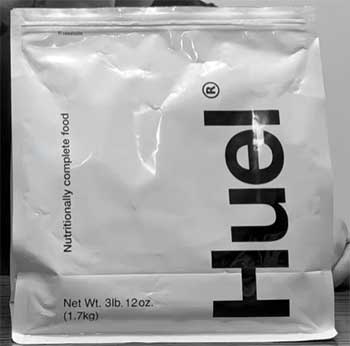
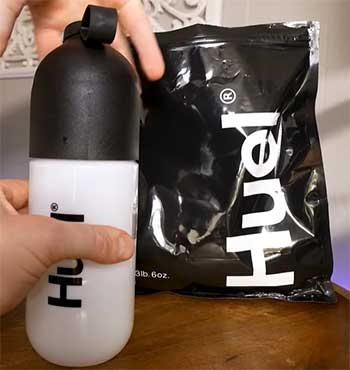
Huel’s core is powder, needing a shaker and water (or milk alternative).
Their RTD line has grown, but it’s pricier and less varied than Soylent’s bottles.
I’ve thrown Soylent in my backpack for flights without worry; Huel powder demands planning but allows customization (adding fruit, ice, or blending). If your life is chaotic, Soylent saves sanity.
- Taste Profile and Texture
Soylent aims for smooth, milkshake consistency—thin, neutral, and consistent. Flavors like creamy chocolate or vanilla are mildly sweet and easy to chug daily without fatigue. Huel goes thicker and oat-forward, with bolder options like Coffee Caramel or savory hot meals (Thai curry remains a favorite).
Texture can be gritty if not blended well, but flavors feel more like real food. Personally, Soylent never bored or disgusted me, but Huel excited my taste buds more—especially when I craved variety. After weeks, Soylent felt repetitive; Huel kept things interesting.
- Price Structure and Overall Value
Soylent bottles run higher per serving (around $3-4 each, depending on subscription), adding up fast for multiple daily meals. Huel powder offers better bang-for-buck in bulk bags—as low as $2 per meal—and their variety packs stretch dollars further.
Over months, switching to mostly Huel saved me noticeable money, which I redirected to fresh produce sides. Soylent’s convenience justified the premium on travel-heavy periods.
- Product Range and Versatility
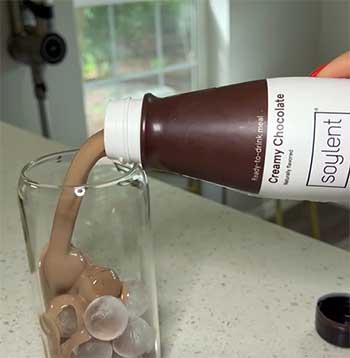
Soylent focuses tightly on drinks: Complete Meal RTD, protein shakes, caffeinated options, and some powder.
They’ve added functional boosts like brain nutrients and omegas recently.
Huel spans wider—standard powder, high-protein Black Edition, full RTD lineup, hot instant meals, bars (though less emphasized now), and even Daily Greens sparkling drinks for superfoods.
This made Huel my choice for diverse needs: savory hot pots for dinner, greens for micronutrient boosts. Soylent stayed my liquid-only staple.
- Sustainability and Ethical Messaging
Both are plant-based, reducing environmental impact versus animal products, but Huel pushes harder with carbon-neutral goals, recyclable packaging, and transparent sourcing. Soylent emphasizes efficiency and science but gets less vocal about eco-credentials.
As someone trying to lighten my footprint, Huel’s claims resonated more, though both beat traditional fast food.
- Health Considerations and Recent Concerns
Both provide complete nutrition with 27-28 vitamins/minerals, but recent 2025 reports flagged higher heavy metals (like lead) in some Huel products, especially Black Edition—within limits but noteworthy for heavy users.
Soylent has older baggage (2016 GI issues from recalls) and recent formulation tweaks due to costs, but no major 2025-2026 flags. I monitored how I felt—no issues on either—but diversified after the reports. If ultra-clean matters, check third-party tests for both.
- Satiety, Energy, and Daily Performance
Soylent provided quick, clean fuel—great for mental clarity but shorter fullness. Huel delivered lasting satisfaction and steadier performance, especially with higher fiber/protein. In my logs, Huel days meant fewer calories overall (less snacking), while Soylent fit seamless into grazing styles.
Key Features of Soylent
- Ready-to-drink format that needs no prep—just shake and go. I’ve grabbed one from the fridge on my way out the door countless mornings.
- Plant-based protein from soy isolate, which gives it a clean, neutral base.
- Balanced macros with healthy fats from canola and sunflower oil.
- Low sugar—usually 1g per bottle—which keeps blood sugar steady.
- 28 vitamins and minerals covering daily needs in one serving.
- Smooth texture that feels like a thin milkshake rather than a heavy sludge.
I appreciate how predictable Soylent feels. Every bottle tastes the same, no clumping or settling issues. When I’m rushing, that’s priceless.
Pros of Soylent
- Ultimate Convenience for On-the-Go Life The ready-to-drink bottles are a game-changer when my days get hectic. I just grab one from the fridge, shake it, and I’m out the door—no measuring, no blending, no cleanup. During travel or long commutes in 2026, they’ve been perfect; the bottles are sturdy, don’t leak, and even pass through airport security easily. I’ve relied on them for breakfast in traffic or quick lunches between meetings, and that zero-prep aspect saves me so much time and decision fatigue compared to anything else.
- Smooth and Consistent Taste Soylent’s texture is reliably smooth, like a thin milkshake that goes down easy without any grit or chunks. Flavors like Creamy Chocolate and Vanilla feel mildly sweet and neutral, which means I can drink them daily without getting sick of them quickly. In recent updates, they’ve kept the taste profile consistent, and the cafe options add a nice subtle caffeine kick that feels like a treat rather than medicine.
- Steady Energy Without Crashes With low sugar and balanced carbs, Soylent gives me clean, even energy that lasts a few hours without the spikes I get from coffee or snacks. On busy workdays, it keeps my focus sharp—no afternoon fog. I’ve noticed this especially when pairing it with light activity; the moderate glycemic impact suits my routine perfectly.
- Wide Availability and Easy Access In 2026, Soylent is everywhere—grocery stores, online subscriptions, even some convenience spots. Subscriptions make it effortless to stock up, and the pricing for bottles stays reasonable for the convenience. It’s become my reliable backup when other options run out.
- Gentle on Digestion for Most People After the initial adjustment, Soylent sits light in my stomach with minimal bloating or issues. The lower fiber keeps things gentle, which is great if I’m sensitive or transitioning from irregular eating. Over months, it never caused ongoing problems for me.
- Caffeinated Options for a Boost Flavors like Cafe Mocha provide a gentle caffeine hit alongside nutrition, replacing my usual coffee-plus-snack routine. It’s convenient for mornings when I need alertness without jitters or extra calories.
Over months, Soylent became my safety net. On days when cooking felt impossible, it kept me fueled and focused.
Cons of Soylent
- Lower protein compared to newer competitors. At 20g, it’s fine for maintenance but not ideal if I’m lifting heavy.
- Soy as the main protein source. Some avoid soy for hormonal reasons, though research shows moderate amounts are safe.
- Less filling than fiber-heavy options. I sometimes needed a snack two hours later.
- Higher price for the bottles. Paying over $3.50 each adds up if I use multiple daily.
- Ultra-processed feel. The ingredient list includes isolates and oils that don’t scream “whole food.”
- Limited flavor excitement. After a while, they all start tasting similar.
The biggest drawback hit when I compared nutrition labels side-by-side—Soylent started feeling basic next to alternatives.
Key Features of Huel
- High fiber from oats and flax, which slows digestion and promotes gut health.
- Protein blend from peas and rice for a complete amino profile.
- Multiple product lines: standard powder, low-carb Black Edition, ready-to-drink, bars, and even instant hot meals.
- Added benefits like probiotics in some versions and phytonutrients from vegetable powders.
- Eco-friendly packaging and carbon-neutral claims.
- Customizable powder—you control thickness and can add fruit or coffee.
Huel feels more like real food blended up. The oat base gives it body, and the flavors range from sweet (vanilla, banana) to savory (mac and cheese, Thai curry).
Pros of Huel

- Exceptional Fullness and Satiety The high fiber (7-10g+) from oats and flax keeps me full for 4-6 hours easily—one shake often replaces a full meal plus snacks. In my 2026 routine, this has helped control portions naturally and reduced mindless eating.
- Higher Protein Options Standard 30g or Black Edition’s 40g (sometimes 35g in RTD) supports my workouts better—faster recovery, less muscle soreness. The pea-rice blend feels complete and diverse, great for plant-based needs.
- Outstanding Flavor Variety From sweet like Salted Caramel to savory hot meals (Thai Curry is still a standout), Huel keeps things exciting. New flavors rolling out in late 2025 into 2026 have added even more options, preventing boredom over months.
- Better Value in Bulk Powder bags drop the cost per meal significantly lower than RTD competitors, especially with subscriptions or Huel+. Over the year, this saved me money while providing more calories and nutrition per dollar.
- More Whole-Food Oriented Ingredients Oats, flaxseed, and real vegetable sources make it feel closer to actual food than pure isolates. Added probiotics and phytonutrients give a nutritional edge that shows in sustained energy.
- Versatility in Preparation I blend powder with fruit, make overnight oats, or heat savory packs—endless recipes keep it fresh. This customization turns it into smoothies, pancakes, or quick dinners.
- Strong Sustainability Focus Carbon-neutral claims, recyclable packaging, and plant-based ethos align with my values. In 2026 updates, they’ve pushed eco-messaging harder, which resonates.
- Steadier Long-Term Energy Slow-release carbs from oats prevent slumps, keeping me productive all day—perfect for focused work or longer activities.
Huel transformed my afternoons. Instead of crashing at 3 PM, I stayed alert and productive.
Cons of Huel
- Gritty texture in powder form. Even with good shaking, it can feel chalky compared to smoother competitors.
- Initial digestive adjustment. The high fiber caused bloating and gas for the first week or two.
- Prep time for powder. Measuring, shaking, and waiting for clumps to dissolve takes longer than grabbing a bottle.
- Ready-to-drink versions cost more and aren’t as widely available.
- Strong oat taste in some flavors that not everyone loves.
- Recent concerns about trace heavy metals, though within legal limits.
The texture took getting used to, but once I nailed the mixing ratio, it became second nature.
Also Read: This Is Why Ka’Chava So Expensive.
Frequently Asked Questions (FAQ)
Recent reports and a 2025 class action lawsuit highlighted elevated levels of heavy metals like lead and cadmium in some Huel products, particularly Black Edition powder.
It provides complete nutrition and can be healthier than processed junk food, but it’s ultra-processed and may cause GI issues for some. It’s safe short-term but not proven ideal as 100% of diet long-term.
Mainly older issues from 2016 when certain products caused stomach illness leading to recalls, plus past concerns about trace heavy metals and the provocative name referencing “Soylent Green.”
Yes—initial bloating and gas from high fiber, gritty texture in powder, and recent heavy metal concerns in testing.
My Final Thoughts
After all this time experimenting, I keep both in my routine. Soylent handles chaotic days when I need something foolproof. Huel takes over when I want sustained energy and better fullness. Neither is perfect magic food, but both beat skipping meals or drive-thru runs.
You might love Soylent if convenience is king for you. If nutrition depth and value matter more, give Huel a shot. Try samples of each—your body will tell you quickly which one clicks.
Whatever you choose, you’ll free up time and mental energy for things that actually matter.