
As someone who’s tried various ways to stay hydrated during workouts and fasting periods, I decided to compare Snake Juice and LMNT head-to-head.
In this article, I’ll share my analysis of these two electrolyte options, highlighting their features, strengths, and drawbacks to help you pick what’s right for your routine.
Whether you’re fasting or just needing a boost, understanding these products can make a real difference in how you feel day to day.
| Aspect | Snake Juice | LMNT |
| Main Ingredients | Potassium chloride (about 1000-2000mg potassium per 2L mix), sodium chloride (500-1000mg sodium), sodium bicarbonate, sometimes magnesium sulfate | 1000mg sodium, 200mg potassium, 60mg magnesium per packet |
| Flavors | Unflavored (homemade or pre-packaged) | Variety like Citrus Salt, Grapefruit Salt, Watermelon Salt, Raw Unflavored |
| Primary Use | Fasting and weight loss support | General hydration, especially for low-carb diets, athletes, and daily energy |
| Cost | Cheap if homemade; pre-packaged around $1-2 per serving | About $1.50 per packet |
| Form | Powder mix for 2L water (homemade) or single packets | Single stick packs for 16-32oz water |
| Sugar Content | Zero | Zero |
| Additional Benefits | Buffers acidity, trace minerals from pink salt | Supports muscle function, nerve signaling, no artificial additives |
Key Differences Between Snake Juice And LMNT
- Electrolyte Ratios
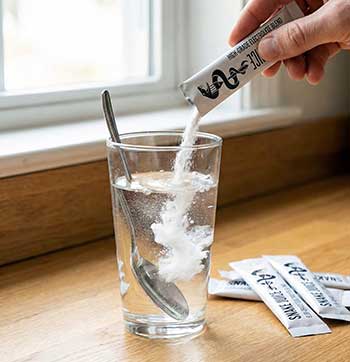
Snake Juice typically packs a punch with higher potassium levels, often around 2000mg from a teaspoon of potassium chloride in a 2-liter mix, alongside about 1000mg sodium from pink salt and another 2000mg from baking soda, plus optional magnesium from Epsom salts at around 500mg.
This setup prioritizes potassium for maintaining heart rhythm and muscle function during fasting, which I’ve found crucial when my body’s running on empty— it staves off that shaky weakness far better than lower doses.
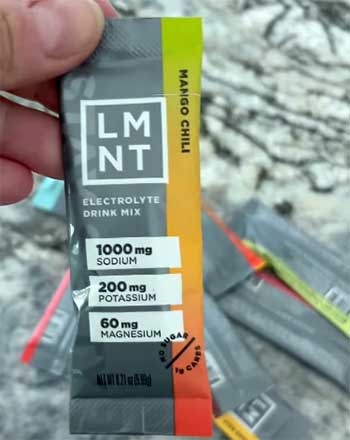
On the flip side, LMNT sticks to a straightforward 1000mg sodium, 200mg potassium, and 60mg magnesium per packet, emphasizing sodium to replace what’s lost in sweat.
In my workouts, this sodium-forward approach helps me bounce back quicker from dehydration, but it might leave potassium needs underserved if you’re not eating much, forcing me to supplement on longer days.
- Flavor and Palatability
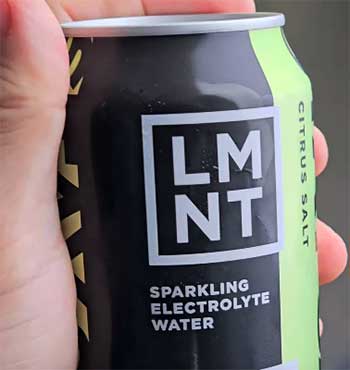
With LMNT, the flavor game is strong; they’ve got options like Grapefruit Salt, Mango Chili, or even Chocolate Salt, using natural flavors and stevia to sweeten without sugar, making each sip feel like a treat rather than a chore.
I’ve chugged these during runs because the taste keeps me coming back, masking the inherent saltiness effectively and encouraging better hydration habits overall. Snake Juice, however, is usually unflavored, relying on the raw taste of salts and bicarbonate, which comes across as intensely briny and sometimes bitter— think diluted seawater.
While I mitigate this by squeezing in fresh lemon or lime for a citrus twist, it still requires some getting used to, and it’s not as inviting for casual use, though that purity appeals when I want zero additives interfering with my fast.
- Intended Use Cases
Snake Juice was born from the Snake Diet philosophy, aimed squarely at supporting prolonged fasting and mimicking a snake’s sparse eating habits, with its bicarbonate helping to neutralize the acidity buildup from ketosis and fat metabolism.
In my fasting experiments, this has been a lifesaver, reducing headaches and keeping my energy steady over 48-72 hours without food. LMNT, created with low-carb and keto dieters in mind but versatile for athletes, focuses on everyday hydration challenges like post-exercise recovery or hot weather endurance.
I’ve relied on it for gym sessions or hikes where sweat pours out, and the quick sodium hit combats that foggy fatigue, but it’s less optimized for strict no-calorie scenarios where acidity management matters more.
- Cost and Accessibility
Going the Snake Juice route, especially homemade, is incredibly wallet-friendly; ingredients like potassium chloride, pink salt, baking soda, and Epsom salts are staples you can grab from any grocery or pharmacy for under a dollar per batch, making it accessible for anyone experimenting on a budget.
I’ve whipped up gallons this way without breaking the bank, sourcing everything locally.
LMNT, priced at about $1.50 per stick pack, feels more premium and often requires online ordering from their site or retailers like Amazon, which adds convenience but racks up costs if you’re using it daily.
That said, the pre-portioned packets are a breeze for on-the-go lifestyles, saving me time when I’m not in the mood to measure salts precisely.
- Additional Components:
Snake Juice stands out with its inclusion of sodium bicarbonate for pH balancing, which acts as a buffer against metabolic acidosis common in fasting, and the use of Himalayan pink salt brings in those 84 trace minerals like iron and zinc for subtle nutritional boosts.
This holistic touch has enhanced my overall sense of wellness during extended fasts, feeling like it covers more bases than just electrolytes. LMNT keeps things minimalistic with just salt (sodium chloride), citric acid for tartness in flavored versions, magnesium malate, potassium chloride, and stevia—no bicarbonate or trace minerals beyond the basics.
While this purity ensures no unnecessary fillers, which I appreciate for clean labeling, it means you might miss out on those extra perks unless you add them yourself, focusing instead on a science-backed ratio tailored for hydration without extras.
Also Read: Comparison of Electrolit And Gatorade Electrolyte Mix.
Understanding Snake Juice
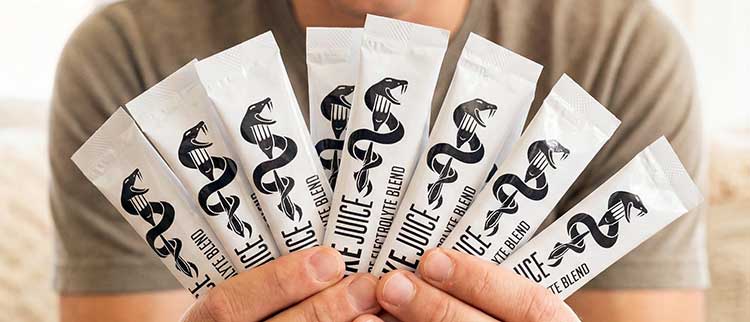
I first came across Snake Juice when exploring fasting protocols. It’s tied to the Snake Diet, created by Cole Robinson, which mimics how snakes eat infrequently but thrive. The idea is to use this electrolyte blend to sustain you during extended fasts, keeping dehydration at bay without breaking your fast.
From my experience, it’s straightforward—mix it up at home or grab the pre-packaged version—and it focuses on replenishing what your body loses when you’re not eating.
What stands out is how customizable it is. If you’re like me and prefer tinkering with recipes, you can adjust the salts to fit your taste or needs. But if convenience matters more, the ready-made packets from Snake Brands save time.
Overall, it’s geared toward those pushing their limits with fasting, and I’ve found it helpful for maintaining energy without food.
Key Features of Snake Juice
- High Potassium Focus: With around 1000-2000mg per batch, it emphasizes potassium to support muscle contractions and prevent cramps, which I’ve noticed helps during long fasts when my body feels off.
- Includes Baking Soda: The sodium bicarbonate acts as a buffer against acidity, something I appreciate because it keeps my pH balanced and reduces that foggy feeling sometimes associated with ketosis.
- Trace Minerals from Pink Salt: Using Himalayan pink salt adds 84 trace elements like magnesium and iron, giving a subtle edge over plain table salt by providing extras your body might crave.
- Fasting-Friendly Design: Formulated specifically for no-calorie intake periods, it helps mimic natural hydration without sugars or carbs, aligning with my intermittent fasting trials.
- Unflavored and Versatile: No added tastes mean you can mix it into anything, though I sometimes add a lemon squeeze to make it more palatable without compromising purity.
Pros of Snake Juice
- Affordable Homemade Option: Mixing your own batch costs pennies per serving, which appeals to me as a budget-conscious user who doesn’t want to splurge on fancy packets every time.
- Balanced for Fasting: The higher potassium and bicarbonate help combat common fasting side effects like headaches or fatigue, and I’ve felt more stable using it compared to plain water.
- Customizable Ratios: You can tweak the amounts based on your activity level, something I’ve done during hikes to amp up the magnesium for better recovery.
- No Junk Additives: Being gluten-free, non-GMO, and vegan, it fits clean eating lifestyles, and I like knowing exactly what’s in my mix without hidden fillers.
- Supports pH Equilibrium: The baking soda component prevents metabolic acidosis, which has made my longer fasts feel less taxing on my system.
Cons of Snake Juice
- Salty Taste Can Be Off-Putting: It’s intensely briny, and even after getting used to it, I sometimes struggle to finish a full batch, especially on warmer days.
- Lower Daily Electrolyte Coverage: Compared to full recommendations, the amounts might fall short for heavy sweaters, leading me to supplement extra on intense workout days.
- Preparation Time: Homemade versions require measuring salts precisely, which can be a hassle when I’m in a rush, unlike grab-and-go alternatives.
- Limited Availability: Pre-packaged isn’t as widely stocked, so I’ve had to order online, adding wait time that disrupts my routine.
- Potential for Over-Salting: If not mixed right, it can upset your stomach, a mistake I made early on that left me feeling bloated.
Also Read: Comparison of Enfalyte And Pedialyte Electrolyte Mix.
Understanding LMNT
LMNT caught my eye through podcasts and fitness circles.
Founded by Robb Wolf, it’s designed for people on low-carb or keto diets who often need extra salt.
I like how it positions itself as a no-nonsense hydration tool—high in sodium to counter what we lose through sweat or restricted eating.
From my trials, it’s more about everyday performance than strict fasting, making it versatile for gym sessions or hot days.
The stick packs are super convenient; I toss one in my bag and mix it with water anywhere.
Flavors make it enjoyable, unlike some bland options, and the focus on clean ingredients means no guilt about artificial stuff. It’s become my go-to when I need quick replenishment without overthinking.
Key Features of LMNT
- High Sodium Dose: 1000mg per packet targets sodium losses, which I’ve found crucial after sweaty runs to avoid that drained feeling.
- Variety of Flavors: Options like Watermelon or Mango Chili keep things interesting, helping me stay consistent without boredom setting in.
- Magnesium and Potassium Inclusion: 60mg magnesium and 200mg potassium support nerve function and energy, rounding out the mix for overall balance.
- Zero Sugar Formula: Perfect for keto folks, it avoids carbs that could spike blood sugar, aligning with my low-carb experiments.
- Portable Stick Packs: Easy to carry and mix on the go, which suits my active lifestyle better than bulky bottles.
Pros of LMNT
- Effective Hydration Boost: The science-backed ratio quenches thirst fast, and I’ve noticed fewer cramps during workouts since incorporating it.
- Tasty and Enjoyable: Flavors like Citrus Salt make drinking electrolytes fun, encouraging me to hydrate more than with plain mixes.
- Clean Ingredient List: No gluten, sugar, or dodgy fillers, which gives me peace of mind as someone wary of processed supplements.
- Supports Low-Carb Lifestyles: High sodium helps with the “keto flu,” and it’s helped me transition smoother during diet shifts.
- Convenient for Daily Use: Packets are mess-free, ideal for travel or office days when I can’t prep at home.
Cons of LMNT
- High Sodium Might Not Suit All: At 1000mg, it’s a lot for those with blood pressure concerns, and I’ve had to monitor my intake carefully.
- Lower Potassium Levels: Only 200mg means it might not cover needs for potassium-heavy activities, prompting me to add extras sometimes.
- Pricey Per Serving: Around $1.50 each adds up, especially if using multiple daily, compared to cheaper homemade alternatives.
- Salty Aftertaste in Some Flavors: Even flavored, the saltiness lingers, which took me time to adjust to during initial uses.
- Limited Magnesium: 60mg is helpful but low for full recovery, so I’ve paired it with other sources for better results.
Also Read: My Experience With Waterboy Hydration.
My Personal Journey with These Electrolytes
Let me tell you about the first time I tried Snake Juice. I was midway through a 48-hour fast, feeling that familiar drag—head fuzzy, energy dipping. Mixing up the recipe felt like a science experiment: measuring potassium chloride, pink salt, baking soda into a big jug of water.
The taste? Like swallowing ocean water at first.
But after a few sips, I noticed my clarity returning. No more lightheaded spells. It became my ritual for fasting days, and over time, I experimented with ratios. Adding a bit more magnesium helped with sleep, turning it into a personalized tonic.

Switching to LMNT was a game-changer for non-fasting times. Picture this: post-yoga session, sweat pouring, and I rip open a Grapefruit Salt packet.
Mixed into my bottle, it’s tangy, slightly salty, but refreshing. Unlike Snake Juice, it didn’t require prep; just pour and go.
I felt recharged faster, especially on hot afternoons when plain water wasn’t cutting it.
But I learned the hard way that too much sodium without balancing potassium led to puffiness, so I alternate based on the day.
Analyzing both, Snake Juice wins for cost-effectiveness and fasting depth. It’s raw, no-frills, forcing you to engage with your hydration needs. LMNT, though, feels modern—flavors draw you in, making consistency effortless.
If you’re starting out, I’d say try Snake Juice homemade to test waters cheaply, then splurge on LMNT for variety.
- When to Choose One Over the Other?
If fasting is your thing, Snake Juice aligns perfectly. Its design supports extended periods without food, keeping electrolytes steady. I’ve used it for rolling 72-hour fasts, feeling sustained without weakness.
For daily hydration or sports, LMNT edges out. The flavors motivate more water intake, and high sodium replenishes post-exercise losses. During a recent hike, LMNT kept me going without the bonk.
Consider your lifestyle: budget-tight? Go Snake Juice. Crave convenience and taste? LMNT. I switch based on goals, analyzing how each affects my energy and recovery.
- Potential Side Effects and Precautions
No product is perfect. With Snake Juice, the salty intensity might cause nausea if gulped too fast—sip slowly, as I do. High potassium could interact with meds, so check with a doc if you have kidney issues.
LMNT’s sodium load is great for athletes but risky for hypertension folks. I monitor blood pressure, starting with half packets. Both can lead to over-hydration if not balanced with activity, causing bloating.
Always listen to your body. If something feels off, adjust or consult a professional. In my analysis, moderation keeps benefits flowing without downsides.
- Integrating Them into Your Routine
I start mornings with water, adding electrolytes mid-day. For Snake Juice, I prep a batch Sunday for the week, sipping during fasts. LMNT goes in my gym bag for post-sweat mixes.
Track how you feel: journal energy levels, cramps. I noticed better sleep with magnesium boosts. Experiment—maybe blend concepts, like adding baking soda to LMNT for acidity control.
This approach has made hydration intentional, boosting my overall wellness.
Also Read: Comparison of SALTT And LMNT Electrolyte Mix.
Frequently Asked Questions (FAQ)
No, if you’re active or on a low-carb diet, but monitor sodium if you have health concerns like high blood pressure.
It depends on needs, but options like LMNT or homemade mixes with natural salts are clean choices without sugar.
A mix of potassium chloride, sodium chloride, baking soda, and sometimes magnesium, designed for fasting hydration.
LMNT, with higher electrolytes and no sugar, suits low-carb better, while Liquid IV has vitamins but added carbs.
Wrapping It Up
Looking back, I’ve learned a ton from pitting Snake Juice against LMNT in my daily life. Both have their place, but the choice boils down to your goals—fasting depth with Snake Juice or flavorful convenience with LMNT.
You might find, like I did, that blending elements from each enhances your hydration game.
Give them a try, listen to your body, and you’ll likely feel more energized and balanced. What works for me might spark ideas for you, so experiment and see the difference.