
If you’re tired of overpriced cafe runs and crave that perfect espresso at home, the Smeg espresso coffee machine is your ticket to barista-level brews without the hassle. I fell in love with its retro charm and effortless performance, and you will too.
It’s built to last, delivers rich shots every time, and fits seamlessly into any kitchen. Don’t wait—pick one up now and transform your mornings into something special. Trust me, it’s worth every penny for the joy it brings.
My Experience With SMEG Espresso Coffee Machine
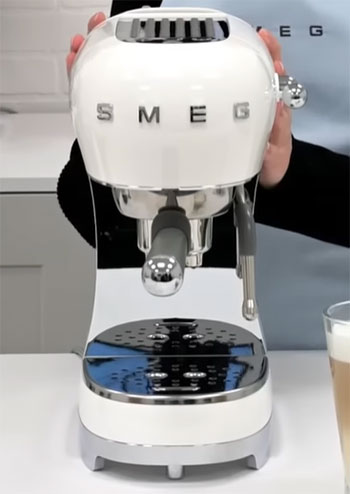
I’ve been using the Smeg espresso coffee machine for months now, and let me tell you, it’s changed how I start my day.
Picture this: I wake up, shuffle to the kitchen, and within minutes, I’m pulling a shot that rivals what I’d get at my local coffee shop.
The machine’s retro design in that sleek pastel blue caught my eye first—it’s like a piece of 1950s Italy plopped on my countertop, making the whole space feel more inviting.
But it’s not just about looks; the functionality hooked me right away.
From the get-go, setting it up was straightforward.
I unboxed it, filled the water tank, and primed the pump as per the quick-start guide. No complicated manuals that make you feel like you need an engineering degree.
The thermoblock heating system heats up fast, usually in under a minute, so I’m not standing around waiting when I need that caffeine hit. I ground some fresh beans—medium roast Ethiopian for that fruity note—and tamped them into the portafilter.
The 15-bar pump pressure extracts the espresso smoothly, giving me a crema that’s thick and golden, not watery or bitter like some cheaper machines I’ve tried before.
What really stands out is the steam wand. I’m no pro at latte art, but with this, I’ve managed some decent hearts and leaves after a bit of practice. It froths milk to a velvety microfoam consistency, perfect for cappuccinos or flat whites.
I remember one weekend morning when I had friends over; I whipped up lattes for everyone, and they couldn’t believe it came from my kitchen setup. The adjustable settings let me switch between single and double shots easily, and the cup warmer on top keeps my mugs toasty, so the coffee stays hot longer.
Of course, there were a few hiccups at first. I over-tamped once and got a weak pull, but adjusting the grind size fixed that. The drip tray fills up quicker than I’d like if I’m making multiple drinks, but emptying it is no big deal.
Overall, using it feels intuitive, like chatting with an old friend who knows exactly what you need. I’ve saved so much money skipping the drive-thru, and the satisfaction of crafting my own drinks? Priceless.
If you’re dipping your toes into home espresso, this machine makes the process enjoyable rather than overwhelming. It’s become a ritual I look forward to, turning ordinary moments into something a bit more luxurious.
Pros of SMEG Espresso Coffee Machine
The Smeg espresso coffee machine shines in several areas that make it a standout choice for home use. Let’s break down what makes it so appealing from my hands-on time with it.
- Stunning Retro Design That Elevates Your Kitchen
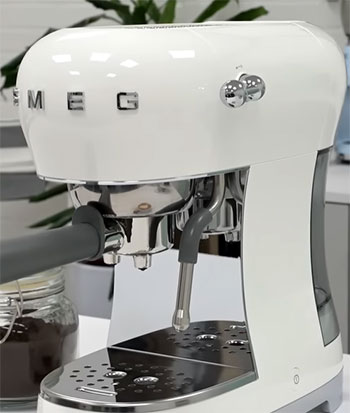
One of the first things you’ll notice about the Smeg is its eye-catching style.
I chose the cream-colored model, and it instantly became the focal point of my countertop.
With its curved lines and chrome accents, it brings a vintage vibe that’s far from the bland, boxy look of many other machines.
You can pick from colors like red, black, or pastel green to match your decor, turning a functional appliance into a statement piece.
It’s not just pretty; the build quality feels solid, with stainless steel components that hold up to daily use without scratching easily.
- Quick Heat-Up and Consistent Performance
I appreciate how fast this machine gets ready. The thermoblock system means you wait less than a minute for it to reach optimal temperature, which is a lifesaver on busy mornings. Once it’s going, the 15-bar pressure delivers espresso with a rich crema every time.
I’ve pulled hundreds of shots, and the consistency is impressive—no wild swings in taste like with some entry-level options. You get that authentic Italian espresso flavor without needing to tweak a dozen settings.
- Versatile Steam Wand for Milky Drinks
If you love lattes or cappuccinos like I do, the steam wand is a game-changer. It pivots easily and produces fine microfoam that mixes perfectly with espresso. I’ve experimented with different milks—oat, almond, whole—and it handles them all without splattering everywhere.
The wand is powerful enough for quick frothing but controllable, so you won’t scald the milk if you’re careful. It’s made my home drinks feel professional, and cleanup is simple with a quick purge.
- User-Friendly Interface for Everyday Ease
This machine keeps things simple with just three buttons for single shot, double shot, and steam. No confusing touchscreens or apps here. I found it intuitive right away, which is great if you’re not a coffee expert.
The portafilter locks in smoothly, and the included tamper helps you get the right pressure. Plus, it works with both ground coffee and pods, giving you flexibility on lazy days when grinding seems like too much effort.
- Compact Size with Practical Features
Despite its presence, the Smeg doesn’t hog counter space. At about 13 inches wide, it fits nicely even in my small apartment kitchen. The removable water tank holds enough for several drinks, and the drip tray slides out effortlessly for emptying.
I also like the passive cup warmer on top—it preheats your mugs so your espresso doesn’t cool off instantly. These little touches add up to a more enjoyable experience overall.
From an analytical standpoint, these strengths make the Smeg ideal for someone who values aesthetics and reliability over complex customizations. I’ve compared it to my old setup, and the upgrade in build and output is noticeable.
The design isn’t just superficial; it contributes to durability, with parts that feel premium and resist wear. Performance-wise, the quick heating reduces energy waste, and the consistent extraction means less trial-and-error, saving you beans and time.
The steam wand’s versatility opens up a world of drinks, encouraging experimentation without frustration. Ease of use lowers the barrier for daily integration, making it a practical choice for busy lifestyles.
The compact form factor ensures it integrates well without overwhelming your space, while features like the cup warmer enhance the final product quality. All told, these pros position the Smeg as a worthwhile investment for quality-focused users.
Cons of SMEG Espresso Coffee Machine
While the Smeg has a lot going for it, it’s not perfect. Here are some drawbacks I’ve encountered that might make you think twice.
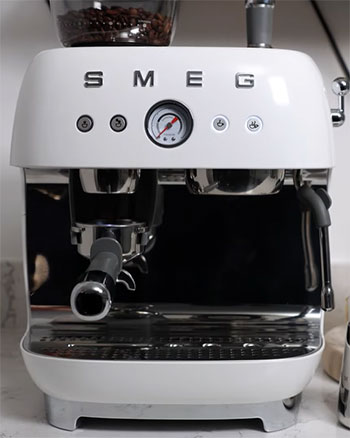
- Higher Price Tag Compared to Similar Machines: I paid a premium for this machine, and analytically, it’s on the expensive side for its features. You could get comparable performance from other brands at half the cost, which stings if budget is a concern. The retro styling justifies some of the markup, but if you’re purely after function, it might feel overpriced.
- Limited Customization Options: The Smeg sticks to basics, which means no adjustable brew temperature or pressure settings. I’ve wished for more control on days when I want to fine-tune for different beans. It’s great for straightforward espresso, but if you crave experimentation, you’ll hit limits quickly.
- Pressurized Portafilter May Not Satisfy Purists: It uses a pressurized basket, which helps beginners but masks grind inconsistencies. As I’ve gotten better at espresso, I notice it doesn’t deliver the nuanced flavors a non-pressurized one would. You can upgrade, but that’s an extra step and cost.
- No Built-In Grinder: Grinding beans separately adds to the workflow. I use a manual grinder, but integrating one would make things smoother. For the price, I’d expect this convenience, especially when competitors offer it.
- Drip Tray Fills Up Quickly: With multiple drinks, the tray overflows faster than I’d like. It’s easy to clean, but interrupting your session to empty it can be annoying. Analytically, this points to a design focused more on style than high-volume use.
In weighing these cons, the price stands out as the biggest hurdle—it’s a luxury buy rather than a value one. Limited options and the portafilter type limit its appeal for advanced users, while the lack of a grinder and tray capacity highlight practical shortcomings for heavier use.
Maintenance Tips For SMEG Espresso Coffee Machine
Keeping your Smeg espresso coffee machine in top shape is crucial for longevity and great-tasting coffee. I’ll share what I’ve learned from regular upkeep.
- Daily Cleaning Routine: After each use, I always wipe down the exterior with a damp cloth to remove splatters. Rinse the portafilter under hot water, and brush out any grounds from the basket. Purge the steam wand by running steam for a few seconds, then wipe it clean. This prevents buildup and keeps everything hygienic.
- Weekly Deep Clean: Once a week, I disassemble the portafilter and soak it in warm soapy water. Clean the group head with a soft brush to clear residue. Empty and rinse the drip tray thoroughly, and wash the water tank to avoid mineral deposits. This step ensures smooth operation and prevents clogs.
- Descaling Process: Depending on your water hardness, descale every one to three months. I mix a descaling solution with water, run it through the machine, then flush with fresh water multiple times. It’s straightforward but vital to remove limescale that can affect heating and taste.
- Steam Wand Maintenance: The wand needs special attention. After frothing, I wipe it immediately and purge steam to clear milk residue. Every few weeks, soak the tip in a milk cleaner solution overnight for a deep clean. This keeps the foam quality high and avoids blockages.
- General Care Advice: Store the machine in a dry spot, and avoid abrasive cleaners that could scratch the finish. Replace filters if your model has them, and use fresh beans to minimize oily buildup. Analytically, consistent maintenance extends the machine’s life, maintains flavor purity, and prevents costly repairs. I’ve found that spending a few minutes daily saves hours later.
From my experience, these tips have kept my Smeg running flawlessly. Daily habits build up to prevent issues, while weekly and periodic tasks address deeper cleaning. Descaling is non-negotiable for performance, and wand care directly impacts drink quality. Overall, it’s low-effort for the payoff in reliability.
Comparison of SMEG Espresso Coffee Machine With Other Brands
When stacking the Smeg against competitors, it’s clear where it excels and falls short. I’ll analyze it versus a few popular ones based on my research and use.
- Smeg Vs. DeLonghi Dinamica Plus
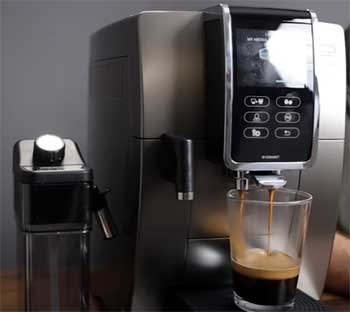
You know, comparing the Smeg to the DeLonghi Dinamica Plus feels like pitting a classic sports car against a luxury sedan—they both get you where you want to go, but in different styles.
The Smeg is all about that hands-on espresso experience; I love tamping my grounds into the portafilter and pulling shots with its 15-bar pump, which delivers a rich crema if you get the grind right.
It’s compact, heats up quickly with the thermoblock system, and the manual steam wand lets me froth milk for lattes just how I like them—velvety and not too bubbly. But it’s manual, so you need to grind beans separately and clean up after each use, which adds a bit of ritual to your mornings.
On the flip side, the DeLonghi Dinamica Plus is a super-automatic beast that does everything for you. It grinds fresh beans on demand, brews espresso or cappuccinos at the touch of a button, and even has an integrated milk frother that auto-dispenses foam directly into your cup.
I imagine you’d save time with its customizable settings for strength and temperature, making it perfect if you hate the mess of manual tamping. From what I’ve seen, it produces consistent shots with less effort, and its larger water tank means fewer refills during a busy day.
However, it’s bulkier than the Smeg, taking up more counter space, and the price is higher—often around double what I paid for my Smeg.
Analytically, if automation is your priority, the Dinamica wins for convenience and variety in drinks, but the Smeg edges out for that authentic, barista-like feel and its stylish, space-saving design. You might prefer the Smeg if you enjoy the process, while the Dinamica suits a set-it-and-forget-it approach.
- Smeg Vs. xBloom Coffee Machine
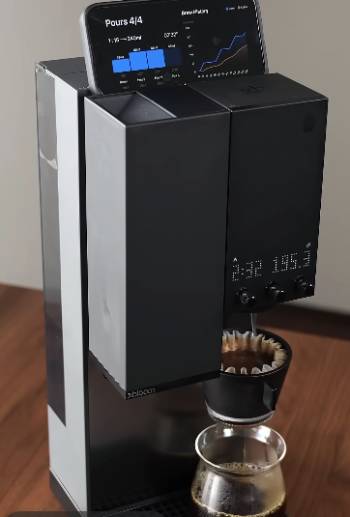
Now, shifting gears to the xBloom Coffee Machine— this one’s more of a smart pour-over specialist than a direct espresso rival, but if you’re debating between filter-style brews and traditional espresso, it’s worth chatting about.
The Smeg focuses on espresso pulls, where I control the extraction for that intense, concentrated flavor with a thick crema.
It’s straightforward for shots or milky drinks, and the retro look fits right into my kitchen without overwhelming it.
Plus, it’s versatile with ground coffee or pods, so you can experiment without committing to one method.
The xBloom, though, is all about automated pour-over perfection. It uses pods or whole beans, grinds them precisely, and mimics a barista’s pour with app-controlled recipes—think blooming, agitation, and timed pours for nuanced filter coffee.
I’ve read that it excels in bringing out subtle notes in specialty beans, like fruity Ethiopians, and it’s super clean with minimal waste. You get consistency every time without the skill needed for manual pouring, and the tech integration lets you tweak variables via your phone.
However, it’s not built for espresso; if you crave that bold shot, you’ll miss the pressure pump the Smeg offers. Price-wise, they’re in similar ballparks, but the xBloom feels more futuristic and less hands-on.
In my analysis, go for the Smeg if espresso is your jam, as it delivers that cafe punch, while the xBloom shines for lighter, more aromatic brews. If your mornings vary between styles, you might even want both, but the Smeg’s simplicity wins for pure espresso lovers like me.
- Smeg Vs. Breville Creatista Plus
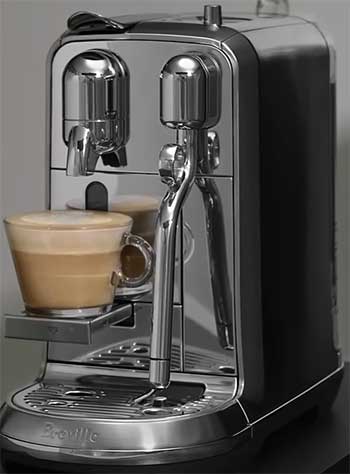
Finally, let’s talk Smeg versus the Breville Creatista Plus, which is essentially a high-end Nespresso pod machine with pro-level milk frothing.
With the Smeg, I get the satisfaction of using fresh grounds, tamping, and extracting with full control over the process—resulting in customizable espresso that’s as strong or mild as I want.
The steam wand requires a bit of practice, but once you nail it, your cappuccinos have that creamy texture without much fuss.
It’s also more compact and has that iconic retro aesthetic that makes me smile every time I use it.
The Breville Creatista Plus, on the other hand, relies on Nespresso pods for ultra-convenience—no grinding or measuring needed. Just pop in a capsule, select your drink, and it brews with precise temperature control.
What sets it apart is the automatic steam wand that textures milk to perfection for latte art, with settings for different foam levels—something I envy on lazy days. It heats up fast, cleans itself somewhat, and produces consistent results without the variability of manual extraction.
However, pods limit your bean choices and can get pricey over time, plus the flavor might not match fresh-ground espresso from the Smeg. From a cost standpoint, the Creatista is often comparably priced or slightly higher, but it saves you time if you’re not into the barista workflow.
Analytically, the Smeg appeals to purists who value fresh beans and hands-on fun, while the Creatista is ideal for quick, foolproof drinks with minimal cleanup. If style and authenticity matter to you, stick with the Smeg; otherwise, the Breville’s automation could win you over.
Frequently Asked Questions (FAQ)
Yes, SMEG is reliable for stylish, easy-to-use machines that deliver solid espresso.
No, Breville often outperforms in features and value, but SMEG excels in design.
Absolutely, its simple controls make it beginner-friendly.
The Breville Bambino Plus tops many lists for its balance of ease and quality.
Wrapping Up: Make The Smeg Yours Now
After all this, I stand by the Smeg espresso coffee machine as a fantastic pick for elevating your home coffee game. Its blend of style, performance, and simplicity makes every cup a delight.
If you’re ready to ditch cafe lines and enjoy barista-quality brews, go for it—you won’t regret the investment.