
If you’ve ever woken up with a stiff back and thought, “Why can’t I just change how this mattress feels?” you aren’t alone. That frustration led me down the rabbit hole of adjustable air beds, specifically the two heavyweights: Sleep Number and Personal Comfort.
You are probably here because you want to know if the famous brand is worth the premium or if the direct-to-consumer challenger actually delivers better value. I’ve broken down everything—from pump noise to air chamber durability—to help you decide which smart bed deserves your bedroom real estate.
| Feature | Sleep Number (General) | Personal Comfort (General) |
| Adjustability Scale | 0-100 (Increments of 5) | 5-50 (Increments of 1) |
| Total Settings | 20 distinct settings | 45 distinct settings |
| Air Chamber Design | Zipped together (can transfer motion) | Independent & Lock-Tight (true isolation) |
| Controls | App-focused (remotes often extra) | App + Wireless Remotes included |
| Pump System | Often integrated/hidden | External/Boxed (often quieter) |
| Trial Period | 100 Nights | 120 Nights |
| Warranty | 15-Year Limited | 25-Year Limited |
The Core Philosophy: Brand Power Vs. Spec Sheet Dominance
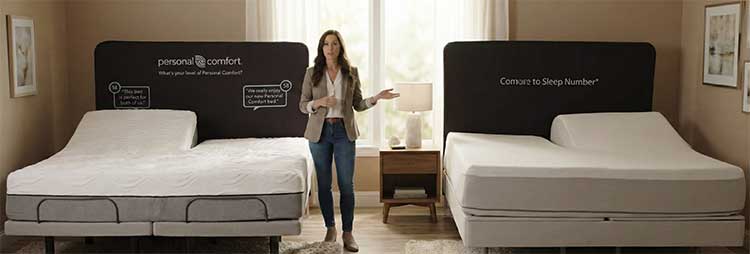
When I look at these two companies, I see two very different approaches to selling you sleep. Sleep Number is the marketing juggernaut. They have the stores in every mall, the slick commercials, and a proprietary “SleepIQ” score that gamifies your rest.
Their philosophy is about integration and ecosystem. They want you to buy the bed, use their app, and stay within their “sleep health” loop.
Personal Comfort, on the other hand, feels like the engineer’s choice. They position themselves explicitly as the “better specs for less money” alternative.
They don’t have the brick-and-mortar overhead, so they pour that budget into higher-grade materials—like medical-grade urethane instead of rubber—and include accessories that Sleep Number charges extra for.
Key Differences Between Sleep Number And Personal Comfort
It is easy to get lost in technical jargon, so let’s strip that away and talk about what these differences feel like when you are actually lying in the bed at 2 AM.
- The “Trench” Effect Vs. True Independence
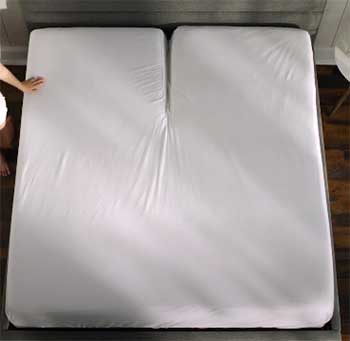
One of the most distinct physical differences lies in how the air chambers are connected.
Sleep Number typically zips their dual chambers together.
While this keeps them snug, I’ve found it can create a motion transfer issue where the movement of one person affects the other side.
More annoyingly, it can sometimes lead to a “hammocking” effect or a dip in the center where the zippers meet.
Personal Comfort uses a “Lock-Tight” system with a foam rail between independent chambers.
This sounds minor, but it effectively creates two distinct beds in one frame. You don’t roll toward the middle, and your partner’s tossing and turning is far less likely to ripple over to your side.
- Granularity of Adjustment
Sleep Number operates on a 0 to 100 scale, but here is the catch: it moves in increments of 5. So you have 20 possible comfort levels. For most people, that is fine. But if you are the type of person who creates a fuss about the thermostat being set to 71 instead of 70, you might find this limiting.
Personal Comfort offers 45 settings, moving in increments of 1. It allows for micro-adjustments. If “35” feels too soft but “40” feels too hard on a Sleep Number, you are stuck. On a Personal Comfort, you can dial it in to exactly where your pressure points vanish.
- The Pump and Hosing Architecture
This is the hardware that does the heavy lifting. Sleep Number has done a great job integrating their pumps to be quieter and often hidden inside the bed foundation in newer models. However, Personal Comfort uses a fully external, medical-grade pump system.
While having a box under the bed might seem less elegant, it makes servicing infinitely easier. If a pump fails on an integrated system, you are often taking apart the bed. If an external pump fails, you just unplug it and swap it.
Furthermore, the hose connections on Personal Comfort are generally kink-resistant and use a “snap-fit” connector that feels incredibly secure compared to some of the friction-fit connections I’ve seen on older air beds.
Also Read: Is Puffy Lux Hybrid Mattress Worth It?
Pros of Personal Comfort
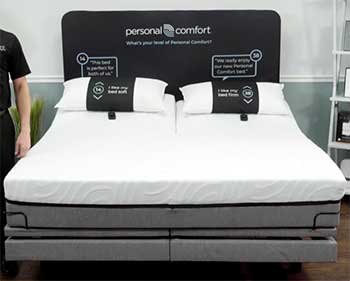
- Superior Air Chamber Material: They use thinner, stronger, medical-grade polyurethane for their chambers. This material is widely used in hospital settings because it is less prone to drying out or cracking compared to vulcanized rubber. It is also more pliable, meaning it conforms to your body shape better than a stiffer rubber chamber would.
- Controllers Are Included: I cannot stress how important this is. In an age where everything requires a smartphone, sometimes you just want to push a physical button at 3 AM without blinding yourself with a blue-light screen. Personal Comfort includes wireless remotes with digital readouts for both sleepers. You don’t have to unlock your phone, find the app, and wait for it to sync just to firm up your mattress.
- Fully Independent Chambers: Because the chambers are truly separate entities sitting inside a high-density foam rail system, the isolation is fantastic. If you keep your side rock hard and your partner keeps theirs cloud-soft, the transition between the two is managed by the foam rail, preventing that weird “rolling off a cliff” sensation you get on cheaper air beds.
- Price-to-Performance Ratio: You are generally paying 20% to 40% less for a comparable model. For example, their A10 model (often compared to the Sleep Number i10) offers similar memory foam layers and cooling tech but typically saves you thousands of dollars. You aren’t paying for the mall rent or the Super Bowl commercials.
- Replaceable Components: The design is modular. If the top foam layer wears out in five years (which all foam eventually does), you can unzip the top panel and replace just the foam layer. You don’t have to throw the whole mattress away. This extends the lifespan of the “chassis” of the bed significantly.
Cons of Personal Comfort
- Setup Is a Workout: Since they ship direct-to-consumer, the bed arrives in multiple boxes. You are the assembly line. You have to place the base, install the foam rails, insert the air chambers, connect the hoses, and zip on the cover. It can take an hour or two, and the boxes are heavy. If you aren’t physically able to lift 50+ pounds, you will need to hire help.
- Less “Smart” Ecosystem: While they have an app, it lacks the polish and deep data analytics of Sleep Number’s SleepIQ. It controls the bed perfectly fine, but it won’t give you a breakdown of your circadian rhythms or breathless episodes in the same slick interface. It is a remote control app, not a health platform.
- Brand Recognition and Resale: If you ever sell your house or furniture, saying “I have a Sleep Number bed” means something to people. Saying “I have a Personal Comfort bed” usually requires an explanation. It lacks the social currency of the big brand.
Pros of Sleep Number
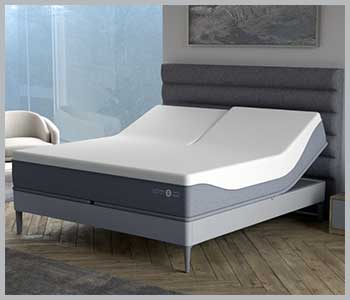
- SleepIQ Technology: This is their “moat.” The sensors built into the bed track your heart rate, breathing, and movement. Each morning, you get a score. It sounds gimmicky, but for data nerds, it’s addictive. It can actually help you realize that that glass of wine before bed tanked your deep sleep, or that you sleep better when the room is cooler. It connects the dots between your lifestyle and your rest.
- Responsive Air Technology: Newer Sleep Number models have a feature where the bed automatically adjusts firmness throughout the night. If you roll onto your side, the bed senses the pressure change and might soften slightly to relieve your shoulder. This dynamic adjustment is a game-changer for active sleepers who switch positions constantly.
- White Glove Delivery: You don’t lift a finger. Their technicians bring the bed, set it up, calibrate the pump, show you how to use the app, and take away the packaging. For many people, specifically older buyers or those with back pain, this service alone justifies the price premium.
- Showroom Experience: There is immense value in being able to try before you buy. You can walk into a store, lie on the i8 vs. the p6, and actually feel the difference in the foam layers. With online-only brands, you are guessing based on specs.
- High Resale Value: Because of the brand name, used Sleep Number beds (or even just the pumps and remotes) hold value surprisingly well on secondary markets like eBay or Facebook Marketplace.
Cons of Sleep Number
- The “Trench” Effect: As mentioned earlier, the zipped-together chambers can create a dip in the middle. If you and your partner like to cuddle in the center of the bed, you might find yourself rolling into the seam, which is uncomfortable and unromantic.
- Proprietary Lock-in: Everything is proprietary. The remote is often an extra purchase (and it’s not cheap). The hoses and connections are specific to them. If a part breaks out of warranty, you are largely at their mercy for replacement parts and pricing.
- Pump Noise: While they have improved this, some users still report that the pump makes a noticeable humming or vibration sound when adjusting, especially during those automatic nighttime adjustments. If you are a light sleeper, the bed “thinking” and adjusting underneath you might wake you up.
- Foam Degradation: Like any mattress, the comfort foam layers on top of the air chambers will degrade. On many Sleep Number models, replacing these comfort layers isn’t as user-friendly or modular as it is on Personal Comfort models, meaning you might feel like you need a whole new bed when really just the top 3 inches of foam are tired.
Also Read: Is Tommie Copper Mattress Worth It?
Frequently Asked Questions (FAQ)
Personal Comfort is widely considered the most direct functional competitor. They offer the exact same air-adjustable technology, often with higher specifications (like 45 settings vs. 20) and a modular design, but at a significantly lower price point because they cut out the middleman and showrooms. Other competitors like Saatva (Solaire) and ReST also compete in the smart bed space, but Personal Comfort targets the Sleep Number demographic most aggressively.
The primary downsides include the high cost, the potential for mechanical failure (pumps, sensors, air leaks), and the “trench effect” where a dip forms between the two air chambers. Additionally, many users find the 100% reliance on a smartphone app frustrating if they don’t purchase the separate, expensive remote. The “Responsive Air” feature can also be disturbing to light sleepers as the pump activates to adjust pressure during the night.
There have been a few legal actions. Notably, there was a class action lawsuit regarding “deceptive pricing,” alleging that Sleep Number advertised discounts based on “regular prices” that the beds were rarely actually sold at. There have also been shareholder lawsuits related to supply chain transparency during the foam shortages of 2021. More recently, consumers have raised complaints about warranty fulfillment and the specifics of their pro-rated warranty terms after the first two years.
The shift away from pure memory foam is driven by heat retention and the “quicksand” feeling. Traditional memory foam traps body heat, making it uncomfortable for hot sleepers. It also has a slow response time, meaning when you try to roll over, the foam holds your previous shape, making you feel stuck. Buyers are moving toward latex, hybrids with coils, or adjustable air beds that offer support without the heat and restrictive envelopment of dense foam.
Conclusion: Making The Right Choice For Your Back
When I step back and look at these two options, the choice comes down to what you value more: the experience or the hardware.
If you want a seamless, luxury experience where the bed is delivered, set up, and immediately starts tracking your health data with a slick app, Sleep Number is the way to go. You are paying for the polish, the brand trust, and the convenience of physical stores. It is the “safe” bet, and the Responsive Air technology is a genuinely cool feature for restless sleepers.
However, if you are like me—analytical, value-driven, and willing to do a little assembly work—Personal Comfort is the superior hardware choice. You get more durable air chambers, finer control over your firmness, better isolation between partners, and a modular design that you can maintain for decades. It feels less like a consumer appliance and more like a long-term investment in sleep mechanics.
Ultimately, both beds solve the fundamental problem of static mattresses: commitment issues. With either choice, you never have to worry about buying a bed that is too soft or too firm ever again. You just press a button, and the problem floats away.