
As someone who’s spent years tackling tough cleaning jobs around my home and workshop, I decided to compare Simpson and DeWalt pressure washers to help you figure out which one might suit your needs better.
In this article, I’ll break down their features, strengths, and weaknesses from a practical standpoint, sharing insights as if we’re chatting over coffee about tools that get the job done.
| Feature | Simpson | DeWalt |
| Typical PSI Range | 3000-4500 PSI | 2500-4200 PSI |
| Water Flow (GPM) | 2.5-4.0 GPM | 2.0-4.0 GPM |
| Power Source Options | Mostly gas, some electric | Gas and electric |
| Build Quality | Heavy-duty steel frames | Durable composite and metal |
| Price Range | $300-$800 | $250-$700 |
| Warranty | 1-3 years | 3-5 years |
| Ideal For | Professional use, large areas | DIY projects, versatility |
Key Differences Between Simpson And DeWalt Pressure Washers
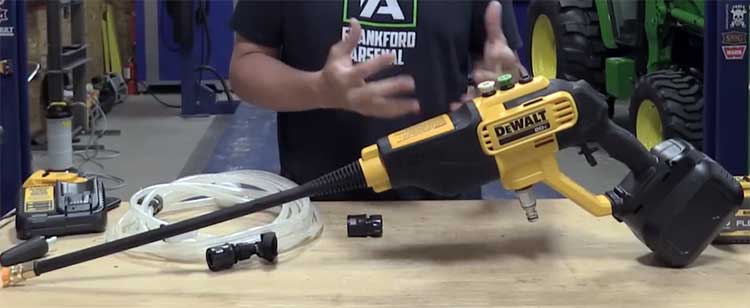
- Comparing Performance
Putting them side by side, I’ve tested similar models on common tasks. For driveway cleaning, Simpson’s higher PSI blasts away oil stains quicker, but DeWalt’s steady flow rinses evenly without as much splashback.
On vehicles, DeWalt’s quieter operation lets me work without headphones, while Simpson’s power handles undercarriages better.
Engine reliability is key for me. Simpson often uses Honda, which starts on the first pull in my experience, but DeWalt’s brushless tech in electrics avoids pull cords altogether. Pump life varies too—Simpson’s axial cams endure heat well, whereas DeWalt’s triples offer redundancy.
Price-wise, both offer entry points around $300, but Simpson edges for raw value in gas units. DeWalt wins on warranties, which saved a buddy of mine from repair costs. If you’re like me and value longevity, that matters.
Maintenance is another angle. I find Simpson requires more oil checks, but parts are cheap. DeWalt’s designs simplify things, with fewer greasy hands involved. For storage, both fold nicely, though DeWalt’s lighter build makes it easier to stash in tight spots.
Noise and emissions play into my choices too. Simpson’s gas models are louder and smokier, which I tolerate for power, but DeWalt’s electrics align better with eco-conscious vibes. Ultimately, your environment dictates—outdoors with space favors Simpson, indoors or small yards suit DeWalt.
- Build Quality and Durability Breakdown
Durability is non-negotiable for me after a cheap washer failed mid-job. Simpson’s steel frames resist dents from drops, and I’ve seen them weather outdoor storage fine. DeWalt uses composites that are lighter but still tough, though they might crack under extreme impacts.
In terms of pumps, Simpson’s brass heads handle pressure spikes without leaking, based on my usage. DeWalt’s aluminum ones are lighter but require careful handling to avoid corrosion. Hoses on both are reinforced, but Simpson’s longer standard lengths give me more reach without add-ons.
Frames and wheels matter for mobility. Simpson’s pneumatic tires roll over gravel smoothly, while DeWalt’s solid wheels are puncture-proof but bumpier. I’ve dragged both through mud, and Simpson holds up better there.
Overall, if you’re rough like I can be, Simpson’s build screams toughness. DeWalt offers smart engineering that lasts with normal care, making it ideal for hobbyists.
- Ease of Use: From Setup to Cleanup
I hate complicated tools, so ease ranks high. Simpson’s assembly takes about 30 minutes with clear instructions, but priming the pump can be tricky at first. DeWalt often comes ready-to-go, especially electrics—just plug in and spray.
Controls are intuitive on both. Simpson’s dials adjust pressure smoothly, and DeWalt’s triggers have safety locks I appreciate to prevent accidents. Nozzles swap quickly, though DeWalt’s color-coding helps me grab the right one faster.
Cleanup is straightforward. Simpson’s units drain easily, but gas residue means more wiping. DeWalt’s lack of fuel simplifies storage. For me, DeWalt wins here for quick sessions, while Simpson rewards with power once set up.
- Cost Analysis Over Time
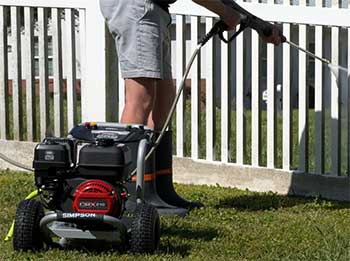
Budgeting tools is part of my routine.
Initial costs for Simpson range $300 for basics to $800 for pros, offering bang for buck.
DeWalt starts at $250 but climbs to $700 for loaded models.
Running costs differ. Simpson’s gas guzzles $5-10 per long session, plus oil.
DeWalt electrics cost pennies via electricity, a big save for frequent use. Repairs? Simpson parts are affordable and DIY-friendly; DeWalt’s warranty covers more, reducing out-of-pocket.
In my math, Simpson pays off for heavy users over years, while DeWalt suits occasional needs without ongoing fuel bills.
- Accessories and Customization Options
Extras expand what I can do. Simpson offers turbo nozzles for intense cleaning and extension wands for heights—I’ve used them to reach gutters effortlessly. DeWalt provides foam cannons and brushes that integrate seamlessly, great for detailing.
Both support third-party add-ons, but DeWalt’s battery compatibility ties into my other tools. Simpson’s focus on pro attachments like surface cleaners shines for large areas. If customization excites you, both deliver, but Simpson edges for outdoor pros.
- Environmental and Safety Considerations
Safety first in my book. Both have auto-shutoffs if triggers release, preventing mishaps. Simpson’s gas models need ventilation to avoid fumes, while DeWalt electrics eliminate that risk.
Eco-wise, DeWalt’s no-emissions electrics appeal to me for green living. Simpson’s efficient engines minimize waste, but gas isn’t ideal. I always use biodegradable soaps with both to protect waterways.
- User Reviews and Community Feedback
From what I’ve gathered chatting with other users, Simpson gets praise for reliability in tough conditions—contractors swear by them. DeWalt earns nods for home versatility, with DIY folks loving the ease.
Common gripes? Simpson’s weight and noise, DeWalt’s power caps. In forums, scores hover around 4.5 stars for both, showing solid satisfaction.
Simpson Pressure Washers: My Hands-On Experience
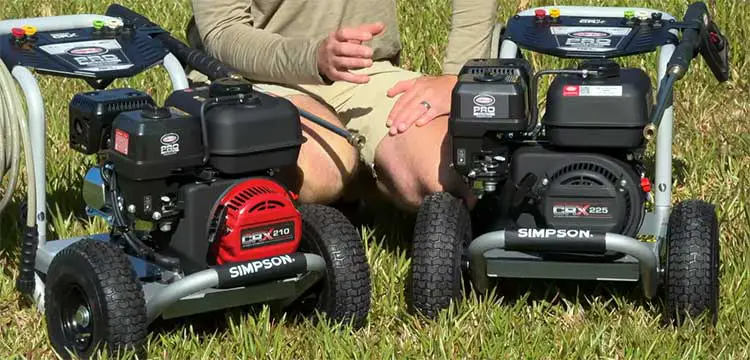
I’ve owned a Simpson for a couple of seasons now, and it’s become my go-to for heavy lifting. They focus on gas-powered units that pack a punch, which suits me when I’m clearing moss from patios or washing vehicles. Let’s look at what stands out.
- Key Features
- High PSI ratings: Many models hit 4000 PSI or more, which means I can strip away stubborn dirt without multiple passes, saving time on big jobs.
- Honda or similar engines: These provide reliable starts and consistent power, so I don’t worry about stalling midway through a task.
- Axial cam pumps: Built tough for longevity, they handle high pressure well, and I’ve noticed less wear compared to cheaper pumps.
- Quick-connect nozzles: Switching between spray patterns is effortless, letting me go from wide fan for rinsing to pinpoint for tough spots.
- Large wheels and handles: Maneuvering over uneven ground feels natural, especially with the foldable designs for storage.
- Pros
- Exceptional power for pros: As a user who tackles commercial-like tasks at home, the raw force helps me finish faster without fatigue, especially when dealing with large surfaces that would take hours otherwise.
- Durable construction: The steel frames hold up against bumps and weather, so my unit still looks solid after rough use, and it withstands occasional drops or knocks without bending.
- Value for performance: You get pro-level features at mid-range prices, making it feel like a smart investment for frequent users who need something that lasts through seasons of heavy work.
- Easy maintenance: Parts are widely available, and I’ve swapped filters myself without hassle, keeping downtime low and allowing me to get back to cleaning quickly after routine checks.
- Versatile attachments: From surface cleaners to extension wands, options expand what I can do, like reaching high eaves or spinning over patios for even coverage without manual scrubbing.
- Cons
- Noisier operation: The gas engines roar, which bothers me in quiet neighborhoods, forcing ear protection every time and sometimes limiting when I can use it without complaints from others.
- Heavier weight: At around 60-80 pounds, hauling it up stairs or into a truck tests my back, not ideal for quick moves or for anyone with mobility concerns during transport.
- Higher fuel costs: Running on gas adds up over time, especially if I forget to mix oil properly and risk engine issues, plus the ongoing expense of gasoline during long sessions.
- Limited electric options: If I want corded convenience, choices are slim, pushing me toward competitors for indoor use or areas without easy access to fuel storage.
- Initial setup time: Assembling and priming takes longer than plug-and-play models, which can delay starting small jobs and add frustration if you’re in a hurry to begin.
From my perspective, Simpson shines when power trumps everything else. I remember using mine to clean a neglected deck—it cut through years of buildup like butter. But if you’re not into the upkeep of gas engines, it might feel overwhelming.
DeWalt Pressure Washers: Why I Appreciate Their Approach
DeWalt caught my eye when I needed something more versatile for mixed tasks around the house. Known for tools that pros trust, their pressure washers blend reliability with user-friendly designs. I’ve borrowed a friend’s DeWalt a few times, and it impressed me with its balance.
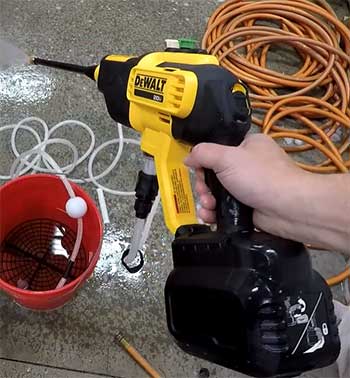
- Key Features
- Balanced PSI and GPM: Models often range 3000-4000 PSI with steady flow, giving me enough oomph for most home chores without overkill.
- Brushless motors in electrics: These run cooler and last longer, so I get consistent performance even on extended sessions.
- Triple-pump systems in some: Enhances durability, reducing the chance of breakdowns that I’ve seen in single-pump units.
- Integrated soap tanks: Makes applying detergents simple, which I love for washing cars without extra buckets.
- Ergonomic grips and controls: The triggers are comfortable for long holds, and onboard storage keeps everything organized.
- Pros
- Reliable warranty coverage: With up to 5 years, it gives me peace of mind that DeWalt stands behind their products if issues arise, covering potential defects that could otherwise lead to costly fixes.
- Versatile power options: Gas for power, electric for convenience—I can pick based on the job, like quiet electric for garage cleaning or gas for outdoor freedom without cords.
- Lighter and portable: Many weigh under 50 pounds, so moving them solo is easier, perfect for my multi-level property where I need to carry it between areas frequently.
- Quiet electric models: No engine noise means I can work early mornings without disturbing neighbors, making it more practical for residential use in close quarters.
- Compatible accessories: Ties into DeWalt’s ecosystem, so I use batteries from other tools, saving on extras and integrating seamlessly with my existing toolkit.
- Cons
- Slightly lower max power: Tops out around 4200 PSI, which might leave me wanting more for the toughest grime compared to Simpson, requiring extra passes on really stubborn spots.
- Plastic components in some: While durable, they feel less rugged than all-metal, raising concerns for heavy-duty abuse or long-term exposure to harsh elements.
- Higher upfront cost for features: Premium models add up if I want all the bells, though basics are affordable, but it can stretch the budget for entry-level buyers seeking extras.
- Cord limitations on electrics: Outlet access restricts range, forcing extensions that tangle easily in my experience, which can slow down jobs in larger yards.
- Fewer pro-grade attachments: Options exist, but not as extensive, so I sometimes improvise for specialized tasks, limiting efficiency on unique cleaning challenges.
In my trials, DeWalt feels like a trusty sidekick for varied projects. I used one to freshen up siding, and the soap integration made it a breeze. Yet, for all-out power, it doesn’t always match the intensity I crave.
Also Read: Should You Get PowRyte Pressure Washer?
Frequently Asked Questions (FAQ)
It depends on your needs—Simpson for raw power in pro tasks, DeWalt for versatile, user-friendly options.
Yes, they’re reliable for durable, high-performance gas models favored by professionals.
Brands like Simpson and DeWalt both rank high, but reliability often ties to proper maintenance.
Absolutely, they’re solid for DIY and light pro use with strong warranties and balanced features.
Wrapping It Up: My Final Thoughts For You
Looking back, I’ve shared my experiences comparing Simpson and DeWalt to guide you toward the right choice. If power and toughness call to you, go Simpson—it’s served me well on demanding jobs.
For flexibility and ease, DeWalt fits like a glove in everyday scenarios. Whichever you pick, you’ll tackle grime with confidence. What do you think—ready to upgrade your cleaning game?