
I’ve spent years managing flea and tick issues with my own dogs, and I know how overwhelming it feels to pick the right protection. Both Simparica Trio and Bravecto stand out as strong oral options, but they work differently in coverage, convenience, and extra benefits.
In this article, I share my honest take on Simparica Trio and Bravecto so you can decide what fits your dog best. I cover key features, pros and cons, and real-user experiences from someone who has tried similar preventatives.
My goal is to help you protect your furry friend without guesswork.
| Feature | Simparica Trio | Bravecto |
| Active Ingredients | Sarolaner, moxidectin, pyrantel | Fluralaner |
| Dosing Frequency | Monthly chew | Every 12 weeks (8 weeks for lone star ticks) |
| Flea Protection | Kills adult fleas within 4 hours; prevents infestations for 1 month | Kills fleas within 2 hours; protects for 12 weeks |
| Tick Protection | Covers 6 types (including Gulf Coast); kills within 8 hours; 1 month | Covers 5 types (including Asian longhorned); 12 weeks for most, 8 for lone star |
| Heartworm Prevention | Yes | No |
| Intestinal Worms | Treats and controls roundworms and hookworms | No |
| Minimum Age/Weight | 8 weeks and 2.8 lbs | 6 months and 4.4 lbs |
| Flavor | Liver-flavored | Pork-flavored |
| Safe for Pregnant/Nursing | Not evaluated | Yes (for chews) |
| Common Side Effects | Vomiting, diarrhea, lethargy; rare neurologic issues | Vomiting, lethargy, diarrhea; rare neurologic issues |
Key Features of Simparica Trio And Bravecto

- Simparica Trio combines three active ingredients into one tasty liver-flavored chew. Sarolaner targets fleas and ticks fast. Moxidectin prevents heartworm disease by stopping immature larvae. Pyrantel handles roundworms and hookworms. You give it once a month, and it starts killing fleas in about 4 hours and deer ticks in 8 hours. It covers six tick species, including the Gulf Coast tick, and even helps prevent Lyme disease by killing black-legged ticks quickly.
- Bravecto uses just fluralaner in a pork-flavored chew. It focuses purely on fleas and ticks with impressive staying power. It begins killing fleas in as little as 2 hours and provides protection for a full 12 weeks against most ticks. For lone star ticks, it lasts 8 weeks. Many dogs love the taste, and the long duration means fewer reminders throughout the year.
Both products come as chewables that most dogs eat like treats, which beats wrestling with topicals. I remember the first time I switched from messy spot-ons—my dog actually looked forward to “treat time” instead of hiding.
Key Differences Between Simparica Trio And Bravecto

- Duration of protection: Bravecto wins on convenience with its 12-week coverage for fleas and most ticks. You only handle dosing four times a year. Simparica Trio requires monthly administration, which means more frequent routines but also more consistent monitoring opportunities.
- Spectrum of protection: Simparica Trio goes far beyond fleas and ticks. It prevents deadly heartworm disease, which is crucial in mosquito-heavy areas, and tackles intestinal parasites like roundworms and hookworms that can affect your dog and even your family. Bravecto sticks to external parasites, so you may need separate heartworm and deworming products.
- Speed of action: Bravecto edges out slightly on flea kill time (2 hours vs. 4 hours), but both act quickly enough to stop infestations from taking hold in your home.
- Suitable dogs: Simparica Trio works for younger puppies starting at 8 weeks and lighter dogs from 2.8 pounds. Bravecto starts at 6 months and 4.4 pounds, but it carries approval for use in pregnant or nursing dogs, which matters if you breed or have a expectant mom.
- Tick species coverage: Simparica Trio protects against six ticks, adding the Gulf Coast variety. Bravecto covers five, with strong performance against the invasive Asian longhorned tick.
- Administration ease: Monthly dosing with Simparica Trio lets you tie it to a regular calendar habit, like the first of each month. Bravecto’s longer interval reduces forgetfulness but might make you less attentive to other health checks.
I have found that the choice often comes down to lifestyle. Busy households or travelers love Bravecto’s set-it-and-forget-it approach. Dog parents in heartworm-endemic zones or those dealing with worms lean toward Simparica Trio’s all-in-one formula.
Pros And Cons of Simparica Trio
Pros:
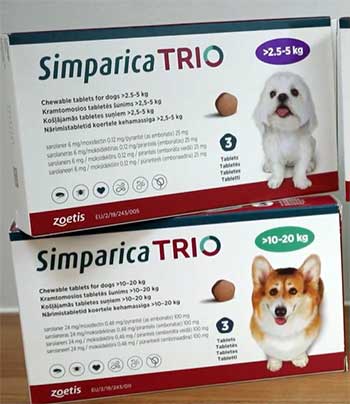
- All-in-one protection saves time and money on separate heartworm and deworming meds. One chew handles fleas, ticks, heartworm, roundworms, and hookworms, which means fewer pills to remember and lower overall hassle for you and your dog.
- Broad tick coverage includes six species, which gives peace of mind in regions with diverse tick populations and helps reduce the risk of diseases like Lyme or ehrlichiosis.
- Starts working reasonably fast and maintains effectiveness even if you are a day or two late with the next dose in some cases, offering a bit of flexibility.
- Suitable for very young puppies and smaller dogs, making it versatile for growing families or multi-dog homes with different sized pets.
- Many vets prescribe it as a top combo preventative because it simplifies compliance—owners are more likely to stay consistent when everything is bundled into one monthly treat.
- Liver flavor tends to be highly palatable; my dogs have never spit it out, and it makes dosing feel like giving a special snack rather than medicine.
- Helps prevent Lyme disease transmission by rapidly killing the responsible ticks before they can pass on the bacteria.
- Provides consistent monthly coverage that aligns well with regular wellness check routines at the vet.
Cons:
- Monthly dosing requires more discipline. If you travel frequently or have a chaotic schedule, remembering every 30 days can feel like a chore and increase the chance of accidental gaps in protection.
- Not evaluated for safety in pregnant or nursing dogs, so alternatives may be needed in those situations, which can complicate things for breeders or households expecting puppies.
- Potential for gastrointestinal upset like vomiting or diarrhea, especially when first starting. Rare neurologic signs such as tremors or seizures have been reported with isoxazoline-class drugs, so dogs with a history of seizures need close monitoring and veterinary guidance.
- Slightly higher ongoing cost when buying monthly packs compared to spreading out fewer Bravecto doses, although bulk purchases or subscriptions can help balance the expense.
- Requires consistent year-round use for full heartworm protection, with no built-in forgiveness for missed doses like some longer-acting options, meaning any lapse could leave your dog vulnerable during peak mosquito season.
When I first used a similar monthly combo, I appreciated how it covered multiple threats without extra pills. Yet I also learned to set phone reminders because missing one month left a noticeable gap in heartworm defense.
Pros And Cons of Bravecto
Pros:

- Exceptional convenience with 12-week protection for fleas and most ticks. You dose just four times a year, which reduces stress, improves compliance, and makes life easier for busy owners who dislike frequent medication routines.
- Fast flea-killing action starts in 2 hours, quickly stopping new infestations and helping clear existing ones from the environment over time, which can mean fewer fleas jumping around your house.
- Approved for pregnant and nursing dogs, offering valuable flexibility for breeding programs or households with expectant moms who want reliable flea and tick control without switching products.
- Highly palatable pork flavor that most dogs accept eagerly, often making the chew feel like a reward rather than a task.
- Strong efficacy against the Asian longhorned tick, an emerging concern in many areas, giving extra reassurance as tick ranges continue to expand.
- Fewer administrations mean less chance of dosing errors or resistance buildup from frequent handling, and it keeps your medicine cabinet simpler.
- Long duration provides steady protection even during busy seasons when schedules get hectic or vacations pull you away from home.
Cons:
- No heartworm prevention, so you still need a separate monthly or injectable product, which adds complexity, another reminder, and extra cost to your parasite control plan.
- Lacks coverage for intestinal worms, requiring additional dewormers as needed, especially if your dog is a scavenger or lives in areas with high worm prevalence.
- Higher minimum weight and age requirements limit use for tiny puppies or very small breeds, which can be frustrating if you have a young or petite dog.
- Longer interval might lead to less frequent vet check-ins or health monitoring, potentially allowing other issues to go unnoticed until the next scheduled dose.
- Similar rare neurologic risks as other isoxazolines; monitor closely if your dog has any history of seizures, and discuss alternatives with your vet if concerned.
- For lone star ticks, protection drops to 8 weeks, so in high-risk areas you may need more frequent dosing than the standard 12-week schedule suggests, reducing some of the convenience.
I tried a long-acting option once, and the freedom from monthly routines felt liberating at first. But I quickly realized I still needed heartworm coverage, which meant juggling two products anyway.
My Experience With Simparica Trio And Bravecto

From an analytical view, neither product is universally “better”—it depends on your dog’s needs, your location, and your routine.
If heartworm is a real threat where you live (and in many parts of the U.S. it is), Simparica Trio’s triple action makes it a smart, efficient choice.
The added worm control is a bonus that reduces the risk of zoonotic transmission to humans, especially households with kids.
Bravecto shines when simplicity and fewer doses matter most. Its longer protection can be a game-changer for owners who dislike medicating frequently or who have multiple dogs.
However, you will likely pair it with a separate heartworm preventative, which somewhat offsets the convenience.
Cost-wise, Simparica Trio often works out comparable or slightly higher per year when factoring in the all-in-one benefit, while Bravecto may appear cheaper upfront but requires extras. Both have good safety profiles for most dogs, with side effects usually mild and transient.
Always discuss your dog’s medical history with your vet, especially regarding neurologic concerns.
I weigh these factors by asking: Does my dog need heartworm and worm protection? How reliable am I with monthly tasks? What ticks are common locally? Answering those honestly points to the right fit.
Also Read: Is Jugbow Shock Collar Worth It?
Frequently Asked Questions (FAQ)
Vets often recommend it because it combines flea, tick, heartworm, and intestinal worm protection in one easy monthly chew, improving owner compliance and offering broad coverage.
Simparica Trio frequently ranks high as a top vet-prescribed combo preventative due to its comprehensive all-in-one formula.
It depends on packaging and retailer, but Simparica Trio’s monthly dosing can add up similarly or slightly higher annually compared to Bravecto’s fewer doses, especially when you factor in separate heartworm protection needed with Bravecto.
Yes, options like NexGard or Credelio offer monthly flea and tick protection, while Simparica (non-Trio version) provides similar isoxazoline action. None match Bravecto’s exact 12-week duration exactly, but they serve as strong alternatives depending on needs.
Wrapping It Up
After comparing Simparica Trio and Bravecto side by side, I see clear strengths in both. You get convenient long-lasting flea and tick control with Bravecto, ideal if you want to dose less often and your dog does not need heartworm coverage bundled in.
Or you choose Simparica Trio for its triple-action power that tackles fleas, ticks, heartworms, and worms all at once, perfect for comprehensive monthly peace of mind.
Ultimately, talk with your veterinarian about your dog’s age, weight, health history, and local parasite risks. What works wonderfully for one pup might need tweaking for another. I have found that staying consistent with whichever product you pick matters more than chasing perfection. Your dog relies on you to make the call that keeps them safe and happy all year round.
You now have a clear picture to move forward confidently. Protect your companion with the option that matches your lifestyle best, and enjoy those worry-free walks and play sessions together.