
As someone who’s spent countless weekends knee-deep in dirt, trying to turn patchy yards into lush green carpets, I’ve learned that soil choice can make or break your lawn.
In this article, I’ll break down Scotts Turf Builder Lawn Soil versus regular topsoil head-to-head, sharing what I’ve experienced firsthand to help you pick the right one for seeding, repairing, or maintaining your grass.
Whether you’re starting fresh or fixing bare spots, understanding these options will save you time, money, and frustration.
| Aspect | Scotts Turf Builder Lawn Soil | Regular Topsoil |
| Composition | Blend of sphagnum peat moss, composted materials, added fertilizer, and moisture agents | Natural mix of sand, silt, clay, and some organic matter; varies by source |
| Primary Use | Optimized for growing new grass, overseeding, patching, and light top dressing | General fill, leveling, building beds, or amending existing ground |
| Nutrient Content | Built-in starter fertilizer for quick root development | Minimal natural nutrients; often needs extra fertilizer |
| Texture and Drainage | Light, fluffy, retains moisture well but can feel mulchy | Denser, better long-term drainage but prone to compaction |
| Grass Growth Claim | Up to 50% thicker grass than native soil (per Scotts testing) | Depends on quality; supports steady growth but slower start |
| Common Issues | May contain wood pieces or sticks; breaks down over time | Can have rocks, weeds, or inconsistent quality |
| Price per Bag (approx.) | Higher (around $8–12 for 1–1.5 cu ft) | Lower (around $3–7 for similar volume) |
| Best For | Quick lawn establishment or repairs | Large-scale leveling or budget projects |
Key Differences Between Scotts Lawn Soil And Topsoil
- Purpose and Formulation: Scotts is engineered specifically for grass germination with additives; topsoil is general-purpose natural earth.
- Nutrient Delivery: Scotts has pre-added fertilizer timed for seedlings; topsoil relies on what nature (or you) provides.
- Texture and Weight: Scotts feels lighter and peat-based; topsoil is denser with minerals.
- Moisture Behavior: Scotts retains more initially; topsoil drains faster long-term.
- Cost Efficiency: Topsoil wins on price per volume; Scotts justifies cost with performance boosts.
- Decomposition Rate: Scotts organics break down faster, adding humus; topsoil changes little.
- Best Application Thickness: Scotts works in thinner layers for seeding; topsoil handles deeper fills.
- Root Development Speed: Scotts accelerates early roots; topsoil supports steady, deeper growth.
- Weed Risk: Scotts gives grass advantage to crowd weeds; topsoil might introduce them.
- Long-Term Stability: Topsoil maintains level better; Scotts may settle slightly.
- Ease for Beginners: Scotts simpler out of bag; topsoil often needs mixing.
- Environmental Breakdown: Scotts adds organic matter gradually; topsoil already balanced.
These differences really show when you match the product to your specific goal.
What Exactly is Scotts Turf Builder Lawn Soil?
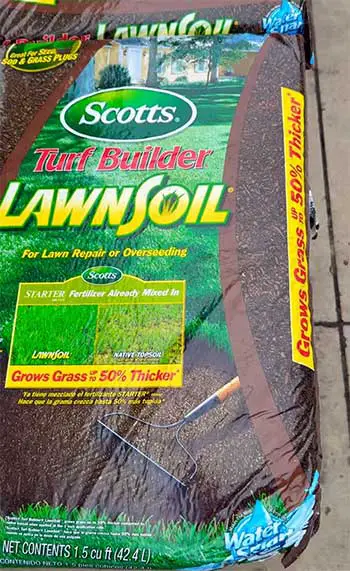
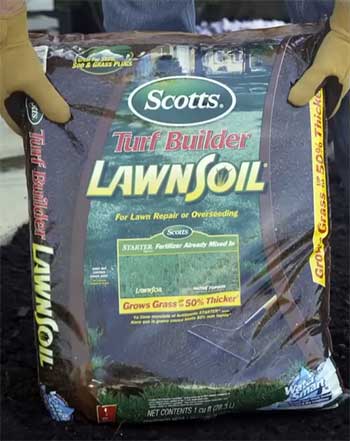
I’ve grabbed plenty of those green bags from the store when I needed fast results. Scotts Turf Builder Lawn Soil isn’t ordinary dirt—it’s a engineered mix designed specifically for grass.
It combines sphagnum peat moss for moisture retention, composted organic materials for structure, and a dose of starter fertilizer to feed new seedlings right away.
The fertilizer is a big deal because it includes nutrients that help roots establish quickly without burning tender grass. There’s also a wetting agent that helps water penetrate evenly, which I’ve noticed prevents dry pockets when seeding.
In my yard, I’ve used it for overseeding thin areas, and it creates this soft, inviting bed that seed loves to settle into.
It’s marketed for growing grass thicker and faster, and in controlled tests, Scotts claims up to 50% better results than plain native soil. From what I’ve seen, that holds up when you’re starting new grass or filling patches—the seedlings pop up stronger and fill in quicker.
Key Features of Scotts Turf Builder Lawn Soil
- Moisture Retention Boost: The peat moss holds water like a sponge, which means less frequent watering during germination. I’ve noticed this especially in hot summers—seedlings stay hydrated longer.
- Built-in Starter Fertilizer: Includes balanced nutrients specifically for new grass roots. No need for a separate application right away, which simplifies the process.
- Light and Fluffy Texture: Easy to spread and rake level. It feels almost airy when you work with it, making it forgiving for beginners.
- Organic Components: Composted materials add immediate organic matter, feeding microbes as they break down further.
- Wetting Agent Inclusion: Helps water absorb evenly, reducing runoff and dry patches that can kill new seed.
- Formulated for Thicker Growth: Designed to create ideal conditions for dense turf, with claims backed by company testing.
- Convenient Packaging: Ready to use straight from the bag—no mixing required.
- Supports Early Root Strength: The fertilizer promotes deeper roots faster, helping grass withstand stress like heat or foot traffic sooner.
I’ve appreciated how these features come together when time is short. For example, one fall I overseeded after aerating, and the lawn filled in noticeably thicker by spring.
Pros of Scotts Turf Builder Lawn Soil
- Speeds up germination and establishment dramatically—I’ve seen grass sprout days faster, often cutting a week off the usual timeline in my own yard tests.
- Reduces early watering needs thanks to superior moisture hold from the peat moss, meaning I could water every other day instead of daily during hot spells.
- Built-in fertilizer means one less step and less risk of over-feeding new seed, which is great when you’re juggling a busy schedule.
- Creates softer, more workable surface for raking seed in evenly, making the whole seeding process feel less like hard labor.
- Helps achieve denser turf quicker, especially in poor native soils where clay or sand dominates and normally stunts growth.
- Convenient for small to medium projects—no hauling bulk loads, just grab a few bags and go.
- Minimizes early weed competition by giving grass a head start, resulting in fewer spots I had to hand-pull later.
- Breaks down to add lasting organic matter over seasons, gradually improving the underlying soil structure.
- User-friendly for novices; the clear instructions and ready-to-use formula take the guesswork out.
- Often results in fewer bare spots returning the next year, giving a more uniform lawn with less ongoing patching.
These advantages really shine when you’re impatient for results like I usually am—nothing beats watching fresh green blades emerge quickly.
Cons of Scotts Turf Builder Lawn Soil
- Higher price point can add up on bigger jobs, sometimes doubling the cost compared to basic topsoil for the same area.
- Sometimes contains wood chips or sticks that need screening out, adding an annoying extra step before spreading.
- Organic material breaks down over time, potentially causing slight settling that requires minor touch-ups a season later.
- Not ideal as structural fill—too light and fluffy for deep holes or major grading where stability matters most.
- Mulchy texture can look odd initially if applied thick, taking a while to blend in visually until grass covers it.
- Fertilizer is timed for new grass; it doesn’t provide much ongoing benefit for already established lawns.
- Limited volume per bag means more trips to the store or more expense for larger areas.
- Quality consistency varies slightly by batch—some bags feel premium, others have more debris.
- Less mineral content than true soil for very long-term stability, so it relies more on your native ground underneath.
- Can dry out on the surface if not covered with seed and straw properly, leading to crusting in windy conditions.
While the drawbacks are manageable, they do make me think twice for budget or large-scale projects.
Understanding Regular Topsoil
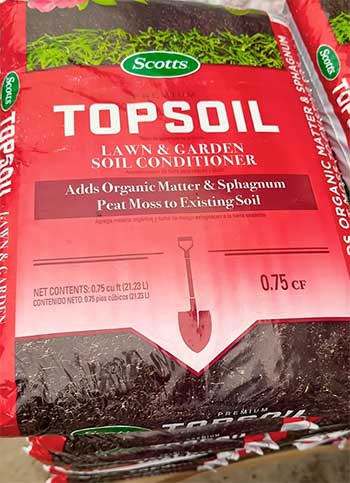
Topsoil feels more like what nature intended. It’s the upper layer of earth, usually screened to remove big debris, containing a natural blend of minerals, organic matter, and microbes. Quality varies wildly depending on where it’s sourced—some bags are rich and loamy, others feel heavy with clay or sandy.
I’ve hauled tons of it for bigger projects, like raising low spots or building up new lawn areas from scratch. It’s versatile because it mimics real ground, providing a stable base for roots to spread over time.
Good topsoil drains well naturally and builds soil health as microbes thrive, but it doesn’t come with built-in boosts. You often need to add your own fertilizer or compost to kickstart growth.
In my experience, it’s the workhorse for long-term lawn building rather than quick fixes.
Also Read: Is See Spot Run Lawn Protection Worth It?
Key Features of Regular Topsoil
- Natural Mineral Balance: Contains sand, silt, and clay in varying ratios, providing authentic soil structure that lasts.
- Microbe-Rich Environment: Often has beneficial organisms that improve long-term soil biology.
- Excellent Drainage Profile: Looser types prevent waterlogging, reducing disease risk in established lawns.
- Versatile Particle Sizes: Supports strong root penetration as grass matures.
- Cost-Effective Volume: Covers large areas affordably, ideal for major grading.
- Stable Base Layer: Doesn’t break down quickly, maintaining level over years.
- Adaptable to Amendments: Mixes easily with compost, sand, or fertilizer to customize.
- Real-World Durability: Mimics native ground, so grass transitions smoothly as it establishes.
These make topsoil my choice for foundational work. When I leveled my entire backyard, it provided a solid, even base that has held up beautifully.
Pros of Regular Topsoil
- Much more affordable, especially in bulk from local suppliers, stretching your dollar further on expansive lawns.
- Provides authentic, lasting soil structure that won’t shift or break down quickly over years.
- Better for large-scale leveling without sinking later—I’ve used it to fix major dips that stayed flat season after season.
- Natural drainage reduces root rot risks, particularly helpful in rainy climates or poorly draining yards.
- Builds real soil ecosystem over time as native microbes colonize and thrive.
- Versatile beyond lawns—great for gardens, raised beds, or any landscaping need.
- Holds amendments well for custom blends; I often mix in compost or sand to tailor it perfectly.
- Doesn’t require a breakdown period; it’s stable and ready from day one.
- Often available screened for fewer rocks, though quality checks are still wise.
- Supports mature grass strength as roots deepen naturally into the mineral-rich layers.
Its reliability and value make it the backbone of most of my bigger yard renovations.
Cons of Regular Topsoil
- Lacks immediate nutrients; grass starts slower without adding your own fertilizer or compost first.
- Can compact if heavy clay content is high, requiring aeration later to keep it loose.
- Variable quality means potential weeds, rocks, or debris that sneak through screening.
- Requires more watering early on since it doesn’t hold moisture as aggressively.
- Heavier to handle and spread, turning a simple job into a real workout with wheelbarrows.
- May need separate fertilizer applications timed carefully to avoid burning seed.
- Slower to show thick growth results—patience is definitely required here.
- Risk of introducing unwanted seeds or pests from the source material.
- Less forgiving for pure seeding projects where you want that instant boost.
- Drainage issues if poorly sourced sandy types wash away nutrients too fast.
These issues are why I always inspect bags or bulk piles carefully and plan amendments ahead.
- When I Choose Scotts Lawn Soil?
I reach for it whenever speed matters—new lawns from seed, fall overseeding, or patching dead spots. The built-in help for germination makes it worth the extra cost in those cases. If my native soil is compacted clay, it loosens things up beautifully.
- When I Choose Topsoil?
For leveling uneven yards, filling deep ruts, or any project needing bulk volume, topsoil is my pick. It’s also great when budget is tight or when establishing over large areas where long-term structure outweighs quick starts.
My Real-World Experiences
One spring, I tried both side-by-side on a divided backyard. Left side got Scotts for overseeding; right side straight topsoil plus separate starter fertilizer.
The Scotts side greened up faster and thicker by far—almost two weeks ahead. But by midsummer, both looked similar, with the topsoil side feeling firmer underfoot.
Another time, using Scotts for top dressing worked well in thin layers, but when I piled it thicker for leveling, it settled more than expected. Lesson learned—pair them sometimes. Now I often mix: topsoil base with Scotts on top for seed.
Also Read: Comparison of Love Your Soil And Milorganite.
Frequently Asked Questions (FAQ)
It depends on your goal. Lawn soil like Scotts excels for quick grass establishment; topsoil is better for structural, long-term builds.
A specialized blend of peat moss, compost, and starter fertilizer designed to grow thicker grass faster than native soil.
A balanced loamy mix with good drainage and organic matter—often achieved by quality topsoil amended or specialized lawn blends.
Yes, especially in thin layers for overseeding, as it provides nutrients and moisture while raking in easily.
Wrapping This Up
Looking back on all the bags I’ve emptied and lawns I’ve nursed along, I can say both Scotts Lawn Soil and topsoil have their places in my toolkit. If you’re after that fast, lush transformation and don’t mind the price, go with Scotts—you’ll see results that make you smile sooner.
But if you’re building something durable on a budget, trust good topsoil to carry you through seasons.
Whichever you choose, remember your lawn is a living thing. Give it the right foundation, consistent care, and it’ll reward you with that satisfying green expanse underfoot. You’ve got this—pick what fits your yard today, and enjoy watching it thrive.