
If you’re tired of joint pain from upright bikes or just want a comfortable way to get your cardio in without leaving home, the Schwinn 230 recumbent bike is a smart buy.
I’ve used mine for months now, and it delivers smooth, quiet rides that keep me motivated.
At its price point, it offers great value with solid features that make workouts enjoyable and effective. You owe it to yourself to invest in something that makes fitness feel easy and rewarding—go for the Schwinn 230.
My First-Hand Experience With The Schwinn 230

Let me take you back to when I unboxed my Schwinn 230.
The assembly wasn’t too bad—I managed it solo in about an hour and a half, though having a second pair of hands would speed things up.
Once it was together, I hopped on and immediately noticed how inviting the seat felt.
That contoured, ventilated backrest cradled me perfectly, and the padded seat didn’t leave me shifting around like some harder ones I’ve tried.
I started with a simple manual ride to get the feel. The pedals glided smoothly thanks to the perimeter-weighted flywheel, and even at higher resistance, there was no jerking or noise.
It’s whisper-quiet, which is perfect for early mornings or late nights when I don’t want to wake anyone. I love how the step-through design makes getting on and off effortless—no awkward leg lifts over a high bar.
Over the weeks, I’ve explored the 13 built-in programs. One day I’d do a hill climb simulation that gradually ramped up the challenge, leaving me sweaty but satisfied.
Another time, I set a goal for calories burned and let the bike track it all on the clear LCD display. It shows time, distance, speed, RPM, heart rate from the grip sensors, and more—everything I need without overwhelming me.
Bluetooth connectivity surprised me in the best way. I paired it with apps like Explore the World and Zwift on my tablet, placed right on the media shelf. Suddenly, I was pedaling through virtual scenic routes, feeling like I escaped my living room.
The 16 levels of magnetic resistance gave plenty of variety—from easy warm-ups to sessions that really pushed my legs.
At around 80 pounds assembled, it’s sturdy under me, even during intense pedaling, and the 300-pound capacity means it handles most users well. I move it occasionally using the transport wheels, and it’s not a hassle.
Overall, this bike turned my inconsistent workouts into a daily habit. I feel stronger, my knees thank me, and I actually look forward to riding. If you’re on the fence, trust me—it’s transformed how I approach fitness at home.
What I Love About The Schwinn 230?
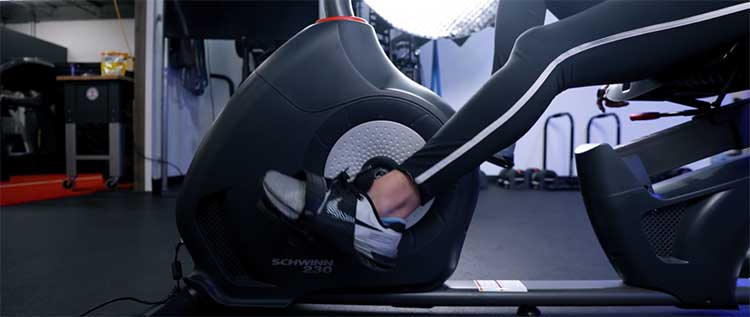
You know that feeling when something just clicks for your routine? That’s the Schwinn 230 for me. I’ve put in hundreds of miles on it, and certain things keep standing out every time I ride.
- Unmatched Comfort for Long Sessions The large, ventilated seat with lumbar support is a game-changer. I can pedal for an hour straight without my back aching or legs going numb. Unlike upright bikes that strain my posture, this one lets me lean back relaxed, focusing on the burn in my muscles instead of discomfort. The sliders make adjusting the seat position effortless, fitting me perfectly at 5’10”, and I’ve had friends of different heights try it with the same ease.
- Smooth and Silent Operation That high-inertia perimeter-weighted flywheel delivers pedaling that’s incredibly fluid. No matter the resistance level, transitions feel natural, mimicking a real road bike without the jolts. And the quietness? I ride while watching TV or on calls, and no one notices. Magnetic resistance means no wearing parts grinding away, keeping it consistent ride after ride.
- Variety Through Programs and Tracking With 13 preset programs, boredom isn’t an issue. I’ve done interval training that spikes my heart rate and recovery rides that ease me down. Goal tracking for calories, distance, or time pushes me to improve—I love seeing those numbers climb. The console displays everything clearly: speed, RPM, heart rate from the grips (accurate enough for zone training), and more. It motivates me to beat personal bests.
- Convenient Connectivity and Extras Bluetooth pairing with apps turns workouts into adventures. Pedaling through virtual worlds keeps my mind engaged on tougher days. The media shelf holds my tablet securely, and the water bottle holder is right there—no pausing to hydrate. Transport wheels make moving this 80-pound beast simple when I rearrange my space.
- Sturdy Build and Accessibility It feels rock-solid, no wobbles even when I push hard. The step-through frame is perfect for anyone with mobility issues—I appreciate it on days my knees are stiff. At a 300-pound capacity, it’s inclusive. For the price, the value very few bikes match this combination of reliability and features—it’s held up beautifully to my daily use.
These elements make every session enjoyable, building habits that stick. I’ve noticed better endurance and less joint pain overall.
Keeping Your Schwinn 230 Performing Like New
I’ve learned that a little regular care goes a long way with my Schwinn 230. Magnetic resistance means low upkeep compared to friction-based systems, but staying on top of basics ensures it stays smooth and reliable for years.
- Daily Wipe-Downs to Prevent Buildup After each ride, I grab a soft cloth and mild soap water to wipe the seat, handlebars, frame, and console. Sweat is corrosive over time, and this quick habit stops stickiness or odors. I avoid harsh cleaners that could damage plastics—gentle is key.
- Weekly Bolt and Connection Checks Vibration from pedaling can loosen things. Once a week, I go over the pedals, seat rail, stabilizers, and frame bolts with a wrench, tightening just enough to snug. I also inspect pedal straps for wear and ensure the seat slider moves freely.
- Dust and Debris Management Dust accumulates around the flywheel cover and under the bike. I vacuum underneath monthly and use compressed air on vents. Keeping it clean prevents any drag or odd noises.
- Environmental Considerations I store mine in a temperature-controlled room—extreme cold or heat can affect electronics. No garage storage for me after reading about potential malfunctions.
- Occasional Deep Cleans and Inspections Every few months, I check cables for fraying and the power cord for damage. If anything feels off, like slight resistance changes, I consult the manual for troubleshooting.
These routines take minutes but have kept my bike feeling factory-fresh. No major issues yet, and it performs consistently.
Simple Tips To Maximize Your Schwinn 230’s Lifespan
You invested in this bike, so protect it with easy habits. Here’s what works for me to keep rides smooth and trouble-free.

- Optimal Placement for Stability Put it on a flat surface with a mat underneath for grip and floor protection. Use the levelers to eliminate wobbles—stability prevents unnecessary stress on parts.
- Gentle Cleaning Techniques Stick to damp cloths; never spray liquids directly on the console or electronics. For tougher spots, a mild detergent works without harming finishes.
- Periodic Tightening and Lubrication Check all bolts quarterly. Though magnetic resistance needs no lube, if moving parts like the seat rail squeak, a silicone spray (as recommended) smooths them.
- Safe Power and Storage Practices Route the cord away from traffic. Unplug when not in use to avoid surges. Cover it if dusty, and avoid direct sunlight to prevent fading.
- Usage Guidelines for Longevity Stay within the 300-pound limit and don’t stand on pedals. For multiple users, set up profiles properly.
Follow these, and your 230 will reward you with years of reliable performance—mine has without a hitch.
The Downsides I’ve Noticed With The Schwinn 230
Nothing’s flawless, and after extensive use, I’ve hit some limitations with the 230 that you should consider.
- Seat Comfort on Extended Rides It starts great, but over an hour, the firmness shows. I’ve added a gel cover for cushion—wish it came softer stock.
- Basic Display Limitations No backlight means straining in low light. Buttons work fine, but it’s not touchscreen intuitive like pricier models.
- Resistance Ceiling for Advanced Users 16 levels suffice for me, but fitter folks might outgrow the max quickly, wanting more challenge.
- Plastic Components and Durability Concerns Lots of plastic holds up for home use, but I handle it carefully to avoid cracks. Not as tank-like as all-metal builds.
- Assembly and Initial Setup Hurdles Solo assembly can frustrate with alignments or connections. Some report electronic glitches if not perfect.
- Missing Modern Perks No built-in fan for cooling, and heart rate grips are decent but less precise than straps. Short cord might need an extension.
These don’t ruin it for me, but factor them in based on your expectations.
How The Schwinn 230 Stacks Up Against Other Brands?
- Schwinn 230 Vs. Schwinn 270: Choosing Between Siblings
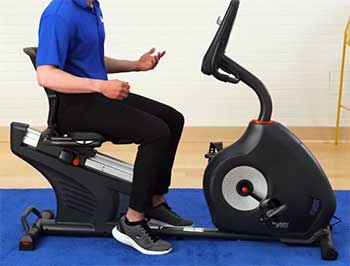
You and I both know Schwinn makes reliable bikes, and the 270 is basically the upgraded version of my 230.
It comes with 25 levels of magnetic resistance compared to my 16, giving you more room to grow as you get fitter.
The Schwinn 270 has more preset programs—around 29 versus my 13—and a backlit dual display that’s easier to read in any light.
Its seat feels a bit plusher, and it supports wireless heart rate monitoring.
If you’re an advanced rider or want those extra challenges without outgrowing the bike quickly, the 270 is the better pick. But for me, as someone who rides steadily but not at pro levels, the 230 provides plenty of intensity and smoothness at a lower price.
I save money without missing out on the core experience—quiet rides, app connectivity, and solid comfort. The 230 keeps things simple and effective, which suits my daily routine perfectly.
- Schwinn 230 Vs. ProForm 325 CSX: Budget Comfort Showdown
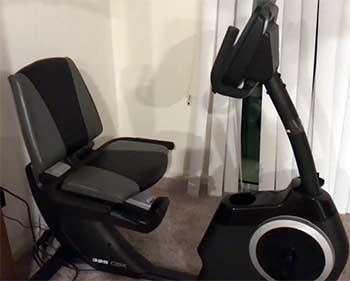
When I look at the ProForm 325 CSX, it’s clear we’re in the same affordable league, both around the entry-to-mid price range.
The ProForm offers more resistance levels—usually 22 or so—and iFit compatibility right out of the gate, which means interactive classes and auto-adjusting workouts if you subscribe.
It has a fan for cooling and often feels a tad more compact.
My Schwinn 230 holds its own with Bluetooth for apps like Zwift or Explore the World, no subscription required for basic virtual rides.
I find the seat on the 230 more supportive for longer sessions, with better ventilation and lumbar backing that cradles me just right. The ProForm is quiet and smooth too, but some users mention seat adjustments can be finicky.
If you love guided iFit sessions and don’t mind potential extra costs, the 325 CSX might edge ahead for motivation. For straightforward, no-fuss cardio with reliable tracking and comfort that doesn’t require add-ons, my 230 delivers more value day in and day out.
I’ve stuck with it because it feels built for consistent home use without gimmicks.
- Schwinn 230 Vs. Sole LCR: Value vs Premium Build
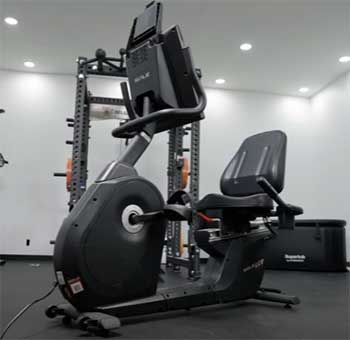
The Sole LCR steps into premium territory—it’s heavier at around 145 pounds with a 30+ pound flywheel and 40 resistance levels, making pedaling ultra-smooth and challenging even for serious athletes.
It has a big 10.1-inch touchscreen, Bluetooth speakers, a fan, wireless charging, and app integration without forcing subscriptions.
The build is light-commercial grade, super sturdy with a higher weight capacity.
My Schwinn 230 is lighter and more affordable, perfect for casual to intermediate users like me. It doesn’t have the touchscreen or extras, but the magnetic resistance feels natural, and Bluetooth lets me pair with my favorite apps on a tablet shelf.
The Sole shines for heavy daily use or shared family setups—it’s built to last longer under stress.
If budget allows and you want that gym-quality feel with modern perks, the LCR is worth the splurge; it handles intense sessions effortlessly.
But for most home riders seeking comfort, quiet operation, and effective workouts without overpaying, the 230 gives you everything essential. I’ve logged hundreds of miles happily, proving you don’t need premium pricing for real results.
Frequently Asked Questions (FAQ)
The 270 offers more resistance levels, programs, and a better display, making it superior for advanced users.
Yes, they provide reliable, comfortable low-impact cardio with solid build quality for home use.
It weighs about 80 pounds assembled.
They take more space, engage less upper body, burn fewer calories than uprights, and limit high-intensity efforts.
Final Thoughts
If you’re seeking a reliable, comfortable recumbent that makes cardio sustainable without gimmicks or high costs, the Schwinn 230 is worth your investment.
I’ve seen real improvements in my fitness and mood from consistent use—it’s easy on the body yet effective. You deserve a bike that fits your life seamlessly; the 230 does just that.