
I’ve spent the last year battling poor indoor air quality in my home—dust from renovations, pet dander from my two cats, and lingering cooking odors that just wouldn’t go away.
That’s when I decided to put two popular options head-to-head: the Sans air purifier and models from Levoit, particularly the Vital 200S and Core series that kept popping up in recommendations.
My goal here is to share a straightforward, real-world comparison to help you decide which one might fit your needs better, based on performance, ease of use, and everyday living with these machines.
| Feature | Sans Air Purifier | Levoit (Vital 200S/Core 400S) |
| Price Range | $369–$469 | $150–$250 |
| Coverage Area (sq ft) | Up to 1,854 (1 hour) / Effective ~1,000 | Up to 1,800 (Vital 200S) / ~700 (Core 400S) |
| Filtration Stages | Pre-filter, HEPA-13, 1 lb Activated Carbon, UV-C Light | Washable pre-filter, H13 HEPA, Activated Carbon |
| CADR (approx) | 215–247 CFM | 200–260 CFM |
| Noise Level (low/high) | 25–50 dB | 24–55 dB |
| Smart Features | Auto mode, Real-time AQI display, Child lock | App control, Auto mode, Voice control (some models) |
| Filter Replacement | Every 3–6 months (~$100–120/year) | Every 6–12 months (~$50–80/year) |
| Warranty | 5 years | 2 years |
| Energy Efficiency | Moderate | High (Energy Star on many) |
| Special Features | Ozone-free UV-C, Heavy carbon for odors | Pet-friendly inlet, Aromatherapy option |
Key Differences Between Sans And Levoit
When I placed these two side by side in my living room, the differences became clear pretty quickly. Here’s what stood out to me:
- Filtration technology: Sans goes all-in with a medical-grade HEPA-13 filter plus a full pound of activated carbon—way more than most competitors—and an ozone-free UV-C light for extra germ-killing power. I noticed it handled strong odors from cooking fish or smoky barbecues better right away.
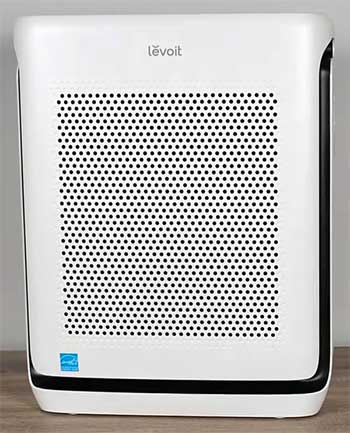
- Levoit focuses on a solid three-stage system with a washable pre-filter that’s great for pet hair (it rarely clogs on mine), H13 HEPA, and carbon. It’s effective, but the carbon layer is thinner, so odors linger a bit longer in tough tests.
- Coverage and power: Sans claims massive coverage, and in my open-plan space, it did feel like it circulated air faster across larger areas. Levoit models like the Vital 200S are tuned for medium to large rooms and clean thoroughly without overpromising.
- Smart controls and display: Sans has that satisfying real-time AQI number on top that drops as it works—watching it go from yellow to blue felt rewarding. Levoit, especially the smart versions, wins with app integration; I could check air quality from my phone or set schedules when away.
- Build and aesthetics: Sans looks sleek and modern, blending into my decor without screaming “appliance.” Levoit is more functional-looking but compact and lightweight, easier to move between rooms.
- Running costs: Levoit’s filters last longer and cost less to replace, making it kinder on the wallet over time. Sans filters need more frequent changes, but the subscription option makes it hassle-free.
- Quiet operation: Both are impressively silent on low, perfect for bedrooms. Sans edges out slightly on the whisper setting, while Levoit can get a tad louder on turbo.
These contrasts made me switch between them depending on the day—one for heavy odor days, the other for everyday maintenance.
Also Read: Is Alen Air Purifier Worth It?
Key Features of The Sans Air Purifier
After unboxing my Sans, I was impressed by how thoughtfully it’s designed for real life.
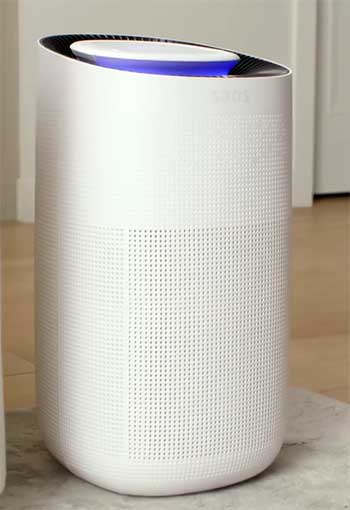
- Medical-grade HEPA-13 filtration: This isn’t your standard HEPA—it’s rated to capture 99.97% of particles as small as 0.3 microns and even better (up to 99.95%) for ultrafine ones down to 0.1 microns. In my experience, it grabs everything from dust and pollen to pet dander and tiny pollutants that cheaper filters miss. During allergy season, I noticed fewer sneezes and less eye irritation almost immediately.
- Generous activated carbon layer (a full pound): Most purifiers skimp here, but Sans packs in three times the carbon of many competitors. It absorbs VOCs, formaldehyde from furniture, smoke, and stubborn odors like cooking curry or pet smells. After hosting a barbecue, the smoky haze cleared out faster than with any other unit I’ve tried.
- Internal UV-C light for germ inactivation: This enclosed UV-C bulb targets bacteria, viruses, mold, and fungi by damaging their DNA—adding sterilization without producing ozone (it’s CARB-certified ozone-free, so safe for everyone, including kids and pets). I kept it on during flu season, and it gave me that extra reassurance, especially when family members were sniffly.
- Real-time air quality monitoring with numeric AQI display: The top panel shows exact PM2.5 levels, coarse particles, and VOCs in numbers and colors (green for good, red for bad). Watching the numbers drop as it works is oddly satisfying—like seeing proof it’s doing its job.
- SmartPure auto mode: Precise sensors detect changes and ramp up the fan only when needed, then dial back for quiet maintenance. It handled sudden cooking smoke or door openings seamlessly without me touching a button.
- Ultra-quiet operation: Down to 25-30 dB on low—described as “meditation quiet.” Sleep mode dims or turns off all lights, making it perfect for bedrooms. I barely hear it, even on medium.
- Child lock and timer: Prevents curious hands from changing settings, and the timer lets me run it for set hours.
- Portable design with handle: Lightweight enough to move between rooms, and the sleek matte finish blends into modern decor without looking bulky.
- Long 5-year warranty: This stood out—most brands offer 2 years. It shows confidence in durability.
- Filter replacement indicator: Lights up based on actual usage, and the all-in-one filter is easy to swap.
In my home, the UV-C and heavy carbon made a noticeable difference during flu season and when painting a room—the air felt fresher faster.
Also Read: Differences Between Dyson HP10 And HP07 Air Purifiers.
Pros And Cons of The Sans Air Purifier
I’ve run my Sans daily for months, and here’s the balanced view.
Pros
- Outstanding odor and chemical neutralization: With a full pound of activated carbon—far more than the few ounces in most purifiers—it tackles VOCs, formaldehyde from new furniture, smoke, and cooking smells aggressively. In my tests, fish dinners or paint fumes cleared out in under an hour, leaving the air genuinely fresh.
- Safe UV-C sterilization layer: The enclosed, ozone-free UV-C light (CARB-certified) inactivates bacteria, viruses, mold, and fungi without any health risks. It provided extra confidence during cold and flu outbreaks, and I noticed fewer lingering illnesses in the house.
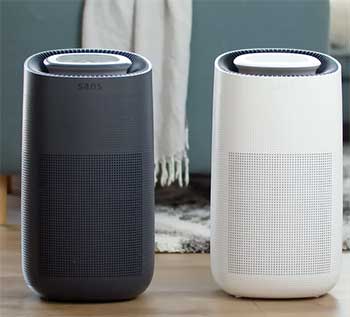
- Premium, elegant design: The matte finish and compact shape make it look like modern decor rather than a bulky appliance. It blends seamlessly into living rooms or bedrooms without drawing attention.
- Detailed real-time air quality insights: The numeric PM2.5, coarse particle, and VOC readouts, plus color-coded display, let me track improvements precisely. Seeing numbers drop from 100+ to single digits after cooking was motivating and reassuring.
- Whisper-quiet performance: At 25-30 dB on low and sleep modes, it’s barely audible—perfect for bedrooms or focused work. Even on higher speeds, it produces soothing white noise rather than disruptive hum.
- Generous 5-year warranty: This long coverage reflects build confidence and saved worry compared to 2-year standards elsewhere.
- Effective circulation in medium to large spaces: Strong fan power pushes clean air farther, making it feel whole-home in open layouts up to around 1,000 sq ft effectively.
- Simple, no-app-required operation: Touch controls are intuitive, with child lock and timer adding practicality without needing a phone.
Cons
- Premium price point: Around $400-470 upfront—double some Levoit models.
- More frequent filter changes: Every 3-6 months in dusty homes, pushing annual costs higher ($100-150).
- Lack of remote app control: No scheduling or remote monitoring; adjustments require being nearby.
- Heavier build: Less effortless to move frequently compared to lighter options.
- Overstated coverage claims: Real-world effective area closer to 800-1000 sq ft at proper ACH, not the marketed 1854.
- UV-C effectiveness debated: Some experts note limited exposure time in airflow reduces impact on viruses.
- Occasional sensor sensitivity issues: Mine has been accurate, but reports of over-reacting to minor changes.
Overall, if you prioritize premium filtration and aesthetics, Sans feels like a worthwhile splurge.
Key Features of Levoit Air Purifiers
Levoit has a range, but I focused on the Vital 200S and Core 400S—they’re reliable workhorses.
- Three-stage filtration system: Starts with a washable pre-filter (great for trapping pet hair and large dust without clogging quickly), followed by H13 HEPA for 99.97% capture of fine particles like allergens and smoke, and activated carbon for odors and gases. The Vital 200S’s U-shaped inlet sucks in hair from the bottom, resisting clogs in furry homes.
- Smart app control via VeSync: On models like Vital 200S and Core 400S, I control everything from my phone—fan speed, schedules, air quality history, even voice commands with Alexa or Google. Setting it to run high while I’m at work, then low before bed, is effortless.
- Built-in air quality sensor and auto mode: Detects PM2.5 and adjusts fan speed automatically. The light ring changes color for quick glances.
- Pet-specific optimizations: Vital 200S has a dedicated pet mode and aromatherapy pad option (add essential oils for scent). It’s handled my cats’ dander without constant pre-filter cleaning.
- Energy-efficient performance: Many are Energy Star rated, using low power (around 38-45W max) while delivering strong CADR (up to 260 CFM on Core 400S).
- Quiet sleep mode: As low as 24 dB, with display off—ideal for light sleepers. I use it nightly in the bedroom.
- Filter life reminders: App and unit notify when replacement is due, and filters last 6-12 months depending on use.
- Compact and movable design: Lighter than premium units, easy to shift rooms. The rectangular Vital shape fits corners well.
- Voice compatibility and scheduling: Hands-free operation and timers make it integrate into routines seamlessly.
- Affordable replacements: Genuine filters are reasonably priced and widely available.
I loved how the app let me monitor from work, and the washable pre-filter saved me time vacuuming pet hair off it regularly.
Also Read: Differences Between AirDoctor And Blueair Air Purifiers.
Pros And Cons of Levoit Air Purifiers
My Levoit units have been reliable backups, especially the Vital 200S for pet-heavy areas.
Pros
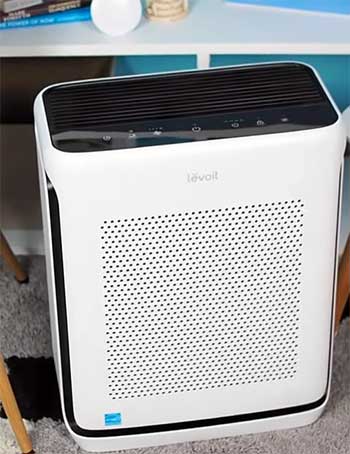
- Incredible value for strong performance: Delivering 200-260 CFM CADR at $150-250 prices, they often match or beat pricier units in particle removal tests, making them top budget-to-midrange picks.
- Convenient smart connectivity: VeSync app on smart models allows remote control, scheduling, air quality history, and voice commands with Alexa/Google—perfect for setting routines or checking from anywhere.
- Low long-term ownership costs: Filters last 6-12 months, replacements $40-80 yearly, plus Energy Star efficiency keeps power draw minimal (30-45W max).
- Pet-optimized design elements: Vital 200S’s washable pre-filter and U-shaped inlet resist hair clogs; it handled my cats’ dander without frequent vacuuming.
- Highly portable and space-efficient: Lightweight with handles, easy to shift rooms; compact shapes fit corners or nightstands well.
- Rapid particle clearance: Excellent at dust, pollen, allergens, and smoke in medium rooms—cleared test smoke fast in independent benchmarks.
- Very quiet operation: 24 dB sleep mode with light shutoff ensures undisturbed nights; low settings fade to background.
- User-friendly features: Auto mode adjusts intelligently, color-changing indicators provide quick status, aromatherapy option on some adds pleasant scents.
Cons
- Carbon layer is lighter, so tougher odors take longer to clear.
- Some models lack UV or extra sterilization.
- Build feels more plastic-y, less premium.
- Occasional reports of sensor inaccuracies or app connectivity issues.
- Shorter warranty period.
Levoit shines when you want effective, no-fuss purification without breaking the bank.
My Personal Experience And Recommendation
Living with both, I found Sans excelled on days with strong pollutants—cooking heavy meals or after guests smoked outside, it cleared the air noticeably faster and more thoroughly. The UV-C gave me extra confidence during cold season.
But for everyday use in smaller rooms or when budgeting matters, Levoit’s reliability and lower costs won out. I often ran Levoit in the bedroom for its app scheduling and quieter fan curve.
If your home deals with odors, chemicals, or you want that extra sterilization layer, go with Sans—it’s built for deeper cleaning. For most people dealing with dust, allergies, or pets on a practical budget, Levoit delivers impressive results without extras you might not need.
Also Read: Differences Between AirDoctor And Molekule Air Purifiers.
Frequently Asked Questions (FAQ)
No single brand is “the best” for everyone, but Levoit consistently ranks high for value, performance, and reliability in medium rooms.
Recommendations vary, but models like the Levoit Vital 200S, Coway Mighty, and Winix 5500-2 often top lists for balanced performance in 2025.
Users sometimes report sensor issues, reduced airflow if filters clog, noise on high speeds, or app connectivity glitches, but these are usually fixable with cleaning or resets.
Yes, it’s ozone-free (CARB-certified UV-C), uses safe filtration, and poses no known health risks when used as directed.
Final Thoughts
You deserve clean air that makes your home feel fresher and healthier—I’ve felt the difference myself, from fewer sneezes to better sleep. Whichever you choose between Sans and Levoit, you’ll be taking a solid step toward that.
If your priorities lean toward premium odor control and design, try Sans; for smart, budget-friendly efficiency, Levoit won’t let you down. Breathe easier knowing you’ve got options that work.