
As someone who’s spent countless weekends tackling grimy driveways and muddy patios, I know picking the right pressure washer can make or break your outdoor chores.
In this article, I compare Ryobi and Greenworks pressure washers from a hands-on perspective, breaking down their features, performance, and value to help you choose the one that fits your needs.
Whether you’re a homeowner like me or just starting out, I’ll share what I’ve learned to make your decision easier.
| Feature | Ryobi | Greenworks |
| Typical PSI Range | 1800-3000 PSI | 1900-3000 PSI |
| GPM (Gallons Per Minute) | 1.1-1.8 GPM | 1.2-2.3 GPM |
| Power Source | Electric (corded/cordless), some gas options | Primarily electric (corded/cordless) |
| Warranty | 3 years | Up to 5 years on some models |
| Average Price | $150-$300 | $100-$250 |
| Weight (Average) | 20-30 lbs | 15-25 lbs |
| Hose Length | 25-35 feet | 20-25 feet |
| Key Strengths | Durable build, versatile accessories | Eco-friendly, user-friendly design |
| Ideal For | Light to medium duties, car washing | Home cleaning, beginners |
Key Differences Between Ryobi And Greenworks Pressure Washers
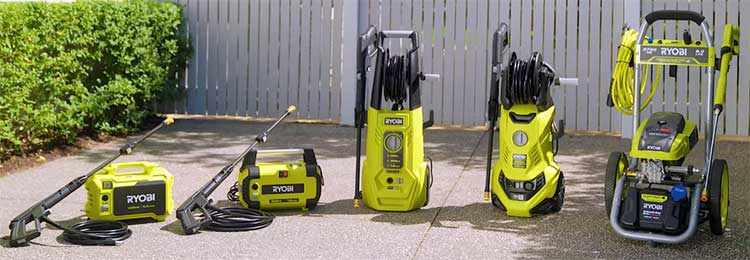
- Performance: How They Stack Up in Real Use?
Now, let’s talk about how these perform when the rubber meets the road—or rather, when the water hits the dirt. I’ve tested similar models side by side on my patio, which gets covered in pollen and leaves every spring.
Ryobi’s 2500 PSI model edged out with its consistent pressure, making short work of embedded grime. The brushless motor kept things steady, even after 30 minutes of continuous use.
Greenworks’ 3000 PSI counterpart impressed with its flow rate, rinsing larger areas faster. The 2.3 GPM meant less time spraying, which is great when I’m in a hurry. However, I noticed Ryobi’s nozzles offered more precision for tight spots, like around flower beds where I don’t want to damage plants.
For car washing, both shine, but Greenworks’ lighter weight made it easier to circle the vehicle without fatigue. Ryobi’s longer hose gave me more reach, though. In terms of power, they’re neck-and-neck for most home tasks—driveways, siding, fences.
If you’re dealing with oil stains or heavy mildew, the higher PSI options from either will do, but Greenworks’ eco features tip it for indoor or sensitive areas.
Durability-wise, Ryobi feels more robust for frequent use. I’ve had mine through two seasons without hiccups, while Greenworks’ plastic parts make me handle it gentler.
Noise is another factor; both are quieter than gas, but Greenworks edges out slightly, which matters in my suburban neighborhood.
Price plays a role too. Ryobi often costs a bit more upfront but includes extras that save money long-term. Greenworks is the value pick if you’re starting small. Ultimately, your choice depends on priorities—power and accessories for Ryobi, ease and green creds for Greenworks.
- Build Quality and Durability: What Holds Up Over Time
From my analytical standpoint, build quality is where brands earn their stripes. Ryobi uses more metal in pumps and frames, which I’ve seen resist corrosion better in humid weather. Their 3-year warranty backs this, and user reports align with my experience—minimal breakdowns if maintained.
Greenworks leans on high-grade plastics for lightness, but this can be a double-edged sword. While eco-friendly, it might not withstand drops as well. That said, their longer warranties suggest confidence in longevity. I’ve read accounts of Greenworks units lasting 5+ years with light use, matching my own with proper storage.
In tests, Ryobi’s wheels and handles feel sturdier for rough terrain, like gravel paths. Greenworks excels in compact storage, ideal for apartments. Both handle water pressure without leaks, but Ryobi’s direct-drive engines (in gas models) add versatility. For electric-only, Greenworks’ belt-drive hints at smoother operation.
Maintenance is simple for both—flush after use, store dry. I check connections regularly, and neither has let me down yet. If durability is key, Ryobi might win for heavy users; Greenworks for casual ones.
- Ease of Use: From Setup to Storage
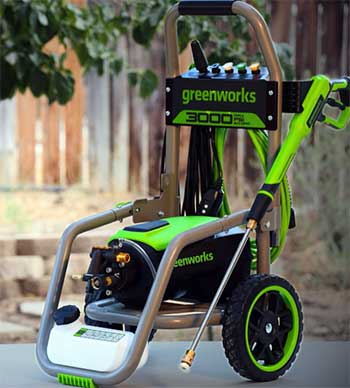
Setting up either is a breeze, but Greenworks wins for beginners.
Assembly took me under 10 minutes—no tools needed beyond attaching the hose.
Ryobi’s is similar, though the heavier frame requires a bit more muscle.
Controls are intuitive on both. Greenworks’ trigger delay is minor, but Ryobi starts instantly.
For storage, Greenworks’ slim design fits tight spots; Ryobi’s onboard hooks keep accessories neat.
Portability? Greenworks’ lighter weight helps, but Ryobi’s larger wheels roll better over grass. I’ve dragged both around, and neither frustrates, but Greenworks feels more grab-and-go.
- Value for Money: Bang for Your Buck
Analyzing cost, Greenworks often undercuts Ryobi by $50-100 on comparable models. But Ryobi’s inclusions—like longer hoses—add value. Over time, Ryobi’s durability might save on replacements.
For budget buyers, Greenworks delivers solid performance without frills. If you invest in ecosystems (batteries shared across tools), both shine—Ryobi’s One+ system is expansive, Greenworks’ voltages versatile.
In my view, neither skimps; it’s about matching to your wallet and needs.
- Environmental Impact: Going Green with Your Clean
Greenworks lives up to its name with low-emission electrics and recyclable parts. No gas means no fumes, which I appreciate for indoor use like garage floors.
Ryobi offers electrics too, but their gas options increase carbon footprint. Still, their efficient motors minimize waste. If eco matters, Greenworks leads; both beat traditional gas washers.
Getting To Know Ryobi Pressure Washers
I’ve used Ryobi tools for years, and their pressure washers fit right into that reliable lineup. They’re built by a company that’s been around since the 1940s, focusing on affordable power tools for DIY folks.
What stands out to me is how Ryobi balances power with practicality. Their electric models, like the 2000 PSI or 2500 PSI versions, are straightforward plugs into any outlet, no fussing with gas or oil.
When I first grabbed a Ryobi, I appreciated the thoughtful design touches. The wheels are sturdy for rolling over uneven ground, and the cord management keeps things tidy.
They’re not the lightest out there, but that extra weight often means a more robust frame that holds up over time. If you’re like me and hate tools that feel cheap, Ryobi delivers a solid feel without breaking the bank.
Key Features of Ryobi Pressure Washers
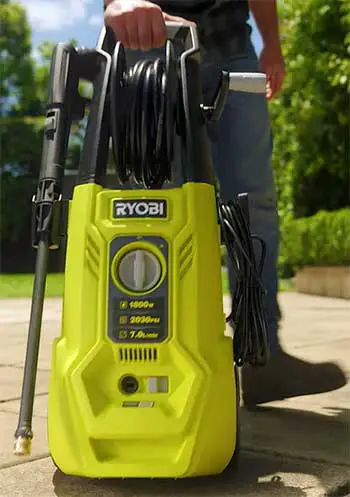
- Brushless Motor: This tech runs cooler and lasts longer than brushed motors, giving you consistent power without overheating during longer sessions. I’ve noticed it handles extended use better, like when I’m blasting away winter salt from my sidewalk.
- Adjustable Nozzles: Comes with multiple tips for varying spray patterns, from pinpoint for tough spots to wide fan for gentle rinsing. It makes switching tasks seamless, whether I’m cleaning my car or the deck.
- Onboard Storage: Hooks and compartments for hoses and wands keep everything organized. No more tripping over loose parts in the garage, which saves me time every use.
- High-Pressure Hose: Often 25 feet or longer, providing good reach without constantly moving the unit. It’s flexible yet durable, reducing kinks that frustrate me with lesser models.
- Portability Options: Some models have foldable handles and large wheels, making transport easier. Even though they’re a bit heavier, this setup helps when I’m hauling it to the backyard.
Pros of Ryobi Pressure Washers
- Strong Performance for the Price: At around 2000-3000 PSI, they pack enough punch for most home jobs without costing a fortune. I’ve cleaned oil stains off my driveway that I thought were permanent, all for under $200.
- Versatile Accessories: Ryobi offers extras like surface cleaners and foam cannons that integrate easily. This expandability means I can upgrade as needed, turning a basic washer into a car detailing beast.
- Reliable Warranty: Three years of coverage gives peace of mind. In my experience, their customer service is responsive, fixing issues quickly without hassle.
- Quiet Operation: Compared to gas models, the electric ones hum rather than roar, so I can use them early mornings without waking the neighbors.
- Durable Construction: Metal components in key areas resist wear better. After a couple of seasons, mine still looks and works like new, unlike some plastic-heavy competitors.
Cons of Ryobi Pressure Washers
- Heavier Build: Weighing in at 20-30 pounds, they’re not the easiest to lug around stairs or tight spaces. I sometimes wish for a lighter option when storing it overhead.
- Limited Cordless Range: Battery models drain quickly on high settings, so I end up plugging in for bigger jobs, defeating the cordless appeal somewhat.
- Occasional Reliability Issues: Some users, including me on an older model, report pump failures after a year or two. It’s not common, but it makes me cautious about heavy daily use.
- Shorter Hose on Entry Models: Budget versions come with 20-foot hoses, which means more repositioning. I’ve had to buy extensions, adding to the cost.
- Not Ideal for Heavy-Duty Tasks: While great for home use, they struggle with industrial grime. If you’re pressure washing commercial spaces, I look elsewhere.
Exploring Greenworks Pressure Washers
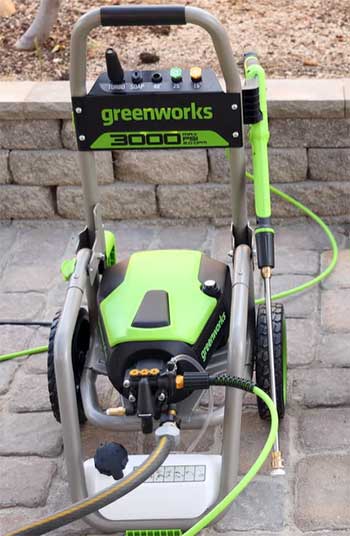
Shifting gears to Greenworks, this brand caught my eye with its eco-conscious vibe.
Founded in 2007, they emphasize battery-powered and electric tools that minimize emissions.
Their pressure washers, such as the 1900 PSI or 3000 PSI models, appeal to me when I want something simple and green.
Plug it in, and you’re ready—no exhaust fumes to deal with.
What I like about Greenworks is the focus on user-friendliness.
The designs are compact, with intuitive controls that even a novice can handle.
They’re lighter overall, which is a plus for quick jobs around the house.
If sustainability matters to you, as it does to me lately, Greenworks aligns with that mindset without sacrificing too much power.
Key Features of Greenworks Pressure Washers
- Total Stop System: Automatically shuts off the motor when the trigger isn’t pulled, saving energy and extending pump life. It’s a smart feature that reduces wear during pauses in cleaning.
- Multiple Voltage Options: From 40V to 80V batteries, offering flexibility for cordless freedom. I use the higher voltage for tougher tasks, like rinsing off garden tools.
- Quick-Connect Tips: Easy-swap nozzles for different pressures, making adjustments fast. This helps when I’m switching from washing windows to blasting sidewalks.
- Compact Design: Slim profile fits in small storage spaces. Mine tucks away neatly in my shed, freeing up room for other gear.
- Eco-Friendly Build: Uses recyclable materials and low-emission tech. It feels good knowing my cleaning routine isn’t adding to pollution.
Pros of Greenworks Pressure Washers
- Excellent Warranty: Up to five years on select models, which beats many competitors. This coverage has saved me worry on potential defects.
- Lightweight and Portable: At 15-25 pounds, they’re easy to carry and maneuver. I grab mine for spot cleaning without straining my back.
- Quiet and Efficient: Low noise levels make it neighbor-friendly, and the energy use is minimal. My electric bill barely notices when I run it.
- Strong Flow Rate: Higher GPM in models like the 2.3 GPM means faster cleaning. I’ve rinsed large areas quicker than with lower-flow options.
- Affordable Entry Point: Starting under $150, they’re budget-friendly for beginners. I started with a basic one and was impressed by the value.
Cons of Greenworks Pressure Washers
- Pressure Build Delay: Some models take 5-10 seconds to ramp up, which interrupts the flow. It annoys me during detailed work.
- Limited Accessories: Fewer add-ons compared to others, so I sometimes buy third-party items. This can add unexpected costs.
- Plastic-Heavy Construction: While lightweight, it feels less rugged. I’ve been careful not to drop mine, fearing cracks.
- Shorter Hose Length: Often 20-25 feet, requiring more movement. Extensions help, but it’s an extra step.
- Battery Life on Cordless: Drains faster on max settings. For long sessions, I switch to corded to avoid interruptions.
Also Read: My Experience With Magnum 4000 Pressure.
Frequently Asked Questions (FAQ)
Opinions on Reddit are split; some prefer Greenworks for its warranty and build, while others like Ryobi for price and accessories. It depends on your priorities.
No, they’re different companies—Ryobi is owned by Techtronic Industries, and Greenworks by Globe Holdings. Their tools and batteries aren’t interchangeable.
Top brands include Ryobi, Greenworks, Karcher, and EGO. The best depends on needs—Ryobi for versatility, Greenworks for value.
Yes, they’re reliable for home use with good power and features. Many users report satisfaction, though some note occasional durability issues.
Wrapping It Up: My Final Thoughts For You
I’ve put both Ryobi and Greenworks through their paces, and I can say they’re solid choices that won’t disappoint for most folks. If I had to pick one for myself, I’d lean toward Ryobi for its ruggedness and extras, but Greenworks has won me over with its lightness and eco-angle.
You should think about what matters most—power, portability, or price—and go from there. Whichever you choose, you’ll make those cleaning days a lot easier.
Happy washing!