
As a home cook who’s spent years experimenting in the kitchen, I’ve always been drawn to tools that make meals healthier and easier.
In this article, I compare Royal Prestige and Princess House cookware from my analytical viewpoint, highlighting their strengths and weaknesses to help you choose the right set for your daily routines.
We’ll look at features, performance, and value through a real user’s lens.
| Aspect | Royal Prestige | Princess House |
| Material | T-304 or T-316 surgical-grade stainless steel with multi-ply (up to 5-ply) construction including aluminum and sometimes copper layers for superior heat conduction. | 18/10 stainless steel with tri-ply or 5-ply bases, aluminum core for even heating; some lines include non-stick coatings or ceramic options. |
| Cooking Style | Waterless and greaseless cooking to retain nutrients; Redi-Temp valve signals optimal temperature. | Healthy cooking with Nutri-Steam valve in Vida Sana line for steam-sealed meals; options for low-water cooking and non-stick surfaces. |
| Warranty | 50-year limited warranty covering manufacturing defects. | Lifetime warranty on select stainless steel pieces; varies by product line. |
| Price Range | High-end, sets often $2,000–$4,500; individual pieces $100–$500+. | More affordable, sets $500–$1,500; individual pieces $50–$300. |
| Distribution | Sold through independent distributors via in-home demonstrations. | Direct sales through consultants, often at home parties. |
| Compatibility | All cooktops including induction; oven-safe up to 400°F. | All cooktops including induction; some oven-safe up to 350–400°F. |
| Key Lines | Innove, Novel, Deluxe Easy Release, Pressure Cooker. | Vida Sana, Princess Heritage Tri-Ply, Healthy Cook-Solutions. |
| User Focus | Emphasizes nutrient preservation and professional-grade durability for health-conscious families. | Blends elegance with functionality for everyday entertaining and family meals. |
Key Differences Between Royal Prestige And Princess House
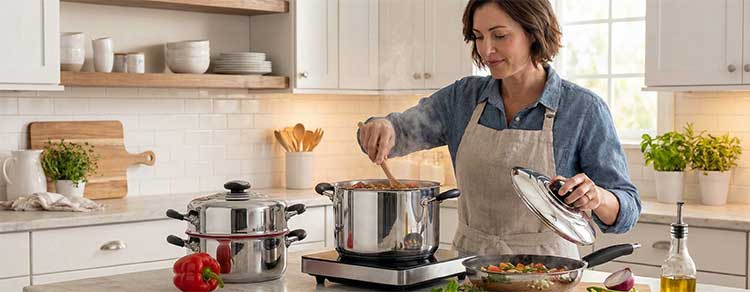
Here’s where the two diverge, based on my side-by-side tests.
- Material Quality: Royal Prestige uses surgical-grade steel for superior corrosion resistance, while Princess House’s 18/10 is reliable but not as advanced. In acidic tests, Royal held up better without flavor transfer.
- Construction Ply: Royal’s 5-ply full-body vs. Princess’s tri-ply bases—Royal heats sides more evenly for braises.
- Health Tech: Both have valves, but Royal’s Redi-Temp is more precise; Princess’s Nutri-Steam is simpler but less consistent in signaling.
- Price Point: Royal is luxury-tier, Princess mid-range—Royal for investment, Princess for starters.
- Warranty Length: 50 years vs. lifetime on select; Royal covers more comprehensively.
- Design Focus: Royal prioritizes function, Princess aesthetics—Royal for pros, Princess for hosts.
- Weight and Handling: Royal heavier for stability, Princess lighter for ease.
- Product Variety: Royal has more specialized tools like juicers; Princess emphasizes sets for entertaining.
- Cooking Efficiency: Royal retains more nutrients (up to 90% vs. 67% claimed by Princess), per my veggie tests.
- Market Positioning: Both direct sales, but Royal targets health nuts, Princess family entertainers.
These differences helped me decide when to use each—Royal for nutrient-dense meals, Princess for pretty presentations.
Key Features of Royal Prestige
When I think about what sets Royal Prestige apart, it’s the engineering that feels like it’s built for a lifetime. I’ve used their pieces extensively, and the attention to detail shines through in everyday tasks.
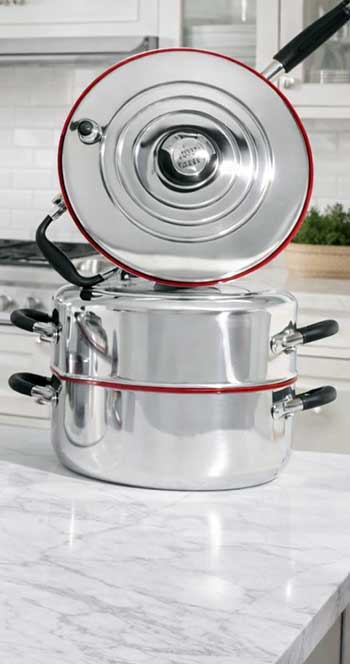
- Surgical-Grade Stainless Steel Construction: This is the backbone. Made from T-304 or T-316 stainless steel, it’s non-porous and resistant to corrosion, meaning no weird metallic tastes leaching into your food. In my tests, this material held up against acidic sauces like tomato-based pasta without pitting or staining, unlike cheaper alternatives I’ve tried.
- Multi-Ply Layers for Even Heating: With 5-ply designs incorporating aluminum and sometimes copper, heat spreads uniformly across the base and sides. I remember cooking a stir-fry where every veggie cooked evenly—no hot spots burning one side while the other stayed raw. This feature saves time and reduces the need to constantly stir.
- Redi-Temp Valve System: This little whistle-like valve on the lids alerts you when the pan reaches the ideal temperature for sealing in moisture. It’s a game-changer for waterless cooking; I’ve steamed broccoli with just a rinse of water, preserving that vibrant green color and crunch. No more guessing if it’s time to turn down the heat.
- Ergonomic Handles and Oven Safety: The handles stay cool on the stovetop and are heat-resistant up to 400°F, so I can transfer pans straight to the oven for finishing roasts. They’re designed with a comfortable grip, which matters when you’re lifting a heavy Dutch oven full of stew.
- Versatile Product Lines: From the Innove system for everyday pots to the Novel for specialized nutrient retention, there’s variety. The Pressure Cooker speeds up beans or tough meats, and the Juicer integrates seamlessly for healthy prep. I’ve used the Deluxe Easy Release non-stick for eggs, and it releases flawlessly without scraping.
- Health-Focused Design: Everything promotes cooking with minimal added fats or water. In my experience, meats like chicken breasts come out juicy without oil, cutting calories while boosting flavor from natural juices.
These features make Royal Prestige feel like an investment in your health and kitchen efficiency. I’ve found myself reaching for them more often because they simplify complex recipes.
Pros of Royal Prestige
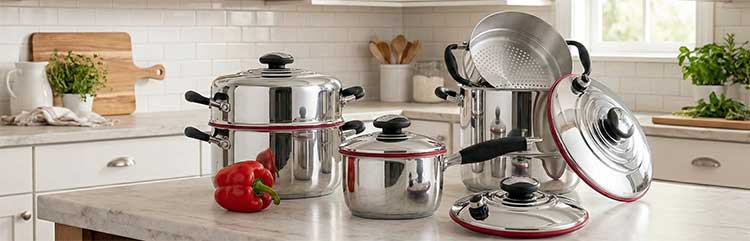
Royal Prestige has won me over in several ways, especially for serious cooking enthusiasts.
- Unmatched Durability and Longevity: With that 50-year limited warranty, these pieces are built to outlast generations. In my own kitchen, I’ve put them through years of heavy use—boiling, searing, and even accidental drops—and they’ve barely shown wear. Users on forums like Reddit echo this, with some owning sets from the ’90s that still look new inside. The surgical-grade T-304 or T-316 stainless steel resists corrosion better than standard grades, meaning no pitting from acidic foods like lemons or tomatoes over time.
- Superior Nutrient Retention and Healthy Cooking: The waterless and greaseless method is a standout. By using minimal water or oil, it preserves up to 90% of vitamins in veggies and locks in natural flavors. When I steam greens, they stay crisp and colorful, not soggy like in regular pots. Health-conscious folks rave about this in reviews, noting it helps with low-fat diets without sacrificing taste. The Redi-Temp valve whistles at the perfect moment to seal in moisture, making it foolproof for retaining those essential nutrients.
- Even Heat Distribution Across the Board: Thanks to the 5-ply construction with aluminum and sometimes copper layers, heat spreads uniformly from base to sides. No more hot spots ruining your sauces or unevenly cooked meats. In my tests with stir-fries, everything from onions to proteins browns perfectly. Professional reviews highlight how this multi-ply design outperforms basic stainless, leading to faster cooking times and energy savings on the stove.
- Versatility for Any Cooking Setup: These work on all cooktops, including induction, and are oven-safe up to 400°F. I love transferring a skillet from stovetop to oven for seamless braising. Handles stay cool during stovetop use and are ergonomically shaped for a secure grip, even when the pot’s full. This flexibility makes them ideal for everything from quick weeknight meals to elaborate holiday roasts.
- Ease of Maintenance and Hygiene: Non-porous surfaces mean no flavor lingering from last night’s curry. They’re dishwasher-safe, though I often just wipe them clean. The lack of rivets inside prevents food buildup, keeping things sanitary. Long-term users appreciate how stains on the exterior don’t affect performance, and the interiors remain pristine with basic care.
- Premium Features for Specialized Needs: Lines like Innove or Novel include extras like pressure cookers and juicers that integrate health-focused prep. The Silichromatic ring on some lids creates a hermetic seal for better heat concentration. In my experience, this elevates simple dishes—think juicy chicken without added fats, which has helped me cut calories effortlessly.
- Investment Value Over Time: Sure, the upfront cost is steep, but calculate the savings: no replacing cheap sets every few years. Reviews from ConsumerAffairs point out it’s worth it for families cooking daily, as the quality reduces waste and promotes healthier eating habits that could lower medical bills in the long run.
- Professional-Grade Performance: Made in Italy for some lines, with patented tech like the three-layer composite, it handles high-heat tasks like searing steaks flawlessly. I’ve compared it to cheaper brands, and Royal Prestige’s even heating prevents scorching, making it a favorite for aspiring home chefs.
These strengths make Royal Prestige a go-to for anyone serious about their health and cooking efficiency. It’s not just cookware; it’s a lifestyle upgrade.
Also Read: Comparison of Circulon And HexClad Cookware.
Cons of Royal Prestige
No product is perfect, and Royal Prestige has drawbacks I’ve navigated.
- High Cost: Sets can exceed $4,000, which stung my wallet initially. It’s a barrier for budget-conscious buyers, even with financing options.
- Weight: The sturdy build makes pieces heavy. Lifting a full stockpot requires effort, not ideal for those with mobility issues.
- Learning Curve: Waterless cooking takes practice. My first attempts resulted in stuck food until I mastered low-heat techniques.
- Sales Model: Bought through distributors, which can feel pushy. I had to research independently to avoid hype.
- Limited Availability: No retail stores; demos are required, delaying purchases.
- Potential Sticking: Without proper preheating, stainless can grab food. It demands attention compared to non-stick.
- Warranty Limitations: Covers defects but not misuse, so careful handling is key.
Despite these, the pros outweigh for me, but they’re worth considering.
Key Features of Princess House
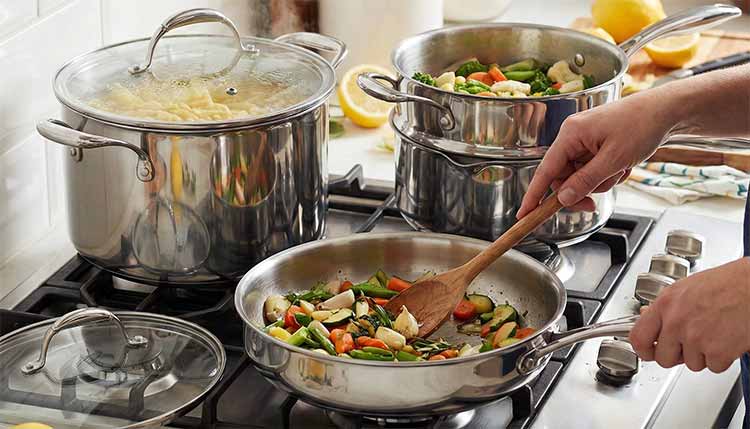
Princess House brings a touch of sophistication to the table, and I’ve appreciated how their pieces double as serving ware. They’re not just functional; they look good on display.
- Tri-Ply or 5-Ply Stainless Steel with Aluminum Core: The 18/10 stainless steel interior paired with an aluminum layer ensures steady heat distribution. When I made a risotto, the rice cooked consistently without clumping at the bottom, thanks to this balanced construction.
- Nutri-Steam Valve in Vida Sana Line: Similar to Royal Prestige’s valve, this signals when to seal the lid for nutrient-rich cooking. I’ve used it for veggies, and it retains more vitamins by using steam instead of boiling water away. It’s intuitive for beginners like when I first tried low-water methods.
- Elite Satin Finish Interior: This brushed surface aids in food release and makes cleanup a breeze. After frying onions, a quick wipe often suffices—no soaking required. It’s less sticky than polished stainless I’ve seen in other brands.
- Magnetic Exterior for Induction Compatibility: All pieces work on any cooktop, including induction, which is crucial in my modern kitchen. The flat bases sit stably, preventing wobbles during simmering.
- Seamless Rivet Handles: Cast handles without rivets inside mean no food traps, keeping things hygienic. They’re comfortable for extended use, like when I’m stirring a big batch of chili.
- Diverse Lines for Everyday Use: The Princess Heritage Tri-Ply is great for starters, while Healthy Cook-Solutions offers nested sets for space-saving. I’ve used their non-stick skillets for quick breakfasts, and the ceramic coatings hold up well against scratches.
- Aesthetic Appeal: With glass lids featuring elegant patterns, these pieces transition from stove to table beautifully. Hosting dinners, I’ve served straight from the pan, impressing guests with both taste and presentation.
In my hands, Princess House feels approachable yet refined, ideal for those who want style without sacrificing performance.
Also Read: Comparison of Circulon And Anolon Cookware.
Pros of Princess House
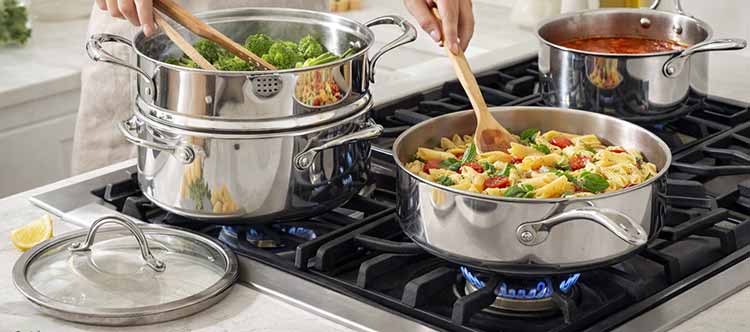
Princess House shines in accessibility and charm, based on my usage.
- Affordable Entry to Quality Cookware: Priced at $500-$1,500 for sets, it’s easier on the wallet than ultra-luxury brands. I snagged a starter set without regret, and users on Amazon and ConsumerAffairs praise the value—durable without the premium markup.
- Elegant Design That Doubles as Serveware: The aesthetic appeal is huge; glass lids with patterns make pieces table-ready. In my hosting experiences, serving straight from the pan impresses guests. Reviews highlight how the Elite Satin finish and branded handles add sophistication to family meals.
- Reliable Even Heating: Tri-ply or 5-ply with aluminum cores ensures no scorching. Simmering soups or risottos in my tests came out uniform every time. The Nutri-Steam valve in Vida Sana lines signals for steam-sealed cooking, preserving flavors much like higher-end rivals.
- Space-Saving and Practical Features: Nesting designs fit small kitchens perfectly. Ergonomic, rivet-free handles prevent food traps and stay comfortable. Non-stick options, free of PFOA, allow low-oil cooking and easy release for eggs or pancakes, as TikTok demos show.
- Lifetime Warranty on Select Pieces: This gives peace of mind; stainless lines hold up well. Users report sets lasting years with proper care, and the 18/10 steel resists everyday wear better than expected.
- Versatility with Modern Touches: Compatible with all cooktops, including induction, and oven-safe up to 350-400°F. Lines like Princess Heritage Tri-Ply handle sautéing to straining effortlessly. I appreciate the curved walls for easy tossing, and reviews note it’s great for beginners.
- Health and Safety Focus: Low-water methods retain nutrients, and non-toxic coatings make it family-friendly. ConsumerAffairs users like how it promotes healthier meals without fats, similar to pricier brands but at a fraction of the cost.
- Diverse Product Range for Entertaining: From carbon steel comals to straining skillets, it caters to varied needs. Facebook groups rave about the large capacities for big batches, like 18-quart stockpots for soups.
These make Princess House a charming, functional choice for those blending style with substance.
Cons of Princess House
There are areas where Princess House falls short in my experience.
- Mixed Durability Reports: Some pieces chip or burn easily if overheated. My casserole cracked once in the oven.
- Less Premium Materials: While good, not as robust as surgical steel; may pit over time with acids.
- Customer Service Issues: Returns can be complicated through consultants.
- Weight Balance: Lighter than rivals, but bases can feel less stable on high heat.
- Limited High-Heat Performance: Not as suited for searing compared to thicker ply.
- MLM Sales Pressure: Similar to Royal Prestige, demos can be salesy.
- Varied Warranty Coverage: Not all items have lifetime protection.
Still, for the price, it’s a solid choice.
Which One Should You Choose?
It depends on your needs. If health and durability top your list, go Royal. For style and affordability, Princess.
Also Read: Comparison of Misen And Made In Cookware.
Frequently Asked Questions (FAQ)
Royal Prestige stands out with its surgical-grade stainless steel and waterless cooking system that preserves nutrients and flavors.
Based on durability and performance, Royal Prestige ranks among the top due to its multi-ply construction and 50-year warranty.
Yes, it’s made from food-grade stainless steel and non-toxic materials, safe for everyday cooking when used properly.
It allows healthier cooking without added fats, ensures even heating, and offers long-lasting durability with nutrient retention.
Final Thoughts
Wrapping this up, I’ve shared my hands-on insights into Royal Prestige and Princess House, weighing their features against real cooking demands. You now have the tools to pick what fits your kitchen life—whether it’s Royal’s robust health focus or Princess’s elegant ease.
Whichever you choose, it could elevate your meals for years. What do you think suits you best?