
You know that frustrating feeling when your lawn looks tired, patchy, and thirsty no matter how much you water it? I was right there with you until I discovered Revive.
This organic soil treatment isn’t just another product—it’s a game-changer that makes grass greener, thicker, and more resilient while cutting down on water use. If you want a lush yard that’s easy to maintain and safe for kids and pets, you should absolutely buy Revive.
It worked wonders for me, and I bet it will for you too.
My Hands-On Experience With Revive
Let me take you back to last summer when my lawn was a disaster.
We had a heat wave here, and despite watering regularly, I had ugly brown spots everywhere.
The grass looked thin, the soil felt hard as rock, and water just ran off instead of soaking in.
I felt defeated every time I stepped outside.
A friend mentioned Revive, saying it helped his yard survive drought without constant watering.
I was skeptical but desperate, so I picked up both the granular and liquid versions to try.
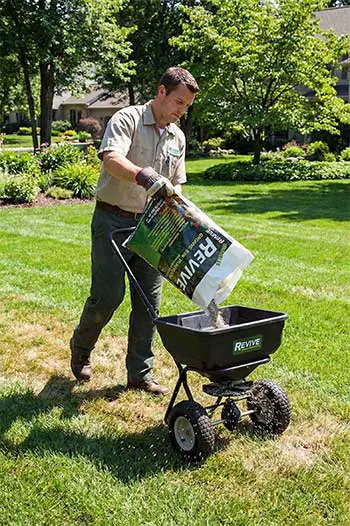
I started with the granules on half my yard.
I spread them evenly with my broadcast spreader on a calm morning, then watered lightly to activate them. The ready-to-spray liquid went on the other half—I just hooked it to the hose and covered the area in minutes. No mixing, no fuss.
Within a week, I noticed changes. The grass on both sides started turning a deeper green. Those stubborn dry patches softened up, and water finally penetrated instead of pooling or running off.
By two weeks in, the brown spots faded, and the lawn looked thicker overall. The iron in Revive gave that rich, dark color I always envied in neighbors’ yards.
I kept using it through the season, applying every time I fertilized. By fall, my lawn was the healthiest it’d ever been—resilient through cooler nights and ready for winter. Even my dog’s usual spots recovered faster when I spot-treated with the liquid.
What surprised me most was how much less I watered. I cut back by about a third, and the grass stayed vibrant. It saved me time, money, and stress. Honestly, using Revive felt like giving my soil a reset button.
If your lawn struggles like mine did, you’ll see similar results. It’s straightforward, effective, and made me enjoy yard work again.
The Pros of Using Revive
I’ve tried plenty of lawn products over the years, and Revive stands out for good reasons. You get real improvements that build over time, not just quick flashes. Let me share the standout benefits I’ve experienced firsthand, plus what I’ve heard from others who use it regularly.
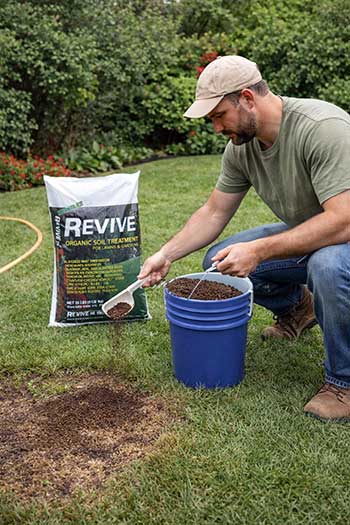
- That Rich, Dark Green Color Everyone Notices: The iron in Revive works fast to deliver a deep, vibrant green that makes your lawn stand out. I saw it kick in within days—my grass went from dull to that envy-worthy dark shade. It’s not fake or streaky; it’s even and natural-looking. Neighbors stop and ask what I did, and I tell them it’s mostly Revive doing the heavy lifting.
- Superior Water Penetration and Real Savings: If your soil is compacted or hydrophobic like mine was, this is huge. The wetting agents break surface tension so water soaks deep to the roots instead of beading up or running off. I cut my watering by 30-40% during peak summer, and the lawn stayed lush. In drought-prone areas or where water costs add up, you’ll feel the difference in your bill and your stress level.
- Quick Recovery for Brown Spots and Thin Areas: Dog urine spots, heat stress, traffic wear—Revive handles them all better than anything I’ve used. I spot-treated my pup’s favorite zones with the liquid, and they greened up in a week or two. The combination of better moisture and available nutrients pushes recovery faster. Even old patchy areas filled in thicker after consistent applications.
- Completely Safe for Kids, Pets, and the Environment: Being organic-based with no harsh synthetics, I apply it without worry. Kids play barefoot the same day once it’s watered in, and my dog rolls around with no issues. It builds soil biology instead of killing it, so you feel good about not dumping chemicals. If sustainability matters to you, this checks the box.
- Non-Burning Formula Even If You Mess Up: One of my favorite things—no burn risk. I accidentally overlapped heavily once with granules, and nothing happened. The low nitrogen and slow-release nature make it forgiving, perfect if you’re new to lawn care or just busy.
- Improves Soil Structure Over Time: Beyond quick fixes, Revive loosens hard soil and boosts microbial activity. My clay-heavy yard feels softer now, roots go deeper, and the whole system is healthier. It’s not just surface-level; you’re investing in long-term resilience against drought and stress.
- Versatile Options for Any Situation: Granules for slow, steady release when you have time to spread. Liquid concentrate for mixing or ready-to-spray for instant coverage on hot days. I switch based on weather and mood—liquid for quick spot fixes, granules when pairing with fertilizer.
- Helps Lawns Handle Heat and Drought Stress: In brutal summers, Revive kept my grass alive when others browned out. The deeper moisture access and stronger roots make a noticeable difference during heat waves or restrictions.
These pros compound with every application. For me, the water savings, color boost, and peace of mind make Revive irreplaceable in my routine.
The Cons of Using Revive
Nothing’s perfect, and Revive has drawbacks I’ve run into or heard about. Being upfront helps you decide if it fits your setup.
- Noticeable Odor During Application: The granules have that classic organic smell—like mild manure—because of the dehydrated poultry waste. It fades fast once watered in, but spreading a bag on a warm day? You’ll notice it. The liquid is milder, but if you’re sensitive to smells, plan accordingly.
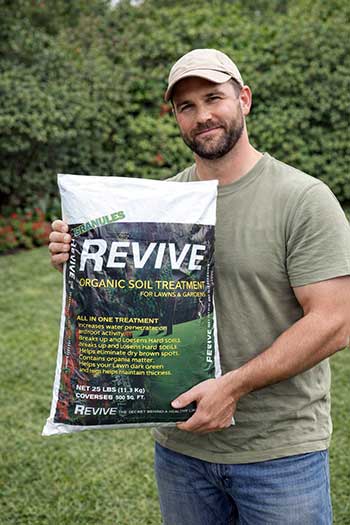
- Granules Can Be Heavy and Clumpy: A 25-pound bag covers 5,000 square feet, but it’s dense and can clump if humidity gets in during storage. I break clumps with a rake now, but first time spreading felt like workout. Use a good spreader and calibrate carefully.
- Low Primary Nutrient Content: With only 5% nitrogen (and low P and K), it’s not your main fertilizer. I still need separate feeds for heavy growth pushes. Think of Revive as the enhancer, not the full meal—great booster, but pair it with something stronger.
- Results Build Slowly and Require Consistency: Don’t expect miracles from one bag. I saw good changes in weeks, but full benefits took months of regular use. If you want instant transformation or skip follow-ups, you might feel let down.
- Higher Price Point Than Basic Options: It costs more than cheap synthetic fertilizers. I justify it with water savings and fewer treatments overall, but upfront, that shelf price can sting if you’re on a tight budget.
- Mixed Results in Extreme Conditions: Some folks with super sandy or heavily clay soils report slower penetration improvements. It helped my clay a lot, but if your issues are severe, you might need aeration first for best results.
These cons are manageable for me—the benefits far outweigh them—but know them going in so you’re not surprised.
Also Read: Why You Need See Spot Run Lawn Protection?
Maintenance Tips For Getting The Most Out of Revive
I’ve fine-tuned my approach over seasons, and these tips make all the difference. Follow them, and you’ll turn good results into great ones while avoiding common pitfalls.
- Timing Applications for Maximum Impact: Apply when grass is actively growing—early spring through fall. I start as soon as green-up hits 50%, then every 4-6 weeks or with each fertilizer round. In extreme heat, monthly helps combat stress. Skip dormant winter; save it for active periods.
- Choosing Granular vs Liquid for Your Needs: Granules offer slow release and pair perfectly with fertilizer spreads—I use them for full lawn maintenance. Liquid shines for quick absorption and spot treatments; the ready-to-spray is my go-to on scorching days or for fast dog spot fixes.
- Proper Spreading and Watering-In Techniques: For granules, calibrate your spreader and go slow for even coverage. Water lightly (half-inch) immediately after to activate wetting agents. Liquid: shake well, steady pace, slight overlap okay since no burn risk. Always morning applications so it dries before night.
- Shifting to Deeper, Less Frequent Watering: Post-application, water deeply but infrequently—1 inch every few days. Revive makes each drop more effective, training roots deeper for drought tolerance. I track with a rain gauge to avoid overwatering.
- Pairing Effectively with Fertilizers: Apply Revive every time you fertilize—it chelates nutrients for better uptake. Spring: balanced feed. Summer: lean on Revive for stress. Fall: root-building formula. The combo gives faster greening and thicker growth.
- Spot Treating Problem Areas: For dog spots or traffic zones, hit them harder with liquid. I rake lightly first, apply extra, water well, and see recovery in days. Preventative full applications reduce new spots forming.
- Monitoring and Adjusting Based on Your Soil: Watch how water absorbs—if runoff persists, aerate first. Test pH occasionally; Revive performs best near neutral. Mow at 3-4 inches to shade soil and retain the moisture Revive delivers.
- Seasonal Strategies for Year-Round Health: Spring: kickstart growth. Summer: monthly for heat defense. Fall: final apps to store reserves. Even in cooler climates, late-season use preps for winter strong.
- Storage and Handling Best Practices: Keep bags sealed in cool, dry spots to prevent clumping. Wear gloves—it’s safe but dusty. Leftover liquid stores well; granules last years if dry.
- Common Mistakes I Learned to Avoid: Don’t apply then forget to water in—activation needs moisture. Avoid heavy rain forecasts; it can wash away. Don’t rely solely on Revive for feeding; balance with proper nutrition.
These practices transformed my lawn from surviving to thriving. Put them to work, and you’ll get that deep green, resilient yard with less effort.
Comparing Revive To Other Lawn Care Brands
- Revive Vs. Milorganite
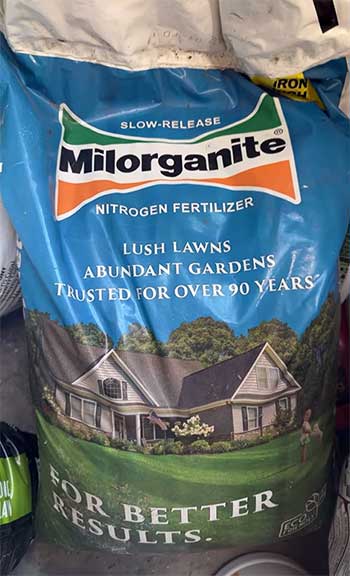
I’ve used both Milorganite and Revive extensively, and they serve different roles in my lawn routine.
Milorganite is that classic slow-release organic fertilizer—6-4-0 with about 2.5-4% iron from heat-dried microbes.
You get steady feeding over weeks, no burn risk, and gradual greening that builds soil health naturally.
I loved how it thickened my grass over time without spikes.
But Revive (around 5-1-1 with 2% iron, plus wetting agents and organic extracts) shines brighter for me in tough conditions.
The surfactants make water soak in deeply, cutting my usage by 30-40% and fixing hydrophobic spots fast.
Milorganite greens steadily but doesn’t tackle water penetration like Revive—my dry patches recovered quicker with Revive, especially dog urine burns. If you need primary nutrition, Milorganite feeds better long-term.
For drought stress and quick color plus savings, Revive pulls ahead. I often layer them now: Milorganite for food, Revive for efficiency.
- Revive Vs. Ironite
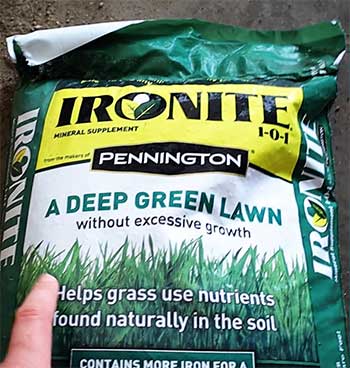
Ironite is basically a mineral supplement—1-0-1 or similar, packed with 20% iron for that instant deep green when your lawn looks yellow from chlorosis.
You apply it and see color pop without much growth surge, which is great if you hate frequent mowing. It’s straightforward for turning pale grass vibrant fast.
Revive gives similar dark greening from its chelated iron, but adds way more layers.
The wetting agents loosen compacted soil and move water/nutrients deeper, while Ironite focuses purely on color correction—no real soil conditioning.
In my yard, Ironite helped visually quick, but brown spots lingered because water still ran off.
Revive fixed the root cause, softening soil and preventing future issues. Ironite can stain sidewalks if you’re not careful, and some folks worry about heavy metals (though modern versions are safer). Revive feels cleaner overall—organic-based, pet-safe immediately, and builds resilience.
If pure color is your only goal, Ironite works fine cheaper. For comprehensive revival with lasting hydration benefits, Revive is my winner.
- Revive Vs. Scotts Turf Builder Lawn Soil
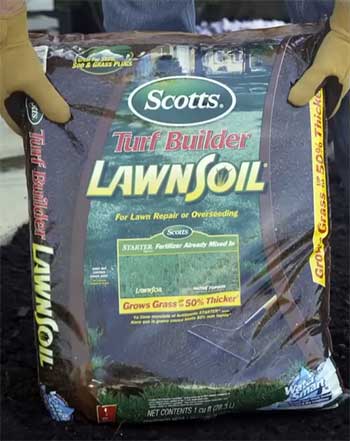
Scotts Turf Builder Lawn Soil isn’t a regular treatment like the others—it’s a bagged soil blend with compost, peat moss, starter fertilizer, and a wetting agent for seeding, sodding, or topdressing.
You spread it to improve native soil, boost germination, and retain moisture better for new grass. It grew thicker starts for me during overseeding, and the built-in starter feed gave seedlings a head start.
Revive, though, is for ongoing maintenance on established lawns.
You apply granules or liquid seasonally to condition existing soil, penetrate hard spots, and save water long-term. Scotts Lawn Soil is project-based—one-time amendment—while Revive is routine for sustained health.
In direct use, Scotts helped new areas establish, but didn’t transform my mature lawn’s water issues like Revive did. Revive’s iron delivers ongoing dark green; Scotts focuses more on root establishment without that color boost.
If you’re repairing or starting fresh, grab Scotts Lawn Soil. For keeping an existing yard lush, resilient, and low-water, Revive outperforms hands down. I use Scotts for projects, Revive for everyday wins.
Overall, Revive stands out with its unique combo of wetting agents, iron, and soil conditioning—tackling water problems others ignore while delivering safe, visible results.
Also Read: My Thoughts On Sunday Lawn Care.
Frequently Asked Questions (FAQ)
Yes, it improves water penetration, greens grass, and reduces dry spots effectively.
Every 4-6 weeks during the growing season, or with each fertilization.
Yes, especially granules—water lightly after application to activate.
Granules contain about 5%; it’s low-nitrogen, focused on soil conditioning.
Final Thoughts On Revive
After years with Revive, I can’t imagine my routine without it. The deeper green, water savings, spot recovery, and overall resilience make it essential. If your lawn needs a boost that’s safe and sustainable, grab some—you’ll thank yourself when you see the transformation.