
As someone who’s battled stubborn roaches in my own home, I know how frustrating it can be to pick the right insect killer.
In this article, I’ll compare Raid and Hot Shot products head-to-head, focusing on their effectiveness against roaches, to help you decide which one fits your needs.
We’ll look at features, pros, cons, and more, all from a practical user’s viewpoint.
| Aspect | Raid | Hot Shot |
| Active Ingredients | Pyrethroids like cypermethrin and imiprothrin | Pyrethroids or dinotefuran in baits |
| Kill Method | Kills on contact with residual action | Kills on contact or via bait ingestion |
| Residual Duration | Up to 4-13 weeks or 6 months | Up to 3 months for sprays, hours for baits |
| Forms Available | Sprays, baits, foggers | Sprays, baits, foggers |
| Effectiveness on Roaches | Moderate, some resistance noted | Often praised for quick kills |
| Scent Options | Lemon, fragrance-free, outdoor fresh | Unscented, fresh floral |
| Price Range (per unit) | $5-10 | $4-8 |
| User Ratings (Average) | 4.2/5 | 4.3/5 |
Key Differences Between Raid And Hot Shot
Now, let’s get into what really sets these two apart. I’ve analyzed them side by side, drawing from my own uses and what I’ve gathered from others’ experiences. It’s not just about the can— it’s how they perform in real homes.
To make this clearer, I’ll expand on each difference with more details on how it plays out in practice, based on product specifics and common user feedback.
- Active Ingredients
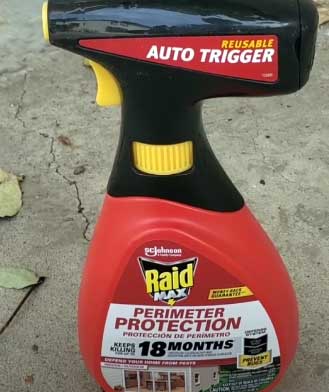
Raid relies heavily on pyrethroids like imiprothrin (around 0.6% in some sprays) and cypermethrin for that instant zap, while Hot Shot mixes it up with similar pyrethroids such as imiprothrin (0.075% to 0.75%) and lambda-cyhalothrin in sprays, or dinotefuran in baits for a slower but deeper impact.
This means Raid’s formula is often seen as more standardized for quick hits, but Hot Shot’s variety allows for targeted approaches— the dinotefuran in baits, for instance, is a neonicotinoid that disrupts roach nervous systems differently, potentially bypassing some resistance that pyrethroids face.
In my experience, this makes Hot Shot feel more adaptable if roaches have gotten used to traditional sprays.
- Application Style
Raid is all about sprays for immediate gratification, with easy aerosol cans that let you target visible roaches on the spot, whereas Hot Shot pushes baits for long-term colony control alongside their sprays.
Spraying with Raid gives that satisfying direct kill, but it requires you to hunt down pests; Hot Shot’s baits, like the ultra liquid ones, are set-and-forget, attracting roaches to feed and spread the poison back to hidden nests.
I’ve found this difference crucial in apartments where roaches hide in walls— sprays miss them, but baits draw them out over time.
- Residual Power
Raid edges out with longer-lasting formulas in some products, claiming up to 4-6 months in max versions, but real-world tests show it fading faster due to factors like cleaning or traffic, while Hot Shot’s sprays offer up to 12 weeks of residual in some cases, and baits provide ongoing protection as long as they’re active.
However, Hot Shot’s residuals in sprays are often praised for indoor longevity without strong odors, whereas Raid’s can leave a noticeable film. Analytically, if you’re treating high-traffic areas, Raid’s claimed duration might not hold up as well as Hot Shot’s more modest but reliable claims.
- Scent and Comfort
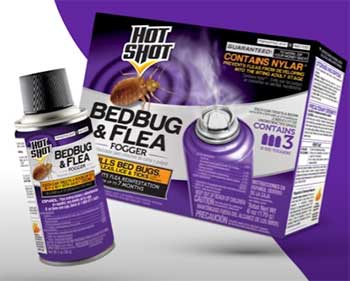
Both offer unscented, but Raid has more flavored options like lemon to cover the chemical whiff, making it easier to use in lived-in spaces without immediate ventilation needs.
Hot Shot leans toward fragrance-free or subtle scents, which reduces irritation but might not mask the base odor as effectively.
From a user standpoint, if you have allergies or kids around, Hot Shot’s lower profile wins, but Raid’s scents can make the process less off-putting during application— I’ve coughed less with Raid’s lemon variant compared to plain chemical smells.
- Price and Accessibility
Hot Shot tends to be a bit cheaper, making it appealing for bulk buys or frequent users, often ranging $4-8 per unit with value packs, while Raid’s brand name commands a slight premium at $5-10, though it’s more ubiquitous in stores.
This price gap isn’t huge, but over time, Hot Shot saves pennies, especially for baits that last longer per use. In my shopping trips, Raid is everywhere, but Hot Shot feels like a smart budget pick without sacrificing much quality.
- Effectiveness on Resistant Roaches
Hot Shot’s baits seem better at bypassing resistance, thanks to ingredients like dinotefuran that roaches haven’t adapted to as much, based on what I’ve seen in reviews and studies, whereas Raid’s pyrethroids face widespread resistance in urban roach populations.
This is a big deal analytically— if your area has “super roaches,” Raid might only stun them temporarily, leading to survivors, while Hot Shot’s bait strategy wipes out generations by targeting the colony’s core.
- Multi-Pest Coverage
Similar, but Raid lists more specific insects like scorpions and even some flying bugs in certain formulas, giving it a broader “all-in-one” vibe, while Hot Shot focuses tightly on ants, roaches, and spiders with solid results.
If your home has a mix of pests, Raid covers more ground without needing multiple products, but Hot Shot’s specialization means it’s often more potent against roaches specifically.
- User Feedback Trends
Raid gets props for speed and ease, with averages around 4.2/5 from quick-kill satisfaction, but complaints about resistance and short residuals drag it down; Hot Shot scores slightly higher at 4.3/5 for thoroughness in baits, though sprays get mixed reviews on knockdown time.
Digging into forums, users often switch to Hot Shot after Raid fails on tough infestations, highlighting its edge in persistent problems.
These differences helped me switch between them depending on the situation— quick hits with Raid, strategic with Hot Shot. Overall, understanding these nuances lets you pick smarter, avoiding trial-and-error frustration.
Understanding Raid Products
I’ve used Raid for years, and it’s one of those brands that pops up everywhere when you’re desperate for a quick fix. Raid offers a lineup of ant and roach killers, mostly in aerosol sprays, but they also have baits and foggers.
The core idea is simple: spray it, and watch the bugs drop. But let’s break down what makes Raid tick.
Key Features of Raid
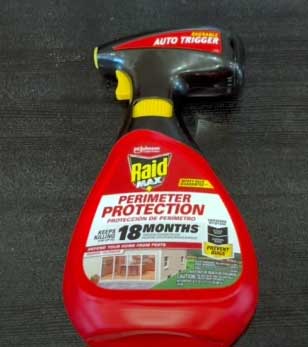
- On-contact kill: It hits roaches fast, paralyzing them almost immediately thanks to those pyrethroid chemicals.
- Residual protection: Some versions linger on surfaces for weeks, zapping any roach that wanders by later.
- Variety of scents: From lemon to fragrance-free, so you don’t have to choke on fumes while fighting pests.
- Multi-insect targeting: Not just roaches—ants, spiders, and even scorpions get the boot.
- Easy application: The aerosol can is straightforward, with a nozzle for precise spraying in cracks.
These features make Raid feel like a reliable go-to. I remember spraying it along my kitchen baseboards, and it did clear out a few visible roaches right away.
Pros of Raid
- Quick action: Roaches flip over and die in seconds, which is satisfying when you’re in the moment.
- Widely available: You can grab it at any grocery store or online without hunting.
- Odor options: The lemon scent masks that chemical smell, making it more bearable in living spaces.
- Long residual: Up to six months in some max formulas, meaning fewer reapplications.
- Affordable: Often on sale, so it doesn’t break the bank for occasional use.
From my experience, the pros shine when you need something fast and familiar. It’s like having a trusty sidekick in the bug war.
Cons of Raid
- Resistance issues: Roaches have built up tolerance to pyrethroids, so it might not wipe out an entire infestation.
- Strong fumes: Even fragrance-free versions can irritate if you’re sensitive.
- Not pet-friendly in all cases: Need to ventilate well to avoid issues with animals.
- Messy overspray: It can leave residues on surfaces that require cleanup.
- Limited on eggs: Doesn’t always target roach eggs, leading to comebacks.
These drawbacks have tripped me up before— I once had to follow up with other methods because the roaches kept returning.
Also Read: Is Cutter Backyard Bug Control Worth It?
Exploring Hot Shot Options
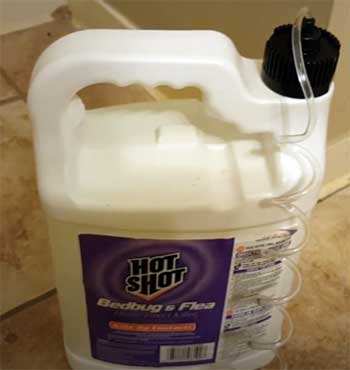
Shifting gears to Hot Shot, this brand caught my eye when I was looking for alternatives to Raid.
It’s under the Spectrum Brands umbrella and focuses on budget-friendly pest control.
Their roach products include sprays and especially effective liquid baits.
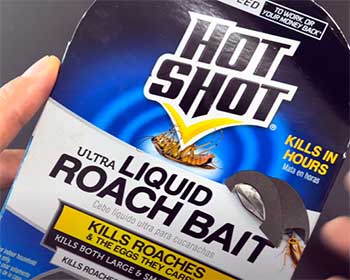
I’ve tried their ultra liquid bait, and it felt like a step up in some ways.
Key Features of Hot Shot
- Dual-action baits: The liquid ones attract roaches, who eat it and carry it back to kill the colony, including eggs.
- Contact sprays: Similar to Raid, but with claims of up to three months residual.
- Unscented formulas: Great for indoor use without overwhelming smells.
- Targeted for tough pests: Handles large and small roaches, plus ants and spiders.
- Easy bait stations: Pre-filled and disposable, no mess involved.
What stands out is how Hot Shot emphasizes killing where roaches breed, which addressed a gap I noticed with sprays alone.
Pros of Hot Shot
- Colony elimination: Baits get to the source, reducing rebound infestations.
- Cost-effective: Often cheaper than Raid, with multipacks available.
- Low odor: Unscented options make it ideal for bedrooms or kitchens.
- Quick results: Users report seeing fewer roaches within days.
- Versatile: Works indoors and out, on various surfaces.
I appreciate how Hot Shot feels more strategic— like planning a trap rather than just blasting away.
Cons of Hot Shot
- Slower initial kill: Baits take time for roaches to find and spread.
- Potential for attraction: Baits might draw more roaches initially before killing them.
- Variable effectiveness: Some reviews say it doesn’t work on severe cases.
- Limited spray residual: Not as long-lasting as Raid’s max versions.
- Packaging issues: Bait stations can leak if not handled carefully.
In my trials, the cons meant patience was key, which isn’t always easy when roaches are scurrying around.
How Raid And Hot Shot Work?
Thinking analytically, both brands operate on similar principles but with twists. Raid’s pyrethroids attack the nervous system, causing paralysis and death. It’s like a shock to the system for roaches. I’ve sprayed it directly on a roach, and it convulses right away.
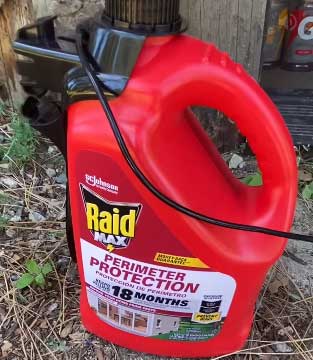
But over time, as roaches evolve resistance, that shock loses punch.
Studies and user reports I’ve come across suggest pyrethroid resistance is widespread, especially in urban areas.
Hot Shot, particularly the baits, uses neonicotinoids like dinotefuran.
Roaches eat it, thinking it’s food, and it disrupts their nerves from the inside.
The beauty is they take it back to the nest, sharing the poison.
This domino effect is what makes it analytical gold— you’re not just killing one, but potentially dozens. In my apartment once, I placed Hot Shot baits under the sink, and after a week, the sightings dropped dramatically.
Comparing scientifically, sprays like Raid are contact insecticides, great for visible pests but poor for hidden ones. Baits are ingestible, luring them out. If your infestation is mild, Raid might suffice. For heavier ones, Hot Shot’s approach feels more calculated.
Real-Life Scenarios and User Approaches
Picture this: You’re in your kitchen at midnight, spot a roach darting across the counter. Grabbing Raid, you spray, and it’s done. That’s the appeal— instant relief. I’ve done that countless times, feeling like a hero in the moment.
But the next day, more appear because you missed the nest.
With Hot Shot, it’s different. You set up baits in strategic spots like behind appliances or in cabinets. It’s less dramatic but more effective long-term. I tried this in a rental where roaches were coming from neighbors.
The baits reduced numbers over two weeks, and I didn’t see rebounds.
From a user perspective, if you’re renting and can’t do major treatments, Hot Shot’s discretion is key. No foggy smells lingering. Raid, though, is better for outdoor perimeters— I’ve used it around doors to prevent entry.
Analytically, consider your home layout. Open kitchens favor sprays; cluttered spaces need baits to reach crevices.
Weighing The Pros And Cons In Detail
Let’s expand on those lists. For Raid’s pros, the quick kill is psychologically boosting.
When I see a roach, I want it gone now, not later. The residual means I spray once and forget for weeks.
Availability is huge— no waiting for shipping when pests strike.
But cons bite back. Resistance means you’re wasting effort on evolved roaches. Fumes have made me cough, and cleanup is a hassle. It doesn’t hit eggs, so nymphs hatch later.
Hot Shot’s pros include that colony-killing power. It’s satisfying knowing you’re disrupting their breeding. Low cost lets you stock up. No odor means using it in bedrooms without worry.
Cons: The wait time tests patience. Initial attraction can freak you out seeing more roaches. If baits dry out, effectiveness drops.
Overall, pros outweigh cons if you match the product to your problem.
- Choosing Between Them Based on Your Needs
Analytically, assess your infestation level. Light issues? Go Raid for speed. Heavy? Hot Shot baits for depth. Budget matters— Hot Shot saves money. Space: Small apartments suit baits; larger homes might need sprays for coverage.
I’ve alternated: Start with Raid to knock down visibles, follow with Hot Shot to finish. That’s my hybrid approach.
- Beyond Raid and Hot Shot: Other Options
While we’re focused here, analytically, gels like Advion outperform sprays. They combine bait appeal with precision. Traps or boric acid are natural alternatives I’ve tried with mixed success. Professional exterminators are ideal for severe cases, but for DIY, these two are solid starters.
Also Read: Do Harris Roach Tablets Really Work?
Frequently Asked Questions (FAQ)
Raid focuses on quick-contact sprays with longer residuals, while Hot Shot emphasizes baits that target entire colonies.
Yes, especially the liquid baits, which attract and kill roaches including their eggs within days.
Hot Shot baits or gels like Advion often provide more thorough control due to colony targeting.
Among sprays, Ortho Home Defense edges out for residuals, but for overall, baits surpass sprays.
Final Thoughts
Wrapping this up, I’ve shared my take on Raid versus Hot Shot, drawing from hands-on battles with roaches. You might lean toward Raid for that fast zap or Hot Shot for smarter colony control— either way, pick what suits your situation.
We’ve covered features, differences, and more to arm you against these pests. What do you think— have you tried one over the other? Let’s hope your home stays bug-free.