
I have tried countless protein snacks over the years, but Quest Protein Bars stand out as the one I grab most often when I need something quick, satisfying, and packed with protein without loading up on sugar.
You should buy these bars because they deliver serious muscle support and hunger control in a convenient package that actually tastes good enough to look forward to, making it easier than ever to hit your daily protein goals on busy days.
My Personal Experience With Quest Protein Bars

I remember the first time I unpacked a box of Quest Protein Bars.
I was deep into my fitness routine, juggling work, workouts, and family life, and I needed a reliable snack that would not derail my macros.
I picked up a Cookies And Cream flavor, tore open the wrapper, and took that initial bite.
The texture felt chewy yet dense, almost like a soft cookie that had been perfectly baked. It was not chalky or overly dry like some other bars I had tried before.
The sweetness hit just right without overwhelming me, and I could actually taste the creamy cookie pieces mixed throughout.
Within the first week of incorporating them, I noticed how they kept me full for hours. I would eat one mid-morning after a tough lifting session, and it carried me straight through to lunch without the usual energy crash or constant snacking urges.
The protein blend from milk protein isolate and whey protein isolate gave me that solid 20 to 21 grams per bar, which helped with recovery. I started experimenting with different flavors like Chocolate Chip Cookie Dough and Double Chocolate Chunk.
Some days I would microwave the bar for ten seconds, and it transformed into a warm, gooey treat that felt indulgent yet aligned with my goals.
Of course, not every moment was perfect. On my first few tries, the chewiness took some getting used to, especially if I ate it straight from the package without warming it. A couple of times, especially when I consumed one on an empty stomach, I felt a bit of bloating later in the day.
That high fiber content really works, but it can surprise your system if you are not accustomed to it. Still, I learned to pair the bar with water or a small meal, and the issue mostly faded. Over months of regular use, these bars became my go-to for travel, gym bags, and late-night cravings when I wanted something sweet but controlled.
They never left me feeling deprived, and I appreciated how they supported my consistent protein intake without extra calories piling up. Eating one every day or every other day helped me maintain steady progress, and I genuinely enjoyed the variety that kept things exciting instead of repetitive.
I have shared them with friends who lift or run, and most agree the convenience wins them over. You unwrap it, eat it on the go, and move on with your day feeling fueled. My overall experience has been positive enough that I keep a stock in my pantry and car, ready for whenever life gets hectic.
Also Read: Comparison of Pure Protein Bar And Quest Protein Bars.
Why You Will Love The High Protein Content In Quest Bars?
When I first started tracking my intake closely, hitting 150 to 200 grams of protein daily felt challenging until I added Quest Protein Bars to my routine. Each bar brings 18 to 21 grams of high-quality protein from dairy sources that your body absorbs well.
I notice better muscle recovery after tough sessions because this protein supports repair without unnecessary fillers. You will feel the difference in how sustained your energy stays compared to sugary snacks that spike and drop.
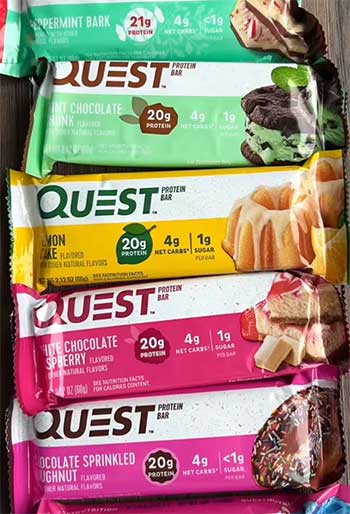
- The Low Sugar Advantage That Keeps Cravings In Check: I used to battle afternoon sugar crashes, but switching to these bars changed that for me. With only 1 gram of sugar per bar, you avoid those rollercoaster effects that leave you hungry again soon after. Instead, you stay satisfied longer, which helps when you are trying to manage weight or simply eat cleaner. I love that I can enjoy a sweet treat without guilt, and you will too if you want flavor without the downside.
- Impressive Fiber Levels That Support Digestion Over Time: The 11 to 14 grams of fiber in most flavors surprised me at first, but now I see it as a major plus. You get prebiotic benefits that help keep things moving smoothly when your diet otherwise lacks fiber. I pair mine with plenty of water, and over weeks, my digestion feels more regular. You might experience the same steady improvement if you introduce them gradually.
- Convenience That Fits Your Busy Lifestyle: I cannot count how many times these bars saved me during travel or long workdays. You toss one in your bag, and it requires zero prep. The shelf-stable design means no refrigeration worries, so you always have a solid option ready. You will appreciate this portability when schedules tighten and healthy choices get harder to find.
- Variety Of Flavors That Prevent Boredom: From Cookies And Cream to Pumpkin Pie or Blueberry Muffin, the range keeps me coming back. I rotate flavors weekly so nothing feels monotonous. You can find ones that mimic your favorite desserts, making healthy eating feel like a treat rather than a chore.
Cons of Quest Protein Bars That You Should Know

- Potential Digestive Discomfort From Sugar Alcohols: Some flavors include erythritol or similar sweeteners that do not sit well with everyone. I experienced mild bloating or gas on days when I ate a full bar quickly, especially early on. You might feel similar effects if your stomach is sensitive, so starting with half helps you test tolerance.
- Chewy Texture That Takes Adjustment: The dense, chewy consistency is not for every palate. I found it satisfying once warmed, but straight from the wrapper it can feel tough at first. You could find yourself wishing for something softer if you prefer melt-in-your-mouth snacks.
- Higher Fiber Load That May Overwhelm At Once: While the fiber benefits you long-term, consuming 12-plus grams in one sitting can cause temporary cramping if your body is not used to it. I learned this the hard way during my initial trials and now space them out.
- Artificial Aftertaste In Certain Flavors: A few varieties leave a slight artificial note on the tongue, particularly if you are sensitive to sweeteners. I notice it less in chocolate-based options, but you might pick up on it in fruitier ones and prefer to avoid those.
- Cost That Adds Up With Regular Use: At premium pricing per bar, buying in bulk helps, but it still feels expensive compared to homemade snacks. You will weigh this against the convenience when budgeting your grocery list.
Tips And Best Practices For Quest Protein Bars
- Proper Storage Methods To Maintain Freshness: I always keep my unopened boxes in a cool, dry pantry away from direct sunlight or heat sources. You should do the same to prevent the bars from becoming too soft or melting in warm conditions. Avoid leaving them in a hot car during summer days, as the texture can turn mushy and unappealing.
- Warming Techniques To Improve Enjoyment: Microwaving a bar for 8 to 12 seconds transforms the chew into a warm, gooey delight that feels more like a fresh-baked treat. I do this often with cookie dough flavors, and you will love how the chocolate chunks soften perfectly. Experiment with short bursts to find your ideal warmth without overheating.
- Gradual Introduction To Minimize Stomach Issues: Start with half a bar and drink extra water to let your system adapt to the high fiber and sugar alcohols. I ramped up slowly over two weeks, and you can follow a similar approach to avoid discomfort while still gaining the benefits.
- Rotation Of Flavors For Balanced Intake: I cycle through sweet and slightly less sweet options to prevent palate fatigue and ensure variety in any minor ingredient differences. You should mix it up too so one flavor does not dominate your weekly consumption.
- Pairing Strategies With Other Foods: Combine a bar with a piece of fruit or handful of nuts when possible for added nutrients and better satiety. I often do this at breakfast time, and you will notice improved overall balance in your meals.
- Checking Expiration Dates Regularly: Even though these bars last long, I check dates before stocking up and consume older ones first. You can extend usability by storing in airtight containers after opening a box, keeping them fresher longer.
- Hydration Focus When Consuming Regularly: Because of the fiber content, I make sure to increase my daily water intake on days I eat a bar. You will feel better and support digestion effectively by staying well-hydrated throughout.
Comparison of Quest Protein Bars With Other Leading Brands
- Quest Protein Bars Versus Think High Protein Bars
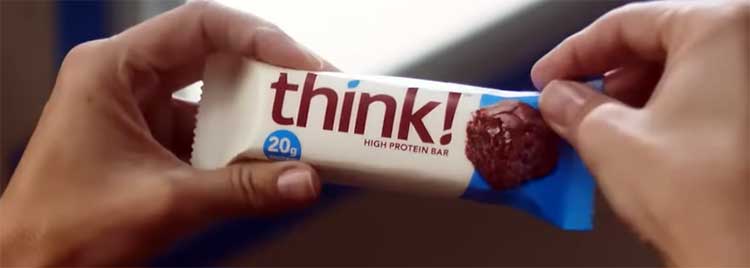
When I compare my experience with Quest Protein Bars to Think High Protein Bars, the protein count stands out immediately. Quest consistently delivers around 20 grams of protein from a clean dairy blend, while Think often hits similar numbers but relies more on a mix that includes soy in some varieties.
I noticed Quest kept me fuller longer during busy afternoons because of its higher fiber content, usually 11 to 14 grams. Think bars feel softer and less chewy, which you might prefer if you dislike the dense bite of Quest.
However, I found Think sometimes leaves a sweeter aftertaste that fades slower, whereas Quest flavors like Chocolate Chip Cookie Dough taste more balanced once I warm them slightly.
You will likely choose Quest if maximum protein density and low net carbs matter most for your cutting phase, but Think could win you over for everyday snacking when you want something that feels closer to a regular granola bar.
- Quest Protein Bars Compared To Stars And Honey Protein Bars
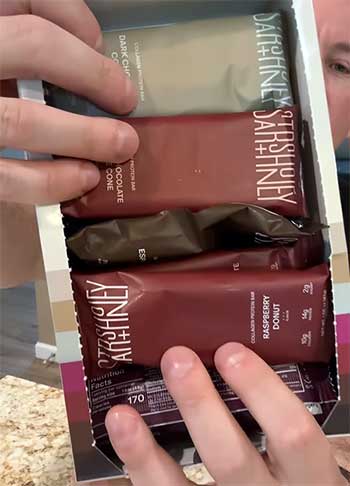
Switching between Quest Protein Bars and Stars And Honey Protein Bars taught me a lot about sweetness sources.
Stars And Honey uses honey as a primary sweetener, giving it a more natural taste that many of my friends enjoy right away.
Quest relies on sugar alcohols and stevia, which keeps total sugar at just 1 gram but can cause mild bloating if you are not used to it.
I appreciated how Stars And Honey felt gentler on my stomach during longer hikes, yet Quest provided better muscle recovery support thanks to its higher protein-to-calorie ratio.
The texture of Stars And Honey is noticeably softer and less rubbery, making it easier to eat cold. You might lean toward Stars And Honey when prioritizing whole-food sweeteners and fewer artificial notes, while I keep returning to Quest for the strict low-sugar control that helps me stay on track with fat loss goals without feeling deprived.
- How Quest Protein Bars Stack Against Kirkland Protein Bars
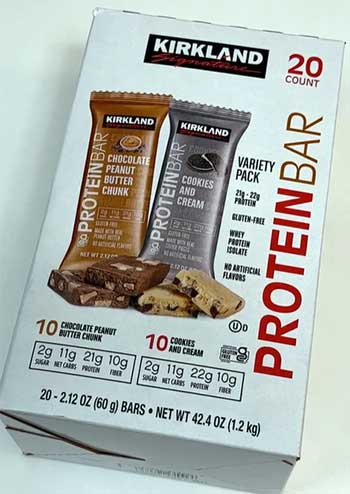
Cost becomes obvious when I stock up on both Quest Protein Bars and Kirkland Protein Bars.
Kirkland offers excellent bulk value with larger boxes at a lower price per bar, which suits my budget when I go through multiple boxes monthly.
Quest costs more upfront but rewards me with superior taste and only 1 gram of sugar compared to Kirkland’s higher sugar content from added syrups.
I measured my satiety after eating each, and Quest kept hunger away for nearly four hours, while Kirkland sometimes left me reaching for another snack sooner due to lower fiber.
The chew in Quest feels more substantial and dessert-like after microwaving, whereas Kirkland has a softer, almost cake-like consistency that some people love for quick bites.
You will probably pick Kirkland if saving money while still getting decent protein around 15 to 18 grams is your main priority, but I stick with Quest when performance and clean macros outweigh the extra expense.
- Quest Protein Bars Versus Aloha Protein Bars
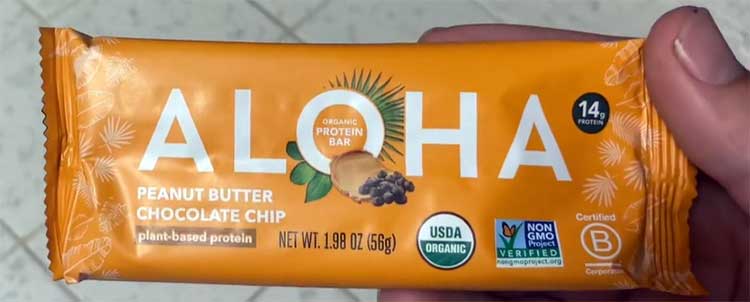
Trying Aloha Protein Bars alongside my usual Quest Protein Bars highlighted the plant-based difference clearly. Aloha uses pea and brown rice protein, making it fully vegan and often gentler for those with dairy sensitivities.
I experienced less bloating with Aloha on sensitive days, yet Quest gave me faster absorption and higher leucine content from whey and milk isolates that support muscle repair better after weight training. Aloha bars taste more earthy and nutty with real fruit pieces, which you might enjoy if you avoid dairy entirely.
Quest, on the other hand, delivers chocolate and cookie flavors that mimic indulgent treats without the dairy-free compromise in creaminess. Fiber levels are comparable, but Quest edges out with better overall mouthfeel once warmed.
You could choose Aloha when following a vegan lifestyle or seeking variety with organic ingredients, while I favor Quest for its animal-based protein efficiency that aligns with my strength training routine and keeps me satisfied longer.
Frequently Asked Questions (FAQ)
They offer solid protein and low sugar but include sugar alcohols and processed ingredients, so they fit as a convenient option rather than a daily whole-food staple.
Yes for most people if you tolerate the fiber and sweeteners well, but vary your diet and monitor digestion to avoid issues.
It depends on goals, but options with whole foods and minimal additives like certain Rxbar varieties often rank high for overall nutrition.
They can irritate due to high fiber, sugar alcohols, and density, so consult a doctor and opt for gentler, lower-fiber choices instead.
Final Thoughts
In conclusion, Quest Protein Bars have earned a permanent spot in my snack rotation because they combine impressive nutrition with real-world convenience and flavors I actually crave.
You should give them a try if you want an easy way to boost protein without sacrificing taste or time. They make staying on track feel achievable and even enjoyable, day after day.