
I have spent years hunting for the perfect protein bar that actually tastes good, keeps me full, and supports my workouts without wrecking my macros or my stomach.
Pure Protein bars and Quest bars both land in my gym bag often, but they serve different needs. In this article, I share my honest experiences comparing them head to head so you can decide which one fits your routine better.
I focus on real-user feelings—taste after a long day, how they sit in the gut, and whether they genuinely help hit protein goals without compromise.
Here is a quick side-by-side comparison of typical versions (Chocolate Deluxe for Pure Protein and Chocolate Chip Cookie Dough for Quest, based on common flavors):
| Feature | Pure Protein Bar | Quest Bar |
| Calories | ~190-200 | ~180-190 |
| Protein | 20-21g | 20-21g |
| Sugar | 2-4g | 1g |
| Fiber | 1-2g | 11-14g |
| Net Carbs (approx.) | 14-16g | 3-5g |
| Fat | 5-8g | 7-9g |
| Texture | Chewy, sometimes crunchy pieces | Dense, can feel stiff or nougaty |
| Price per bar | Lower, often more affordable | Higher |
| Main Protein Sources | Whey concentrate, soy isolate | Whey isolate, milk isolate |
Key Differences Between Pure Protein Bar And Quest
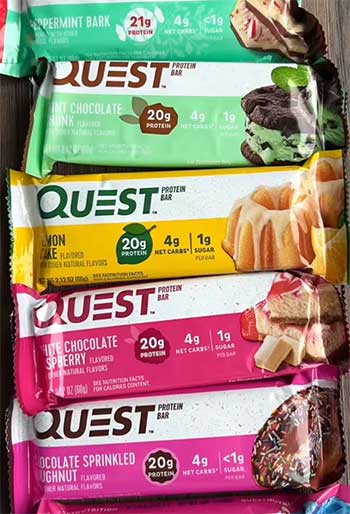
- Protein Quality And Sources: I notice Pure Protein often blends whey protein concentrate with soy protein isolate. That mix delivers solid amino acids at a budget price, but some people avoid soy for various reasons. Quest sticks mainly to whey protein isolate and milk protein isolate, which I find feels cleaner and more bioavailable on lifting days when recovery matters most.
- Carb And Fiber Profile: Quest stands out here with massive fiber counts that keep me satisfied for hours. Pure Protein keeps total carbs moderate but without the fiber boost, so it feels lighter and quicker to digest when I need energy without bloating.
- Sweeteners And Aftertaste: Both use sugar alcohols or artificial options like maltitol or sucralose. Pure Protein sometimes leaves a milder sweetness that reminds me of candy bars. Quest can hit harder with its sweeteners, though many flavors mask it well once you get used to them.
- Texture And Mouthfeel: Pure Protein wins for me on chewiness—it feels more like a treat with a soft interior and occasional chocolate coating. Quest tends toward a denser, sometimes dry or rubbery bite that improves if I warm it slightly.
- Calorie Density And Satiety: They sit close in calories, yet Quest’s high fiber makes it more filling for me during busy afternoons. Pure Protein feels like a straightforward snack that does not weigh me down before or after training.
- Ingredient Simplicity: Pure Protein lists fewer standout fibers but includes more recognizable components in some flavors. Quest loads up on soluble corn fiber and isolates, which works great for low-net-carb goals but can upset sensitive stomachs.
- Availability And Variety: I grab Pure Protein easily at big stores or pharmacies when I run out. Quest offers more adventurous flavors, but I sometimes pay a premium or order online.
- Impact On Digestion: The fiber difference shows up here. Quest keeps me regular but occasionally causes gas if I eat one too quickly. Pure Protein slides through easier for daily use without that side effect.
Key Features of Pure Protein Bars
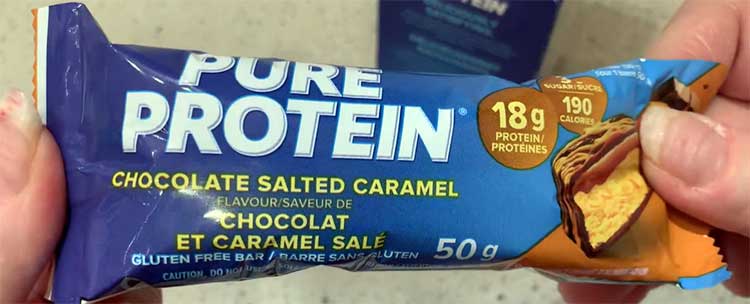
- High protein punch at 20-21 grams per bar that helps me rebuild after weights without extra calories, supporting muscle maintenance during consistent training sessions.
- Chewy texture with chocolate coatings on many flavors that actually satisfy sweet cravings and feel indulgent rather than medicinal.
- Wide range of dessert-like options including chocolate peanut butter, cookies and cream, lemon cake, birthday cake, and galactic brownie that keep my snack rotation exciting week after week.
- Lower fiber means it digests faster, perfect when I need a quick boost before cardio or when I want something light that won’t sit heavy in my stomach.
- Affordable pricing that lets me stock up without feeling guilty about the grocery bill, making it practical for regular daily consumption.
- Gluten-free options across most of the lineup, which accommodates different dietary preferences without sacrificing convenience.
- Consistent macros that fit easily into calorie-controlled plans, giving me reliable numbers to track without surprises.
- Soy-inclusive blends that still deliver complete proteins for muscle support, providing a balanced amino acid profile at a reasonable cost.
- Milder sweetness that avoids overpowering artificial notes in several flavors, letting the chocolate or peanut butter shine through naturally.
- Portable size that fits in my pocket or bag for on-the-go days, whether I am heading to the office or squeezing in a quick gym session.
I reach for Pure Protein when I want something that mimics a candy bar but delivers real protein. The chocolate peanut butter version, for example, gives me that familiar nutty richness without the guilt. It never feels like I am forcing down a supplement.
Pros of Pure Protein Bars
- Excellent value that stretches my budget further than many competitors, allowing me to buy in larger quantities without breaking the bank each month.
- Tastes closer to real treats, especially chocolate-heavy flavors that remind me of childhood favorites and make hitting protein goals feel like an actual reward.
- Chewy and satisfying mouthfeel that holds up well without crumbling or sticking to teeth, creating an enjoyable eating experience every time.
- Lower fiber content prevents bloating or discomfort during long workdays or travel, keeping my energy steady instead of distracted by digestive issues.
- Easy to find in stores, so I never scramble when supplies run low and can pick them up during regular shopping trips.
- Solid protein from a blend that supports daily needs without overcomplicating things, making it straightforward for beginners or casual users.
- Moderate carbs that pair nicely with balanced meals rather than spiking or crashing energy, helping maintain focus throughout the day.
- Variety that keeps things interesting across sweet, fruity, and nutty profiles, preventing flavor fatigue over time.
- No heavy aftertaste in most bars, making them repeatable daily without that lingering chemical sensation some bars leave behind.
- Good for people who prefer lighter digestion and quicker energy release, especially when staying active but not in strict cutting mode.
The affordability combined with decent taste makes Pure Protein my go-to when I bulk buy for the month. I feel like I get more enjoyment per dollar spent, and that keeps me consistent with my nutrition plan.
Cons of Pure Protein Bars
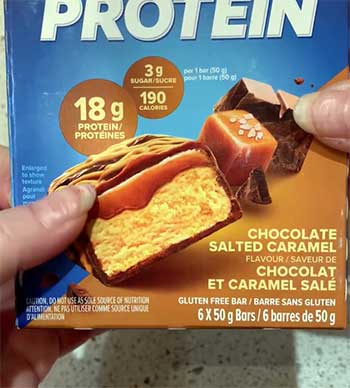
- Lower fiber means less staying power compared to high-fiber alternatives, so hunger can return sooner on very demanding days.
- Inclusion of soy in some formulas bothers those with sensitivities or preferences against it, requiring me to check labels carefully.
- Sugar alcohols like maltitol can still cause mild stomach issues for very sensitive folks, though it happens less often than with higher-fiber bars.
- Slightly higher sugar than ultra-low options, though still minimal overall and usually not a dealbreaker for moderate goals.
- Protein sources mix concentrate and isolate, which some purists see as less premium, potentially affecting absorption speed slightly.
- Can feel a touch chalky in certain flavors if not fresh, especially if stored in warmer conditions for too long.
- Less emphasis on net-carb minimization for strict keto followers, making it less ideal during deep carb-restriction phases.
- Texture, while chewy, sometimes lacks the dense chew that others crave for a more substantial bite.
- Availability of specific limited flavors can vary by store, occasionally forcing me to settle for second choices.
- Not as filling on its own for very active days without pairing with other food, which means I sometimes need to add nuts or fruit alongside.
I have days where I wish Pure Protein kept me fuller longer, especially during fat-loss phases when hunger sneaks up unexpectedly.
Key Features of Quest Bars
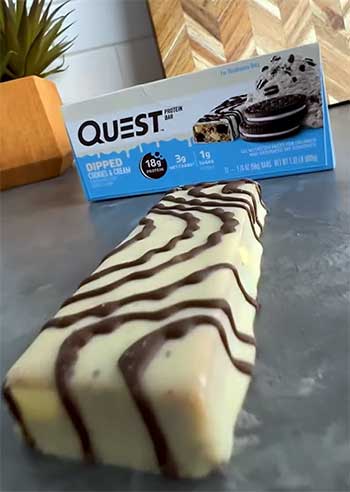
- Impressive fiber load, often 11-14 grams, that supports gut health and prolonged fullness, helping me power through long afternoons without constant snacking.
- Very low sugar, usually around 1 gram, which aligns with clean eating or low-glycemic goals and keeps blood sugar more stable.
- High-quality isolate proteins that I trust more for fast absorption post-workout, aiding quicker recovery when I train hard.
- Extensive flavor lineup including cookie dough, s’mores, mint chocolate, birthday cake, and dipped versions that add excitement to my daily routine.
- Gluten-free and often keto-friendly with low net carbs in the 3-5 gram range, fitting seamlessly into specialized eating styles.
- Dense texture that feels substantial and snack-like rather than snack-bar flimsy, giving a satisfying chew once I adjust to it.
- Microwave trick improves chewiness for those who dislike the initial stiffness, turning it into a warmer, softer treat.
- Consistent calorie control around 180-190 that fits macro tracking seamlessly, removing guesswork from my logging.
- High satiety factor that reduces snacking between meals, supporting better adherence to calorie deficits when needed.
- Innovative sweeteners and fibers that keep net carbs minimal without sacrificing size or protein content.
Quest changed how I think about protein snacks because one bar genuinely tides me over until dinner on hectic days, making it easier to stick with my plan.
Pros of Quest Bars
- Outstanding fiber content that keeps me satisfied and supports digestion over time, promoting regularity without extra effort.
- Extremely low sugar and net carbs ideal for cutting phases or blood sugar management, helping maintain steady energy levels.
- Premium protein isolates that feel cleaner and more effective for recovery, giving me confidence in the quality I am consuming.
- Huge flavor selection that prevents boredom, with creative options like pumpkin pie or white chocolate raspberry that feel fun and motivating.
- Filling nature that acts almost like a mini meal replacement, especially useful during travel or busy work schedules.
- Proven track record for athletes and fitness enthusiasts seeking performance support, backed by consistent results I have seen in my own training.
- Gluten-free formulation without compromise on structure, maintaining integrity even when tossed in a bag.
- Low calorie density relative to the protein and fiber delivered, maximizing nutritional bang for the caloric buck.
- Dipped or Hero versions add variety in texture and taste, offering upgraded experiences for special occasions or cravings.
- Strong brand reputation built on consistent macros across batches, so I know what to expect every time I open one.
The fullness factor alone makes Quest a staple when I need to stay on track during busy weeks, reducing the temptation to reach for less healthy options.
Cons of Quest Bars
- Higher price point that adds up quickly if I eat them daily, stretching my supplement budget more than I sometimes prefer.
- Dense or stiff texture that some find off-putting until warmed or accustomed to it, requiring a short adjustment period.
- Potential for gas or bloating from the high soluble fiber load, especially at first or if consumed too quickly on an empty stomach.
- Artificial sweetener aftertaste noticeable in certain flavors until taste buds adapt, which can be off-putting initially.
- Can feel drier or more rubbery compared to softer alternatives, particularly in cooler temperatures.
- Not the cheapest option, which limits bulk purchasing for some budgets and makes it feel like a treat rather than everyday staple.
- Soy-free but still relies on dairy isolates that may not suit everyone with lactose sensitivities.
- Overpowering sweetness in a few flavors that borders on cloying, making moderation important for palate fatigue.
- Less candy-like indulgence compared to chewier bars, so it does not always scratch the same treat itch.
- Digestion adjustment period required for those new to high-fiber products, which can disrupt routines temporarily.
I have learned to space out Quest bars or pair them with water to avoid any discomfort, turning a potential drawback into manageable routine.
Also Read: Is Arbonne Protein Powder Worth It?
Frequently Asked Questions (FAQ)
It depends on you. Pure Protein offers better value and chewiness for casual use. Quest provides superior fiber and lower net carbs for stricter goals.
Many options exist, but brands emphasizing whole foods, minimal processing, and balanced macros often rank high. Quest and Pure Protein both deliver solid protein with controlled sugar, though individual needs vary.
Quest performs well due to high fiber, low sugar, and quality isolates, but it is not universally the healthiest. Factors like personal digestion, sweetener tolerance, and overall diet matter more.
Yes, they supply meaningful protein with reasonable calories and low-to-moderate sugar. They fit healthy routines when paired with whole foods, though fiber is lower than some alternatives.
My Overall Take and Which One I Choose
When I stack Pure Protein against Quest, I see clear trade-offs based on my goals that day. Pure Protein shines for everyday enjoyment, affordability, and a treat-like experience without heavy digestion demands.
Quest excels when I prioritize maximum fullness, minimal carbs, and high fiber for sustained energy or stricter dieting.
I often rotate between them. On lifting days with higher calorie needs, Pure Protein feels rewarding and easy. During fat-loss or low-carb weeks, Quest becomes my reliable ally because it curbs hunger effectively.
Neither is perfect, but both beat skipping protein or reaching for less healthy snacks.
You get to decide based on your priorities—budget and taste might pull you toward Pure Protein, while fiber and low net carbs might steer you to Quest. Experiment with a few flavors from each to see what clicks with your palate and stomach. I have found that listening to how my body responds after eating them guides the best long-term choice.