
I’ve been dealing with weeds in my garden for years, and let me tell you, Preen Weed Preventer has been a game-changer for keeping things tidy without endless hours on my knees.
If you’re tired of those pesky invaders taking over your flower beds or mulch areas, you should grab a bottle of this stuff right now—it’s straightforward, effective, and lets you enjoy your outdoor space more.
Trust me, once you try it, you’ll wonder why you waited so long.
My Experience With Preen Weed Preventer
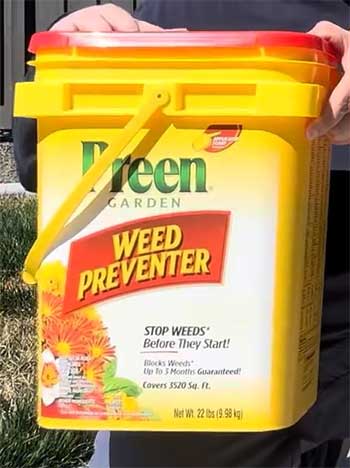
I remember the first time I picked up Preen Weed Preventer—it was last spring, after a particularly brutal winter left my backyard looking like a wild meadow.
I’d spent the previous summer pulling weeds every weekend, and I was done with that routine.
You know how it is: you plant beautiful flowers, add some mulch, and then bam, crabgrass and dandelions start popping up everywhere, stealing nutrients from your prized perennials.
I figured it was time to try something preventive instead of always reacting after the fact.
So, I headed to my local garden store and grabbed the standard Preen Garden Weed Preventer granules. The bottle was easy to handle, with that flip-top applicator that lets you sprinkle it right where you need it.
I started by clearing out any visible weeds in my flower beds—nothing major, just yanking the big ones by hand. Then, I spread a layer of fresh mulch over the soil, about two inches thick, to give everything a clean base.
Following the instructions, I shook the Preen evenly over the top, aiming for that speckled coverage they recommend, like about 20 little dots per square inch. It didn’t take long; my whole backyard setup, which is maybe 500 square feet of beds, was done in under 20 minutes.
After that, I watered it in gently with my hose on a mist setting to activate it without splashing everywhere. I was a bit skeptical at first—would this really stop new weeds from showing up? But as the weeks went by, I noticed a huge difference.
Normally, by mid-May, I’d see tiny sprouts pushing through the mulch, but this time, the beds stayed mostly clear. I have hostas, daylilies, and some shrubs back there, and none of them showed any signs of stress.
The Preen seemed to create this invisible shield in the soil, blocking those weed seeds from germinating without harming my established plants.
Of course, it wasn’t perfect. A few stubborn perennials like bindweed tried to creep in from the edges, but since Preen doesn’t touch existing roots, I spot-treated those with a different product later. Overall, though, my weeding time dropped dramatically.
I could actually sit back with a coffee and admire the garden instead of fighting it. By summer’s end, I reapplied once, and it carried me through to fall. You might think it’s too good to be true, but in my case, it lived up to the hype.
If your garden is like mine—mostly ornamentals with some veggies that are already up and growing—give it a shot. It made me feel like I had control again, and that’s priceless when you’re juggling work and family.
That said, I learned a few tricks along the way. For instance, timing matters; I applied it early in the season before the heat kicked in, which helped it last longer.
And I avoided getting it on my lawn edges, since it’s not meant for grass. All in all, my first go-round with Preen turned me into a believer. You should see how neat my beds look now—it’s like they maintain themselves.
Pros of Preen Weed Preventer
When I think about what makes Preen stand out, it’s the way it simplifies garden care without a lot of fuss. I’ve tried other methods, but this one fits my lifestyle perfectly.
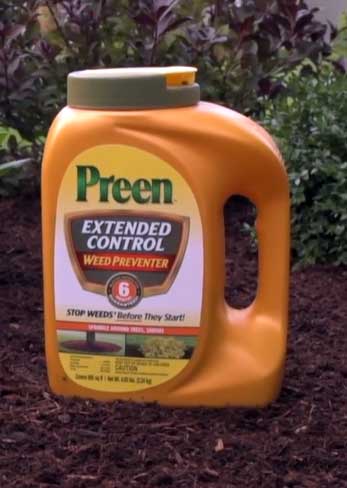
- Ease of Application: You don’t need fancy tools or a degree in horticulture to use Preen. I just shake it out of the bottle, and the granules spread evenly. No mixing sprays or worrying about overspray hitting your plants. It’s granular, so it stays put until you water it in, and that flip-top cap means no mess on your hands.
- Long-Lasting Protection: In my garden, one application kept most weeds at bay for three months or more. That’s huge when you’re busy—fewer weekends wasted pulling sprouts. It targets those seeds before they become problems, so your beds stay looking fresh longer.
- Compatibility with Plants: I love that it’s safe around over 200 types of established flowers, shrubs, and even some veggies once they’re past the seedling stage. My hostas and roses thrived, no yellowing or stunted growth. It lets you focus on growing what you want, not fighting what you don’t.
- Time and Effort Savings: Before Preen, weeding was a chore that ate up my free time. Now, I spend maybe a quarter of the effort maintaining my beds. You get to enjoy the results sooner, like hosting barbecues without embarrassment over overgrown patches.
- Environmental Considerations: Compared to harsher options, Preen feels milder. It biodegrades over time based on weather and soil, and when used right, it minimizes the need for repeated treatments. In my experience, it reduced my overall chemical use since I wasn’t constantly spot-killing weeds.
Also Read: My Thoughts On Sunday Lawn Care.
Cons of Preen Weed Preventer
No product is flawless, and Preen has its drawbacks that I’ve run into. It’s important to know these so you can decide if it fits your setup.
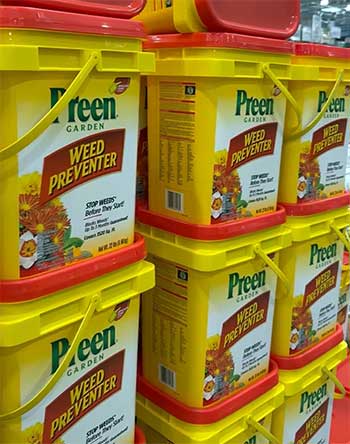
- Limited to Prevention Only: Preen won’t touch weeds that are already growing. If your garden is overrun, you’ll need to clear them first, which means extra work upfront. I had to pull some by hand before applying, and it doesn’t handle perennials with deep roots.
- Restrictions on Use Areas: You can’t sprinkle it everywhere. It’s not for lawns, new flower seeds, or certain sensitive veggies like lettuce or corn in their early stages. I learned the hard way to check labels—once, I almost used it near my seed-starting area.
- Potential for Uneven Coverage: If you don’t apply it uniformly, some spots might still get weeds. In windy conditions, granules can drift, so I always do it on calm days. It requires a bit of attention to detail.
- Weather Dependency: Heavy rain or extreme heat can shorten its effectiveness. In my hot summer, I noticed quicker breakdown, meaning more frequent reapplications than advertised.
- Mild Health and Environmental Concerns: While it’s generally safe, it can irritate skin or eyes if mishandled, and it’s toxic to fish if it runs off into water. I always wear gloves and avoid applying near ponds.
Tips For Preen Weed Preventer
Keeping Preen working well comes down to smart habits. I’ve fine-tuned my approach over time, and these steps have made a big difference in my garden’s health.
- Proper Initial Preparation: Start with a clean slate. I always remove existing weeds by hand or tool before applying Preen—roots and all if possible. Then, rake the soil lightly for a smooth surface. This ensures the granules make good contact and form that barrier effectively.
- Optimal Application Techniques: Use a spreader if your area is large; it helps with even distribution. I aim for dry plants and soil, sprinkling at the recommended rate—about one ounce per 10 square feet. Water it in right after, but gently, to activate without washing it away. If rain is coming, that’s even better, as it does the job for you.
- Timing for Best Results: Apply early in spring before weeds germinate, or anytime in the growing season around established plants. I time mine for mild weather, avoiding peak heat that speeds up breakdown. For ongoing control, reapply every nine to 12 weeks, but check your local conditions—sandy soils might need it sooner.
- Combining with Mulch: Mulch amplifies Preen’s power. I spread two to three inches of organic mulch first, then top with Preen. It blocks light from seeds while the preventer handles the rest. Just rake lightly if needed to integrate, and avoid disturbing the soil afterward to keep the barrier intact.
- Monitoring and Adjustments: Keep an eye on your beds weekly. If breakthrough weeds appear, spot-remove them without tilling deep, as that can disrupt the layer. I adjust based on rainfall—if it’s dry, I water more to maintain activation. For veggie areas, use the natural version with corn gluten to stay organic.
- Safety and Storage Practices: Always store Preen in a cool, dry spot to preserve its potency. I wear protective gear during application and keep pets away until it’s watered in and dry. If you have waterways nearby, be extra cautious to prevent runoff.
These tips have kept my garden thriving with minimal hassle. You might find tweaking them for your soil type or climate makes them even more effective—it’s all about observing what works in your space.
Comparison of Preen Weed Preventer With Other Brands
When I started exploring weed control options, I compared Preen to several alternatives. Each has its place, but understanding the differences helped me choose wisely for my needs.
- Preen Vs. Vigoro Weed & Feed

I’ve used both Preen and Vigoro Weed & Feed, and they’re like apples and oranges in how they approach weed control.
Preen is all about prevention—those granules create a barrier in the soil to stop weed seeds from sprouting, which is perfect for my flower beds where I don’t want to harm established plants.
I sprinkle it over mulch, water it in, and it keeps things clear for months without much fuss. On the other hand, Vigoro Weed & Feed is more of a lawn specialist; it’s a combo product that fertilizes your grass while targeting existing broadleaf weeds like dandelions or clover.
When I applied it to my patchy lawn last spring, it greened things up nicely and knocked out visible weeds within a week or two, thanks to its post-emergent herbicides mixed with nutrients.
But here’s where they differ big time: Preen won’t touch weeds that are already up, so if your yard is overrun, you’ll need to pull them first. Vigoro handles that reactive side better for turf, but it’s not ideal for gardens because it can stress flowers or veggies if misapplied.
In my case, Preen saved me time on maintenance in ornamental areas, while Vigoro boosted my grass health overall. If you’re focusing on beds like me, Preen edges out for its gentle, preventive vibe—you get fewer reapplications and no worries about over-fertilizing.
Vigoro shines if your main goal is a lush lawn with built-in weed zapping, but it requires more careful timing around mowing and watering. Overall, I’d pick Preen for targeted prevention, but grab Vigoro if you need that dual-action punch for grassy spots.
- Preen Vs. Ortho GroundClear
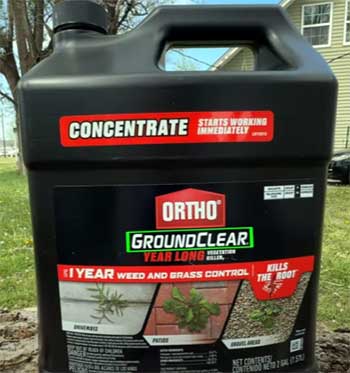
Switching gears to Ortho GroundClear, this one’s a heavy hitter compared to Preen’s subtler style.
Preen focuses on stopping weeds before they start, making it my go-to for keeping mulch beds pristine around shrubs and perennials.
It doesn’t kill anything outright, which means my plants stay happy and I avoid collateral damage.
Ortho GroundClear, though, is a total vegetation killer—it’s designed to wipe out weeds and grass on contact, ideal for driveways, patios, or clearing out overgrown spots.
I tested it on my gravel path where weeds were taking over, and it delivered fast results, becoming rainproof quickly and lasting through the season.
The key difference? Ortho is non-selective, so it’ll zap everything it touches, including desired plants if you’re not precise with the spray wand. Preen lets you work around established greenery without risk, but it demands upfront weeding.
In my trials, Ortho was messier to apply—spray drift is a real issue on windy days—while Preen’s granules are straightforward and stay put. Environmentally, Preen feels milder since it biodegrades over time, whereas Ortho has stronger chemicals that raised some safety flags for me, especially near edibles.
If you need to prevent in garden beds, Preen’s your friend for ongoing control without the kill-all approach. But for bare-ground areas or tough invasions, Ortho GroundClear wins for its aggressive, quick-kill power. I alternate them based on the spot—Preen for living areas, Ortho for the tough jobs.
- Preen Vs. RM43 Weed Killer
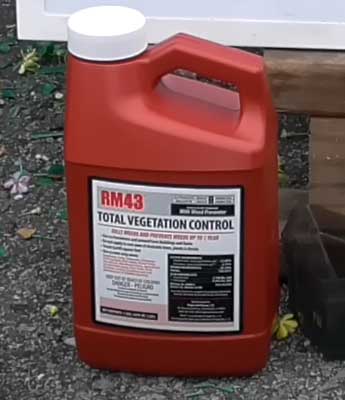
Finally, pitting Preen against RM43 Weed Killer feels like comparing a shield to a sledgehammer.
Preen is preventive at heart, blocking germination in soil for beds and mulched areas, which has kept my hostas and roses weed-free without harming them.
It’s granular, easy to spread, and lasts three to four months in my yard.
RM43, with its 43% glyphosate formula, is a beast—it’s both a killer and preventer, eliminating existing weeds roots and all while stopping new growth for up to a year.
I used it on a weedy fence line, and it cleared everything out thoroughly, no regrowth in sight even after heavy rains.
Where they split: RM43 is for total control in non-planted zones like paths or industrial spots; it’s too potent for gardens, as it could sterilize soil and affect nearby plants via runoff. Preen is safer for selective use around ornamentals, but it won’t handle deep-rooted perennials or active infestations like RM43 does.
Application-wise, RM43 requires mixing and spraying, which took more effort and gear for me, plus it’s pricier per treatment. Preen’s shake-and-go method is simpler and less hazardous for casual gardeners. In terms of results, RM43 gave me longer-lasting barren ground, but Preen integrated better into my eco-friendly routine with fewer environmental concerns.
If prevention in lively beds is your aim, stick with Preen—it’s gentler and more forgiving. For scorched-earth scenarios, RM43 is unbeatable, but use it sparingly. I’ve found blending them works best: Preen for daily maintenance, RM43 for problem zones.
All in all, Preen holds its own as a reliable preventer, but these matchups show how your specific needs dictate the best choice. Experiment like I did, and you’ll find what clicks for your space.
Frequently Asked Questions (FAQ)
It can cause mild skin or eye irritation if handled without gloves, and it’s toxic to fish and aquatic life if it enters water.
Avoid using it on flower seeds, lawns, new vegetable plantings, or near ponds and streams.
It prevents weeds by stopping seeds from germinating but doesn’t kill existing ones.
Preen is better for prevention in gardens; Roundup is for killing active weeds but can harm desired plants.
Final Thoughts
If you’re ready to reclaim your garden from weeds without the constant battle, pick up Preen Weed Preventer today. It’s transformed my outdoor routine, saving time and effort while keeping things looking sharp.
You deserve that ease—go for it and see the difference yourself.