
If you’re tired of spending weekends scrubbing your pool floor or dealing with cloudy water from fine debris, you should seriously consider buying the Polaris Atlas XT.
I’ve owned mine for over a year now, and it’s transformed how I maintain my backyard oasis—saving me time, effort, and frustration while keeping the water crystal clear. It’s reliable, powerful, and worth every penny for anyone who wants a hassle-free clean pool.
My Experience With The Polaris Atlas XT
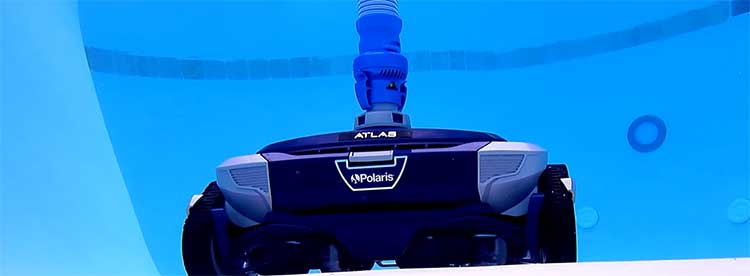
When I first unboxed the Polaris Atlas XT, I was impressed by how sturdy it felt right away. The build quality stood out—the tracks looked tough, the body was solid plastic that didn’t feel cheap, and those spinning scrubbing brushes promised some serious action against stuck-on dirt.
Setting it up was straightforward: I connected the twist-lock hoses (a feature I love because they stay secure without leaks), hooked it to my dedicated vacuum line, and let my variable-speed pump do the rest.
The first time I dropped it in the pool, I watched from the edge like a kid with a new toy. It started moving immediately, no priming needed, and covered the floor in smooth, methodical patterns.
What surprised me most was how it handled fine silt and dust—stuff that used to slip past my old cleaner and cloud the water after a windstorm. Thanks to the HALO technology, it sucked up everything from tiny particles to longer debris like twigs without jamming once.
You know that satisfying feeling when you see your pool walls getting scrubbed clean? The Atlas XT climbs like a champ. In my inground pool with plaster surfaces, it effortlessly goes from floor to walls, reaching right up to the waterline.
I have a few benches and a deep end, and it navigates them without getting stuck often. On days with light debris, it finishes a full clean in a couple of hours when my pump runs. The concentrated scrubbing action lifts algae and grime that manual brushing used to take me forever to handle.
One weekend, after a big storm dumped leaves and pollen everywhere, I let it run longer. It powered through without clogging, directing all that mess straight to my DE filter. The next morning, the pool looked brand new—sparkling and inviting.
My family noticed too; the kids jumped in without complaining about gritty bottoms or murky spots.
Of course, it’s not perfect in every scenario. Steps and ledges get partial coverage, so I occasionally spot-clean those. But overall, this cleaner has cut my manual vacuuming to almost zero. I run my pump on low flow most days, and it still performs efficiently, saving on energy too.
If you have an inground pool and want something that just works reliably day after day, you’ll feel the same relief I did when you see it in action.
What I Love About the Polaris Atlas XT?
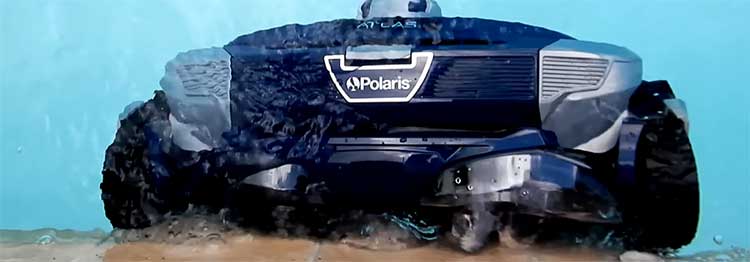
- Unmatched Debris Handling with HALO Technology
This is where the Atlas XT truly shines for me. The HALO system creates unobstructed pathways inside the cleaner, letting it swallow fine silt, sand, pollen, and even longer debris like palm fronds or twigs without choking.
In my dusty area, previous cleaners would jam on stringy algae or small sticks, forcing me to stop and clear them. Now, everything flows straight through to the filter. I’ve run it after heavy winds loaded with fine dust, and it pulls it all in, leaving the water polished and clear.
Pair it with a good DE filter, and you’ll see that crystal sparkle every time.
- Aggressive Scrubbing That Tackles Stuck-On Grime
Those dual spinning brushes aren’t just for show—they rotate independently and scrub vigorously. They loosen embedded dirt, early algae spots, and oily residues that build up on plaster or tile. I used to brush walls manually every week; now, the Atlas XT does most of that work as it climbs.
On my pool’s waterline, where sunscreen and body oils accumulate, it scrubs effectively without me lifting a finger. The brushes agitate the surface just right, directing loosened particles into the suction path for complete removal.
- Superior Wall Climbing and Full Pool Coverage
You have to see it climb to believe it. The powerful turbines and tri-point track treads give it incredible traction on smooth plaster, rough pebble, tile, fiberglass—you name it. It powers up vertical walls to the tile line consistently, scrubbing as it goes.
The multi-directional navigation alternates patterns smartly, avoiding repetitive loops and ensuring even coverage across the floor and walls. In my 20×40 pool, it reaches every corner reliably, thanks to the 39-foot twist-lock hose that stays connected without leaks.
- Energy Efficiency That Saves on Bills
I love that it thrives on low flow. My variable-speed pump runs at 2000 RPM most days, and the built-in regulator valve prevents overload while maintaining performance. No need for high-speed priming or constant full blast—this keeps electricity costs down and extends the cleaner’s lifespan.
Compared to my old model that demanded more power, I’ve noticed lower monthly bills without sacrificing cleaning power.
- Durable Build and User-Friendly Design
The tracks are reinforced with robust treads that grip well and resist wear, even on rougher surfaces. Twist-lock hoses make extensions secure and easy—no more popping off mid-clean.
The body feels tank-like, and modular parts like brushes snap in/out for quick swaps. It’s quiet too; I barely hear it while lounging nearby. Overall, these features make it feel premium without robotic complexity.
- Reliable Performance in Mixed Debris Conditions
Whether it’s fine Florida dust under a screen enclosure or post-storm leaves, it handles variety effortlessly. The convertible inlet (remove the yellow adapter for larger mode) lets me switch for heavy leaf days. It’s transformed heavy cleanup from hours of work to just letting it run.
These aspects make it my go-to recommendation—it’s powerful yet simple, delivering consistent results that make pool ownership enjoyable again.
What Could Be Better With The Polaris Atlas XT?
- Brush Wear Happens Faster Than Expected
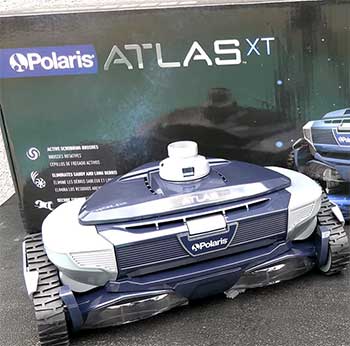
The spinning brushes work hard, which means they wear out.
In my setup with moderate algae and harder water, they’ve needed replacement every 6-8 months.
They’re affordable (around $16-20 per set) and easy to swap—just pop them off—but it’s an ongoing cost.
On rougher plaster, wear accelerates; smoother surfaces might last longer.
Polaris calls them wear items, so no warranty, but including extras in the box would be nice.
- Limited Coverage on Steps, Benches, and Ledges
It excels on flat floors and straight walls, but curved steps, raised drains, sun shelves, or tight benches often get skipped. It might graze them but not scrub thoroughly. In pools with lots of features, you’ll still need occasional manual brushing there.
It doesn’t handle piles of heavy leaves in one pass as well as a robot might—spreading them out helps.
- Occasional Hanging in Corners or on Obstacles
Sharp corners, main drains, or light fixtures can cause brief hangs. High suction makes it stick sometimes; lowering flow fixes most. It rarely gets fully stuck, but you might need to nudge it free occasionally.
In deep ends, it spends extra time if debris collects there.
- Heavy Reliance on Your Filtration System
Everything sucked up goes through your pump basket and filter. Heavy debris means more frequent backwashing or basket emptying. Without a leaf canister, big loads clog faster.
Fine silt is great for DE filters, but sand/cartridge owners clean more often.
- Hose Twists and Storage Nuances
The long hose can develop twists over time, affecting movement. Straightening it periodically is key. When removing for storage, coiling takes effort, and sun exposure can degrade it if not shaded.
- No Independence from Pump Schedule
It only runs when the pump does, so no off-hours cleaning without timer adjustments. For ultimate set-and-forget, robots win here.
These aren’t deal-breakers for me—the core performance outweighs them—but they’re worth knowing for your pool type.
Maintenance Tips To Keep Your Polaris Atlas XT Running Strong
- Routine Daily and After-Use Care: After every run, I pull it out and rinse the body, brushes, and inlet with a hose. This removes chemical residue, salt, or trapped grit that could cause buildup. Shake off water and let it dry in shade to prevent mold. If you leave it in occasionally, check for debris weekly.
- Weekly Inspections and Deep Cleaning: Once a week, flip it over and inspect tracks for embedded sand or pebbles—clean with a soft brush. Remove brushes and rinse thoroughly; soak in mild acid if mineral scales form. Clear the pump basket and filter often, especially after debris-heavy days. Check swivel on top rotates freely; lubricate lightly if sticky (avoid oils).
- Proper Suction Adjustment for Longevity: This is crucial—aim for 10 track revolutions in 20-25 seconds. Too fast wears parts prematurely; too slow reduces efficiency. Use the regulator valve or pump RPM to fine-tune. Test by timing a track while running. I check monthly, adjusting for seasonal changes.
- Brush and Track Maintenance Details: Monitor brush bristles—if flattened or missing chunks, replace promptly for best scrubbing. Rotate pairs side-to-side for even wear. Tracks: clean inner teeth, check for cracks or loose treads. On rough surfaces, expect faster wear; genuine Polaris parts fit perfectly.
- Hose Care and Twist Prevention: Always straighten twists immediately—they restrict flow and stress connections. Store coiled loosely in a shaded bag or box. Inspect twist-locks for cracks; rinse connectors. Proper length is key—too long causes floating, too short limits reach (farthest point plus one extra section).
- Accessory Recommendations for Easier Upkeep: A leaf canister is a must for leafy areas—it traps big stuff before the pump, reducing clogs. Fine mesh bags help with silt. For large debris mode, remove the yellow inlet restrictor (store it safely).
- Troubleshooting Common Performance Issues: If slow: check air leaks, clean filter, verify main drain closed. Not climbing: reduce suction slightly, ensure low waterline isn’t an issue. Hanging often: balance hose floats (one near cleaner, others spaced). Sticking on walls: add hose weight if needed.
- Off-Season and Long-Term Storage: Winterize by disassembling: rinse all parts, remove brushes, dry completely. Store indoors away from extremes. Before next season, reassemble and test flow.
- Filter and Pump Synergy Tips: Since it feeds your system, maintain excellent filtration. Backwash DE regularly, clean cartridges thoroughly. This keeps suction strong and prevents cleaner strain.
Following these steps religiously, mine performs like day one after intense use. Small efforts yield years of reliable service.
How The Polaris Atlas XT Stacks Up Against Other Brands?
- Polaris Atlas XT Vs. Hayward TracVac Suction Pool Cleaner
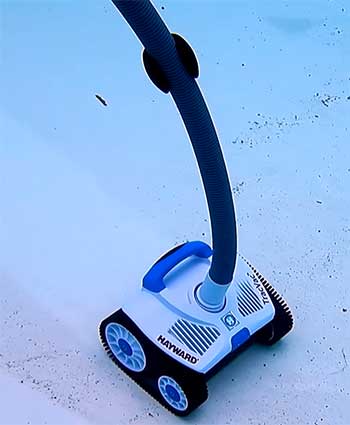
You and I both know suction-side cleaners come down to reliability on real-world pools.
The Hayward TracVac stands out with its compact, lightweight design and rugged tracks that grip like a tank, powering over raised drains, uneven surfaces, and obstacles without hesitation.
It navigates quickly and agilely, often finishing cycles faster in smaller to medium pools up to 20×40 feet.
You get programmed steering for systematic coverage, and it climbs walls to the waterline on most surfaces—perfect if your pool has tricky features like benches or sharp transitions.
The Polaris Atlas XT fights back with superior debris handling thanks to HALO technology. It swallows fine silt, sand, and long twigs without jamming, where the TracVac might choke on larger stringy debris.
My Atlas XT’s dual spinning brushes actively scrub algae and grime off plaster and tile far better than the TracVac’s passive approach. It also climbs consistently higher and more reliably, scrubbing the waterline aggressively. For mixed debris or stubborn buildup, the Polaris leaves the Hayward behind in thoroughness.
If you prioritize speed, lightweight handling, and obstacle navigation in a feature-heavy pool, you’ll lean toward the TracVac. But for comprehensive scrubbing and jam-free performance on fine-to-large debris, my Atlas XT wins hands down—it’s why I rarely touch a manual brush anymore.
- Polaris Atlas XT Vs. Polaris MAXX Pool Cleaner
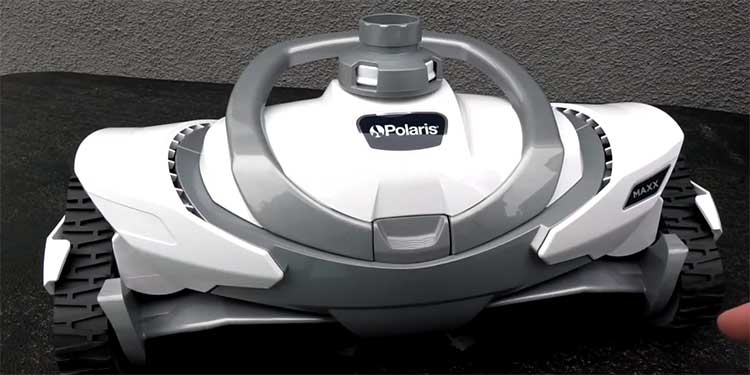
Since both come from the same family, this matchup feels like choosing between siblings. The Polaris MAXX serves as the premium suction-side option, often sold exclusively at places like Leslie’s in a sleek white body.
It shares the exact HALO technology for unobstructed debris passage, powerful turbines for climbing, and replaceable scrubbing brushes. You get the same energy-efficient low-flow operation and multi-directional navigation that covers floor to waterline reliably.
The key difference? The Atlas XT includes twist-lock hoses standard, making connections leak-proof and extensions effortless—no more frustrating pops or leaks mid-clean. The MAXX typically comes with friction-fit hoses unless specified otherwise, which can wear or disconnect over time.
In performance, they’re virtually identical: both handle fine silt and larger leaves beautifully, with robust tri-point tracks that grip any surface.
If you find a deal on the MAXX and don’t mind standard hoses, you’ll get the same outstanding clean I enjoy. But for me, those twist-locks on the Atlas XT make setup and reliability a notch better—small upgrade, big peace of mind during stormy seasons.
- Polaris Atlas XT Vs. WYBOT Robotic Pool Cleaner

This pits suction-side simplicity against robotic independence—two different worlds. WYBOT models like the C1, S2, or M2 shine as cordless robotics with their own motors, filters, and batteries. You drop one in, and it scrubs floors, walls, waterline, and sometimes steps without touching your pump or filter.
App controls let you schedule modes, and they trap debris onboard—no extra load on your system. They’re fantastic for heavy loads without backwashing constantly, and newer versions climb aggressively with long runtimes.
My Polaris Atlas XT stays connected to your existing setup, running whenever the pump does for truly set-it-and-forget-it integration. It polishes water by sending fine particles straight to your DE or cartridge filter, often leaving it clearer than robot-trapped debris alone.
The active dual brushes scrub harder than most WYBOTs, loosening embedded dirt, and HALO tech handles mixed debris without onboard clogs. Upfront cost sits lower, with no batteries to replace.
You’ll love a WYBOT if you want independence, app features, and no filter strain—especially in leafy areas. But for seamless daily operation, superior scrubbing, and better water clarity at a value price, the Atlas XT still edges it for me. Robots win on convenience; suction like Polaris wins on effortless reliability and polish.
Frequently Asked Questions (FAQ)
The main difference is the hose: Atlas XT has twist-lock connections for secure, leak-free extensions, while the standard Atlas uses friction-fit.
Many sources point to Dolphin models like the Nautilus CC Plus or Premier as top-rated robotics in 2025, praised for independence and features.
With proper care, 5-10 years or more; tracks and brushes need periodic replacement, but the body holds up well.
It depends—Atlas XT excels as a suction-side, while robotics like ALPHA iQ+ lead for premium features.
Wrapping Up
If you’re ready for a cleaner that works hard so you don’t have to, grab the Polaris Atlas XT. It’s given me back countless hours to enjoy my pool instead of maintaining it—crystal-clear water, less work, and more relaxation.
You’ll wonder how you managed without it.