
As someone who’s owned in-ground pools for over a decade, I’ve spent countless hours maintaining crystal-clear water and dealing with automatic cleaners.
In this article, I share my real-world experience comparing the Polaris Vac-Sweep 360 and 380 pressure-side cleaners to help you decide which one fits your setup, budget, and cleaning needs best.
| Feature | Polaris 360 | Polaris 380 |
| Booster Pump Required | No – runs off pool’s main circulation pump | Yes – needs separate booster pump |
| Jets | Three venturi jets | Three venturi jets |
| Drive System | All-wheel belt drive | All-wheel belt drive |
| Cleaning Areas | Floor and walls | Floor, walls, and steps |
| Feed Hose Diameter | Larger (for higher flow without booster) | Standard |
| Debris Bag | All-purpose bag (Velcro or clip) | All-purpose zippered bag |
| Backup Valve | In-line backup valve | In-line backup valve (helps with step climbing) |
| Typical Cleaning Time | 3-4 hours | 3 hours or less |
| Best For | Pools without booster pump setup | Pools with existing booster pump |
| Price Range (Cleaner Only) | $450-$700 | $850-$1000 |
Key Differences Between Polaris 360 And 380
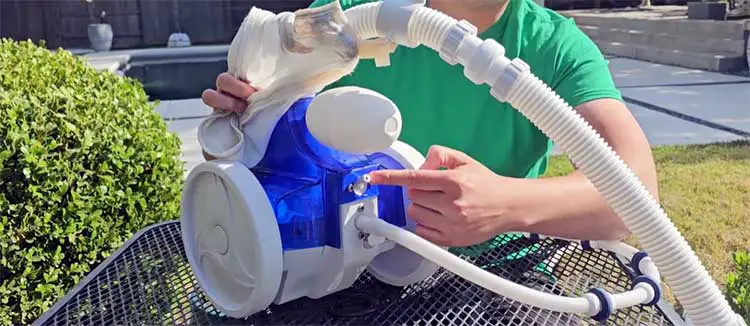
I’ve used both models over the years, and while they look almost identical at first glance—with that classic three-wheel design and sweeping tail—the differences become clear once they’re in the water.
- Booster Pump Dependency: This is the biggest one for me. The 360 runs directly off my pool’s return line pressure from the main pump. No extra pump means no additional electricity costs or plumbing hassles. The 380, however, demands a dedicated booster pump like the PB4-60 for full power. If your pool already has one plumbed in, great—but adding it later can cost hundreds and bump up your energy bill.
- Hose and Internal Design: The 360 has a wider feed hose and larger internal openings to handle high flow at lower pressure. It moves smoothly without overwhelming the system. The 380 uses a narrower hose optimized for the high-pressure boost, giving it that extra punch but requiring the pump to shine.
- Step Cleaning Ability: Here’s where the 380 pulls ahead in some pools. Its backup valve and jet configuration help it climb and scrub steps better. In my rectangular pool with gentle steps, the 360 handles them okay, but in deeper or steeper setups I’ve seen, the 380 navigates them more confidently.
- Debris Bag Style: Both have large single-chamber bags that catch leaves, pebbles, and twigs before they hit your filter. The 380 often comes with a zippered bag that’s easier to empty without spilling. The 360’s is usually a Velcro or clip style—functional, but I find myself chasing escaped dirt sometimes.
- Speed and Power: With the booster, the 380 feels more aggressive, finishing cycles faster. The 360 is steady and reliable but can slow if your main pump is clogged or running low pressure.
- Color and Minor Aesthetics: The 360 comes in black or white bodies, while the 380 is often blue-accented. Not a deal-breaker, but the black 360 blends better in darker pools.
These differences make the choice personal—if you want simplicity and savings, lean 360. For maximum aggression, especially on steps, the 380 wins if you’re okay with the pump.
Key Features of Polaris 360
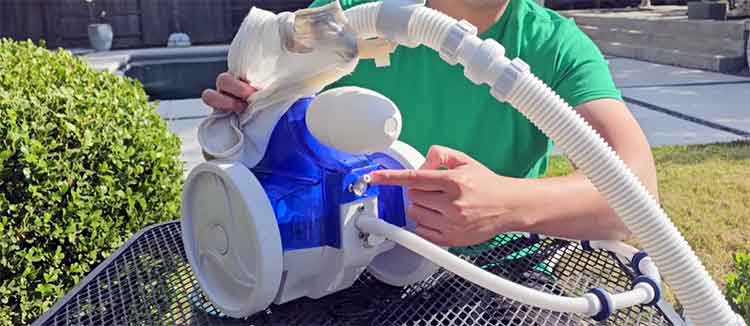
I’ve relied on the 360 for years in one of my pools, and it’s a workhorse that just keeps going.
- No Booster Pump Required: This is the feature I appreciate most. It hooks right up to my pool’s dedicated return line or pressure cleaner line, pulling power straight from the main circulation pump. No extra pump means no added plumbing, no separate timer, and no spike in my electric bill from running another motor. In pools where the main pump is a strong 1.5-2 HP model, it moves with plenty of authority.
- Triple Venturi Jets: Three jets in the throat create that powerful vacuum suction. They propel the cleaner forward while pulling in dirt, and I’ve watched them stir up settled debris effectively. The jets are positioned to give balanced thrust, helping it push up walls without stalling too often.
- Large 2.25-Inch Vacuum Inlet: This wide throat swallows bigger stuff—think acorns, small twigs, oak leaves, even pebbles—without choking. In fall when leaves pile up, it grabs handfuls at a time, reducing how many passes I need over the same area.
- All-Wheel Belt Drive System: Unlike older chain or shaft drives, the belt distributes power evenly to all three wheels. It’s smoother, quieter, and climbs walls better in my experience. The belts last several seasons with proper care, and replacements are straightforward.
- Sweeping Tail Scrubber: That whipping tail hose is genius for dislodging stuck-on algae or dirt in corners and along the waterline. It flicks water aggressively, breaking up grime the wheels might miss.
- In-Line Backup Valve: Every few minutes, it kicks in to reverse the cleaner if it’s stuck against a wall, light fixture, or drain. This keeps it circulating without me having to fish it out constantly.
- 31-Foot Feed Hose with Swivels and Floats: The longer hose reaches every corner of my 20×40 pool. Swivels prevent kinking, and floats keep it from dragging on the bottom. The hose is wider than boosted models to handle flow without extra pressure.
- Top-Mounted All-Purpose Filter Bag: The single-chamber bag clips on easily and holds a surprising amount—leaves, sand, small rocks. It traps debris before it hits my main filter, saving me from backwashing so often. Velcro or clip closure is secure but can get messy when full.
- Random Pattern Coverage: It bounces around unpredictably, covering floor and walls up to the tile line. Over a 3-4 hour run, it hits most spots multiple times.
- Compatibility with All Surfaces: Works on vinyl, fiberglass, gunite, pebble, tile—I’ve seen it handle smooth plaster and rougher finishes without scratching.
- Pressure Relief Valve: Built into the quick disconnect, it prevents overload if flow is too high.
It’s straightforward—no apps or fancy tech, just reliable cleaning for floors and walls in any in-ground pool surface.
Pros And Cons of Polaris 360
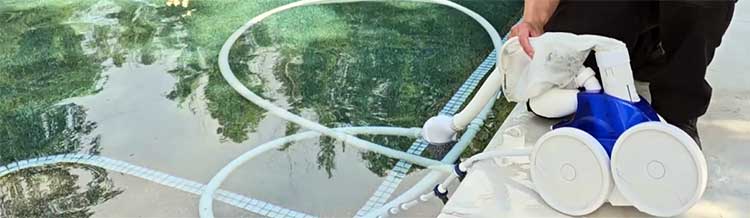
From seasons of use, here’s what stands out.
Pros
- Major Savings on Installation and Operation: No booster pump means hundreds saved upfront and lower monthly bills. My electric usage barely budges when it’s running off the main pump.
- Simple Plug-and-Play Setup: Connected in under an hour—just quick disconnect to the wall fitting. No electrician or plumber needed.
- Reliable Daily Performance: Consistent wall climbing to the waterline, good random coverage over time.
- Excellent Large Debris Handling: Bag fills with leaves, nuts, twigs without clogging the throat.
- Low Maintenance Design: Fewer moving parts under high stress; belts and wheels last seasons.
- Quiet Running: No extra pump noise—just the gentle hum of the main system.
- Eases Load on Main Filter: On-board bag captures most junk, meaning longer between filter cleanings.
- Works Well with Variable Speed Pumps: Adjusts to lower flows without completely stalling.
- Durable in Real-World Use: Mine has survived years of heavy oak pollen and storms.
- Versatile for Most Pools: Handles various shapes and surfaces without special tweaks.
- Easy Part Availability: Common replacements like bags, belts, tails are cheap and everywhere.
Cons
- Slower on Heavy Debris Days: Without boost, it can take 4+ hours for thorough coverage in dirty conditions.
- Step Cleaning Limitations: Manages gentle entries but struggles on steep or multi-level stairs.
- Bag Emptying Can Be Messy: Velcro/clip style sometimes spills when overfull.
- Performance Depends on Main Pump Health: Clogged filter or low pressure noticeably slows it.
- Random Path Means Occasional Misses: Might repeat areas while skipping others briefly.
- Hose Management Needed: Wider hose can tangle if not stored properly.
- Not Suited for Extremely Large Pools: Might need extended runs or help in 50+ foot setups.
- No Fine Filtration: Bag catches big stuff but lets silt recirculate.
- Backup Valve Wear: Over time, it can fail, causing stuck issues.
Overall, it’s my favorite for hassle-free ownership.
Also Read: Differences Between Jacuzzi JCRX And Dolphin Nautilus CC Plus Pool Cleaners.
Key Features of Polaris 380
When I upgraded a different pool with a booster already installed, the 380 became my go-to for tougher jobs.
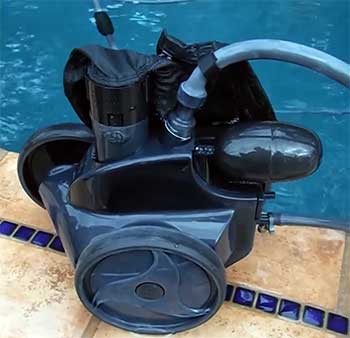
- Booster Pump Powered: Requires a separate booster like the PB4-60 for full potential. That dedicated 3/4-1 HP pump delivers high pressure, making the 380 zip around aggressively.
- Triple Venturi Jets with Extra Thrust: Same three jets as the 360, but boosted pressure amplifies suction and speed. It finishes full cycles in under 3 hours, even in larger pools.
- All-Wheel Belt Drive: Identical reliable belt system for even power distribution. Climbs walls effortlessly and handles transitions smoothly.
- Enhanced Step and Wall Cleaning: The combination of boost and backup valve lets it scrub and vacuum steps more thoroughly. In pools with built-in benches or deep ends, it navigates risers better.
- Large 2.25-Inch Inlet Throat: Same wide mouth for big debris, but higher flow means it inhales faster—great for heavy leaf seasons.
- Aggressive Sweeping Tail: With more pressure, the tail whips harder, blasting dirt from tight spots and stairs.
- Improved Backup Valve: Kicks in reliably to free it from obstacles, and the extra power helps it power through stuck situations quicker.
- 31-Foot Feed Hose Kit: Standard diameter hose optimized for boosted flow, with swivels, floats, and quick connects.
- Zippered All-Purpose Debris Bag: Easier to empty cleanly—no spilling half the contents. Holds tons of debris, and the zipper seals tight.
- Independent Operation: Booster runs on its own schedule, separate from main filtration. Skimmers stay free for surface cleanup.
- Durable Construction: Built to handle higher pressures long-term, with many users getting 10+ years.
- Full Coverage Including Steps: Officially rated to clean floor, walls, and steps—something the 360 does adequately but the 380 excels at.
It’s built for all in-ground pools and feels more premium when powered up—quicker cycles mean more swim time.
Pros And Cons of Polaris 380
This one’s a beast when boosted.
Pros
- Lightning-Fast Cleaning: Boosted power often wraps up in 2-3 hours—huge time saver.
- Superior Step and Stair Scrubbing: Climbs and cleans risers thoroughly, ideal for spa overflows or beach entries.
- Unmatched Suction Power: Triple jets on boost inhale debris aggressively.
- Convenient Zippered Bag: Dump contents cleanly, no chasing escaped leaves.
- Reliable Unsticking: Backup valve plus power frees it quickly from obstacles.
- Long-Term Proven Durability: Many report 10-15 years with periodic rebuilds.
- Handles Heavy Loads Effortlessly: Fall cleanup or stormy debris—no problem.
- Consistent Speed Regardless of Main System: Booster ensures steady performance even if filter is loading up.
- Better Circulation Boost: High flow aerates water more effectively.
- Premium Feel in Operation: Moves with purpose, covering ground confidently.
Cons
- Booster Pump Requirement Adds Cost: Hundreds extra if not pre-installed, plus ongoing electricity.
- Higher Upfront Price: Cleaner itself runs premium.
- Increased Noise: Booster pump hum is noticeable near equipment pad.
- More Potential Wear Points: Higher pressure stresses belts, gears faster.
- Plumbing Complexity: Needs dedicated line and proper setup for best results.
- Bag Can Detach Under Pressure: Some clips loosen over time.
- Overpowered for Small Pools: Can be too aggressive, stirring up unnecessary clouds.
- More Frequent Maintenance Checks: Booster adds another component to monitor.
- Energy Consumption Bump: Running booster daily adds to bills.
It’s worth it if your setup supports the boost.
Also Read: My Experience With WYBOT Pool Cleaner.
Frequently Asked Questions (FAQ)
The main differences are that the 360 runs without a booster pump (using larger hoses and openings for flow), while the 380 requires one for higher pressure and better step cleaning. They share triple jets and belt drive but differ in bag style and power delivery.
Check the serial number sticker (starts with “L” for 360, “K” for 380), hose diameter (wider on 360), or debris bag (zipper often on 380). Also, look inside the throat—both have three jets, but setup (booster presence) is a clue.
Yes, it requires a separate booster pump for optimal performance.
It’s not recommended— the higher pressure can cause premature wear on parts designed for lower flow.
My Overall Thoughts and Recommendation
After running both side by side in different pools, I lean toward the 360 for most people—its independence from a booster makes life simpler and cheaper long-term. But if you have steps that need serious attention or already have a booster, the 380’s extra power is hard to beat.
You deserve a cleaner that fits your pool without unnecessary extras or costs. Consider your current plumbing, debris type, and whether steps are a priority. Either way, both are solid Polaris builds that’ll keep your water inviting.