
As a pool owner who’s spent years battling leaves, dirt, and that endless buildup of fine debris, I’ve tried my share of cleaners.
My goal here is to help you decide between the Polaris 280 and Polaris 380 by sharing what I’ve learned from hands-on use, breakdowns, repairs, and watching them tackle my in-ground pool day after day.
These two pressure-side cleaners are classics, but they’re not identical twins—one might fit your setup perfectly while the other leaves you frustrated.
| Feature | Polaris 280 | Polaris 380 |
| Drive System | Shaft drive (gear-based) | Belt drive |
| Jet Nozzles | 2 jets | 3 jets |
| Booster Pump Required | Yes | Yes |
| Vacuum Inlet Size | Larger (wider throat) | Slightly smaller |
| Debris Bag | Larger capacity | Standard capacity |
| Wall and Step Climbing | Good, but can struggle on steps | Excellent, better grip and speed |
| Cleaning Speed | Cleans standard pool in ~3 hours | Faster, often ~2.5 hours or less |
| Maintenance Needs | Lower, fewer parts to replace | Higher, belts need periodic replacement |
| Durability Reputation | Extremely reliable, long-lasting | Solid, but belts can wear faster |
| Price Range (approx.) | More affordable | Higher |
| Best For | Budget-conscious owners, heavy large debris | Larger pools, better overall coverage |
Key Differences Between Polaris 280 And 380 Pool Cleaners
I’ve noticed several standout differences that can make or break your experience. Here’s what sets them apart:
- Number of Jets and Propulsion Power
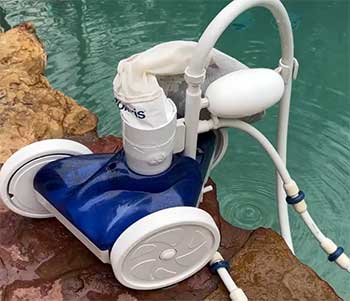
The most talked-about difference is the jets.
The 280 runs on two venturi jets, delivering solid vacuum strength but in a straightforward way.
The 380 steps it up with three jets, creating noticeably more thrust.
In my experience, this extra jet makes the 380 feel more aggressive—it surges forward faster and grips slick surfaces better.
If your pool has tiled walls or a pebble finish that gets slippery with algae, the 380 powers through where the 280 might slip a bit.
- Drive System: Shaft vs. Belt
This is a big one for long-term ownership. The 280 uses a shaft drive (essentially gear-based), which feels indestructible. I’ve never had to touch the internals of my 280 beyond basic tire swaps.
The 380 switches to a belt drive for all-wheel power distribution, which makes movement smoother and turns sharper. But those belts wear out—expect to replace them every 2-4 years depending on usage. I’ve helped friends swap belts on their 380s, and it’s not terribly hard, but it’s an extra chore the 280 simply doesn’t demand.
- Debris Inlet and Bag Capacity
The 280 has a wider throat (vacuum inlet), which is a game-changer for pools like mine surrounded by trees. It swallows big leaves, acorns, small twigs, and even pebbles without choking.
The bag on the 280 is also larger, meaning I empty it less often—sometimes only every other clean in heavy debris seasons. The 380’s inlet is narrower, so it can clog quicker on oversized stuff, and the bag fills faster because of the stronger suction pulling in more fine particles.
- Climbing and Step Performance
Both climb walls well, but the 380’s extra jet gives it superior grip for full wall scrubs and tackling steps. In my rectangular pool with gentle steps, the 280 does fine on walls but often hesitates or skips the top step.
Borrowed a 380 once, and it marched right up every time, scrubbing the waterline thoroughly. If your pool has benches, deep ends with ledges, or multiple steps, the 380 handles them with more confidence.
- Cleaning Speed and Coverage Patterns
Officially, both claim around 3 hours for a full clean, but in practice, the 380 often finishes quicker—closer to 2.5 hours in my medium-sized pool—thanks to better torque from the belts and third jet.
It also seems to cover missed spots less frequently; the random pattern feels more efficient. The 280 is steady and reliable but can leave a stripe or two untouched if debris is heavy.
- Maintenance and Durability
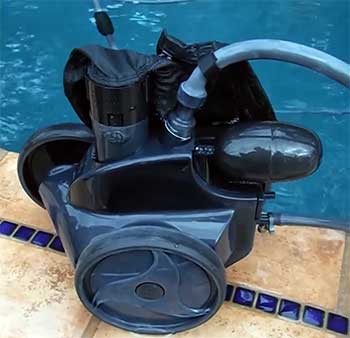
The 280 wins hands-down for low fuss. Fewer moving parts mean fewer failures.
Tires, sweep hose, and backup valve are the main wear items, and rebuilds are cheap and rare.
The 380, with its belts and more complex drive, needs more attention.
Belts stretch or snap, and the one-piece housing can make repairs trickier (though doable with patience).
That said, modern 380s have improved belt longevity, lasting years for many owners.
- Weight, Maneuverability, and Storage
The 280 is slightly lighter and more compact, easier to haul out of the pool for storage or winterizing. The 380 feels a tad bulkier but turns tighter in corners due to the belt system. Hose tangling happens with both if not balanced properly, but the 380’s smoother drive reduces it a bit.
- Noise and Water Circulation
Both are quiet compared to robots, but the 380’s extra jet stirs water more vigorously, improving overall circulation and chemical distribution. Great if your pool has dead spots. The 280 circulates well too, but not quite as forcefully.
- Price and Value Over Time
The 280 is consistently cheaper upfront, often by a couple hundred dollars. Factor in lower maintenance, and it stretches your money further long-term. The 380 costs more initially and in upkeep, but if you value faster cleans and better step coverage, it justifies the premium.
- Backup Valve and Stuck Prevention
Both have in-line backup valves that jet water periodically to reverse direction and free them from corners or ladders. They work reliably on both, but the 380’s extra power seems to escape tight spots quicker.
- Compatibility and Setup
Identical in this regard—both need a booster pump (like the PB4-60), same 31-foot hose kit, and connect to a dedicated pressure line. No differences in installation hassle.
These differences add up in real-world use—if your pool has lots of large leaves or tight corners, one pulls ahead.
Also Read: Comparison of Pentair Warrior SE And Dolphin S200 Pool Cleaners.
Key Features of The Polaris 280
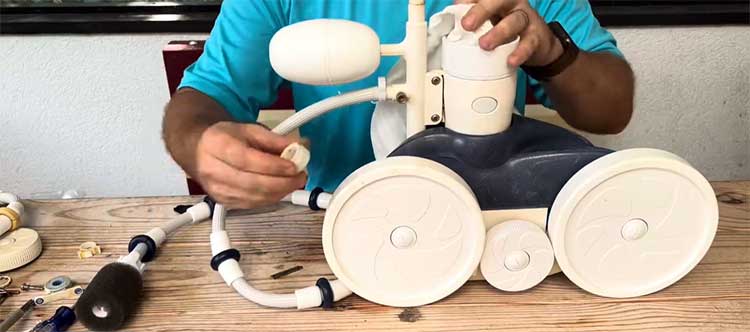
The 280 has been my go-to for years because it’s straightforward and gets the job done without fuss. Here are the features that keep me coming back:
- Dual Venturi Jets: These two powerful jets create strong vacuum suction using the venturi effect, pulling in debris with reliable force. I’ve seen them generate enough power to clean a standard in-ground pool in about three hours, even with moderate leaf drop.
- Large Vacuum Inlet (2.25-inch throat): This wider opening is one of my favorite parts—it effortlessly sucks up larger items like leaves, acorns, pebbles, twigs, and even small nuts without clogging. In tree-heavy yards, this prevents constant stops that plague narrower inlets.
- All-Wheel Shaft Drive System: The gear-driven shaft distributes power evenly to all three wheels, providing steady traction on vinyl, fiberglass, gunite, pebble, or tile surfaces. It feels incredibly durable; I’ve never had internal drive failures, just routine tire replacements.
- Sweep Hose with TailSweep Pro: The attached sweep hose whips around vigorously, scrubbing walls, waterlines, corners, and steps while blowing loose dirt into the vacuum path. The TailSweep Pro enhancement directs water forcefully without spraying outside the pool, keeping decks dry.
- In-Line Backup Valve: This automatic feature jets water every few minutes to reverse direction and free the cleaner from corners, ladders, or drains. It works flawlessly most of the time, minimizing stuck situations.
- Large Single-Chamber All-Purpose Filter Bag: With around 3-liter capacity, it traps everything from big leaves to fine sand independently of your pool filter. I empty it far less often than expected, and it extends the life of my main filtration system.
- 31-Foot Feed Hose Kit: Includes swivels, floats, quick disconnects, and universal wall fitting for easy setup on dedicated pressure lines.
- Three-Wheel Design: Compact and maneuverable, it navigates uneven floors, drains, and obstacles smoothly while circulating water for better chemical distribution.
- Booster Pump Compatibility: Pairs perfectly with pumps like the PB4-60 for optimal pressure (around 28-30 RPM wheel speed when tuned right).
- Durable Construction: Built to withstand chemicals, sun, and daily use—many owners report 8-12 years of service with basic care like tire and bag swaps.
It’s the kind of cleaner that just works reliably season after season.
Pros And Cons of The Polaris 280
I’ve loved the 280 for its no-nonsense reliability, but it’s not perfect. Here’s the balanced view:
Pros
- Cheaper upfront cost makes it easier on the wallet.
- Larger inlet and bag mean fewer clogs and less frequent emptying.
- Shaft drive is tough and rarely needs major repairs.
- Proven longevity—mine lasted over 8 years with basic care.
- Excellent at picking up large debris like leaves and twigs.
- Lower maintenance overall; gears hold up better than belts.
- Great circulation pushes water through the pool effectively.
- Doesn’t get stuck as often thanks to the reliable backup system.
Cons
- Only two jets limit speed and climbing on steep walls or steps.
- Can feel slower on larger pools.
- Requires a booster pump (extra cost if you don’t have one).
- Might miss some fine dust in heavy pollen seasons.
- Hose can tangle if not adjusted properly.
Overall, it’s a solid workhorse if budget and simplicity matter most.
Also Read: Comparison of Jacuzzi JCRX And Dolphin Nautilus CC Plus Robotic Pool Cleaners.
Key Features of The Polaris 380
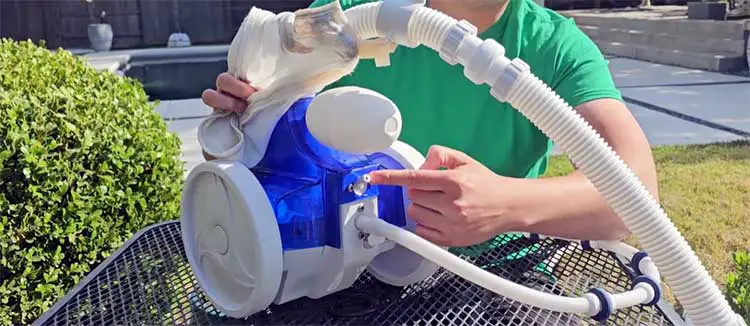
The 380 feels like the upgraded sibling—more power and polish. These features make it stand out:
- Triple jets deliver extra propulsion for faster sweeps and better wall gripping.
- Belt-driven all-wheel system offers smoother turns and more torque.
- Enhanced backup valve helps it escape tight spots quickly.
- Wider sweep hose and improved scrubber loosen stubborn algae and dirt.
- Vacuums floors, walls, and steps with ease thanks to the added jet power.
- Large filter bag (though slightly smaller than the 280’s) traps debris independently.
- Same pressure-side operation with booster pump, but optimized for quicker cycles.
- Robust build with better traction on slick surfaces.
If you want something that attacks the pool more aggressively, the 380 delivers that punch.
Pros And Cons of The Polaris 380
Upgrading to the 380 brought noticeable improvements, but it came with trade-offs:
Pros
- Three jets make it faster and more powerful overall.
- Superior wall and step cleaning—reaches spots the 280 skips.
- Belt drive provides smoother, quieter operation.
- Quicker full-pool cycles save time on busy days.
- Better traction and grip on various surfaces.
- Feels more modern and aggressive in tackling dirt.
- Excellent at stirring up and removing algae buildup.
- Reliable backup prevents most stuck situations.
Cons
- Higher price tag upfront.
- Belt drive requires more frequent replacements (every 2-3 years typically).
- Smaller inlet can clog easier with very large debris.
- Slightly higher maintenance to keep belts in check.
- Still needs a booster pump.
- Bag fills faster due to more aggressive suction.
It’s worth the extra if you want top-tier performance.
My Experience With Polaris 280 And 380 Pool Cleaners
I started with the 280 because it was recommended as the reliable standard. It transformed my pool routine—suddenly I wasn’t skimming every day. It zipped around the floor, climbed walls decently, and that large bag meant I only emptied it weekly.
After a few years, I tried the 380 on a friend’s recommendation for my growing leaf problem. The difference in speed was immediate—it powered through the same mess quicker and scrubbed steps I used to brush manually. The extra jet really helps on walls.
But I switched back to the 280 after dealing with belt replacements on the 380. For my medium-sized pool with mostly large debris, the 280’s simplicity won me over. If your pool is bigger or has more steps, you’d probably love the 380.
Both are tough pressure-side cleaners that beat manual vacuuming hands down. They extend your filter life by catching debris in their own bags, and the sweep tail keeps walls sparkling.
Which One Should You Choose?
It depends on your pool and priorities. If you’re like me and value low maintenance and handling big debris on a budget, go with the 280—it’s proven itself over decades.
If you want faster cleans, better climbing, and don’t mind occasional belt tweaks, the 380 is the upgrade worth considering.
Either way, pair it with a good booster pump and proper hose setup, and you’ll enjoy more swimming and less scrubbing.
Also Read: Is WYBOT Pool Cleaner Worth It?
Frequently Asked Questions (FAQ)
With regular maintenance like replacing tires, bags, and occasional rebuilds, it often lasts 8-10 years or more.
The 360 doesn’t require a booster pump (runs directly off your pool’s pressure line), but it’s slightly less powerful and similar in other features.
It varies by needs, but many longtime owners swear by the 280 for its reliability and low maintenance.
The 380 requires a booster pump for more power and better step cleaning, while the 360 operates without one but is a bit less aggressive.
Final Thoughts
You deserve a pool that’s always ready for a dip without constant work. Both the Polaris 280 and 380 have served me well over the years, turning frustrating maintenance into something almost effortless.
If you’re watching your budget and dealing with typical debris, I lean toward the 280—it’s dependable and won’t nickel-and-dime you with repairs.
But if your pool demands more power for walls and steps, step up to the 380. You’ll appreciate the speed and thoroughness.
Whichever you pick, you’ll wonder how you ever managed without one. Enjoy that crystal-clear water—you’ve earned it.