
As someone who’s owned an in-ground pool for over a decade, I’ve spent countless hours maintaining crystal-clear water. I’ve tried various cleaners, but when it came to pressure-side options, the debate always circled back to the Polaris 280 and 360.
In this article, I’ll share my real-world experiences comparing these two popular models, helping you decide which one fits your pool setup, budget, and cleaning needs best.
| Feature | Polaris 280 | Polaris 360 |
| Booster Pump Required | Yes (separate pump needed for optimal performance) | No (runs directly off pool’s return line) |
| Number of Jets | 2 (double venturi jets) | 3 (triple jets for stronger propulsion) |
| Drive System | Shaft drive | Belt drive |
| Cleaning Time (Average Pool) | 3-4 hours | 2-3 hours |
| Debris Bag Capacity | Larger (up to ~3 liters) | Standard (~2 liters) |
| Weight | Lighter (~15-18 lbs) | Slightly heavier |
| Best For | Pools with existing booster pump; budget-conscious owners wanting reliability | Pools without booster; faster cleaning without extra costs |
| Energy Efficiency | Higher consumption due to booster | Lower (no extra pump) |
| Durability/Lifespan | 5-10 years with maintenance | 5-8 years with maintenance |
| Price Range (Cleaner Only) | Mid-range | Similar or slightly higher |
Key Differences Between Polaris 280 And 360
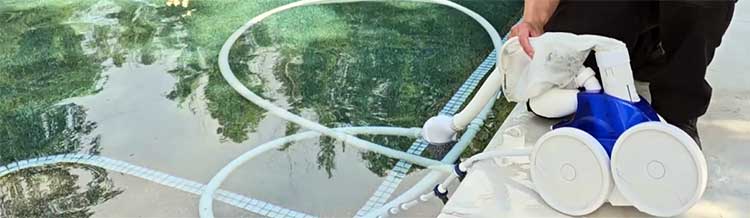
I’ve used both models over the years—starting with a 280 when my pool had a booster pump installed, then switching to a 360 after some plumbing changes. The differences became clear pretty quickly.
- Booster Pump Requirement: This is the biggest one for me. The 280 needs a dedicated booster pump to generate enough pressure. Without it, it barely moves. I remember the extra electricity bill from running that pump—it added up. The 360 skips this entirely, hooking straight to your return line. No extra pump means easier setup and lower running costs.
- Propulsion Jets: The 280 has two jets, which get the job done solidly but steadily. The 360’s three jets make it zip around faster. In my pool, the 360 covered the floor quicker, especially on windy days with more leaves blowing in.
- Drive Mechanism: The 280 uses a shaft drive, which feels more straightforward and less prone to issues in my experience. The 360’s belt drive gives smoother movement but can wear out sooner if not maintained.
- Debris Handling and Bag: Both have top-mounted bags that catch big stuff before it hits your filter. The 280’s bag seems roomier, holding more acorns and twigs without needing emptying as often. The 360’s is fine but fills faster during heavy debris seasons.
- Speed and Coverage: With the booster, the 280 is powerful and thorough. The 360 feels snappier without one, but in larger pools, it might leave a spot or two if your main pump isn’t strong.
- Installation and Compatibility: If your pool is already plumbed for a booster, the 280 integrates seamlessly. The 360 is more forgiving for older setups without that plumbing.
- Energy Use and Noise: The 280’s booster adds noise and power draw. The 360 is quieter and cheaper to run daily.
- Wall Climbing and Steps: Both climb walls well, but the 360 sometimes struggles on steeper angles without the boost. Neither is perfect on steps—they might miss edges.
These differences shaped my preference depending on the setup. If I had a booster already, I’d stick with the 280 for its proven power.
Key Features of The Polaris 280
I’ve spent years with the Polaris 280 in my pool, and it quickly became my go-to for consistent, no-fuss cleaning. Here’s what stands out after all that hands-on time.
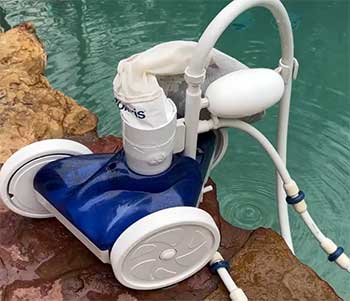
- Double Jet Propulsion System: The two venturi jets deliver serious vacuum power. They create strong suction that pulls in everything from fine sand to larger pebbles without clogging. In my experience, this setup provides steady, reliable movement across the entire pool floor.
- Shaft Drive Mechanism: This direct drive transfers power efficiently to the wheels. It’s rugged and holds up well over seasons of daily use. I’ve rarely had drive issues, even after years of running it through heavy debris loads.
- Large Throat Inlet (2.25 inches): This wide opening handles big stuff like acorns, twigs, and leaves effortlessly. No constant stopping to clear blockages, which was a huge relief compared to narrower inlets on other cleaners I’ve tried.
- Sweep Hose Tail with Scrubber: That whipping tail reaches corners, steps, and tight spots the main body misses. It stirs up stuck-on dirt and algae, then the jets vacuum it up. I’ve seen it scrub away light buildup on walls that would otherwise need manual brushing.
- In-Line Backup Valve: The automatic reverse feature kicks in if it gets temporarily stuck. It frees itself quickly and keeps cleaning without me intervening.
- All-Wheel Drive Design: The three wheels navigate uneven surfaces, drains, and lights smoothly. It climbs walls reliably up to the tile line when pressure is right.
- Independent Large Filter Bag: The top-mounted bag catches debris before it hits your main filter. It’s roomy enough to go days without emptying during moderate use, and easy to rinse out.
- Durable Housing and Components: Built tough with UV-resistant plastics. Wheels and hoses wear over time, but the core unit lasts with basic care.
- Booster Pump Compatibility: Paired with a dedicated booster like the PB4-60, it hits peak performance. The extra pressure makes it aggressive on walls and thorough on the floor.
- 31-Foot Feed Hose: Plenty of length for most pools, with swivels to reduce tangling.
It’s straightforward—no fancy tech, just reliable cleaning.
Pros And Cons of The Polaris 280
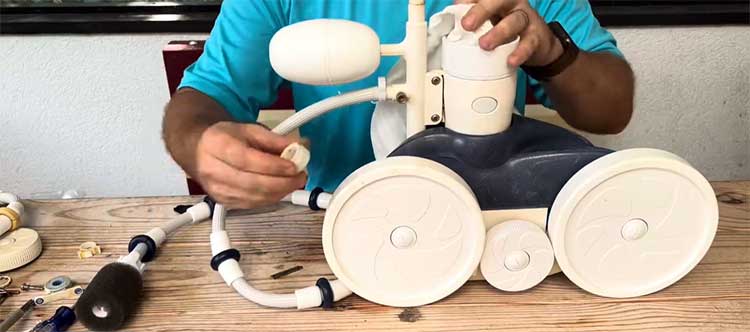
I’ve loved and occasionally grumbled about the 280.
Pros
- Unmatched power with a booster— it scrubs walls aggressively and vacuums thoroughly, leaving the pool spotless even after storms.
- Exceptional durability; mine lasted nearly a decade with regular part replacements like wheels and bags.
- Handles heavy, large debris loads better thanks to the bigger bag and wide inlet—perfect for tree-lined yards.
- Reliable shaft drive means fewer breakdowns compared to belt systems I’ve seen wear out.
- Consistent coverage in larger or irregularly shaped pools when pressure is dialed in.
- Eases strain on your main filter by trapping debris in its own bag.
- Widely available parts make DIY repairs straightforward and affordable.
- Proven track record—it’s a classic for a reason, performing well season after season.
- Climbs and scrubs walls effectively, reducing manual work.
- Quiet operation relative to some competitors when the booster is running smoothly.
Cons
- Requires a separate booster pump, adding significant upfront cost (hundreds extra) and installation effort if not already plumbed.
- Higher energy consumption from running the booster daily—noticeable on the electric bill over time.
- Slightly slower overall speed compared to triple-jet models without the same boost.
- Setup involves more plumbing and pressure adjustments to get it running optimally.
- Can produce more noise from the booster pump humming away.
- Hose management requires occasional tweaks to prevent tangling or uneven patterns.
- Heavier to lift out of the pool due to the robust build.
- Dependent on booster health—if that pump fails, the cleaner stops until fixed.
- Not as forgiving in low-pressure setups; needs that dedicated boost for best results.
Overall, the pros outweigh cons if your pool supports it.
Also Read: Differences Between Pentair Warrior SE And Dolphin S200 Pool Cleaners.
Key Features of The Polaris 360
Switching to the 360 felt like simplifying things while keeping most of the cleaning punch. Here’s what I’ve appreciated about its design.
- Triple Jet Propulsion: Those three jets give it noticeably quicker acceleration and coverage. It zips around faster than the dual-jet models, shaving time off cleaning cycles.
- Belt Drive System: Power distributes evenly to the wheels for smooth turns and consistent speed. It handles varied terrain well, though belts need checking occasionally.
- No Booster Pump Required: It runs directly off your pool’s return line pressure. This was a game-changer for me—no extra pump to install or maintain.
- Wide Vacuum Inlet: Similar to the 280, it swallows large debris without issues. Leaves and small twigs go straight into the bag.
- Aggressive Sweep Tail: The tail scrubs vigorously, loosening dirt in corners and on steps. It complements the jets nicely for overall agitation.
- Automatic Backup Valve: Same reliable reverse mechanism to escape hangs-ups. It works seamlessly in most situations.
- Three-Wheel Mobility: Navigates pool contours effectively, climbing walls in good flow conditions.
- Top-Access Filter Bag: Convenient single-chamber bag that’s quick to remove and clean. It traps bigger stuff independently.
- Compact and Lightweight Build: Easier to handle in and out of the pool compared to boosted models.
- 31-Foot Hose Kit: Includes floats and swivels for better movement and less kinking.
- Energy-Efficient Operation: Drawing from your existing pump means lower added electricity costs.
The 360 shines in setups where adding a booster isn’t practical.
Pros And Cons of The Polaris 360
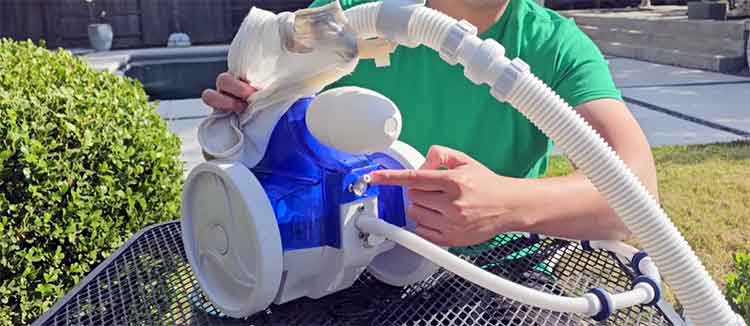
The 360 was refreshing for its simplicity.
Pros
- Huge cost savings by eliminating the booster pump entirely. No extra equipment to buy, no additional plumbing, and no separate power draw—my electric bill dropped noticeably during peak summer use.
- Noticeably faster movement around the pool thanks to the three-jet design. It covers ground quicker, often finishing a full clean in 2–3 hours instead of 4, which means less runtime and even lower energy use.
- Extremely simple installation. Hook it to a dedicated return line, adjust the flow if needed, drop it in, and you’re done. I had it running perfectly in under 30 minutes out of the box.
- Lower overall operating costs long-term. It piggybacks on your existing pump’s pressure, so you’re not paying for a second motor to spin every day.
- Much quieter operation. Without the booster’s hum, the only sound is the gentle sweep hose and water movement—barely noticeable from the deck.
- Lightweight and easy to handle. Pulling it out for storage or winterizing is quicker and less strenuous than wrestling with a boosted model’s longer hose.
- Effective cleaning in pools with strong circulation. If your main pump pushes good pressure (especially on high speed), it climbs walls well and vacuums thoroughly.
- Still handles large debris confidently. The wide inlet and independent bag catch leaves, twigs, and seeds without sending them to your filter.
- Less strain on your overall pool system. No extra pump means fewer components that can fail or need servicing.
- Good random pattern coverage in average-sized rectangular or oval pools. It bounces around energetically and hits most areas reliably.
- The sweep tail works aggressively to stir up dirt, often loosening stuff before the main vacuum passes over it.
- Easier to integrate with modern variable-speed pumps on higher RPM settings for cleaning cycles.
Cons
- Performance is heavily dependent on your main pump’s output. In systems with weaker flow or variable-speed pumps running on low, it can move sluggishly and miss fine silt or corners.
- Less overall scrubbing power compared to a boosted cleaner. It cleans well, but doesn’t attack walls or heavy buildup with the same aggression—I occasionally had to brush stubborn spots manually.
- Belt drive system wears faster under heavy use. I replaced belts and drive components more often than I ever did shaft parts on the 280.
- Smaller filter bag fills up quicker. During heavy leaf season, I found myself emptying it daily instead of every few days.
- More likely to get temporarily stuck on steps, drains, or main drains without the extra thrust a booster provides.
- Coverage can become inconsistent in larger pools (over 20,000 gallons) or those with complex shapes—sometimes leaving narrow strips uncleaned.
- Parts availability isn’t quite as universal as the 280/380 series. Some components took longer to source or cost slightly more.
- Wall climbing is good but not great in marginal flow conditions—it might stall halfway up or skip sections if pressure dips.
- Hose tangling issues crop up more often if floats aren’t perfectly positioned, since it moves faster and more erratically.
- Slightly shorter expected lifespan in demanding environments. While well-built, it doesn’t seem to have quite the same decade-plus endurance as boosted models.
- Can struggle with very fine dust or pollen if your return line pressure isn’t strong enough to create robust suction.
It’s ideal for hassle-free ownership.
My Personal Experiences and Recommendations
In my pool, the 280 with booster delivered spotless results every time. It tackled oak leaves effortlessly. Switching to the 360 saved money but required more tweaks for full coverage.
If you have a booster, go 280—it’s tougher. Without, the 360 is smarter. Both beat manual vacuuming hands down.
Maintenance tip: Rinse bags weekly, check wheels monthly, store out of sun.
Also Read: Is Pool Day Simple Scoop Any Good?
Frequently Asked Questions (FAQ)
The main differences are the booster pump (required for 280, not for 360), jets (two vs. three), and drive system (shaft vs. belt). The 360 is faster and cheaper to run but may have less power.
It depends on your setup. The 280 is best with an existing booster for maximum power and durability. The 360 wins for no-booster convenience and lower costs.
No, it’s not recommended or compatible—it could damage the unit or reduce lifespan.
With proper care, 5-10 years. Mine hit 8 years before major rebuild.
Wrapping It Up: Which One Should You Choose?
Looking back on my time with both the Polaris 280 and 360, I can say they’ve made pool ownership way more enjoyable. You’ve got two solid options here—reliable workhorses that take the grunt work out of cleaning.
If your pool has a booster pump already, I’d lean toward the 280 for its raw power and longevity. But if you’re starting fresh or want to cut costs and simplify, the 360 is a fantastic choice that won’t let you down.
Whichever you pick, you’ll end up with more time splashing around instead of scrubbing. Trust me, your future self will thank you for making the switch.